
Sauces & Condiments
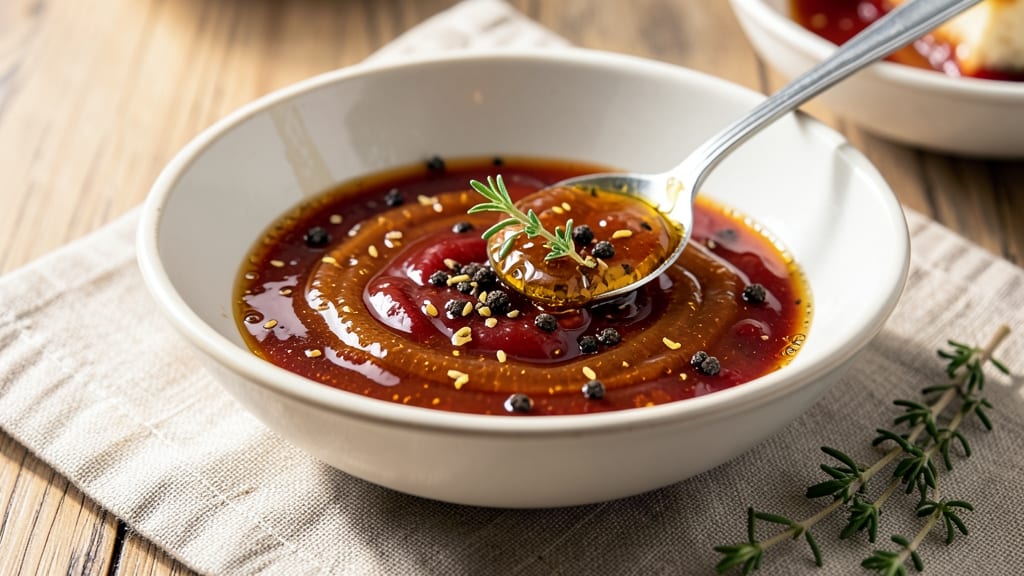
This sweet and sour sauce recipe with apple cider vinegar transforms ordinary dishes into vibrant, tangy masterpieces with just a few simple ingredients. The apple cider vinegar adds a bright, crisp acidity that cuts through richness, while a touch of honey balances the sharpness for a sauce that’s addictively versatile.
I developed this version after years of testing—it’s the one that finally delivers that perfect harmony of sweet, sour, and subtle heat without overpowering the dish.
The secret lies in the ratios: a precise blend of apple cider vinegar, ketchup, and a hint of Worcestershire sauce builds depth, while a splash of celery seed and cracked black pepper add a fresh, crisp zing that elevates everything from fried chicken to roasted vegetables.
Unlike store-bought versions, this sauce stays fresh for up to a week in the fridge, ready to transform your meals with minimal effort.
What makes this sauce truly special is its adaptability—it’s bold enough for crispy pork chops but delicate enough to drizzle over steamed greens. The apple cider vinegar infuses a subtle autumnal warmth, while the honey ensures the sweetness never feels cloying.
Whether you’re glazing wings, tossing with stir-fry, or serving as a dipping sauce, this recipe delivers restaurant-quality flavor with just 10 minutes of prep.
For best results, let the sauce sit for 15 minutes before using—this allows the flavors to meld and deepen. Store in an airtight container, and you’ll have a pantry staple that turns even the simplest dishes into something extraordinary. Here’s how to make it perfectly balanced every time.
Ingredients for sweet and sour sauce recipe with apple cider vinegar
Nine simple ingredients for a sauce that's bright, tangy, and full of autumnal warmth.
| Ingredient | Amount | Notes |
|---|---|---|
| Apple Cider Vinegar 🍎 | ½ cup | Raw, unfiltered for depth |
| Ketchup 🍅 | ½ cup | High-quality, no sugar added |
| Honey 🍯 | ¼ cup | Raw or clover preferred |
| Worcestershire Sauce 🥫 | 1 tbsp | Vegan if needed |
| Celery Seeds 🌿 | 1 tsp | Ground for freshness |
| Black Peppercorns 🌶️ | ½ tsp | Cracked for texture |
| Garlic Powder 🧄 | ½ tsp | Freshly ground preferred |
| Salt 🧂 | ½ tsp | Kosher or sea salt |
| Water 💧 | ¼ cup | Room temperature |
The apple cider vinegar is the heart of this sauce—Bragg or Texas Pete are my go-tos, but any raw, unfiltered brand works. Grab the ketchup from the natural foods aisle if you can—those with no added sugar make a difference. Honey? Raw or clover adds subtle floral notes, but regular works fine. The Worcestershire sauce? Lea & Perrins is classic, but check the label for vegan versions if needed. Celery seeds are a game-changer—they give that fresh, crisp zing that sets this apart from store-bought versions. Toast them lightly in a dry pan for 30 seconds before grinding if you've got the time.
No apple cider vinegar? White vinegar or lemon juice works in a pinch, but the flavor won't be quite the same. Short on ketchup? Tomato paste plus a splash of vinegar gets you close. The honey can be swapped for maple syrup or agave—just reduce the water slightly since maple's thicker. Worcestershire missing? Soy sauce plus a pinch of sugar mimics the umami. The celery seeds are non-negotiable for that signature crispness, but if you're out, dried dill at half the amount adds a similar brightness. Black peppercorns? Crack them with the side of a knife for that fresh-cracked flavor—don't use pre-ground if you can avoid it.
This sauce keeps beautifully—up to 1 week in the fridge in an airtight container. The flavors actually deepen after sitting overnight, so make extra. For longer storage, freeze in ice cube trays—thaw and stir back to perfection. Double batches are worth it: I always make enough for two uses. The water helps thin it out if it gets too thick, but if it's too runny, simmer for 5 minutes to reduce. Trust me, the first time you drizzle this over crispy fried chicken or toss it with roasted veggies, you'll be hooked.
Why You'll Love This Recipe
- Pantry Magic: I swear by this—no special trips, just what I already have. Apple cider vinegar cuts through the sweetness while celery seeds add a subtle crunch that makes it feel gourmet, even though I’m stirring it in my good mug.
- Tangy-Sweet Balance: That honey and Worcestershire combo? Chef’s kiss. The apple cider vinegar keeps it bright, not cloying, and the celery seeds give a little earthy kick that makes it taste like it simmered for hours—not 10 minutes.
- Weeknight Wonder: Slather it on fried chicken, toss with stir-fry, or drizzle over roasted veggies. Honestly, I’ve used it in everything from tacos to deviled eggs, and it never lets me down. (Yes, even on a Tuesday night.)
- No-Waste Win: This sauce lasts forever—I keep a jar in the fridge for at least two weeks. And since it’s cheap to make (ketchup and vinegar are my go-tos), I’m not stressing about leftovers. Just more flavor for less.
Step-by-step instructions for sweet and sour sauce with apple cider vinegar
This tangy, balanced sauce comes together in minutes with simple ingredients you already have.
Toast the Celery Seeds and Peppercorns
Heat a small dry skillet over medium heat. Add the 1 teaspoon celery seeds and 0.5 teaspoon black peppercorns, stirring constantly for about 1 minute until they become fragrant and just begin to pop. You'll smell that bright, earthy aroma—this is where the sauce gets its signature depth.
Watch them carefully—they toast quickly and can burn fast. Once they're golden and sizzling, immediately transfer them to a mortar and pestle or small bowl. Let them cool for 30 seconds before grinding. This step prevents the seeds from releasing bitterness and ensures maximum flavor extraction.
Combine Wet Ingredients
In a medium saucepan, whisk together the 0.5 cup apple cider vinegar, 0.5 cup ketchup, 0.25 cup honey, and 1 tablespoon Worcestershire sauce. Bring the mixture to a gentle simmer over medium heat, stirring occasionally to prevent sticking. You'll notice the honey starts to dissolve immediately, creating a smooth base.
The apple cider vinegar will give that signature tang, while the ketchup adds depth and color. Don't rush this step—let it simmer for 3-4 minutes until the mixture thickens slightly and the honey fully incorporates. This ensures your sauce won't be cloyingly sweet.
Add Ground Spices and Water
Once the wet ingredients are simmering, add the freshly ground celery-peppercorn mixture, 0.5 teaspoon garlic powder, and 0.5 teaspoon salt. Stir well to combine, letting the spices bloom for 1 minute—this releases their full aromatic potential. Then pour in the 0.25 cup room-temperature water and stir again.
The water helps balance the sauce's intensity while keeping it glossy and coatable. Taste the mixture now—you should notice a bright tang from the vinegar, a touch of heat from the peppercorns, and a subtle celery-like freshness. If needed, adjust the salt or honey to your preference, but this ratio works perfectly for most palates.
Simmer to Perfection
Continue simmering the sauce for 5-7 minutes over low heat, stirring occasionally. You're looking for a consistency that coats the back of a spoon but still flows easily. The sauce should reduce slightly, becoming thicker and more concentrated in flavor.
Here's the thing—this sauce gets better as it cools. If you're using it immediately, let it sit for 5 minutes off the heat before serving. For even deeper flavor, refrigerate for 1 hour before using. The balance of sweet, tangy, and savory elements will develop beautifully during this time.
Pro Tips For Making Sweet And Sour Sauce Recipe With Apple Cider Vinegar
- Simmer Slow and Low: I learned this the hard way—boiling the sauce too hard makes it bitter fast. Keep it at a gentle simmer (tiny bubbles, not rolling) for at least 10 minutes, especially after adding the apple cider vinegar. That’s when the flavors meld instead of fighting each other.
- Toast Those Celery Seeds: Don’t just toss them in raw—heat them dry in a small pan for 20 seconds until fragrant. This brings out their earthy depth without overpowering the sweetness. (Yes, even if you’re impatient like me.)
- Balance the Vinegar: Apple cider vinegar is strong—taste it first, then add the honey gradually. If the sauce tastes sharp after mixing, let it sit for 5 minutes before adjusting. The acidity mellows out, and you’ll avoid overcompensating with sugar.
- Skip the Worcestershire Until Last: Add Worcestershire sauce only at the very end—its umami flavor fades when heated too long. Stir it in just before serving, or the sauce will taste flat. (Your future self will notice the difference.)
Wine and beer pairings for this sweet and sour sauce recipe with apple cider vinegar
Crisp White Wine
A dry Riesling from Germany or Washington State is my go-to pairing—its bright acidity mirrors the apple cider vinegar’s tang while the mineral notes complement the honey’s sweetness.
Look for a Kabinett or Spätlese with crisp citrus and green apple flavors. Chill it to 45-50°F before serving to enhance its refreshing contrast. 🍷
Malty Amber Ale
For beer lovers, an amber ale like Sierra Nevada Pale Ale or New Belgium Fat Tire brings caramel and toasted malt notes that harmonize with the sauce’s sweetness.
The beer’s subtle bitterness balances the vinegar’s sharpness, creating a perfect match for fried dishes. Serve at 45-50°F to let the malt shine.
Dry Rosé
A Provence-style rosé with its pale hue and dry finish is an elegant choice, especially for lighter dishes like roasted vegetables. The wine’s red fruit notes and crisp acidity cut through the sauce’s richness without overpowering it. Opt for a 100% Grenache or Syrah-based rosé for the best pairing.
Hard Cider
For a casual, autumnal vibe, a dry hard cider like Angry Orchard Crisp Apple or Woodchuck Dry works surprisingly well. The apple cider notes in the sauce echo the cider’s fruitiness, while its slight effervescence cleanses the palate. Serve chilled to 40-45°F for the best experience.
Sparkling Water
If you prefer non-alcoholic options, sparkling water with a splash of lime is a refreshing match. The bubbles mimic the sauce’s tanginess, while the lime adds a citrusy brightness. For a sweeter touch, add 1 teaspoon honey to the water—it’s a great choice for kids or health-conscious diners.
Nutrition facts
Frequently asked questions
Can I substitute apple cider vinegar with another type of vinegar?
Yes, but the flavor will change slightly. For similar tanginess, use white vinegar or rice vinegar (1:1 ratio). For a fruitier note, try lemon juice (reduce by 10% since it's less acidic). Avoid balsamic—it adds too much sweetness and depth that disrupts the balance.
How do I adjust the sweetness or sourness if my taste buds are sensitive?
Start with small adjustments! For more sweetness, add 1 tablespoon honey at a time. For extra tang, increase the apple cider vinegar by 1 tablespoon. Remember: the sauce thickens as it cools, so taste it after 15 minutes of resting for the most accurate balance.
What's the best way to store leftover sauce?
Transfer to an airtight container and refrigerate for up to 1 week. For longer storage, freeze in ice cube trays—thaw and stir to restore consistency. The flavors actually improve after 24 hours, so make extra for future meals!
Can I use this sauce on non-fried dishes?
This versatile sauce works beautifully on grilled meats, roasted vegetables, or even as a marinade. For delicate dishes like fish, reduce the vinegar to 0.25 cup and add 1 teaspoon soy sauce for extra umami.
Why does my sauce look too thin or too thick?
Thin? Simmer uncovered for 5-10 minutes to reduce. Too thick? Stir in 1 tablespoon water at a time until it reaches a glossy, coatable consistency. The key is low heat—high heat can cause separation or make the sauce clumpy.