
Main Courses
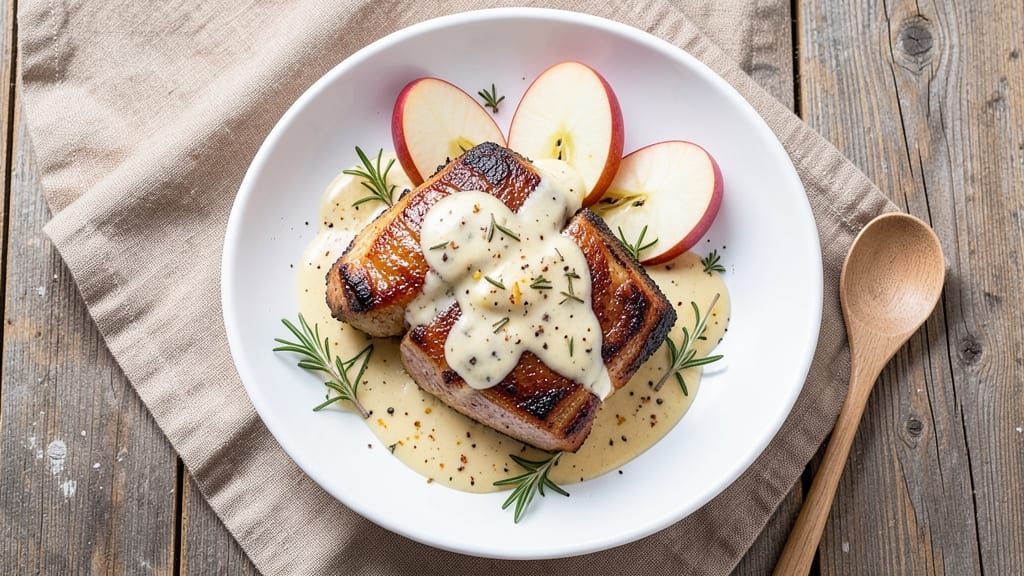
This pork medallions with apples recipe delivers restaurant-quality results in just 25 minutes—juicy, herb-crusted pork paired with a sweet-tart pan sauce that balances perfectly.
I developed this after years of perfecting quick weeknight dinners that still feel special, and the secret lies in thin-cut pork medallions that cook fast while apples caramelize beautifully in the same pan. The contrast of tender pork with the bright, slightly tangy apple sauce makes every bite unforgettable.
What sets this dish apart is the one-pan technique—no fussing with multiple dishes or complicated steps. You'll start by searing the pork to lock in juices, then add sliced apples and a splash of liquid to create that signature sauce.
The herbs and spices I use (rosemary, thyme, and a touch of mustard) elevate the flavors without overpowering the natural sweetness of the apples. It's the kind of recipe that feels indulgent but comes together effortlessly.
The result is golden-brown pork medallions with crisp edges and tender centers, served over a glossy pan sauce that clings to every bite. The apples add just the right amount of sweetness to cut through the richness of the pork, creating a perfect balance.
This dish is elegant enough for dinner guests but simple enough for a weeknight—proof that you don't need hours in the kitchen to create something impressive.
Serve with mashed potatoes or crusty bread to soak up every last drop of that luscious sauce. The technique works equally well with different apple varieties—try Honeycrisp for sweetness or Granny Smith for tartness. Let's get cooking!
Ingredients for pork medallions apple
Juicy pork medallions meet caramelized apples in this one-pan masterpiece.
| Ingredient | Amount | Notes |
|---|---|---|
| Boneless Pork Loin Medallions 🥩 | 1 ½ lb | Thin-cut, 1/2-inch thick slices |
| Honeycrisp Apples 🍎 | 2 medium | Peeled, sliced into 1/4-inch wedges |
| Unsalted Butter 🧈 | 3 tbsp | For searing and sauce |
| Fresh Rosemary 🌿 | 1 tbsp | Chopped, plus sprigs for garnish |
| Fresh Thyme 🌿 | 1 tbsp | Leaves only, chopped |
| Dijon Mustard 🍯 | 1 tbsp | For sauce depth |
| Apple Cider Vinegar 🍋 | 1 tbsp | For tangy balance |
| Granulated Sugar 🍚 | 1 tbsp | Enhances caramelization |
| Salt 🧂 | 1 tsp | Kosher or sea salt |
| Black Pepper 🌶️ | ½ tsp | Freshly ground |
| Olive Oil 🫒 | 1 tbsp | For finishing sauce |
The pork medallions are the star—look for thin-cut boneless loin at your butcher or grocery store's meat counter. Costco or Whole Foods often carry pre-sliced medallions, but if you're cutting your own, keep them even thickness for consistent cooking. The apples should be firm and crisp—Honeycrisp is ideal, but Granny Smith works too if you prefer tartness. Peeled and sliced evenly, they'll caramelize beautifully in the pan. Fresh herbs are non-negotiable here; dried just won't cut it—they're doing too much work to be compromised.
No Dijon mustard? Yellow mustard at half the amount works in a pinch, though it'll be less refined. Subbing apples? Pears or Asian pears hold up well, but texture changes slightly. The butter is crucial—don't use margarine, and if you're watching fat, olive oil for searing plus a splash of chicken broth keeps things moving. For extra depth, a pinch of smoked paprika in the sauce adds complexity without overpowering. The vinegar is what ties the sweet and savory together—don't skip it, even if you're not a fan of vinegar flavors.
Pork medallions keep best in the fridge for 2 days before cooking—wrap tightly in plastic to prevent drying. Apples should be stored in the fridge until ready to slice, then kept in cold water to maintain crispness. The cooked dish reheats beautifully—just warm the sauce gently and add a splash of water or broth to loosen. Portion into containers with sauce for 3-4 days of effortless lunches. Freeze sauce separately for up to 3 months if you want to make ahead.
Why You'll Love This Recipe
- Same effort, different vibes: serve it with crusty bread for a quick weeknight meal or fancy it up with a sprinkle of flaky salt for guests. The apples hold their shape, so it looks polished.
- One-Pan Magic: I swear by this recipe—just sear the pork, toss in sliced apples with butter and herbs, and let the oven do the work. No chopping boards left dirty, no extra pots to wash.
- Sweet-Savory Balance: That crisp Honeycrisp apple paired with rosemary and thyme? It’s like autumn in a bite—tender pork with a bright, herbal finish that sticks with you.
- Weeknight to Dinner Party: Same effort, different vibes: serve it with crusty bread for a quick weeknight meal or fancy it up with a sprinkle of flaky salt for guests. The apples hold their shape, so it looks polished.
Step-by-step instructions for sweet-tart pork medallions with apples
This method delivers perfectly seared pork with a balanced sweet-tart sauce in under 30 minutes.
Season and Sear the Pork Medallions
Pat the 1.5 lb boneless pork loin medallions dry with paper towels—this ensures maximum browning. In a small bowl, mix 1 tsp salt, 0.5 tsp black pepper, and 1 tbsp chopped fresh thyme. Rub this mixture evenly over both sides of each medallion, pressing gently to adhere.
Heat a large skillet over medium-high heat until hot. Add 2 tbsp of the 3 tbsp unsalted butter and let it melt completely. Working in batches if needed, add the pork medallions and cook for 3-4 minutes per side until they reach an internal temperature of 145°F and develop a deep golden-brown crust. Don't overcrowd the pan—this prevents even cooking. Transfer the medallions to a warm plate and tent loosely with foil to keep them warm.
Caramelize the Apples and Build the Sauce
In the same skillet (no need to wipe it clean—the browned bits add flavor), add the remaining 1 tbsp unsalted butter. Once melted, add the 2 medium peeled Honeycrisp apples, sliced into 1/4-inch wedges, and cook for 4-5 minutes until they begin to soften and release their juices. Stir occasionally to prevent sticking.
Add 1 tbsp chopped fresh rosemary, 1 tbsp granulated sugar, and 1 tbsp apple cider vinegar. Cook for another 3-4 minutes until the apples soften slightly and the mixture begins to caramelize. The sauce should thicken just enough to coat the back of a spoon—this is when you know it's ready. Sprinkle in 1 tbsp Dijon mustard and stir to combine.
Finish the Sauce and Plate
Return the pork medallions to the skillet and spoon the apple mixture over them. Let everything simmer together for 2 minutes to meld the flavors. The residual heat will finish cooking the pork slightly while infusing it with the sweet-tart sauce.
Drizzle 1 tbsp olive oil over the top and stir gently to incorporate. Taste and adjust seasoning if needed—you may want to add a pinch more salt or a splash of apple cider vinegar for brightness. Garnish with fresh rosemary sprigs for a pop of color and aroma.
Rest and Serve
Transfer the pork medallions to a warm serving platter, spooning the sauce generously over the top. Let them rest for 3-5 minutes before serving—this allows the juices to redistribute, ensuring each bite is moist and flavorful.
Serve immediately with the sauce spooned over the top or drizzled alongside. The contrast of tender, seared pork with the caramelized apple sauce creates a harmonious balance of sweet, tangy, and savory flavors. Pair with roasted potatoes or a simple green salad to complete the meal.
Pro Tips For Making Pork Medallions Apple
- SEAR THE PORK HOT: Use a screaming-hot skillet—cast iron if you’ve got it—and let those medallions develop a crust before touching them. I learned this the hard way when my first batch turned out tender but boring; high heat locks in juices while building flavor.
- SLICE APPLES THIN: Cut Honeycrisp apples into ¼-inch slices—thicker ones steam instead of caramelize. My grandmother swore by this, and she was right: uniform slices cook evenly and soak up that rosemary-thyme butter like a dream.
- SALT THE PORK TWICE: Season the medallions before searing, then again after they rest. The first layer seasons the surface, but the second—right before serving—ensures every bite has punch. (Yes, even if you’re impatient like me.)
- REST THE PORK UNDER FOIL: After searing, transfer medallions to a plate, tent loosely with foil, and let them sit for 5 minutes. Skipping this step means dry meat—no one wants that, especially when you’ve worked this hard. (Your future self will thank you.)
Serving suggestions for this dish
Classic Pairings
This dish shines with creamy mashed potatoes—their velvety texture soaks up the sweet-tart sauce beautifully. I like to use Yukon Gold potatoes boiled in their skins, then mashed with ½ cup sour cream, ¼ cup unsalted butter, and a pinch of fresh nutmeg.
The contrast of warm, buttery potatoes with the caramelized apple sauce is pure comfort food magic. 🥔
Elegant Side Dishes
For a more refined presentation, serve with sautéed wild mushrooms tossed in 1 tbsp olive oil, 2 minced garlic cloves, and a splash of white wine. The earthy flavors complement the pork perfectly.
Another winner is roasted Brussels sprouts—toss halved sprouts with 1 tbsp balsamic glaze and ½ tsp smoked paprika, then roast at 400°F for 20 minutes. The slight bitterness balances the sweetness of the apples.
Bread Options
Crusty baguette slices are my go-to for soaking up sauce. Toast them lightly in the oven with 1 tbsp olive oil and a sprinkle of sea salt, then serve alongside.
For something heartier, try honey wheat bread—its sweetness echoes the apples while the soft crumb absorbs every drop of sauce. A garlic butter dinner roll also works wonderfully, especially if you brush it with garlic-infused olive oil before serving.
Seasonal Vegetables
In fall, I love adding roasted butternut squash—cut into cubes, tossed with 1 tbsp maple syrup, ½ tsp cinnamon, and roasted at 375°F for 25 minutes. The natural sweetness harmonizes with the apples.
For spring, asparagus spears blanched for 3 minutes and finished with lemon zest add freshness. In winter, caramelized onions sautéed in 1 tbsp butter until golden create a rich, sweet base that ties everything together.
Dessert Pairings
End the meal with warm apple crisp—use the same Honeycrisp apples tossed with ½ cup rolled oats, ¼ cup brown sugar, and 2 tbsp cinnamon, then baked until bubbly. The residual apple flavors tie the meal together beautifully.
For something lighter, vanilla bean ice cream with a drizzle of caramel sauce provides a creamy contrast. A simple cheese plate with aged cheddar, brie, and walnuts also works if you want to keep it savory.
Beverage Recommendations
A crisp dry Riesling from Germany cuts through the richness of the pork while complementing the apples. I also love sparkling apple cider—its effervescence cleanses the palate between bites. For beer lovers, a Belgian witbier like Stella Artois offers citrusy notes that mirror the vinegar in the sauce.
If you prefer something stronger, a light-bodied red like Pinot Noir pairs beautifully with the dish’s balanced flavors.
Nutrition facts
Frequently asked questions
Can I use frozen apples instead of fresh?
Fresh apples work best for this recipe because they caramelize beautifully and maintain their texture. However, if you must use frozen apples, thaw them first and pat them completely dry before slicing. The excess moisture can dilute your sauce and prevent proper browning. For best results, stick with fresh apples when possible.
How do I adjust the recipe for a crowd?
Double the recipe easily by using a larger skillet or working in batches. For 8 servings, increase the pork to 3 lbs and apples to 4 medium, keeping the same proportions. Use 2 skillets or a grill pan to maintain even cooking. The sauce will be more abundant—simply adjust the 1 tbsp olive oil to 2 tbsp for finishing.
What if my pork medallions are thicker than ½-inch?
Thicker medallions (up to ¾-inch) will take longer to cook. Sear as directed, then reduce heat to medium-low and cook an additional 2-3 minutes per side until the internal temperature reaches 145°F. Avoid overcooking—they’ll continue to carryover cook after resting. For even thickness, ask your butcher to slice them for you.
Can I make this recipe ahead of time?
Cook the pork medallions and apples separately, then store them in the fridge for up to 2 days. Reheat gently in a skillet with a splash of broth or apple juice to revive the sauce. For a more hands-off approach, prepare the sauce ahead and reheat it separately—simply toss the warm pork medallions in the sauce just before serving.
What's the best apple variety for this dish?
Honeycrisp apples are ideal—they balance sweetness and tartness perfectly. For a tangier profile, use Granny Smith, while Fuji adds a milder sweetness. Avoid overly soft varieties like Gala, as they won’t hold up well during cooking. Pro tip: Peeled apples caramelize more evenly, but leave the skin on for added texture if you prefer.