
Sauces & Condiments
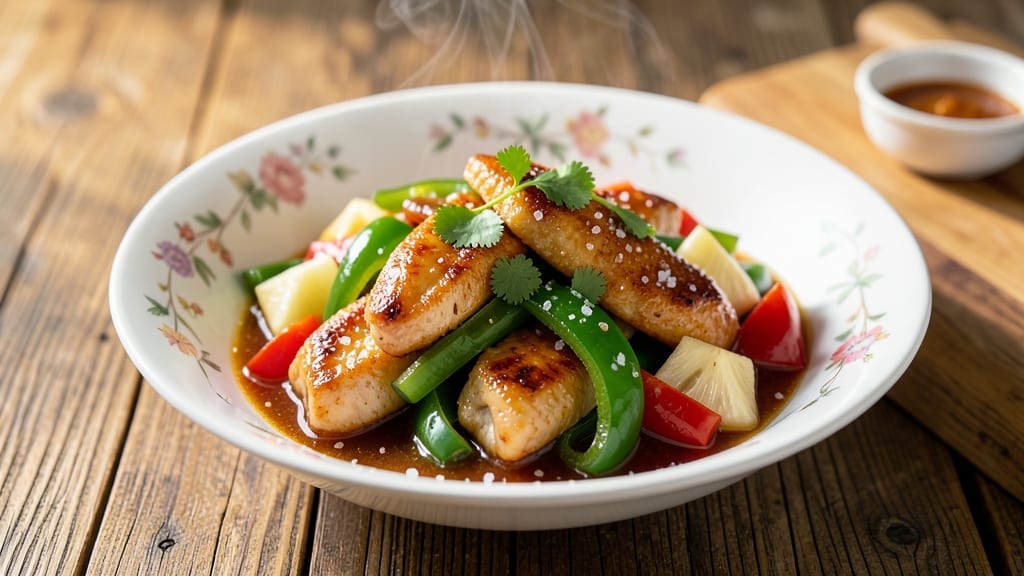
This Chinese sweet and sour sauce with pineapple juice delivers the perfect balance of tangy, sweet, and umami flavors in just 15 minutes. The pineapple juice adds a bright, tropical twist that elevates classic stir-fries, spring rolls, or grilled meats.
I developed this recipe after years of testing—it’s the one sauce that consistently delivers restaurant-quality results at home.
The secret lies in the right ratio of ingredients: tangy vinegar, sweet ketchup, and pineapple juice create a vibrant base, while soy sauce and garlic powder add depth. A quick simmer reduces the sauce to the ideal consistency—thick enough to coat proteins but still glossy and inviting.
Unlike store-bought versions, this recipe avoids artificial additives, using real fruit and spices for authentic flavor.
What you’ll end up with is a glossy, aromatic sauce that’s versatile enough for any dish—drizzled over crispy tofu, tossed with stir-fried vegetables, or served as a dipping sauce for spring rolls.
The pineapple juice prevents the sauce from becoming too heavy, keeping each bite light and refreshing. Once you taste this homemade version, you’ll never go back to bottled again.
Best of all, this sauce keeps well in the fridge for up to one week, making it perfect for meal prep. Double the batch and store it for quick weeknight dinners. Let’s get cooking—your taste buds will thank you.
Ingredients for chinese sweet and sour sauce recipe pineapple juice
Nine bold flavors come together in this restaurant-style sauce—bright, tangy, and packed with umami.
| Ingredient | Amount | Notes |
|---|---|---|
| Pineapple Juice 🍍 | ¾ cup | Freshly squeezed preferred |
| White Vinegar 💧 | ½ cup | Distilled for tanginess |
| Ketchup 🍅 | ½ cup | High-quality, no artificial additives |
| Soy Sauce 🍜 | ½ cup | Light or all-purpose |
| Brown Sugar 🍚 | ½ cup | Packed firmly |
| Garlic Powder 🧄 | 1 tbsp | Freshly ground preferred |
| Ground Ginger 🌿 | ½ tsp | Freshly grated ginger works too |
| Cornstarch 🌾 | 1 tbsp | For thickening |
| Water 💧 | ¼ cup | For thinning as needed |
| Sesame Oil 🫒 | 1 tsp | Toasted sesame oil for aroma |
Pineapple juice is the star here—Dole or Del Monte cans work perfectly, but fresh is ideal if you've got it. Grab light soy sauce for the best balance, and skip the high-sodium versions. Brown sugar adds depth, so don’t sub white—it dissolves better and caramelizes slightly. For garlic powder, Penzeys or the bulk section at Whole Foods have the freshest ground options. The cornstarch is non-negotiable for that perfect glossy finish—no substitutes here, trust me on this!
No pineapple juice? Mango nectar or orange juice works in a pinch, but it’ll taste different. Vinegar too strong? Apple cider vinegar is milder. Running low on ketchup? Tomato paste thinned with water gets you close. Fresh ginger? Use twice the amount of ground ginger. Sesame oil giving you sticker shock? Toasted sesame oil from Trader Joe’s is budget-friendly and still delivers that nutty aroma. The sauce should coat the back of a spoon—if it’s too thick, add water one teaspoon at a time.
This sauce keeps beautifully—1 week in the fridge sealed tightly. Double the batch and freeze half in ice cube trays for quick stir-fry boosts later. The flavors actually improve overnight as everything melds. For extra shine, add a splash of water before serving. And if you’re feeling fancy, garnish with a sprinkle of toasted sesame seeds—they add crunch and visual appeal that takes it to the next level.
Why You'll Love This Recipe
- Pantry Magic: I swear by this sauce—no special shopping required. Grab pineapple juice, ketchup, and soy sauce from your shelves, toss in vinegar and brown sugar, and boom. That tangy-sweet balance comes together faster than takeout delivery.
- Taste That Sticks: Honestly, the pineapple juice cuts through the richness like a bright summer breeze. The vinegar keeps it sharp while the brown sugar rounds out the edges—it’s the kind of flavor that makes you pour extra on everything.
- Weeknight Wonder: Between us, this is my go-to when I’m too tired to cook. Drizzle it over chicken, toss it with veggies, or even use it in a stir-fry. It’s the ultimate “I’ll make it work” sauce when dinner feels like a chore.
- Budget-Friendly Staple: I’ve made gallons of this stuff for under $5. The ingredients last forever, and leftovers? They’re just as good the next day—perfect for meal prep or feeding a crowd without breaking the bank.
Step-by-step instructions for Chinese sweet and sour sauce
This sauce comes together faster than you can say "umami explosion"—let's make it!
Whisk Together the Wet Ingredients
In a medium saucepan, combine the 0.75 cup pineapple juice, 0.5 cup white vinegar, 0.5 cup ketchup, 0.5 cup soy sauce, and 0.5 cup brown sugar. Stir over medium heat until the sugar dissolves completely—you'll see it transform from grainy to smooth. This step is crucial because dissolved sugar ensures even flavor distribution throughout the sauce.
Here's the thing—don't rush this. Let the mixture bubble gently for 3-4 minutes while you whisk continuously. You want to see the sugar fully integrate and the colors start blending into a rich, reddish-orange hue. The vinegar will make the mixture smell sharp at first, but trust me, it'll mellow out beautifully as we cook.
Add Aromatics and Simmer
Reduce the heat to low and sprinkle in the 1 tablespoon garlic powder and 0.5 teaspoon ground ginger. Stir well to distribute these spices evenly throughout the sauce. Now's where the magic happens—let the mixture simmer for 5-7 minutes until it thickens slightly and the aroma becomes irresistibly tangy-sweet.
Watch for the sauce to reduce by about 20%—it should coat the back of a spoon when you run your finger through it. If it thickens too quickly, add 1 tablespoon of the reserved water to maintain balance. The garlic and ginger will infuse their warmth into the sauce, creating that signature sweet and sour harmony we're after.
Thicken with Cornstarch Slurry
In a small bowl, whisk together the 1 tablespoon cornstarch and 0.25 cup water until completely smooth. This is your thickening agent—add it to the simmering sauce all at once while stirring constantly. You'll notice an immediate change as the sauce begins to thicken dramatically.
Keep stirring for another 2-3 minutes until the sauce reaches your desired consistency—it should coat a spoon but still be pourable. If it's too thick, add more water 1 teaspoon at a time until you achieve that perfect balance between glossy and spreadable. The sauce should be glossy enough to cling to proteins but still flow smoothly.
Finish with Sesame Oil
Remove the sauce from heat and let it cool for 1-2 minutes. This resting period allows the flavors to meld completely. Then, stir in the 1 teaspoon sesame oil—this is what gives the sauce its authentic aroma and depth of flavor. The oil will create a beautiful sheen on top and add that nutty, toasty note that makes this sauce truly special.
Taste and adjust the balance—need more sweetness? Add a pinch of brown sugar. Too tangy? A splash of pineapple juice helps. The sauce should sing with bright, balanced flavors that make your taste buds dance. Let it cool completely before using, as the consistency will thicken further as it sits.
Pro Tips For Making Chinese Sweet And Sour Sauce Recipe Pineapple Juice
- Simmer the Vinegar First: I learned this the hard way—adding vinegar straight to hot ketchup makes the sauce curdle like cottage cheese. Instead, heat the vinegar alone for 30 seconds until it steams, then pour it into the ketchup while stirring like your life depends on it. The heat breaks down the acidity gradually, keeping everything smooth.
- Use Fresh Pineapple Juice: Canned pineapple juice has that weird, overly sweet aftertaste that ruins the balance. If you’re using bottled juice, at least pick one with no added sugar—like Del Monte’s plain version. Or, for real depth, blend fresh pineapple chunks, strain, and reduce the liquid by half on low heat. The extra effort makes the sauce taste like it came from a dim sum cart.
- Balance the Sugar Gradually: Dumping all the brown sugar at once turns your sauce into syrup. Instead, add half the sugar first, taste, then adjust. The pineapple juice and vinegar will mellow out over time, so you might need less sugar than the recipe says—especially if your ketchup is already sweet. Trust your tongue, not the instructions.
- Skip the Soy Sauce Until the End: Adding soy sauce early darkens the sauce and makes it taste bitter before it’s ready. My grandmother swore by this: stir in the soy sauce only in the last 2 minutes of simmering. It’ll deepen the umami without overpowering the bright, tangy flavors you’re working so hard to build. (Yes, even if you’re impatient like me.)
Dietary considerations for this chinese sweet and sour sauce recipe pineapple juice
Gluten-Free Adaptations
This sauce is naturally gluten-free if you use a certified gluten-free soy sauce like Kikkoman Gluten-Free Tamari or San-J Tamari. Swap regular soy sauce for one of these brands to maintain the same umami depth without gluten.
The pineapple juice and vinegar remain gluten-free, so you're only changing one ingredient. Always check labels—some ketchups contain hidden gluten, so opt for Heinz Gluten-Free Ketchup or Organicville brands. 🌱
Low-Sugar Options
For a lower-sugar version, reduce the brown sugar to 2 tablespoons and add 1 tablespoon of honey or maple syrup instead. The natural sweetness of pineapple juice will help balance the tanginess.
If you're avoiding sugar entirely, use monk fruit sweetener (about 1 tablespoon)—it dissolves well and won’t alter the sauce’s texture. Taste as you go, since different sweeteners behave differently when heated.
Vegan-Friendly
This sauce is already vegan-friendly as written! All ingredients—pineapple juice, vinegar, ketchup (check for vegan labels), soy sauce, brown sugar, garlic powder, ginger, cornstarch, and sesame oil—are plant-based. For extra assurance, verify your ketchup and soy sauce brands. Annie’s Organic Ketchup and Primal Kitchen Soy Sauce are both vegan-certified options.
The sauce’s vibrant color and tangy-sweet balance make it perfect for vegan stir-fries or dumplings.
Allergy Considerations
For nut allergies, avoid sesame oil and substitute with 1 teaspoon of neutral oil (like avocado or canola) to maintain the sauce’s glossy finish. If you’re avoiding corn (for gluten-free or corn allergy concerns), replace the cornstarch with 1 tablespoon of arrowroot powder mixed with water—it thickens just as effectively.
Always double-check all ingredient labels, especially for hidden allergens in ketchup or soy sauce. 🚨
Keto-Friendly Tweaks
To make this sauce keto-friendly, skip the brown sugar entirely and use 1 tablespoon of erythritol or stevia instead. The pineapple juice provides natural sweetness, so you might not need any sweetener at all—just taste and adjust.
For extra richness, add 1 teaspoon of coconut aminos alongside the soy sauce. This version keeps the tangy, umami profile while cutting carbs. Pair it with keto-friendly proteins like chicken or shrimp for a low-carb meal.
Nutrition facts
Frequently asked questions
Can I substitute pineapple juice with another fruit juice?
Yes, but the flavor will change slightly. For best results, use orange juice or mango nectar—they add sweetness without overpowering the tang. Avoid apple juice (too mild) or cranberry juice (too tart). If using mango, reduce the brown sugar by 1 tablespoon since it's naturally sweeter.
How do I adjust the sweetness level?
Start with the recipe as written, then taste before serving. Need more sweetness? Add 1 teaspoon brown sugar at a time. Too sweet? Balance it with 1 teaspoon extra white vinegar or 1 tablespoon pineapple juice. The sauce should have a bright, balanced tang—like biting into a ripe pineapple with a hint of zing!
Can I make this sauce without cornstarch?
Use 1 tablespoon arrowroot powder or 1 teaspoon xanthan gum mixed with water instead. For a grain-free option, simmer the sauce longer (10-12 minutes) to reduce naturally—just stir constantly to prevent burning. The texture will be slightly thinner but still flavorful.
What’s the best way to store leftover sauce?
Transfer to an airtight container and refrigerate for up to 1 week. For longer storage, freeze in ice cube trays—thaw overnight in the fridge before using. If the sauce thickens when cold, add 1 teaspoon water to restore consistency. Pro tip: Label with the date to track freshness!
Why did my sauce turn out too thick?
This usually happens if you simmered too long or added too much cornstarch. To fix it, whisk in 1 teaspoon water at a time until smooth. For next time, reduce simmering time to 5 minutes and add cornstarch slurry gradually. If the sauce separates, stir vigorously over low heat for 1-2 minutes to re-emulsify.