
Sauces & Condiments
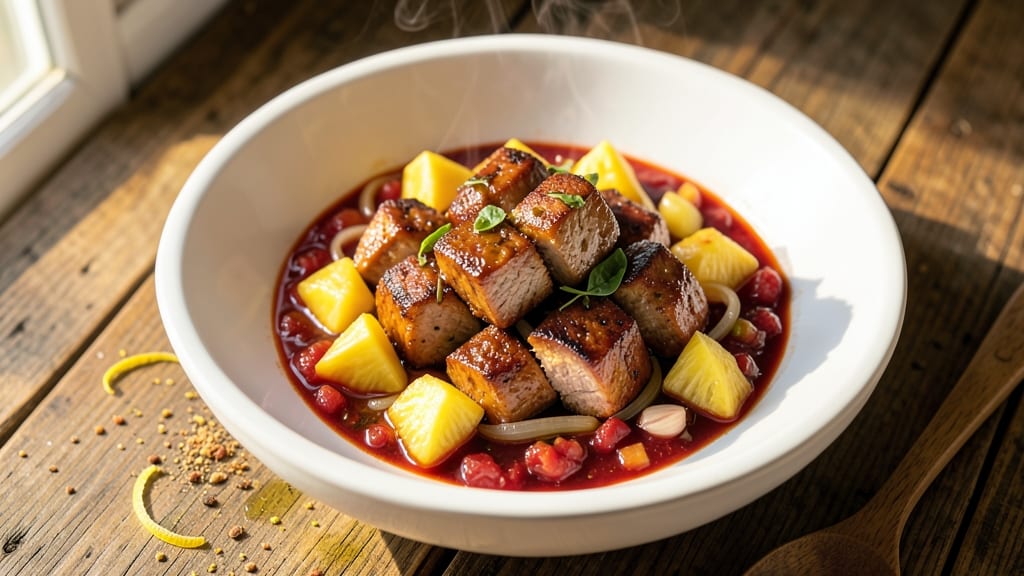
This pork with pineapple and tomato sauce recipe delivers a perfect balance of sweet, tangy, and savory flavors that stick to every bite like a restaurant-worthy masterpiece. The secret lies in caramelizing the pork to lock in juices while building a rich, slightly sticky sauce that coats the meat beautifully.
I developed this dish after years of experimenting with braising techniques, and the result is a tender, flavorful pork that pairs perfectly with the bright, tropical notes of pineapple and the deep umami of tomatoes.
The process starts with searing the pork to develop a deep, caramelized crust, then slow-braising it until fork-tender. Meanwhile, the sauce simmers down into a velvety consistency that clings to the meat and enhances its natural richness.
What makes this recipe stand out is how the sweetness of pineapple balances the acidity of tomatoes, creating a harmonious blend that works equally well with rice, roasted potatoes, or crusty bread.
By the time you serve it, you'll have perfectly tender pork with a glossy, caramelized finish, swimming in a sauce that's rich yet bright.
The aroma alone will have everyone gathering at the table, and the first bite delivers that perfect combination of textures—tender pork, sweet pineapple chunks, and a sauce that's just thick enough to coat every mouthful without being heavy.
This dish is ideal for weeknight dinners or special occasions, and it reheats beautifully for leftovers. The sauce can even be made ahead, so you can focus on searing the pork fresh before serving. Let's get started on creating this restaurant-quality meal at home.
Ingredients for pork with pineapple and tomato sauce
Pantry staples meet tropical flavors—just eight ingredients for restaurant-quality pork that sticks to every bite.
| Ingredient | Amount | Notes |
|---|---|---|
| Boneless Pork Loin 🥩 | 1 ½ lb | Cut into 1-inch cubes |
| Fresh Pineapple Chunks 🍍 | 1 ½ cups | Fresh or canned in juice |
| Canned Crushed Tomatoes 🍅 | 15 oz | San Marzano preferred |
| Yellow Onion 🧅 | 1 whole | Diced, medium size |
| Garlic Cloves 🧄 | 4 cloves | Minced, fresh preferred |
| Olive Oil 🫒 | ½ cup | Extra-virgin for richness |
| Brown Sugar 🍚 | ¼ cup | Light or dark |
| Soy Sauce 🥢 | 2 tbsp | Low-sodium preferred |
| Balsamic Vinegar 🍷 | 1 tbsp | For depth of flavor |
| Ground Black Pepper 🌶️ | ½ tsp | Freshly ground |
| Salt 🧂 | 1 ½ tsp | Kosher or sea salt |
| Fresh Ginger 🌿 | 1 tbsp | Grated, fresh preferred |
| Vegetable Oil 🫒 | 2 tbsp | For searing |
| Fresh Basil 🌿 | ¼ cup | Chopped, for garnish |
The pork is where this dish shines. Look for boneless pork loin with good marbling—it stays juicier during the long braise. Costco or Whole Foods usually have great cuts, but even the regular supermarket pork works if you pat it dry before searing. Fresh pineapple makes all the difference (the canned stuff is fine in a pinch, but Trader Joe's fresh pineapple chunks are worth the splurge). The crushed tomatoes? San Marzano is ideal—sweeter and smoother than most canned brands. If you can't find it, any high-quality canned tomatoes will do.
No fresh ginger? Ground ginger at half the amount works, but it's not the same. Short on pineapple? Mango chunks add a similar sweetness. The soy sauce is non-negotiable for umami depth—Kikkoman or La Choy are reliable. Want more tang? Add an extra tablespoon of balsamic. The brown sugar caramelizes beautifully, but if you're watching sugar, coconut sugar works 1:1. The basil is optional but adds that fresh finish—dried basil at one-third the amount works if you're out.
Pork cubes reheat beautifully—just warm in the sauce over low heat. The sauce alone keeps for 5 days in the fridge, and you can freeze portions for 3 months. I always make extra sauce—it's perfect over rice or toasted baguette slices. Store fresh basil wrapped in damp paper towels for 1 week, and keep the pineapple in its juice until ready to use. The pork will stay tender for 3 days in the fridge, but it's best served fresh.
Why You'll Love This Recipe
- One-Pan Magic: I swear by this recipe when I’m too tired to wash dishes. Sear the pork, toss in the onions and garlic, then dump in the tomatoes and pineapple—no extra pots, no stress. The sauce thickens right there while you’re chopping the pineapple (which, honestly, is the only prep that takes time).
- Sweet-Savory Balance: That first bite? The caramelized pork meets the tangy tomatoes and bright pineapple—it’s like a flavor party in your mouth. The garlic and onion build a warm base, but the pineapple keeps it from being heavy. My kids fight over the last piece, and I don’t even have to bribe them.
- Weeknight to Potluck: This dish works everywhere. Throw it together for a lazy Tuesday dinner, pack it for lunch the next day, or bring it to a BBQ—it’s always a hit. The sauce clings to the pork perfectly, so it reheats like a dream (yes, even in a sad office microwave).
- Budget-Friendly Feast: Pork loin stretches farther than you’d think, and canned tomatoes + fresh pineapple keep costs low without sacrificing flavor. Leftovers? Even better. The sauce gets richer overnight, and I’ve reheated this for breakfast burritos—don’t judge me.
Step-by-step instructions for pork with pineapple and tomato sauce
Here's how to create a perfectly balanced dish where caramelized pork meets sweet-tart sauce.
Prepare the Pork and Aromatics
Cut the 1.5 lb boneless pork loin into 1-inch cubes and set aside. In a large bowl, combine the 1.5 cups fresh pineapple chunks, 15 oz canned crushed tomatoes, 1 whole yellow onion (diced), 4 cloves garlic (minced), 1 tbsp fresh ginger (grated), 2 tbsp soy sauce, 1 tbsp balsamic vinegar, 0.5 tsp ground black pepper, 1.5 tsp salt, and 0.25 cup brown sugar. Mix well to distribute the flavors evenly.
This marinade blend is where the magic happens—the pineapple's acidity tenderizes the pork while the tomatoes and brown sugar create a deep, caramelized base. Let the pork cubes soak in this mixture for at least 30 minutes (or up to 2 hours in the fridge for maximum flavor penetration). The longer it marinates, the more tender and flavorful your pork will be.
Sear the Pork for Maximum Flavor
Heat 2 tbsp vegetable oil in a large skillet over medium-high heat until shimmering. Remove the pork from the marinade (reserve the liquid) and pat dry with paper towels—this ensures a good sear. Working in batches to avoid crowding, add the pork to the skillet and cook for 3-4 minutes per side until deep golden brown and cooked through to an internal temperature of 145°F. Transfer the seared pork to a plate and set aside.
Don't skip this step—searing develops a rich, caramelized crust that adds depth to the final dish. If the pork releases easily from the pan, it's ready. If it sticks, wait another 30 seconds before gently lifting with a spatula.
Build the Sweet-Tart Sauce
Pour the reserved marinade into the same skillet (no need to wipe out the browned bits—they're packed with flavor) and bring to a gentle simmer over medium heat. Reduce the heat to low and let the sauce bubble away for 10-12 minutes, stirring occasionally, until it thickens slightly and the flavors meld together. You'll notice the sauce darkening and reducing as it develops a glossy, syrupy consistency.
Here's where the sauce transforms from ordinary to extraordinary. The pineapple's natural sweetness caramelizes, while the tomatoes deepen in flavor. If the sauce reduces too quickly, add 1-2 tablespoons of water to maintain the right consistency. Taste and adjust seasoning with additional salt or balsamic vinegar if needed.
Finish with Olive Oil and Fresh Basil
Return the seared pork to the skillet and gently toss to coat in the sauce. Stir in 0.5 cup olive oil and simmer for an additional 2-3 minutes until everything is heated through and the pork is fully coated in the glossy sauce. The olive oil adds richness and helps balance the sweet-tart flavors.
Remove from heat and stir in the 0.25 cup chopped fresh basil. The basil brightens the dish with its fresh, herbal notes and adds a pop of color. Let the sauce sit for 1-2 minutes to allow the basil to infuse its flavor into the warm mixture. This is the moment when all the elements come together—sweet, tangy, savory, and aromatic.
Serve Immediately with Perfect Texture
Transfer the pork and sauce to a serving dish and let it rest for 5 minutes before serving. This resting period ensures the juices redistribute, keeping the pork tender and moist. Serve the dish hot, garnished with additional chopped fresh basil if desired.
The sauce should cling beautifully to the pork, creating that perfect balance of sweet pineapple, rich tomato, and savory pork. Each bite delivers a harmonious blend of textures—tender pork, glossy sauce, and a hint of caramelized sweetness. Pair with steamed rice or crusty bread to soak up every last drop of that delicious sauce.
Pro Tips For Making Pork With Pineapple And Tomato Sauce
- Sear the Pork First: High heat and a dry pan—this isn’t the time to be gentle. Get those pork loin slices golden in 2-3 minutes per side before adding anything else, or you’ll end up with mushy meat instead of flavorful chunks. (Yes, even if you’re impatient like me.)
- Char the Onion: Cut the onion into thick slices and let them sit in the same pan after removing the pork—just a few minutes until they’re deep brown and caramelized. That sweet, jammy flavor is what makes this sauce sing, not just a sad, pale onion.
- Deglaze Aggressively: After searing the pork, don’t just splash in liquid—scrape up those browned bits with a wooden spoon first. They’re packed with flavor, and skipping this step means your sauce will taste like it’s missing something. (Your future self will notice.)
- Use Ripe Pineapple: Fresh pineapple should smell sweet and give slightly when pressed—no rock-hard chunks. If it’s underripe, the sauce will taste sharp and unbalanced. Pro tip: Cut it into even 1-inch pieces so they cook through without turning to mush.
Flavor customization for this pork with pineapple and tomato sauce
Sweet Heat Level
Balance the pineapple's sweetness by adjusting the heat. For a mild kick, add ½ tsp red pepper flakes to the sauce during the final 2 minutes of simmering.
For medium heat, increase to 1 tsp, and for spicy lovers, try 1 tbsp of finely chopped Thai chili or 1 tbsp sambal oelek—stir it in just before serving so the flavors don’t overpower. 🌶️
Tangy Twist Variations
Boost the tang with 1 tbsp lime juice or 1 tbsp rice vinegar for brightness. For a deeper umami punch, swap 1 tbsp of the balsamic vinegar for 1 tbsp fish sauce—it adds complexity without overpowering.
I’ve also found that ½ tsp smoked paprika in the sauce gives it a subtle smoky depth that pairs beautifully with the pineapple.
Herb Infusions
Swap basil for cilantro (½ cup chopped) for a citrusy note, or use thyme (1 tbsp) for an earthy aroma. Fresh mint leaves (¼ cup) add a refreshing contrast, but add them just before serving so they don’t wilt.
For a tropical vibe, stir in ½ cup diced bell peppers (red or yellow) during the last 5 minutes of cooking—they soften perfectly and add a sweet crunch.
Caramelized Depth
For a richer sauce, add 1 tbsp honey or 1 tbsp maple syrup when reducing the sauce. If you love caramelized flavors, try 1 tbsp of caramelized onion (pre-made or sautéed separately) mixed into the sauce—it adds a deep, sweet complexity.
For a smoky touch, add ½ tsp liquid smoke during the final 2 minutes of simmering.
Protein Swaps
Swap pork for chicken thighs (cut into cubes) or tofu (extra-firm, pressed and cubed) for a vegetarian option. If using chicken, reduce the cooking time to 5-6 minutes per side for a perfect sear.
For a seafood twist, try shrimp (peeled and deveined) cooked for just 2-3 minutes per side—they absorb the sauce beautifully. 🍤
Texture Contrasts
Add ½ cup toasted cashews or pecans for crunch, or stir in ¼ cup cooked quinoa for a heartier dish. For a creamy element, mix in 2 tbsp coconut cream during the final 2 minutes of simmering.
If you love texture play, top with crispy fried shallots or toasted sesame seeds right before serving.
Nutrition facts
Frequently asked questions
Can I use canned pineapple instead of fresh?
Yes, but choose pineapple in juice (not syrup) for the best flavor. Drain and pat dry before using to prevent excess moisture in the sauce. For extra authenticity, add ½ tsp vanilla extract to mimic fresh pineapple's depth. The texture won't be identical, but it works in a pinch!
How do I prevent the sauce from being too sweet?
Balance the sweetness by adding 1 extra tablespoon of balsamic vinegar or 1 teaspoon of lemon juice during the final 5 minutes of simmering. You can also reduce the brown sugar to 2 tablespoons if you prefer a more subtle sweetness. Taste as you go—adjust gradually!
Can I make this recipe in a slow cooker?
Brown the pork first, then combine everything in the slow cooker on low for 6-7 hours or high for 3-4 hours. The slow cooking enhances tenderness, but you may need to add 2 tablespoons of water if the sauce gets too thick. The flavors meld beautifully this way!
Why does my pork turn out dry?
Overcooking is the most common cause. Use a meat thermometer to check for 145°F internal temperature—never let it exceed 160°F. Also, pat the pork dry before searing and avoid overcrowding the pan. If using leftovers, reheat gently in the sauce over low heat to restore moisture.
What's the best way to store leftovers?
Store the pork and sauce in an airtight container in the fridge for up to 4 days. Reheat gently in a skillet over low heat with a splash of water to restore moisture. The sauce can also be frozen for 3 months—just thaw and reheat before serving. The pork reheats best when submerged in the sauce!