
Sauces & Condiments
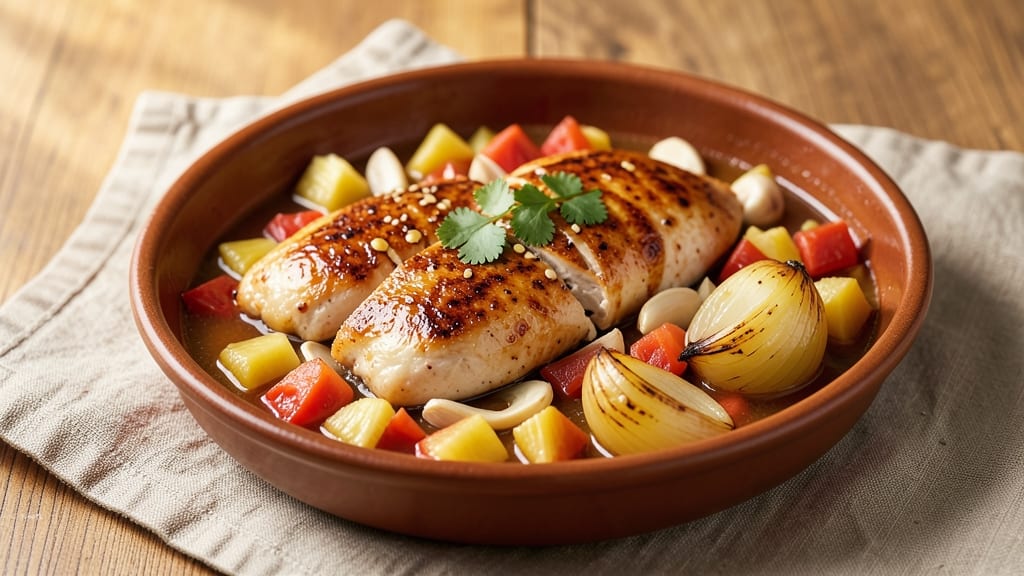
This chicken pineapple tomato sauce transforms grilled dishes into tropical masterpieces with its bold sweet-tart balance and velvety texture. 🌟 The secret lies in simmering fresh pineapple chunks with ripe tomatoes until they break down into a luscious, aromatic base, then blending with tender chicken stock and aromatic spices for depth.
Perfect for drizzling over grilled chicken, fish, or even as a marinade, this sauce delivers restaurant-quality flavor with minimal effort.
The foundation starts with a simple yet flavorful combination: juicy pineapple, ripe tomatoes, and aromatic garlic, ginger, and onion. As these ingredients simmer, their natural sugars caramelize, creating a rich, glossy sauce that’s both sweet and tangy.
The addition of chicken stock ensures the sauce remains balanced and luscious, while a touch of soy sauce or fish sauce adds umami depth—critical for that professional finish. This isn’t just a sauce; it’s a flavor bomb that elevates any dish.
What sets this sauce apart is its versatility. Use it as a glaze for grilled meats, a dipping sauce for spring rolls, or even a marinade for skewers. The sauce thickens beautifully as it cools, making it ideal for meal prep—just reheat gently to restore its glossy sheen.
With just 15 minutes of active prep and 30 minutes of simmering, you’ll have a batch that keeps for up to 5 days in the fridge or 3 months in the freezer, ready to transform your next meal.
For an extra layer of complexity, finish with a splash of lime juice or a sprinkle of fresh herbs like cilantro or Thai basil. The acidity brightens the sauce, while the herbs add freshness that cuts through the richness.
This isn’t just a sauce—it’s a flavor experience that turns ordinary grilling into an exotic feast. Let’s get cooking!
Ingredients for chicken pineapple tomato sauce
Tropical flavors meet umami depth in this velvety sauce—simple ingredients, bold results.
| Ingredient | Amount | Notes |
|---|---|---|
| Fresh Pineapple Chunks 🍍 | 1 ½ cups | Juicy, ripe pineapple preferred |
| Ripe Tomatoes 🍅 | 1 lb | Roma or vine-ripened for best texture |
| Garlic Cloves 🧄 | 6 cloves | Freshly minced for aromatic depth |
| Fresh Ginger 🌿 | 2 tbsp | Finely grated, about 1 oz |
| Yellow Onion 🧅 | ½ whole | Diced, medium-sized preferred |
| Chicken Stock 🍲 | 1 cup | Low-sodium preferred for balance |
| Soy Sauce 🥢 | 1 tbsp | Light or dark, for umami depth |
| Fish Sauce 🐟 | 1 tsp | Optional, for extra umami |
| Extra-Virgin Olive Oil 🫒 | 2 tbsp | For sautéing and finishing |
| Fresh Lime Juice 🍋 | 1 tbsp | Brightens the sauce at the end |
| Brown Sugar 🍚 | 1 tbsp | Balances sweet-tart flavor |
| Fresh Cilantro 🌿 | ¼ cup | Chopped, optional garnish |
| Salt 🧂 | 1 tsp | Kosher or sea salt preferred |
| Black Pepper 🌶️ | ½ tsp | Freshly ground for warmth |
The pineapple and tomatoes are non-negotiable here. Look for ripe pineapple with no bruising—the sweeter, the better. Trader Joe's or Costco often have pre-cut chunks, but whole pineapple is cheaper. For tomatoes, Roma or vine-ripened break down beautifully during simmering. Fresh ginger? Peel it first, then grate it—no need to measure precisely. The garlic and onion form the aromatic base, so don't skimp on the mincing. If you're using pre-minced garlic from a jar, rinse it first to remove excess liquid.
No fish sauce? Extra soy sauce plus a pinch of sugar works in a pinch. Short on fresh ginger? Ground ginger at half the amount, but it won't have the same punch. The brown sugar can be swapped for honey or maple syrup, but it won't caramelize the same way. For a deeper umami kick, mushroom powder or miso paste adds complexity without overpowering. If you're making this ahead, skip the lime juice until serving—it prevents the sauce from thickening properly.
This sauce thickens as it cools, so store it in a sealed jar in the fridge—it'll be perfect for drizzling the next day. Keeps for 5 days refrigerated or 3 months frozen. For freezing, portion into ice cube trays—just pop out what you need. Reheat gently on the stove or microwave until just warmed through. The lime juice and cilantro should be added right before serving—they keep the sauce vibrant and prevent bitterness from over-simmering.
Why You'll Love This Recipe
- No-Chop Nightmare: I swear by this recipe on the nights I’m too tired to julienne ginger. Just grate it—no peeling, no fuss—and toss it straight into the pan with the onions. The pineapple’s sweetness carries the whole dish, so even if your knife skills are rusty, it’ll taste like you slaved over it.
- Sweet-Savory Magic: That first bite where the caramelized onions meet the tangy tomatoes and the garlic’s heat lingers? It’s the kind of balance that makes you pause mid-spoonful. The pineapple’s acidity cuts through the richness, and the ginger adds this bright, almost floral kick that keeps it from being heavy.
- Leftover Reinvention: Make a double batch and freeze half—this sauce transforms into stir-fries, pasta, or even a quick soup base. I’ve turned it into a breakfast scramble with eggs and toast (yes, really) and had my kids beg for seconds. It’s the kind of versatile sauce that turns bored meals into something exciting.
- Budget Bright Spot: Fresh pineapple and tomatoes might seem pricey, but they stretch further than you’d think. A single pineapple and a handful of tomatoes feed four, and the rest of the ingredients are pantry staples. Honestly, it’s one of those recipes where the flavor feels luxurious, but the grocery bill doesn’t scream.
Step-by-step instructions for tropical sweet-tart glaze
This vibrant sauce comes together in one pot with bold flavors you'll want to drizzle everywhere.
🍳 Step 1: Sauté Aromatics Until Fragrant
Heat the 2 tablespoons extra-virgin olive oil in a large saucepan over medium heat. Add the ½ whole yellow onion and cook for 3-4 minutes until softened and translucent. This is your flavor foundation—don't rush it.
Add the 6 cloves garlic and 2 tablespoons fresh ginger, stirring constantly for 30 seconds until the garlic turns golden and aromatic. Here's the thing—garlic burns fast, so keep your eye on the pan. The moment it smells heavenly is when you're ready for the next step.
🍳 Step 2: Build the Sauce Base with Tomatoes
Toss in the 1 lb ripe tomatoes, cutting them into chunks if they're large. Add the 1 tablespoon soy sauce, 1 teaspoon fish sauce, and 1 teaspoon salt. Let everything simmer for 8-10 minutes until the tomatoes break down into a chunky sauce and the liquid reduces by about half.
I like to press the tomatoes with a wooden spoon occasionally to help them break down faster. You want that natural sweetness to concentrate—this is where the sauce gets its rich, tangy backbone. The mixture should smell like a tropical storm of garlic, ginger, and tomato.
🍳 Step 3: Add Sweet-Tart Elements
Stir in the 1.5 cups fresh pineapple chunks and 1 tablespoon brown sugar. Let the mixture cook for another 5 minutes until the pineapple softens slightly but still holds its shape. You're balancing sweet and tart here—the pineapple's acidity cuts through the sugar while adding tropical brightness.
Here's where it gets fun—taste the sauce now. It should be sweet, tangy, and slightly salty. If it needs more depth, add a pinch more salt or a splash of chicken stock. The sauce should coat the back of a spoon but still have some body to it.
🥘 Step 4: Finish with Lime and Stock
Pour in the 1 cup chicken stock and bring to a gentle simmer. Let it cook for 5 minutes to meld all the flavors. Then add the 1 tablespoon fresh lime juice—this is crucial for that bright, finishing touch that makes the sauce pop.
Simmer for another 3-4 minutes until the sauce thickens slightly. If it's too thick, add a splash more stock. The final consistency should be like a glossy, clingy glaze—thick enough to coat chicken but still pourable. Taste again and adjust seasoning if needed.
🔪 Step 5: Garnish and Serve
Remove from heat and stir in the ¼ cup fresh cilantro and ½ teaspoon black pepper. Let the sauce cool for 5 minutes—this allows the flavors to settle and the texture to thicken just a bit more. The cilantro adds freshness that cuts through the richness.
This sauce is perfect for grilled chicken, shrimp skewers, or even as a dipping sauce. The tropical sweet-tart balance makes it versatile enough for weeknight dinners or special occasions. Store any leftovers in the fridge for up to 5 days, though it's so good you'll likely use it all.
Pro Tips For Making Chicken Pineapple Tomato Sauce
- CHAR THE ONION FIRST: I learned this the hard way—sautéing raw onion with garlic and ginger in oil until it’s deep golden (5-7 minutes) builds flavor way better than just tossing everything in. The caramelized bits stick to the chicken later and make the sauce taste like it simmered for hours. (Yes, even if you’re impatient like me.)
- PEEL THE GINGER THIN: Skip the thick slabs—grate the ginger as thin as you can (a microplane works best). Too much chunky ginger means you’ll taste it like a medicine, not a flavor. For this sauce, you want it to melt into the background, not compete with the pineapple’s sweetness.
- SIMMER LOW AND LONG: After adding tomatoes and pineapple, drop the heat to medium-low and let it bubble gently for at least 15 minutes. Rushing this step leaves the sauce watery and the tomatoes undercooked. The longer it simmers, the thicker and more balanced the flavors become—no one likes a mushy, diluted sauce.
- USE COLD CHICKEN: Toss the chicken pieces in the sauce while they’re still cold (straight from the fridge). The cold protein cooks more evenly and absorbs the sauce better than warm chicken, which can turn the sauce greasy. Pro move: Pat the chicken dry first—wet chicken steams instead of sears.
Pro cooking tips for perfect results
Simmering Secrets
Resist the urge to rush the tomato breakdown—this is where the sauce builds its rich, tangy backbone. Simmer the tomatoes for 8-10 minutes on medium-low heat while pressing them gently with a wooden spoon.
This technique helps release their juices and concentrate their natural sweetness. If you see the sauce reducing too quickly, lower the heat to medium-low to prevent scorching. 🌡️
Pineapple Timing
Add pineapple chunks just 5 minutes before the sauce finishes cooking to preserve their natural texture and vibrant sweetness. Overcooking turns them mushy, which can make the sauce too thick.
For extra brightness, reserve ¼ cup pineapple juice from the can (if using pre-cut) and stir it in at the end—this adds liquidity without diluting flavors.
Umami Balance
The combination of soy sauce and fish sauce creates the sauce's signature umami depth. If you're avoiding fish sauce, use 1.5 tablespoons soy sauce plus ½ teaspoon sugar to mimic the balance.
For a vegetarian version, swap fish sauce for 1 teaspoon mushroom powder or ½ teaspoon miso paste. Taste as you go—this is where the sauce transforms from good to extraordinary. 💡
Thickening Tricks
If your sauce isn't thickening enough after simmering, let it cool completely—it will naturally gel as it rests. For immediate results, mix 1 teaspoon cornstarch with 1 tablespoon water, stir into the sauce, and simmer for 2 minutes.
Never boil the sauce after adding stock, as this can break down the flavors. The ideal consistency should coat the back of a spoon but remain pourable.
Lime Juice Timing
Always add lime juice in the final 3-4 minutes of cooking to preserve its bright acidity. Adding it too early causes the sauce to thin out and lose its vibrant finish. For an extra zesty kick, zest ½ lime and sprinkle it over the finished sauce.
If you're making this ahead, store the lime juice separately and add it just before serving to maintain freshness. 🍋
Equipment Upgrades
A heavy-bottomed saucepan prevents scorching and ensures even heat distribution—my go-to is a Calphalon stainless steel pan. For smoother texture, blend half the sauce with an immersion blender before adding it back to the pot.
If you don't have one, strain the sauce through a fine-mesh sieve after simmering. A wooden spoon helps scrape up flavorful bits from the bottom, maximizing every drop of this tropical glaze.
Nutrition facts
Frequently asked questions
Can I substitute canned pineapple for fresh?
Yes, but with adjustments! Use 1 (20 oz) can crushed pineapple (with juice) instead of fresh chunks. Drain and measure 1.5 cups of the pineapple, reserving ¼ cup juice to add at the end for brightness. The canned version works well, though fresh pineapple adds a more vibrant, slightly firmer texture to the sauce.
How do I adjust this sauce for spicier flavors?
Add ½ teaspoon red pepper flakes when sautéing the aromatics, or stir in 1-2 teaspoons sriracha at the very end for heat without altering the sauce's texture. For smoky depth, include ½ teaspoon smoked paprika with the garlic and ginger. Always taste first—you can add more, but you can't remove it!
Why did my sauce turn out too thin?
This usually happens when the sauce isn't simmered long enough or too much liquid (like extra stock or pineapple juice) is added. Let the sauce cool completely—it thickens as it rests. For immediate results, mix 1 teaspoon cornstarch with 1 tablespoon water, stir into the sauce, and simmer for 2 minutes. Avoid boiling after adding stock to preserve flavors.
Can I make this sauce in an Instant Pot?
Sauté the aromatics first, then add all ingredients except lime juice. Seal the lid and cook on High Pressure for 3 minutes, followed by a 10-minute natural release. Stir in lime juice at the end. The pressure cooking method creates a thicker, more concentrated sauce—perfect for glazing grilled dishes!
How can I use this sauce beyond grilling?
This versatile sauce works as a marinade for chicken or shrimp skewers, a dipping sauce for spring rolls or dumplings, or even a topping for tacos and bowls. For extra richness, simmer it with 2 tablespoons coconut milk before serving. The tropical flavors also pair beautifully with roasted vegetables or as a base for stir-fries.