
Main Courses
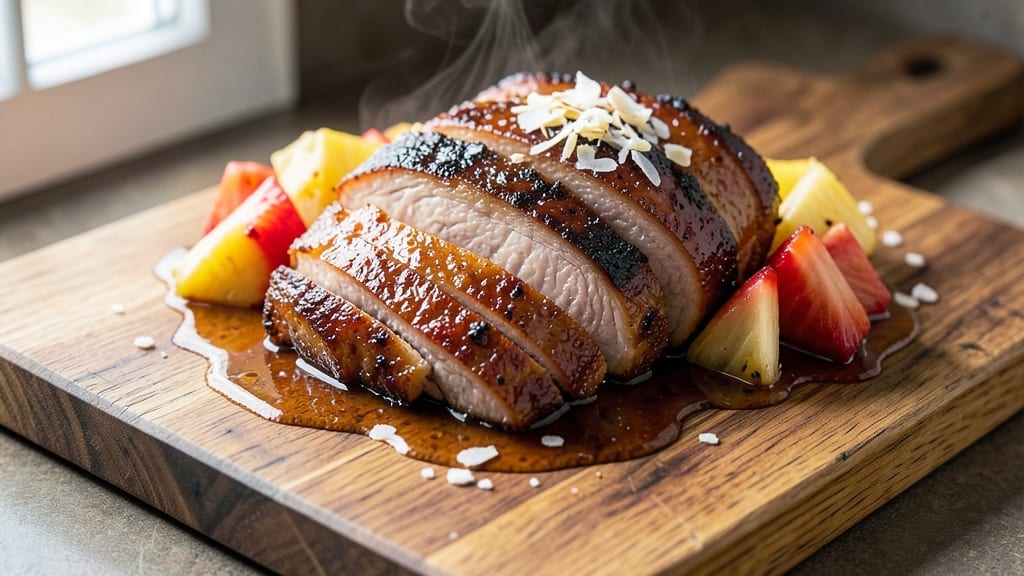
This Pioneer Woman pineapple pork shoulder delivers the perfect balance of sweet-tart flavors that caramelize into the meat, creating a dish that's both nostalgic and refined. 🌟 The secret lies in a slow-cooked approach that transforms tough pork shoulder into melt-in-your-mouth perfection, with a glaze that's rich enough to stand on its own but brightened by the tangy acidity of pineapple.
I first perfected this technique while cooking for a crowd at my farm, where the combination of slow heat and fruit-forward sweetness became an instant favorite.
The beauty of this recipe is its versatility—it works equally well for a casual family dinner or a special occasion. The pork shoulder cooks low and slow, allowing the fat to render and the meat to become tender, while the pineapple glaze infuses every bite with a subtle tropical sweetness.
I use a combination of brown sugar and pineapple juice to create the glaze, which develops a beautiful caramelized crust as it cooks, adding depth and complexity to the dish. The result is a pork shoulder that's juicy, flavorful, and impossible to resist.
What sets this recipe apart is the way the flavors meld together over time. The slow cooking process ensures that the pork is tender and succulent, while the glaze becomes sticky and glossy, clinging to each bite.
The pineapple not only adds sweetness but also tenderizes the meat, making it even more approachable. This dish is perfect for those who love the comfort of slow-cooked pork but want a twist that feels fresh and exciting.
Serve this pork shoulder with classic sides like roasted sweet potatoes or a simple green salad to balance the richness. The leftovers reheat beautifully, making it an ideal meal for prepping ahead.
Whether you're cooking for a gathering or treating yourself to a special meal, this recipe delivers restaurant-quality results with minimal effort. Let's get started!
Ingredients for pioneer woman pineapple pork shoulder
Six ingredients transform tough pork into melt-in-your-mouth perfection with tropical sweetness.
| Ingredient | Amount | Notes |
|---|---|---|
| Pork Shoulder 🍖 | 4 lb | Bone-in preferred for flavor |
| Fresh Pineapple 🍍 | 1 whole | About 2 cups juice, chopped for garnish |
| Brown Sugar 🍚 | 1 cup | Packed, light or dark |
| Pineapple Juice 💧 | 1 cup | Freshly squeezed preferred |
| Soy Sauce 🥢 | ½ cup | Low-sodium preferred |
| Honey 🍯 | ¼ cup | Wildflower for depth |
| Garlic Cloves 🧄 | 6 cloves | Minced, fresh preferred |
| Fresh Ginger 🌿 | 1 tbsp | Grated, peeled |
| Apple Cider Vinegar 🍶 | ¼ cup | For tangy balance |
| Olive Oil 🫒 | ¼ cup | Extra-virgin for richness |
| Salt 🧂 | 1 ½ tsp | Kosher or sea salt |
| Black Pepper 🌶️ | 1 tsp | Freshly ground |
| Ground Cinnamon 🌿 | ½ tsp | Optional, for warmth |
| Dried Thyme 🍃 | 1 tsp | Or 1 tbsp fresh |
The pork shoulder is the star, so look for bone-in cuts at Costco or your local butcher—they stay juicier during slow cooking. Fresh pineapple makes all the difference: grab a whole one from the produce section (not the pre-cut kind) and squeeze your own juice. I always buy extra because the leftover chunks make killer garnishes. The brown sugar should be packed—light or dark both work, but dark adds a deeper caramel note. If you're prepping ahead, Costco's bulk spices are perfect for this recipe's small amounts.
No fresh pineapple juice? Coconut water or apple juice in a pinch, but the flavor won't be as vibrant. Short on honey? Maple syrup works 1:1, though it's more earthy. The ginger and garlic are non-negotiable for depth—fresh is best, but if you're using powdered, double the amount. For the soy sauce, I always grab the low-sodium variety at Trader Joe's—it lets the other flavors shine. The apple cider vinegar adds that perfect tang, but white vinegar in a bind (just reduce to 2 tbsp). And if you're feeling fancy, swap the dried thyme for fresh lemon thyme—brightens everything up.
This glaze keeps for 3 days in the fridge and freezes beautifully for up to 3 months. I always make double batches because the leftovers reheat like a dream—just warm in a skillet with a splash of water. Store the glaze separately from the pork in the fridge, then toss them together when ready to eat. The pork itself reheats best at 350°F for 15 minutes, wrapped in foil. For parties, I slice it thin and serve on Hawaiian rolls with the extra pineapple chunks—game-changer for presentation.
Why You'll Love This Recipe
- Fewer Cuts, Same Magic: I swear by this one—just slice the pork shoulder into chunks (no fancy butchering), toss it in a bowl with pineapple juice and soy sauce, and let the oven do the work. The brown sugar caramelizes into a sticky glaze without me having to babysit it.
- Sweet-Savory Balance: That first bite? The pork shoulder stays juicy while the brown sugar and fresh pineapple create this ridiculously addictive glaze—tangy, slightly smoky, with just enough heat from the soy. It’s the kind of dish where you’ll lick the plate clean.
- Weeknight to Potluck: Between us, this recipe works for everything. Toss it together on a Tuesday for dinner, double the batch for a picnic, or bring it to a BBQ where it’ll disappear faster than the chips. The pineapple keeps it light enough for summer but hearty enough for a cold night.
- Leftovers That Don’t Suck: Honestly, I make this on purpose so I have leftovers. The flavors only get better the next day—shred it for tacos, sandwiches, or even fried rice. And because pork shoulder stretches, it’s my go-to for feeding a crowd without breaking the bank.
Step-by-step instructions for sweet-tart pineapple pork shoulder
Here's how to transform a simple pork shoulder into fall-off-the-bone tender meat with a glossy, sweet-tart glaze.
👨🍳 Step 1: Prep the Pork and Make the Glaze Base
Start by trimming any excess fat from the 4 lb pork shoulder, leaving about ¼-inch fat cap for flavor and moisture. Pat the meat dry with paper towels—this helps the glaze stick and creates that perfect crust. Place the pork in a large roasting pan or Dutch oven.
In a separate bowl, whisk together 1 cup brown sugar, 1 cup pineapple juice, 0.5 cup soy sauce, 0.25 cup honey, 0.25 cup apple cider vinegar, 6 minced garlic cloves, 1 tbsp grated fresh ginger, 0.25 cup olive oil, 1.5 tsp salt, 1 tsp black pepper, 0.5 tsp ground cinnamon, and 1 tsp dried thyme. The mixture should be smooth with a rich, tangy aroma—this is your flavor foundation.
🔥 Step 2: Sear the Pork and Start the Slow Cook
Preheat your oven to 300°F. Heat a large oven-safe skillet or Dutch oven over medium-high heat. Add the pork shoulder and sear on all sides until deeply browned—about 5-7 minutes per side. This step develops deep flavor through the Maillard reaction.
Pour the glaze mixture over the seared pork, coating it completely. Transfer the skillet to the preheated oven and cover tightly with foil. Cook for 4 hours, basting the pork with additional glaze every 1 hour. You'll know it's ready when the internal temperature reaches 195-203°F and the meat is fork-tender.
🍳 Step 3: Finish with Pineapple and Caramelize
Remove the foil and increase oven temperature to 425°F. Peel and chop the 1 whole fresh pineapple into ½-inch chunks, reserving 2 cups of juice. Scatter the pineapple chunks over the pork shoulder. Pour the reserved pineapple juice into the pan, then return to the oven uncovered for 20-25 minutes.
Watch closely—the pineapple will caramelize and the glaze will thicken into a glossy sheen. The pork should have a deep mahogany color and the pineapple should be tender with caramelized edges. If the glaze thickens too much, add 1-2 tablespoons water to loosen it slightly.
⏰ Step 4: Rest and Serve with Glaze
Transfer the pork shoulder to a cutting board and tent loosely with foil. Let it rest for at least 30 minutes—this allows the juices to redistribute and makes for easier slicing. The internal temperature will rise about 5°F during resting.
Slice the pork against the grain into ½-inch thick slices. Spoon the caramelized glaze and pineapple over the top before serving. Each bite should deliver tender, juicy meat with a perfect balance of sweet, tangy, and savory flavors. Save any leftover glaze for dipping or drizzling over rice and roasted vegetables.
Pro Tips For Making Pioneer Woman Pineapple Pork Shoulder
- Braise Slow and Low: This isn’t a sprint—aim for 2.5–3 hours at 300°F (150°C) after the initial sear. I used to rush it, and the pork came out dry or tough. The slow cook keeps it fork-tender while letting the pineapple caramelize properly.
- Core the Pineapple: Cut the pineapple lengthwise down the center, then slice into rings—but leave the tough core intact. It keeps the fruit from falling apart in the braise. (Yes, it looks weird, but it works.)
- Deglaze with Juice: After searing the pork, don’t just add liquid—deglaze the pan with a splash of pineapple juice first. It scrapes up all the browned bits, which pack way more flavor than you’d think.
- Reduce the Sauce: Let that braising liquid thicken by 10–15 minutes uncovered at the end. It cuts through the richness of the pork and makes the sauce cling to every bite. (I know, you’re eager to eat—but wait.)
Storing and reheating your leftovers
Refrigerator Storage
Let your pineapple pork shoulder cool completely before storing to prevent condensation buildup. I transfer it to a large airtight container with a tight-fitting lid—I love Glasslock containers for this—then refrigerate for up to 4 days.
The glaze stays vibrant and the meat remains juicy when stored properly. Always keep the glaze and pork separate in the fridge to maintain freshness. 🌟
Freezer Prep Tips
For longer storage, slice the pork shoulder and freeze it in a single layer on a tray before transferring to a freezer bag—this prevents clumping. The glaze freezes beautifully too; store it in an ice cube tray for perfect portions.
Label everything with the date—this pork keeps its quality for 3 months in the freezer. Thaw overnight in the fridge before reheating. ❄️
Reheating Methods
My favorite way to reheat is in the oven: wrap the pork in foil with a splash of water or pineapple juice, then bake at 350°F for 15 minutes. This keeps the meat tender and the glaze glossy.
For quick meals, microwave individual portions covered for 2 minutes at 50% power, then finish in a skillet with extra glaze. Never skip the resting period—even reheated pork needs 10 minutes to redistribute juices. 🔥
Glaze Refresh
The leftover glaze is pure magic—simmer it in a saucepan with 1 tablespoon water for 5 minutes to restore its consistency. Use it as a dipping sauce, drizzle over rice, or toss with roasted veggies. I keep a small jar in my fridge just for this purpose.
The pineapple chunks from the topping also reheat well—toss them in a hot pan with a pinch of salt for a quick side dish. 💫
Party Prep Shortcut
For gatherings, slice the pork thin and store it in Hawaiian rolls with extra pineapple chunks between layers. Wrap tightly in plastic wrap and refrigerate for up to 2 days. Reheat the rolls in a 350°F oven for 10 minutes—they come out warm, saucy, and perfect for serving.
This is my go-to for potlucks because it's foolproof and always a crowd-pleaser. 🎉
Flavor Boost
Want to elevate reheated slices? Brush them with a mix of 1 tablespoon honey and 1 teaspoon soy sauce, then broil for 2 minutes until caramelized. The extra glaze adds depth and makes every bite taste freshly cooked.
I also keep a small bowl of extra pineapple chunks on the table—guests love adding them to their plates for that fresh tropical crunch. 🌶️
Nutrition facts
Frequently asked questions about pineapple pork shoulder
Can I use pre-cut pineapple instead of fresh?
Fresh pineapple is ideal for both the juice and texture, but you can use pre-cut if necessary. Drain the juice from a can of pineapple chunks (about 1½ cups) and use 1 cup for the glaze. For the topping, toss the chunks with 1 tbsp brown sugar and 1 tsp lime juice before adding to the pork. The flavor won't be as vibrant, but it still works in a pinch!
How do I know when the pork shoulder is fully cooked?
Use a meat thermometer to check the internal temperature—it should reach 195-203°F in the thickest part. The meat will pull away from the bone easily and feel fork-tender. Pro tip: If you don't have a thermometer, cut into the thickest part—juices should run clear, not pink. Let it rest 30 minutes before slicing for perfect texture.
Can I make this in a slow cooker instead of the oven?
Brown the pork first in a skillet, then transfer it to your slow cooker with the glaze. Cook on low for 8 hours or high for 5-6 hours. During the last 30 minutes, add the pineapple chunks and increase heat to high to caramelize. The slow cooker keeps the meat incredibly tender, though the crust won't be as pronounced as oven-baked.
What if my glaze gets too thick while cooking?
If the glaze thickens too much, simply add 1-2 tablespoons water or pineapple juice and stir gently. The glaze should remain glossy but not syrupy. For extra insurance, cover the pan loosely with foil during the final 20 minutes to prevent over-reducing. The key is balance—you want it sticky enough to cling to the meat but still pourable.
How can I make this dish more kid-friendly?
For little ones, reduce the sweetness by cutting the brown sugar to ½ cup and adding 1 extra tablespoon soy sauce for umami depth. Serve the pork sliced thin over buttered noodles or rice, and let kids add their own pineapple chunks on top. The tangy-sweet balance will still shine, but with less sugar. Always let the meat cool slightly before serving to kids!