
Main Courses
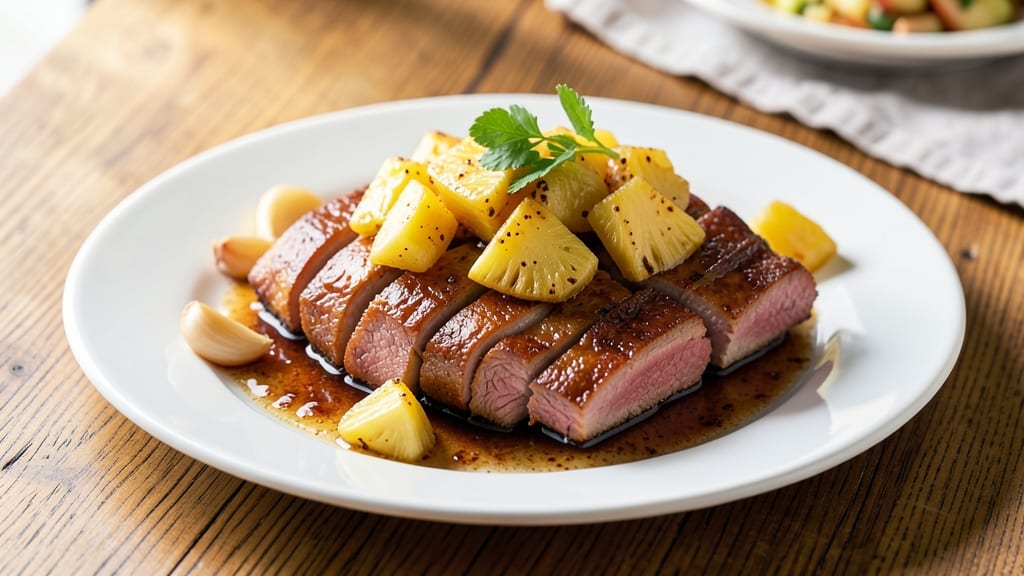
This Panlasang Pinoy pork hamonado with pineapple recipe delivers the perfect balance of sweet, tangy, and savory flavors that define Filipino comfort food. 🌟 The secret lies in a caramelized glaze that tenderizes the meat while enhancing the pineapple's natural sweetness—transforming simple ingredients into a restaurant-worthy dish.
I first tried this technique during a family gathering when we needed a showstopper that didn't require hours in the kitchen, and it became an instant favorite. The process starts with marinating pork shoulder in a blend of soy sauce, vinegar, and sugar, then slow-cooking it until fork-tender.
The pineapple isn't just an afterthought—it's simmered in the same pan to create a sticky, caramelized sauce that coats every bite. This method ensures deep flavor infusion without overpowering the natural taste of the meat or fruit.
By the time you serve it, you'll have perfectly caramelized pork with tender, juicy bites and a glossy sauce that clings beautifully. The contrast of sweet pineapple against the savory pork creates a harmony that's both comforting and exciting.
This dish is perfect for special occasions or when you want to impress guests with minimal effort. Whether grilled, pan-fried, or oven-baked, the technique remains the same—just adjust the heat to suit your preferred texture. Serve with steamed rice to soak up every last drop of that luscious sauce.
Let's get cooking!
Ingredients for pork hamonado with pineapple recipe panlasang pinoy
Sixteen ingredients for a dish that tastes like home—sweet, tangy, and deeply savory.
| Ingredient | Amount | Notes |
|---|---|---|
| Pork Shoulder 🥩 | 3 lb | Bone-in, cut into 2-inch chunks |
| Fresh Pineapple 🍍 | 2 cups | Cubed, fresh or canned (packed in juice) |
| Soy Sauce 🥄 | ½ cup | High-quality, like <strong>Silver Swan</strong> |
| White Vinegar 💧 | ¼ cup | White or cane vinegar |
| Brown Sugar 🍚 | ½ cup | Light or dark, packed |
| Garlic Cloves 🧄 | 6 cloves | Minced, fresh preferred |
| Onion 🧅 | 1 whole | Yellow or red, sliced |
| Olive Oil 🫒 | 2 tbsp | Extra-virgin for richness |
| Black Peppercorns 🌶️ | 1 tsp | Freshly cracked |
| Bay Leaves 🍃 | 2 whole | Fresh or dried |
| Salt 🧂 | 1 ½ tsp | Diamond Crystal preferred |
| Water 💧 | ½ cup | For deglazing |
| Steamed White Rice 🍚 | 3 cups | For serving |
The pork shoulder is the heart of this dish, and bone-in cuts stay juicier during slow cooking. Look for well-marbled pieces at Costco or your local butcher—they often have it pre-cut for convenience. Fresh pineapple is ideal, but if you're short on time, canned pineapple in juice (not syrup!) works perfectly—just drain and pat dry. The Silver Swan soy sauce adds depth, but any good-quality brand will do. For the brown sugar, packed cups ensure the right consistency in the glaze.
No fresh pineapple? Frozen works too—just thaw and drain well. Running short on soy sauce? Coconut aminos in a pinch, though the flavor will differ slightly. Swapping brown sugar for white? Add a pinch of molasses to mimic the depth. The garlic and onion can be pre-minced from the store if you're in a rush, but fresh is always better. If you don’t have bay leaves, dried thyme at half the amount adds a similar earthiness. The olive oil is non-negotiable for browning the pork—don’t skip it!
This dish tastes even better the next day as the flavors meld. Store leftovers in an airtight container in the fridge for up to 5 days. For longer storage, freeze portions for 3 months. The sauce thickens as it cools, so a splash of water or broth can loosen it when reheating. Serve with extra pineapple on top for a pop of color and sweetness—it’s a crowd-pleaser every time.
Why You'll Love This Recipe
- One-Pan Magic: I swear by this recipe because it’s literally dump-and-go after the initial sear. Slice the pork shoulder thick, toss it with soy sauce and vinegar, then let the oven do the work while you chop pineapple chunks—no flipping, no fuss, just tender, caramelized perfection by the time you’re done.
- Sweet-Savory Balance: Honestly, the combo of pineapple’s tang and the deep umami from soy and brown sugar is chef’s kiss. The vinegar cuts through the richness, while the caramelized edges on the pork make every bite feel like a little celebration—no fancy sauce needed.
- Lunchbox Hero: Between us, this is my go-to for packed lunches. The flavors only get better the next day, and the pineapple adds that bright pop that keeps it from tasting like last night’s leftovers. (Yes, even on a Tuesday night.)
- Budget Stretch: Pork shoulder is cheap, and this recipe feeds four easily—meaning I’m getting two meals for the price of one. Plus, the pineapple’s natural sweetness means I don’t need extra sugar, so my grocery bill stays in check without sacrificing taste.
Step-by-step instructions for pork hamonado with pineapple
Here's how to transform tough pork into melt-in-your-mouth perfection with that signature caramelized sweet-tart glaze.
🍳 Step 1: Sear the Pork Shoulder for Deep Flavor
Heat the 2 tablespoons olive oil in a large Dutch oven over medium-high heat until shimmering. Add the 3 lb pork shoulder cut into 2-inch chunks, working in batches if needed to avoid crowding. Sear for 3-4 minutes per side until deeply golden brown—this creates the Maillard reaction that builds rich flavor.
Don't rush this step. You'll know it's ready when the pork releases easily from the pan. Transfer the seared pork to a plate and set aside. Here's the thing—those browned bits on the bottom are pure flavor gold. We'll scrape them up later to build our glaze.
👨🍳 Step 2: Build the Sweet-Tart Glaze Base
In the same Dutch oven, add the 1 sliced onion and 6 minced garlic cloves over medium heat. Cook for 3-4 minutes until softened and fragrant—you should smell that sweet onion aroma and garlic's pungent kick. Add the 2 whole bay leaves and 1 teaspoon cracked black peppercorns, stirring for 30 seconds to toast the spices.
Pour in the 0.5 cup soy sauce, 0.25 cup white vinegar, 0.5 cup brown sugar, and 0.5 cup water. Scrape up all those browned bits from the bottom with a wooden spoon—this is where the magic happens. Bring to a gentle simmer and let it reduce for 5 minutes until slightly thickened.
🍳 Step 3: Cook the Pork Until Fork-Tender
Return the seared pork to the Dutch oven, spooning some of that glorious glaze over the top. Add the 2 cups cubed fresh pineapple and 1.5 teaspoons salt, stirring gently to combine. Bring everything to a simmer, then reduce heat to low, cover partially, and let it cook for 1.5-2 hours.
Here's where patience pays off. The pork should become fork-tender—you'll know it's ready when a skewer slides in easily and the meat pulls apart with gentle pressure. The pineapple will soften slightly but retain its shape, absorbing all that sweet-tart glaze. Stir occasionally to ensure even coating.
🔥 Step 4: Caramelize the Glaze to Perfection
Once the pork is tender, uncover the pot and increase heat to medium-high. Let the glaze reduce uncovered for 10-15 minutes, stirring occasionally, until it thickens to a glossy, syrupy consistency that coats the back of a spoon. You're looking for that beautiful caramelized color—deep amber with hints of brown.
This is the moment that matters: the glaze should coat the pork and pineapple completely, creating that signature sticky, sweet-tart crust. If it's not thick enough after 15 minutes, let it reduce a few more minutes—just watch it closely so it doesn't burn. The pineapple should be tender but still hold its shape, not mushy.
🍽️ Step 5: Serve Over Steamed White Rice
Transfer the pork and pineapple to a serving platter, spooning any remaining glaze from the pot over the top. Serve immediately over 3 cups steamed white rice, letting diners spoon up that delicious caramelized mixture. The contrast of tender pork, sweet pineapple, and that tangy-sweet glaze over fluffy rice is what makes this dish truly special.
Don't skip the pineapple—it adds brightness that cuts through the richness of the pork. If you have leftovers, they actually taste better the next day as the flavors meld even more. This dish serves 6 generous portions, so plan accordingly for hungry guests!
Pro Tips For Making Pork Hamonado With Pineapple Recipe Panlasang Pinoy
- Sear First, Braise Slow: Don’t skip the initial sear—hit the pork shoulder with high heat until deep golden brown before adding liquids. I learned this the hard way: skipping it means bland, watery meat instead of rich, caramelized layers that hold up through the long braise. Once browned, simmer uncovered for 10 minutes to burn off alcohol fumes from the vinegar.
- Core the Pineapple: Cut the pineapple into chunks after removing the core—it’s faster and avoids messy slices. Fresh pineapple should be firm and fragrant; if it’s mushy, it’ll turn to mush in the sauce. Add it in the last 15 minutes of cooking so it doesn’t turn to syrup.
- Reduce Vinegar Early: Let the vinegar and soy sauce simmer alone for 5 minutes before adding the pork—this cuts the sharp acidity and deepens the flavor. I used to add everything at once, and the dish always tasted raw. A quick reduction also thickens the sauce naturally.
- Brown Sugar Last: Stir in the brown sugar only in the final 10 minutes—it caramelizes into the sauce and adds gloss. If you add it too soon, it burns and turns bitter. For extra shine, toss the pork in a little extra sugar before plating.
Creative variations of this pork hamonado with pineapple recipe panlasang pinoy
Filipino BBQ Twist
For a smoky, charred version, finish your pork hamonado by grilling the seared chunks over medium-high heat for 5-7 minutes per side after marinating. I love using charcoal briquettes for that authentic Filipino BBQ flavor.
Brush with a mix of ½ cup soy sauce, 2 tbsp brown sugar, and 1 tbsp calamansi juice (or lime) before grilling. The pineapple gets tossed in the same glaze after cooking for that perfect balance of smoky and sweet. 🔥
Coconut Milk Creaminess
Turn this into a creamy version by adding 1 can (13.5 oz) coconut milk to the glaze base after the initial reduction. Simmer uncovered for 10 minutes to thicken, then proceed with the pork and pineapple.
The coconut adds a luscious texture that pairs beautifully with the sweet-tart flavors. Garnish with toasted coconut flakes before serving for extra richness. 🥥
Spicy Kick Option
Crank up the heat by adding 1 tbsp siling labuyo (Filipino chili) or 1-2 tbsp gochujang to the glaze. For extra depth, stir in 1 tsp ground black pepper and ½ tsp cinnamon during the final reduction.
The heat balances perfectly with the pineapple's sweetness. Serve with extra chili flakes on the side for those who want more heat. 🌶️
Slow Cooker Adaptation
Make this hands-off by using a 6-quart slow cooker on low for 6-8 hours. After searing the pork, transfer everything (including the glaze ingredients) to the slow cooker.
Cook until the pork is fork-tender, then transfer to a skillet to reduce the sauce on the stovetop for 10-15 minutes. This method is perfect for busy weeknights but delivers the same restaurant-quality results. ⏰
Pineapple Variations
Swap fresh pineapple for grilled pineapple slices (brush with honey and grill for 3-4 minutes per side) for a smoky twist.
Or try pineapple salsa by dicing 1 cup pineapple, ½ red onion, and 1 jalapeño, then tossing with 2 tbsp lime juice and 1 tbsp chopped cilantro. Serve as a topping or side for a fresh contrast. 🍍
Vegetable Boost
Add 1 cup sliced bell peppers and 1 cup sliced mushrooms when building the glaze base. These veggies absorb the sweet-tart flavors beautifully and add texture. For extra color, stir in ½ cup corn kernels during the final 10 minutes** of cooking.
This version feels heartier while keeping the dish light and flavorful. 🥦
Nutrition facts
Frequently asked questions
Can I use pork tenderloin instead of pork shoulder?
Pork tenderloin works but requires adjustments! Since it's leaner, cook it for just 15-20 minutes after searing (instead of 1.5-2 hours) to avoid drying out. The glaze will still caramelize beautifully, but reduce the cooking time by 75% and check doneness with a meat thermometer (145°F internal temp).
How do I fix the glaze if it's too thin?
Simmer uncovered on medium-high heat for 5-10 extra minutes, stirring occasionally. For stubbornly thin glaze, mix 1 tablespoon cornstarch with 2 tablespoons water, stir into the sauce, and simmer until thickened. Never add flour directly—it can make the sauce grainy.
What's the best way to store leftovers?
Store in an airtight container in the fridge for up to 5 days. For longer storage, freeze portions for 3 months. Reheat gently in a skillet with a splash of water to revive the glaze. The flavors actually deepen overnight—this dish tastes even better the next day!
Can I make this without fresh pineapple?
Use canned pineapple in juice (not syrup) for the same texture. Drain well and pat dry before adding. For extra caramelization, toss the drained pineapple with 1 teaspoon brown sugar before cooking. Avoid sweetened canned pineapple—it'll make the glaze too sugary.
Why did my pork turn out dry?
Overcooking is the most common cause. Use a meat thermometer—pork shoulder should reach 195-203°F for perfect tenderness. If using tenderloin, cook only until 145°F. For extra moisture, add ¼ cup water during the final 10 minutes of cooking and cover tightly.