
Sauces & Condiments
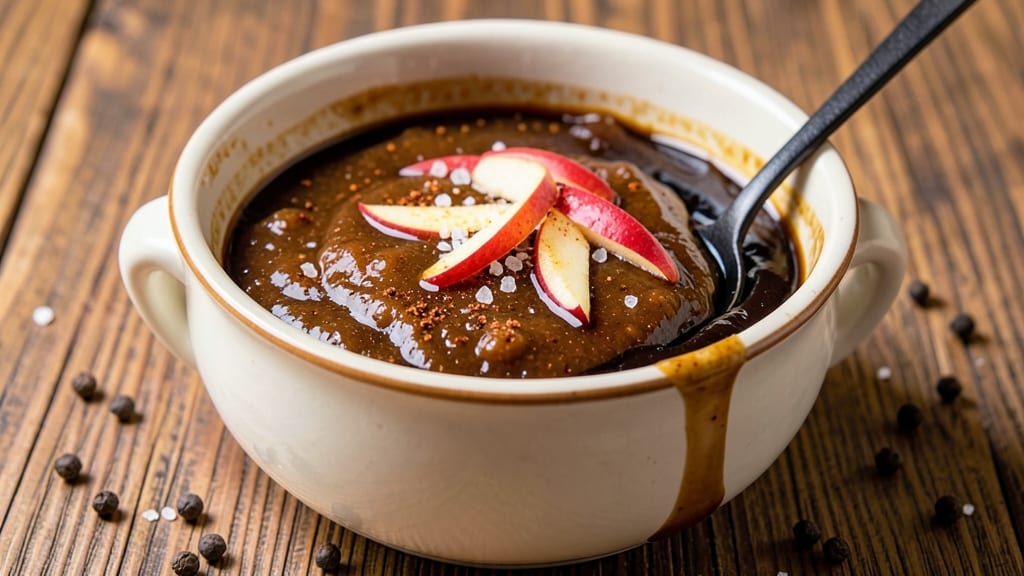
This apple cider vinegar-based BBQ sauce recipe transforms pantry staples into a tangy-sweet masterpiece that bridges classic Southern flavors with modern versatility. 🔥 The key lies in balancing sharp vinegar acidity with rich brown sugar caramelization, creating a sauce that works equally well as a grill glaze, smoking rub, or finishing drizzle.
I developed this formula after years of perfecting rubs—where the vinegar's brightness cuts through smoky richness while maintaining that signature BBQ depth.
The beauty of this sauce is its simplicity: just six core ingredients simmered into a glossy, balanced condiment. We start with apple cider vinegar for that signature tang, then build layers with molasses for depth, brown sugar for caramel notes, and a touch of smoked paprika for warmth.
The secret weapon? A slow reduction that intensifies flavors while maintaining a smooth, pourable consistency—no lumps, no grittiness, just pure, restaurant-quality sauce.
What makes this recipe truly special is its adaptability. Use it as a marinade for pork shoulders, a finishing glaze for grilled ribs, or even a tangy dip for fries. The sauce keeps beautifully in the fridge for up to three weeks, making it perfect for meal prep or gifting.
Every batch delivers that perfect harmony of sweet, tangy, and smoky—without requiring specialty ingredients or complicated techniques.
For those who love customization, the recipe includes simple variations like adding a splash of bourbon for depth or blending in crushed red pepper for heat. The instructions walk through every step of the reduction process, ensuring you achieve that ideal glossy finish.
This isn't just another BBQ sauce—it's a flavor foundation that elevates every dish it touches.
Ingredients for apple cider vinegar based bbq sauce
Six core ingredients transform simple pantry staples into a restaurant-quality BBQ sauce with perfect tangy-sweet balance.
| Ingredient | Amount | Notes |
|---|---|---|
| Apple Cider Vinegar 🍏 | 1 cup | Raw, unfiltered preferred for depth |
| Molasses 🍯 | ½ cup | Unsulphured for authentic flavor |
| Light Brown Sugar 🍚 | ¾ cup | Packed firmly for accuracy |
| Smoked Paprika 🌶️ | 2 tbsp | High-quality smoked variety |
| Kosher Salt 🧂 | 1 ½ tsp | Diamond Crystal preferred |
| Black Peppercorns 🌶️ | ½ tsp | Freshly cracked for texture |
| Garlic Cloves 🧄 | 3 cloves | Minced for infusion |
| Water 💧 | ½ cup | For thinning consistency |
| Extra-Virgin Olive Oil 🫒 | 1 tbsp | For glossy finish |
The apple cider vinegar is non-negotiable here—Bragg or Texas Pete deliver that signature sharpness, but any raw, unfiltered brand works. Molasses adds depth, so unsulphured is key (sulphured tastes artificial). Brown sugar should be packed firmly for accurate measurements—Domino or C&H are reliable. Smoked paprika matters too: Penzeys or McCormick Gourmet smoked varieties add authentic warmth. For the garlic, freshly minced infuses better than powder—peel and chop just before adding to the sauce.
No molasses? Maple syrup works in a pinch (use half the amount), though it lacks that deep, almost bitter edge. Running low on vinegar? White vinegar plus 1 tsp lemon juice mimics the tang, though the flavor won't be identical. The olive oil is optional but essential for that glossy finish—California extra-virgin adds subtle fruitiness. For heat lovers, add 1/4 tsp cayenne or 1/2 tsp crushed red pepper flakes—just don't skip the peppercorns, which add subtle texture. The sauce thickens as it cools, so add water gradually if it's too stiff.
This sauce thickens beautifully when refrigerated—stir well before each use. Keeps for 3 weeks in the fridge or 6 months frozen in airtight containers. For gifting, portion into small jars with a ribbon—label with the date and a note about reheating gently. The flavor actually improves after 48 hours as the ingredients meld, so make a double batch if you can. Store-bought versions can't compete with this fresh reduction—trust the process.
Why You'll Love This Recipe
- Pantry Magic: I swear by this sauce because it uses what I already have—no special trips to the store. Just vinegar, molasses, and a pinch of smoked paprika, and boom: smoky-sweet flavor without breaking the bank.
- Tangy-Sweet Balance: That molasses and brown sugar combo? It’s like a hug for your taste buds, but the apple cider vinegar cuts through the sweetness so it’s never cloying. Honestly, it’s the kind of sauce that makes you want to slather it on everything (and I do).
- Weeknight Workhorse: I make a big batch on Sundays and keep it in the fridge—perfect for quick grilled chicken, roasted veggies, or even drizzled over fries. No fuss, just flavor whenever I need it.
- Budget-Friendly Staple: A single bottle of vinegar and a jar of molasses stretch for months of saucy goodness. Between us, this is the recipe that makes me feel like I’m feeding a crowd without spending a fortune.
Step-by-step instructions for crafting apple cider vinegar BBQ sauce
This method delivers a perfectly balanced sauce with rich depth and smoky complexity.
🍳 Step 1: Create the Sweet-Savory Base
In a medium saucepan, combine the 1 cup apple cider vinegar, 0.5 cup molasses, and 0.75 cup light brown sugar. I use a heavy-bottomed pan to prevent scorching—this sauce needs even heat distribution. Bring the mixture to a gentle simmer over medium heat, stirring occasionally to dissolve the sugar completely.
Watch for bubbles forming around the edges—that's your visual cue the mixture is heating properly. Let it simmer uncovered for 8-10 minutes until the sugar fully incorporates and the liquid begins to reduce slightly. You'll notice the aroma becoming more complex as the molasses deepens the flavor profile. This reduction step creates the sauce's signature thickness and concentrated sweetness.
🍳 Step 2: Add Aromatics and Spices
Reduce the heat to low and add the 2 tbsp smoked paprika, 1.5 tsp kosher salt, 0.5 tsp freshly cracked black peppercorns, and 3 minced garlic cloves. Stir vigorously to distribute the spices evenly throughout the mixture. The paprika will immediately darken the sauce, giving it that classic BBQ color.
Let the sauce simmer for another 5 minutes, stirring frequently. You'll see the spices bloom and infuse their flavors into the liquid. This is where the sauce develops its signature complexity—don't rush this step. The garlic should become fragrant but not bitter, and the spices should be fully dissolved. If you notice any bits settling at the bottom, stir gently to incorporate them.
🥘 Step 3: Thicken and Finish with Water and Oil
Pour in the 0.5 cup water and stir well. This helps thin the sauce slightly and prevents it from becoming too concentrated. Return the heat to medium-low and let the mixture simmer uncovered for 12-15 minutes, stirring occasionally. You're looking for the sauce to reduce to a thick, syrupy consistency—it should coat the back of a spoon but still be pourable.
In the final 2 minutes of cooking, add the 1 tbsp extra-virgin olive oil. Stir well to emulsify—this creates a glossy finish and adds subtle richness. The oil also helps balance the acidity from the vinegar. Remove the pan from heat and let the sauce rest for 5 minutes to allow flavors to meld completely. This resting period is crucial for developing the sauce's depth.
🔪 Step 4: Strain and Adjust Consistency
Line a fine-mesh strainer with cheesecloth or a coffee filter over a clean bowl. Pour the sauce through the strainer to remove any sediment or undissolved spices. This step ensures a smooth, professional-quality sauce. Press gently on the solids to extract all the flavor.
Taste the strained sauce and adjust the balance if needed. For more tang, add 1-2 teaspoons apple cider vinegar. For additional sweetness, add 1-2 teaspoons molasses. The sauce should have a perfect balance of sweet, tangy, and smoky flavors with a hint of garlic's warmth. Transfer to a clean jar and let it cool completely before sealing. This sauce keeps well in the refrigerator for up to 2 weeks or can be canned for longer storage.
Pro Tips For Making Apple Cider Vinegar Based Bbq Sauce
- Simmer Slow and Low: That vinegar’s acidity wants to evaporate fast—don’t let it. Once you combine everything, reduce heat to a bare simmer (think tiny bubbles, not rolling) and walk away. I used to rush it, and the sauce ended up sharp and thin. Give it 20-25 minutes, stirring occasionally, so the molasses and sugar caramelize properly.
- Whisk in the Molasses: Molasses is thick and stubborn. Before adding it to the pot, thin it with 1-2 tablespoons of warm water or vinegar—just enough to make it pour smoothly. Stirring in clumps later is a headache, and you’ll end up with grainy texture.
- Taste Early, Salt Late: The vinegar’s acidity throws off your taste buds. Test the sauce before adding all the salt—you’ll want to adjust it after the flavors meld. I learned this the hard way: over-salting early ruins the balance, and you can’t fix it.
- Strain for Smoothness: Skip the straining if you’re lazy, but if you want a silky sauce, use a fine-mesh sieve after simmering. The molasses and sugar can leave tiny gritty bits—especially if you’re using raw, unfiltered apple cider vinegar. (Yes, it’s an extra step, but it’s worth it for dipping ribs.)
Creative variations of this apple cider vinegar based bbq sauce
Bourbon-Infused Depth
Add 2 tablespoons bourbon (like Maker's Mark) when you combine the wet ingredients. The alcohol burns off during simmering, leaving behind rich, caramelized notes that deepen the sauce's complexity. This variation works especially well with pork shoulder or brisket, where the bourbon's vanilla undertones complement the smoky paprika.
For extra drama, flame the bourbon off briefly before adding the spices—just be careful not to burn the sauce. 🔥
Spicy Kick Version
For heat lovers, add 1 teaspoon cayenne pepper or 1 tablespoon crushed red pepper flakes with the smoked paprika. The cayenne delivers a slow-building heat that lingers, while the red pepper adds texture. I like to balance this with an extra ½ teaspoon salt to round out the flavors.
This version pairs perfectly with grilled chicken or as a dipping sauce for fries. For a smoky-spicy twist, add ½ teaspoon chipotle powder instead of cayenne.
Herb-Enhanced Twist
Stir in 1 tablespoon fresh thyme leaves and 1 tablespoon fresh rosemary needles (finely chopped) when adding the aromatics. The herbs add an earthy brightness that cuts through the sweetness. For a coastal-inspired variation, use 1 tablespoon fresh dill instead—it pairs beautifully with grilled fish or shrimp skewers.
The herbs should be added early in the simmering process so their flavors fully infuse. Remove any large stems before adding to avoid bitterness.
Sweet & Fruity Fusion
Replace half the molasses with ¼ cup apple butter (not apple sauce) for a fruity-sweet balance. The apple butter adds natural apple flavor while maintaining the tangy backbone. This variation works exceptionally well with pulled pork or as a glaze for grilled peaches.
For a tropical twist, add 1 teaspoon grated fresh ginger along with the garlic—it adds a bright, zesty note that elevates the sauce's complexity. The apple butter should be stirred in during the initial simmering phase.
Smoky Chipotle Heat
Swap the smoked paprika for 1-2 chipotle peppers in adobo sauce, minced, along with an extra ½ teaspoon salt. The chipotle adds intense smoky heat that transforms this sauce into a bold, complex condiment. This variation is perfect for grilled meats or as a marinade for beef ribs.
For a milder version, use just 1 chipotle pepper and add ½ teaspoon ground cumin to enhance the earthy notes. The adobo sauce should be blended into the wet ingredients at the beginning.
Citrus Brightener
Finish the sauce with 1 tablespoon fresh lemon juice and 1 teaspoon lemon zest after removing it from heat. The citrus brightens the flavors and adds a refreshing contrast to the richness. This variation works beautifully with grilled seafood or as a dipping sauce for spring vegetables.
For a grapefruit twist, use 1 tablespoon grapefruit juice instead—it adds a tart, slightly bitter note that pairs wonderfully with pork. The citrus should be added during the final 3 minutes of simmering to preserve its freshness.
Nutrition facts
Frequently asked questions
Why does apple cider vinegar work better than white vinegar in BBQ sauce?
Apple cider vinegar adds depth and complexity that white vinegar can't match. Its natural sweetness and fruity notes complement the molasses and brown sugar, creating a more balanced flavor profile. The slight malic acid also helps tenderize meats when used as a marinade, making it ideal for both sauce and marinade applications.
Can I make this sauce without molasses? What substitutes work best?
Yes! Replace molasses with ¼ cup maple syrup (though it lacks depth) or ¼ cup honey for a floral note. For a closer match, use ¼ cup dark corn syrup—it mimics molasses' caramelization. The sauce will be slightly sweeter, so reduce the brown sugar by 1 tablespoon to maintain balance.
How do I adjust the thickness of the finished sauce?
If your sauce is too thick, add 1 tablespoon water at a time while reheating, stirring constantly. For a glossier finish, whisk in ½ teaspoon cornstarch mixed with 1 teaspoon water during the final 2 minutes of simmering. Too thin? Simmer uncovered for 5-10 more minutes to reduce further.
Is this sauce safe for canning? What's the best method?
Yes, this sauce can be safely canned using the water bath method. Pour hot sauce into sterilized jars, leaving ½-inch headspace. Process pints for 10 minutes and quarts for 15 minutes in boiling water. The high acidity from vinegar prevents botulism growth. Store sealed jars in a cool, dark place for up to 1 year.
What's the best way to use this sauce on ribs vs. chicken?
For ribs, apply sauce during the last 30 minutes of cooking to prevent burning. Brush on generously and baste frequently. For chicken, use it as a marinade for 2-4 hours or as a glaze in the final 10 minutes of grilling. The vinegar's acidity tenderizes chicken beautifully when marinated.