Sauces & Condiments
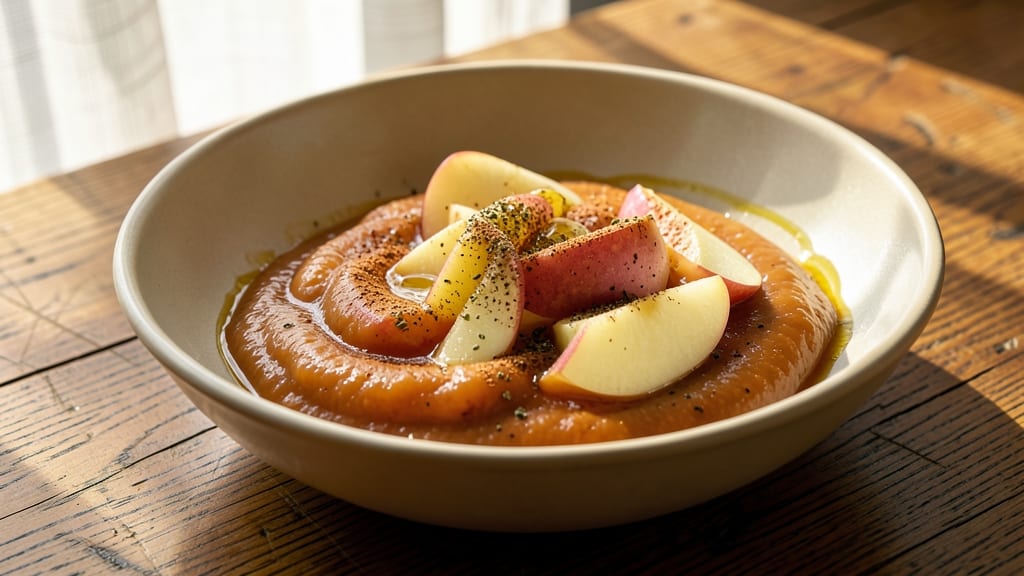
This apple sauce without sugar recipe transforms simple apples into a velvety, naturally sweetened condiment that works in everything from oatmeal to roasted pork. The secret lies in balancing acidity and spices—lemon juice brightens while cinnamon and cardamom add warmth without any refined sugar.
I developed this version after realizing store-bought options often hide added sweeteners, and it’s become my go-to for both health-conscious meals and pantry staples.
The process is straightforward: cook peeled apples with water until tender, then mash or blend to your preferred texture—smooth for dipping, chunky for baking. Optional spices like nutmeg or ginger can deepen the flavor, while a splash of apple cider vinegar enhances natural sweetness.
What you’ll end up with is a versatile sauce that’s perfect for topping yogurt, mixing into marinades, or spreading on toast.
What makes this recipe stand out is its adaptability—use it as a sugar substitute in recipes or enjoy it straight from the jar. The apples’ natural sweetness shines through, especially when using varieties like Fuji or Gala.
Plus, it stores well in the fridge for up to a week, making it ideal for meal prep.
For extra richness, stir in a tablespoon of coconut oil or almond butter before serving. This isn’t just apple sauce—it’s a pantry essential that cuts calories while keeping flavor intact. Let’s get started!
Ingredients for apple sauce without sugar
Naturally sweetened with just apples, citrus, and warming spices—no sugar needed.
| Ingredient | Amount | Notes |
|---|---|---|
| Fuji Apples 🍎 | 4 medium | Peeled, cored, sliced |
| Fresh Lemon Juice 🍋 | 2 tbsp | For acidity balance |
| Ground Cinnamon 🌿 | 1 ½ tsp | For warmth |
| Ground Cardamom 🌿 | ½ tsp | For depth |
| Apple Cider Vinegar 🍶 | 1 tbsp | Enhances natural sweetness |
| Water 💧 | ½ cup | For simmering |
| Coconut Oil 🫒 | 1 tbsp | Optional for richness |
| Almond Butter 🥜 | 1 tbsp | Optional for creaminess |
| Sea Salt 🧂 | ¼ tsp | To enhance flavors |
Fuji apples are the star here—their natural sweetness shines when balanced with acidity. Trader Joe's or Whole Foods usually carry them year-round, but any firm, crisp variety works. Skip the pre-sliced bags; whole apples keep better and let you control the texture. For extra flavor depth, grab a bag of organic Fuji if you can—less bitterness, more natural sweetness. Cardamom can be tricky to find, but Penzeys or Indian grocery stores stock it reliably. If you're missing it, allspice or nutmeg work in a pinch, though cardamom's floral note is unique.
No fresh lemon juice? Bottled lemon juice works, but freshly squeezed has more zing. Substituting vinegar? White vinegar or balsamic both work, but apple cider vinegar keeps the apple-forward flavor. Want to skip coconut oil? Olive oil or avocado oil are great alternatives—just use the same amount. For a nut-free version, swap almond butter for sunflower seed butter. The salt is key—use fine sea salt for even distribution. If you're using pre-peeled apples, rinse them first to remove any preservatives that might dull the flavor.
Store in an airtight jar in the fridge for up to 1 week—the flavors actually improve over time. For longer storage, freeze in ice cube trays for 6 months. Thaw overnight in the fridge. This sauce reheats beautifully—just stir in a splash of water if it thickens too much. I always make a double batch: one jar for the fridge, one frozen for when I'm craving something comforting without added sugar. The texture changes slightly when frozen, so blend briefly after thawing if you prefer it smooth.
Why You'll Love This Recipe
- No-Cook Magic: I swear by this recipe when I’m too tired to peel apples—just toss chopped Fuji apples with lemon juice, a splash of vinegar, and let them soften. The texture is velvety, and the bright acidity cuts through the natural sweetness without any added sugar.
- Spice Kiss: That cardamom and cinnamon combo? It’s like autumn in a jar. The warmth of the spices pairs perfectly with the crisp Fuji apples, and honestly, it’s the kind of flavor that makes you want to eat it straight from the pot.
- Pantry Staple: This sauce is my go-to for oatmeal, yogurt, or even swirled into coffee when I’m craving something cozy. It keeps for days in the fridge, so I make a big batch and use it all week—no waste, just flavor.
- Budget Brightener: Fresh Fuji apples are affordable, and the spices cost pennies. Between us, this recipe stretches my grocery budget while still feeling like a treat. Plus, the lemon juice and vinegar keep it fresh longer, so I’m not scrambling to use it up.
Step-by-step instructions for naturally sweetened spiced apple sauce
Here's how to transform simple apples into velvety, naturally sweetened apple sauce with warm spices.
Prepare and Simmer the Apple Base
In a medium saucepan, combine the 4 medium peeled, cored, and sliced Fuji Apples with the 0.5 cup Water and 1 tbsp Apple Cider Vinegar. Bring to a gentle boil over medium-high heat, then immediately reduce to medium-low heat. Let it simmer uncovered for 10-12 minutes until the apples begin to soften and release their juices.
Here's the thing—you want the apples to break down but still retain some texture. Stir occasionally and watch for the skins to start curling at the edges. This indicates they're releasing pectin, which will naturally thicken your sauce. If the mixture looks too dry after 10 minutes, add 1-2 tablespoons of water to maintain moisture.
Add Spices and Acid for Balance
Once the apples are tender, stir in the 2 tbsp Fresh Lemon Juice, 1.5 tsp Ground Cinnamon, 0.5 tsp Ground Cardamom, and 0.25 tsp Sea Salt. The lemon juice brightens the natural sweetness while balancing the spices. Let the mixture simmer for another 5-7 minutes until the flavors meld together and the sauce begins to thicken slightly.
This is where the magic happens—the cardamom adds depth while the cinnamon provides warmth. Don't walk away; you'll notice the aroma intensify as the spices bloom. If you're using the 1 tbsp Coconut Oil, add it now to create a richer texture. The oil will help emulsify the sauce and add a subtle richness that complements the natural sweetness.
Blend for Smooth Texture (Optional)
For a smoother consistency, transfer the mixture to a blender or food processor. Pulse until you reach your desired texture—whether that's completely smooth or slightly chunky. If the sauce is too thick after blending, thin it with 1-2 tablespoons of water or apple cooking liquid until it reaches a spreadable consistency.
If you prefer a rustic texture, skip blending and simply mash the apples with a potato masher or fork. The 1 tbsp Almond Butter (if using) can be stirred in now for added creaminess. This step is all about personal preference, so don't stress over perfection—both versions are delicious.
Finish and Store Properly
Return the sauce to the saucepan and let it simmer for an additional 3-5 minutes to ensure all flavors are fully integrated. Taste and adjust the seasoning if needed—you might want to add a touch more cinnamon or lemon juice to suit your preference.
For pantry storage, transfer the apple sauce to a clean, airtight container and refrigerate. It will keep for up to 1 week in the fridge. For longer storage, freeze in ice cube trays or small containers for up to 3 months. When reheating, warm gently over low heat or in the microwave until heated through. The sauce should be thick but still spreadable, with a beautiful balance of natural sweetness and warm spice.
Pro Tips For Making Apple Sauce Without Sugar
- PEEL AND CORE THOSE APPLES: Fuji apples have thick skins that stay tough even when cooked—peel them first, or you’ll end up with a texture that’s more chunky than silky. I learned this the hard way after making sauce that looked like it belonged in a pie, not a smooth spread.
- SIMMER LOW AND SLOW: High heat turns apple sauce into glue. Once the apples break down, drop the heat to a gentle simmer and let it cook uncovered for 15–20 minutes. This evaporates excess moisture and deepens the flavor—no sticky mess, just rich, balanced sauce.
- ZEST THE LEMON FIRST: Fresh lemon juice brightens the sauce, but zesting the peel first adds a subtle citrus aroma that makes a real difference. Use a fine grater and add it with the cinnamon and cardamom—it dissolves into the sauce without leaving grit.
- STRAIN FOR SMOOTHNESS: Skip the food mill if you want a velvety texture. After simmering, press the cooked apples through a fine-mesh sieve, then stir in the strained liquid back into the pot. This removes skins and seeds, giving you a cleaner, more professional finish—no pulpy surprises.
Serving suggestions for leftovers
Breakfast Boost
Start your day with this apple sauce as a protein-packed topping for Greek yogurt or overnight oats. Mix ½ cup plain Greek yogurt with 2 tbsp apple sauce and a sprinkle of chopped walnuts for crunch.
The warm spices complement the yogurt's tang perfectly, and the natural sweetness eliminates the need for added sugar. 💛
For a hearty breakfast, spread it on whole-grain toast with a layer of cream cheese and a drizzle of honey (if you want a touch of sweetness).
The texture contrasts beautifully with the soft bread, while the cinnamon adds a cozy warmth. I love pairing it with scrambled eggs for a balanced, nutrient-rich meal.
Savory Pairings
This apple sauce isn’t just for sweet dishes—it’s a secret weapon in savory recipes too. Use it as a glaze for roasted pork tenderloin by simmering ½ cup apple sauce with 1 tbsp Dijon mustard and brushing it on the meat during the last 10 minutes of roasting.
The acidity cuts through the richness, and the spices add depth. 🔥
Add it to stuffing for Thanksgiving or holiday meals by mixing ¼ cup apple sauce into the filling with celery, onions, and herbs. The moisture keeps the stuffing tender, while the cinnamon and cardamom add unexpected warmth that pairs beautifully with turkey or chicken. It’s a game-changer for dry stuffing!
Dessert Twist
Turn it into a no-bake cheesecake filling by blending 1 cup apple sauce with 8 oz cream cheese, 2 tbsp powdered erythritol (or your preferred sweetener), and 1 tsp vanilla extract.
Spread this mixture over a graham cracker crust and chill for 4 hours. The result is a creamy, lightly sweetened dessert with a subtle spiced apple flavor. 🌟
For a quick apple sauce ice cream, blend 1 cup apple sauce with 2 cups coconut milk and 2 tbsp maple syrup (optional). Freeze in an ice cream maker for a refreshing, naturally sweetened treat. The spices add complexity that elevates it beyond basic apple-flavored desserts.
Meal Prep Hack
Double the batch and store it in small glass jars for easy grab-and-go snacks. Use it as a sugar-free spread on rice cakes or crackers with a smear of nut butter.
The combination of apple sauce and almond butter creates a balanced snack with protein, fiber, and healthy fats—perfect for keeping energy levels steady throughout the day. ⏰
Freeze individual portions in silicone molds for portion control. Thaw overnight in the fridge, and you’ll have a ready-to-use topping for smoothies, pancakes, or even savory dishes like grilled chicken. The versatility makes it a must-have in my pantry for quick, healthy meals.
Nutrition facts
Frequently asked questions
Can I use any type of apple for this sugar-free apple sauce?
You can use most apple varieties, but Fuji, Gala, or Honeycrisp work best—they're naturally sweeter and hold up well during cooking. Tart varieties like Granny Smith will require more lemon juice or vinegar to balance their acidity. For a chunkier texture, use slightly firmer apples like Jonagold. Avoid overly soft or mealy apples, as they'll break down too much during simmering.
How do I adjust the sweetness if my apples taste bland?
If your sauce tastes too tart, add 1-2 extra tablespoons of apple cider vinegar or ½ teaspoon of cinnamon to enhance natural sweetness. For a subtle sweetness boost, stir in 1-2 pitted dates (soaked in warm water first) or ½ teaspoon of vanilla extract while simmering. The spices and acidity will make the sauce taste sweeter without adding sugar.
Can I make this apple sauce in a slow cooker?
Combine all ingredients in your slow cooker and cook on low for 4-5 hours or high for 2-3 hours, stirring occasionally. The slow cooking process helps break down the apples more gently, creating a smoother texture. Add 1-2 extra tablespoons of water if needed to prevent sticking. This method is perfect for hands-off prep and works especially well for large batches.
What's the best way to store leftover apple sauce?
Transfer to an airtight container and refrigerate for up to 1 week—it actually tastes better after a few days as flavors meld. For longer storage, freeze in ice cube trays or small jars for up to 3 months. Thaw overnight in the fridge and stir in a splash of water if it thickens too much. The sauce reheats beautifully—just warm on the stovetop or microwave until steaming.
Why did my apple sauce turn out watery?
This usually happens if you used too much liquid or didn't simmer long enough. For a thicker consistency, simmer uncovered for an extra 5-10 minutes to evaporate excess moisture. If it's still too thin, transfer to a saucepan and cook on medium heat for 3-5 minutes, stirring frequently. For future batches, reduce water by 1-2 tablespoons or add 1 teaspoon of cornstarch mixed with water as a thickener.