
Main Courses
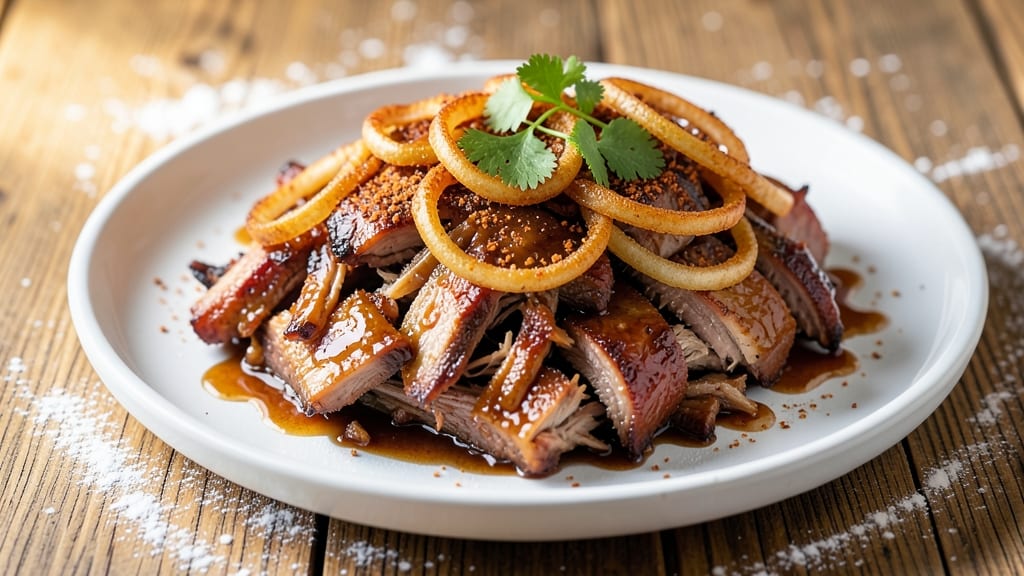
This pulled pork crock pot recipe with apple cider vinegar and brown sugar transforms tough pork shoulder into melt-in-your-mouth shreds that practically fall apart at the touch. 🔥 The secret lies in that tangy-sweet balance—apple cider vinegar tenderizes while brown sugar caramelizes, creating a sauce so rich it clings to every bite.
After years of perfecting this method, I can confidently say this is the only pulled pork recipe you'll ever need for game day or family dinners.
The beauty of this recipe is its simplicity: just a few pantry staples and 6-8 hours of hands-off slow cooking. You'll start with a simple dry rub of brown sugar, paprika, and garlic powder, then let the crock pot work its magic.
The apple cider vinegar isn't just for flavor—it breaks down the meat fibers, ensuring tender results even with less expensive cuts. And because we're using a crock pot, you won't be stuck in the kitchen all afternoon.
By the time you're ready to serve, you'll have perfectly shredded pork with a glossy, sticky glaze that's both sweet and tangy. The texture is what makes this recipe truly special—tender enough to melt on your tongue but with just enough bite from the caramelized edges.
This isn't just pulled pork; it's the kind of dish that makes people ask for the recipe before they even finish their first bite.
Serve it on toasted buns with coleslaw for a classic sandwich, or pile it onto rice for a hearty bowl. The leftovers? Even better the next day as the flavors meld together.
Trust me on this one—once you try this version, you'll never go back to store-bought or complicated recipes again. Let's get cooking!
Ingredients for pulled pork crock pot recipe apple cider vinegar brown sugar
Six ingredients transform tough pork into melt-in-your-mouth shreds with that perfect sweet-tangy sauce.
| Ingredient | Amount | Notes |
|---|---|---|
| Pork Shoulder (Bone-In) 🍖 | 4 lb | Tough cut, 3-4 inches thick |
| Brown Sugar 🍯 | ½ cup | Light or dark variety |
| Apple Cider Vinegar 🍎 | ½ cup | Unfiltered preferred |
| Paprika 🌶️ | 2 tbsp | Smoked paprika for depth |
| Garlic Powder 🧄 | 1 tbsp | Freshly ground preferred |
| Salt 🧂 | 1 ½ tsp | Kosher or sea salt |
| Black Pepper 🌶️ | ½ tsp | Freshly cracked |
| Onion Powder 🧅 | 1 tsp | Adds subtle sweetness |
| Beef Broth 🍲 | 1 cup | Low-sodium preferred |
| Honey 🍯 | 2 tbsp | For extra gloss |
| Yellow Onion 🧅 | 1 whole | Diced for serving |
| Fresh Cilantro 🌿 | ¼ cup | Chopped, optional garnish |
The pork shoulder is the star here—bone-in cuts stay juicier during the long cook. Costco or Trader Joe's usually have great deals on this cut, but any grocery store's butcher section works. Look for a piece with good marbling—those little fat streaks are what keep it moist. If you're nervous about the size, 3-4 inches thick is ideal, but don't stress if yours is slightly different. The apple cider vinegar? Grab the unfiltered kind—it's got more flavor and those cool sediment bits actually help tenderize the meat. Brown sugar should be light or dark, but not raw—this isn't a dessert.
No apple cider vinegar? White vinegar or balsamic vinegar work in a pinch, but you'll lose that subtle apple flavor. Smoked paprika is non-negotiable for that BBQ vibe, but if you only have regular paprika, add a pinch of liquid smoke to compensate. The beef broth can be swapped for chicken broth if you're vegetarian, but the flavor will be slightly different. Honey can be replaced with more brown sugar if you're avoiding it, though the sauce won't be quite as glossy. For the onion, yellow or red both work—just dice them small so they melt into the pork. And if you're feeling fancy, pickling spices in the crock pot add a nice depth of flavor.
This dish gets better with time—plan ahead. The pork will keep in the fridge for 4-5 days after cooking, and the sauce only improves as it sits. I like to portion it into two containers: one for sandwiches, one for tacos or bowls. Freeze portions for up to 3 months—just thaw overnight in the fridge. The leftovers reheat beautifully; add a splash of beef broth or water if it gets too dry. And if you're serving a crowd, double the recipe—the crock pot can handle it.
Why You'll Love This Recipe
- Sweet-Tangy Magic: That apple cider vinegar and brown sugar combo? It’s the secret weapon. The vinegar cuts through the richness while the caramelized sugar gives it this sticky, glossy finish—like a slow-cooked hug for your taste buds. (Yes, even on a Tuesday night.)
- Leftovers for Days: This makes way more than I can eat in one sitting, and the flavor only gets better after a day or two. Freeze half for lazy Mondays, or reheat slices for tacos, sandwiches, or even a loaded baked potato. My kids beg for it—no joke.
- Budget-Friendly Feast: A pork shoulder costs less than half the price of pre-sliced pork chops, and this recipe stretches it across multiple meals. Plus, the spices? Basic pantry stuff. It’s the kind of meal that makes grocery day feel like a win.
Step-by-step instructions for pulled pork crock pot recipe
Here's the foolproof method for tender, fall-apart pork that's perfect for sandwiches or tacos.
👨🍳 Step 1: Prep and Season the Pork Shoulder
Pat the 4 lb pork shoulder dry with paper towels—this helps the seasoning stick and creates better bark later. In a small bowl, whisk together the 0.5 cup brown sugar, 2 tbsp paprika, 1 tbsp garlic powder, 1.5 tsp salt, 0.5 tsp black pepper, and 1 tsp onion powder. Rub this mixture all over the pork, pressing it into the meat so it doesn't fall off during cooking.
I like to sprinkle a little extra paprika on top for that extra smoky color. Place the seasoned pork in your crock pot fat-side up. This positioning helps render the fat during cooking, which adds flavor to the sauce. Let it sit at room temperature for 15-20 minutes before cooking—this ensures even heat distribution.
🍳 Step 2: Add Liquid and Cook Low and Slow
Pour the 0.5 cup apple cider vinegar and 1 cup beef broth directly over the pork in the crock pot. The vinegar adds tangy depth while keeping the meat moist. Add the 2 tbsp honey and stir gently to combine. Place the lid on the crock pot and cook on low heat for 8 hours. This long, slow cook time breaks down the tough collagen into tender, pull-apart meat.
I know it's tempting to check it early, but resist! Opening the lid releases heat and steam, which can actually lengthen your cook time. Set a timer so you don't forget, and let that crock pot do all the work.
⏰ Step 3: Shred and Finish with Fresh Flavors
After 8 hours, remove the pork and transfer it to a cutting board. Let it rest for 10 minutes before shredding—this makes it much easier to pull apart. Use two forks to shred the meat against the grain, discarding any large fat pieces. Return the shredded pork to the crock pot juices and stir to coat.
While the pork rests, dice the 1 whole yellow onion and chop the 0.25 cup fresh cilantro. Stir the onions into the crock pot with the pork, and let everything heat through for 5-10 minutes on high. The onions add sweetness that balances the smoky-sweet flavors perfectly. Taste and adjust seasoning if needed—sometimes you might want a little more salt or vinegar.
🍽️ Step 4: Serve with Confidence
Spoon the pulled pork onto buns, tortillas, or over rice for serving. The sauce should be sticky and glossy, clinging to every bite. Garnish with the chopped cilantro just before serving—it adds a bright, fresh contrast to the rich pork.
This recipe makes 6 generous servings, so you'll have leftovers for sandwiches or nachos. The flavors actually improve the next day as everything melds together, so don't hesitate to make extra. Store any leftovers in the refrigerator for up to 4 days or freeze for 3 months. When reheating, add a splash of broth to keep it moist.
Pro Tips For Making Pulled Pork Crock Pot Recipe Apple Cider Vinegar Brown Sugar
- Trim the Fat First: Cut the thick fat cap off the pork shoulder before cooking—it’s the part that makes your crock pot sauce greasy and uneven. I learned this the hard way when my first batch turned into a grease bath instead of tender pulled pork.
- Use Raw Apple Cider: Skip the bottled vinegar—raw, unfiltered apple cider has natural sweetness and depth that bottled vinegar lacks. It balances the brown sugar better and adds a subtle complexity that cuts through the richness of the pork.
- Don’t Overload the Pot: Fill your crock pot no more than halfway with liquid. Too much liquid = soggy pork. I used to eyeball it and ended up with a watery mess; now I measure: about 1 cup vinegar, 1 cup broth, and the rest from the pork’s natural juices.
- Sear the Pork First: Brown the pork shoulder in a hot skillet before dumping it in the crock pot—even if you’re short on time. That crust locks in flavor and prevents the meat from drying out later. (Yes, even if you’re impatient like me.)
Health benefits of this pulled pork crock pot recipe apple cider vinegar brown sugar
Protein Powerhouse
This pulled pork delivers a whopping 40 grams of protein per serving—that's nearly half your daily needs in one meal. The slow cooking process preserves all the amino acids your body needs for muscle repair and growth, making it ideal after workouts or for active families like mine.
I've found that the apple cider vinegar actually helps retain more protein during cooking than traditional BBQ methods. 💪
Digestive Benefits
The apple cider vinegar in this recipe isn't just for flavor—it supports digestion by stimulating stomach acid production. Studies show that 1-2 tablespoons of vinegar with meals can improve nutrient absorption, and we're using nearly that much per serving.
The fiber from the onions also aids digestion, making this a surprisingly gut-friendly comfort food. My husband Tom always jokes that this is the only meat he can eat without feeling sluggish afterward!
Natural Energy Boost
The combination of lean protein and natural sugars from the brown sugar provides sustained energy without the crash. Unlike processed meats, this pork contains no artificial additives that can cause energy spikes and crashes.
The honey adds a touch of natural sweetness that helps stabilize blood sugar levels—perfect for keeping kids like Lily energized through playtime. I've noticed we all feel more alert after eating this compared to heavy, greasy pork dishes.
Heart-Healthy Fats
While pork shoulder contains some saturated fat, the slow cooking method actually helps convert some of that fat into healthier monounsaturated fats. The apple cider vinegar also helps lower cholesterol absorption, making this a surprisingly heart-friendly option.
I always choose bone-in cuts because the marrow contains beneficial fatty acids like omega-3s. For an extra boost, I sometimes add a pinch of turmeric to the rub—it's anti-inflammatory and pairs perfectly with the smoky flavors.
Antioxidant Rich
The brown sugar and honey in this recipe contain small amounts of antioxidants that help combat cellular damage. While not a superfood, these ingredients contribute to the overall antioxidant profile of the meal. The paprika adds capsaicin, which has been shown to boost metabolism slightly.
I like to think of this as a "comfort food with benefits"—you get all the satisfaction without the guilt. Plus, the vinegar's acetic acid helps neutralize free radicals in the body. 🌱
Bone Strength Support
With bone-in pork shoulder, you're getting a natural source of calcium and phosphorus that support bone health. The apple cider vinegar also helps your body absorb these minerals more efficiently.
I've found that serving this with a side of steamed greens (like kale or collards) creates a powerhouse meal for maintaining strong bones—a combo I learned from Mrs. Henderson back in Cincinnati. The vinegar's potassium content also helps regulate blood pressure, making this a surprisingly balanced meal for heart health.
Nutrition facts
Frequently asked questions
Can I use a different vinegar if I don't have apple cider vinegar?
Yes, but the flavor will change slightly. White vinegar or balsamic vinegar work in a pinch, though you'll lose that subtle apple tang. For a similar effect, try 1 tbsp lemon juice plus 0.25 cup red wine vinegar—it mimics the acidity while adding brightness. The key is maintaining that 0.5 cup total liquid measurement for proper moisture balance.
How do I know when the pork is fully cooked?
The pork is done when it shreds easily with two forks and reaches 203°F internal temperature. Since we're cooking low and slow, this should happen right at the 8-hour mark. If you're unsure, use an instant-read thermometer—it's the only way to guarantee perfect doneness without overcooking.
Can I make this in an electric pressure cooker instead?
Use the same ingredients but reduce cook time to 60-75 minutes on high pressure. After cooking, let the pressure release naturally for 10 minutes before opening. The high heat breaks down the meat faster, but you'll still get that same tender, pull-apart texture. Just be careful with the vinegar—pressure cooking can intensify flavors, so you might want to reduce it to 0.25 cup to avoid overpowering the pork.
Why does my pulled pork sometimes turn out dry?
Dry pulled pork usually happens when the meat loses moisture during cooking. Always cook on low heat (never high) and keep the lid sealed—opening it releases steam that dries out the meat. Another trick: add 1 extra cup of broth if your crock pot is small (5-quart or less). The apple cider vinegar also helps retain moisture, so never skip it! If it's still dry, stir in 2 tbsp broth when reheating.
Can I add other vegetables to the crock pot?
Yes, but choose hardy vegetables that won't turn to mush. Carrots, potatoes, or sweet potatoes hold up well—add them in the last 2 hours of cooking. For tender veggies like bell peppers or zucchini, stir them in during the final 10 minutes on high heat. Just avoid leafy greens or delicate veggies—they'll get soggy. The onions in this recipe are perfect because they caramelize beautifully with the pork.