
Main Courses
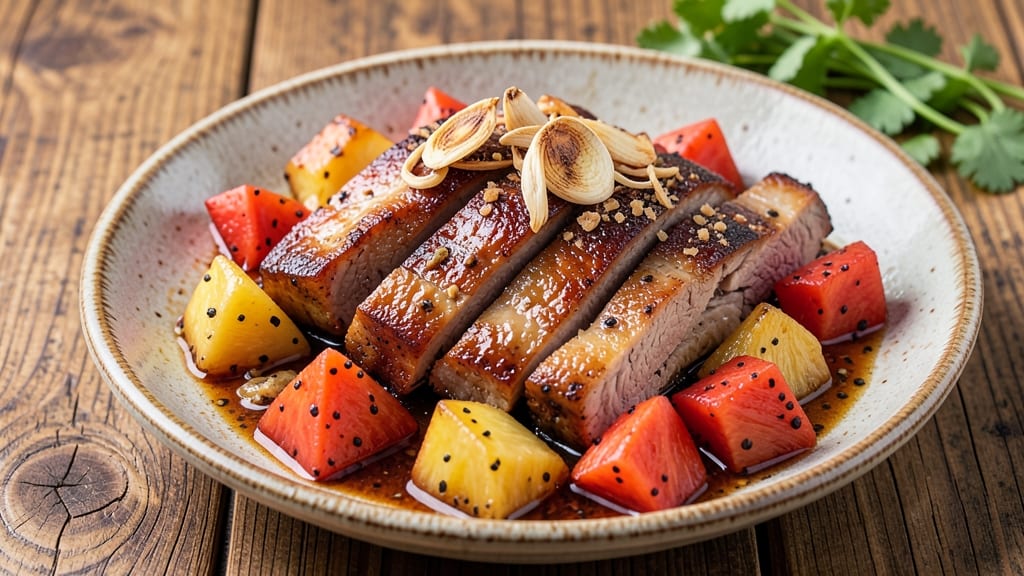
This pork pata humba with pineapple recipe in Pinoy style delivers the perfect balance of sweet and tangy flavors that define Filipino comfort food. 🌟 The secret lies in marinating the pork with vinegar, soy sauce, and garlic—just like traditional adobo—before braising it until tender.
Then comes the magic: caramelizing pineapple into a glossy glaze that transforms simple pork into something extraordinary. What makes this dish special is how the flavors develop over time.
The vinegar tenderizes the pork while the soy sauce adds depth, and the pineapple brings just the right amount of sweetness to cut through the richness. I've perfected this recipe to ensure the pork stays juicy and the sauce clings perfectly to every bite, creating that signature sticky-sweet glaze.
By the time you serve this dish, you'll have a restaurant-quality meal that pairs beautifully with steamed rice, atchara (Filipino pickled vegetables), or garlic fried rice.
The aroma alone will have everyone gathering at the table, and the first bite delivers that perfect harmony of flavors that makes this a family favorite. The best part? This recipe is foolproof and delivers authentic Filipino taste without requiring any special equipment.
Let's get cooking and bring a taste of the Philippines to your dinner table tonight.
Ingredients for pork pata humba with pineapple recipe pinoy style
Pork shoulder, pineapple chunks, and aromatic spices—this Pinoy-style dish transforms simple ingredients into a sticky-sweet masterpiece.
| Ingredient | Amount | Notes |
|---|---|---|
| Pork Shoulder 🥩 | 2 lb | Bone-in for flavor, cut into 2-inch chunks |
| Fresh Pineapple 🍍 | 1 whole | Cubed, skin and core removed |
| White Vinegar 💧 | ½ cup | Distilled preferred for tang |
| Soy Sauce 🍶 | ⅓ cup | Filipino-style preferred |
| Garlic Cloves 🧄 | 6 cloves | Minced, for marinade and glaze |
| Brown Sugar 🍚 | ¼ cup | Packed, for caramelization |
| Olive Oil 🫒 | 2 tbsp | For searing pork |
| Salt 🧂 | 1 ½ tsp | Kosher or sea salt |
| Black Peppercorns 🌶️ | ½ tsp | Freshly cracked |
| Bay Leaves 🍃 | 2 whole | For aromatic depth |
| Onion 🧅 | 1 whole | Thinly sliced, for braising |
| Green Bell Pepper 🌶️ | 1 whole | Sliced, for color and crunch |
| Sugar 🍬 | 2 tbsp | Granulated, for pineapple glaze |
| Water 💧 | ½ cup | For braising liquid |
The pork shoulder is non-negotiable—bone-in cuts stay juicier and absorb flavors better. Look for well-marbled cuts at Filipino markets or the meat section of Whole Foods, where they often carry authentic Asian cuts. If you can't find bone-in, use pork loin and add an extra 30 minutes to the braising time. The pineapple should be fresh and firm; Costco is perfect for this recipe. For the marinade, Filipino soy sauce (like Silver Swan) adds that authentic umami kick—don't substitute regular soy sauce unless you're in a pinch. The garlic? Freshly minced makes all the difference, so don't skip this step.
No Filipino soy sauce? Japanese soy sauce with a dash of oyster sauce works in a bind. Running short on fresh pineapple? Canned pineapple chunks in juice (drained) save the day—just add an extra tablespoon of sugar to compensate for the lack of fresh sweetness. Want to skip the brown sugar? Maple syrup or honey (if not vegan) adds depth, but reduce the amount to 2 tablespoons since it's sweeter. The bay leaves are optional but add that subtle earthy note that elevates the dish. If you're feeling adventurous, swap the green bell pepper for red bell pepper or jalapeño for a spicy twist. The key is balancing the sweet, sour, and savory—trust your taste buds to adjust as you go.
This dish tastes even better the next day, so make extra. Store leftovers in an airtight container in the fridge for up to 5 days, or freeze for 3 months—the flavors deepen over time, becoming richer and more complex. For serving, keep the pork and pineapple glaze separate until ready to plate; reheating them together ensures that signature sticky texture. Pair with steamed jasmine rice or garlic fried rice to soak up every last drop of that luscious sauce. The aroma alone will have your whole house gathering at the table—just like in the Philippines!
Why You'll Love This Recipe
- One-Pan Magic: I swear by this recipe—just chop the pork into chunks, toss it with garlic, soy sauce, and vinegar, then let the oven do the work. No flipping, no fussing, and that pineapple caramelizes into sweet perfection right on the same tray.
- Sweet-Savory Balance: The garlic and vinegar cut through the pork’s richness while the pineapple adds a bright, tangy punch. It’s not too sweet, not too salty—just that perfect harmony where every bite feels like a little celebration.
- Leftover Goldmine: This dish actually tastes better the next day. I make a big batch on Sundays, and by Wednesday, it’s still my go-to for quick lunches. The flavors deepen, and the pork gets even more tender—ideal for busy weeks.
- Budget-Friendly Feast: Pork shoulder is cheap, and pineapple stretches it into a meal that feeds four for under $15. Plus, the vinegar and soy sauce are pantry staples, so you’re not breaking the bank for fancy ingredients. A solid win for my wallet and my taste buds.
Step-by-step instructions for pork pata humba with pineapple
This Filipino crowd-pleaser delivers melt-in-your-mouth pork with a caramelized glaze—here's how to nail it every time.
🔥 Step 1: Sear the Pork Shoulder for Deep Flavor
Heat a heavy pot or Dutch oven over medium-high heat and add the 2 tablespoons olive oil. Once shimmering, add the 2 lb pork shoulder cut into 2-inch chunks, working in batches if needed to avoid crowding. Sear for 3-4 minutes per side until deep golden brown—this creates the Maillard reaction that builds rich flavor.
While searing, I like to press down gently on the pork chunks during the first minute—this prevents them from curling and ensures even contact with the pan. Remove the pork to a plate and set aside. Here's the thing—don't skip this searing step. The caramelized crust becomes the foundation for that irresistible sweet-tart glaze we're building.
🍳 Step 2: Build the Sweet-Tart Marinade Base
In the same pot (no need to wipe it clean—those browned bits are flavor gold), add the 1 whole onion sliced thin and 1 whole green bell pepper sliced. Cook for 5 minutes until softened. Add the 6 cloves minced garlic cloves and cook for 30 seconds until fragrant—this prevents bitter garlic flavors.
Pour in the 0.5 cup white vinegar and 0.33 cup soy sauce, scraping up all those delicious browned bits from the bottom. Bring to a simmer, then add the 2 whole bay leaves, 1.5 teaspoons salt, and 0.5 teaspoon cracked black peppercorns. Let this aromatic base cook for 3 minutes until slightly reduced—this intensifies the flavors that'll penetrate the pork.
🥘 Step 3: Braise the Pork Low and Slow
Return the seared pork to the pot, nestling the chunks into the marinade. Add the 0.5 cup water and bring to a gentle simmer. Here's where patience pays off—cover and reduce heat to low, then simmer for 1 hour 30 minutes until the pork is fork-tender. I know it seems like forever, but this slow braising breaks down the connective tissue into silky, melt-in-your-mouth texture.
After 1 hour of cooking, check the liquid level—it should be reduced but still covering about half the pork. If it's too thin, uncover and simmer for 10 minutes to thicken slightly. The pork is done when it pulls apart easily with two forks and the internal temperature reaches 200°F—this probe-tender stage is crucial for that perfect texture.
🍍 Step 4: Create the Signature Pineapple Glaze
While the pork braises, prepare the pineapple topping. In a separate saucepan, combine the 1 whole fresh pineapple cubed, 0.25 cup packed brown sugar, and 2 tablespoons granulated sugar. Cook over medium heat for 8-10 minutes until the pineapple softens slightly and the sugars caramelize into a syrupy glaze. You'll see the mixture reduce and turn a beautiful amber color—this is your visual cue it's ready.
Here's the moment that matters: remove the pork from the braising liquid and transfer it to a serving platter. Strain the braising liquid through a fine-mesh sieve into a bowl, discarding the bay leaves. Pour the pineapple glaze over the pork, then spoon the strained braising liquid over the top. The combination of sweet pineapple and savory braising liquid creates that signature sweet-tart flavor balance that makes Pata Humba so addictive.
⏰ Step 5: Rest and Serve with Perfect Texture
Let the pork rest for 10 minutes before serving—this allows the juices to redistribute throughout the meat. The resting also lets the glaze set slightly, creating a beautiful caramelized crust that clings to every bite. Serve with steamed rice to soak up all that delicious sauce, and garnish with extra pineapple cubes if you're feeling fancy.
Each bite should deliver tender, juicy pork with a perfect balance of sweet pineapple and tangy-savory braising liquid. The contrast of textures—tender pork, slightly caramelized glaze, and fresh pineapple—is what makes this dish so memorable. Don't be surprised if everyone asks for seconds!
Pro Tips For Making Pork Pata Humba With Pineapple Recipe Pinoy Style
- Braise the Pork Long: This isn’t a quick weeknight dish—plan for at least 2 hours simmering. I used to rush it, and the pork stayed tough. Low heat (just bubbles, not a boil) breaks down the collagen, turning it fork-tender. If you’re in a hurry, slice thinner, but don’t skimp on time.
- Core the Pineapple Right: Cut the pineapple into 1-inch chunks before removing the core—it’s easier. And skip the canned juice; fresh pineapple’s acidity balances the soy and vinegar better. If using pre-cut pineapple, drain it well—too much liquid dilutes the sauce.
- Deglaze with Vinegar First: After browning the garlic and pork, splash in all the white vinegar first. Let it sizzle and cook off for 2 minutes—this cuts the harshness and builds flavor. Then add soy sauce and broth. (I learned this after a batch tasted too sharp.)
- Save the Broth: Strain the cooking liquid through a fine-mesh sieve to remove pineapple fibers—it makes the sauce silky. If you’re lazy, just skim the big chunks with a spoon, but the difference is noticeable. (Yes, even if you’re impatient like me.)
Wine and beer pairings for these flavors
Filipino White Wine
For this sweet-tart dish, I always reach for a crisp Filipino white wine like Petron White or Lambrusco. These wines cut through the richness of the pork while complementing the pineapple's natural sweetness.
Serve slightly chilled—around 50°F—to enhance the wine's acidity and balance the dish's caramelized notes. The citrus undertones in these wines mirror the tangy vinegar base in the braising liquid. 🍷
Fruity Red Options
If you prefer red wine, go for a light-bodied Pinot Noir from the Philippines like Tawiran. Its bright acidity and red fruit flavors harmonize beautifully with the pineapple glaze.
Avoid heavy reds like Cabernet Sauvignon—they'll overpower the delicate flavors. I like to decant mine for 20 minutes before serving to let the wine breathe and soften its tannins. 🍇
Local Lager Pairings
For beer lovers, a Filipino lager like San Miguel or Red Horse works perfectly. The crisp, clean profile of these beers cleanses your palate between bites of rich pork and sweet pineapple.
I often serve them ice-cold with a slice of calamansi (Filipino lime) to add a bright citrus note that echoes the dish's tangy marinade. 🍺
Non-Alcoholic Choices
For a refreshing non-alcoholic option, try calamansi soda or pineapple juice spiked with a splash of ginger ale. The effervescence helps cut through the richness, while the citrus notes complement the pineapple glaze.
I like to serve it over ice with a sprinkle of crushed ice and a pineapple wedge for garnish. This drink feels like a vacation in a glass. 🍹
Coffee Pairing
Believe it or not, a smooth Filipino coffee like Barako or Kalsada makes an unexpected but excellent pairing. The nutty, slightly bitter notes of the coffee balance the sweetness of the pineapple and the savory depth of the pork.
Serve it black or with just a splash of condensed milk—this classic Filipino coffee style adds a creamy contrast to the dish. ☕
Nutrition facts
Frequently asked questions about Pinoy-style pork pata humba
Can I substitute pineapple with another fruit for the glaze?
While pineapple gives that signature sweet-tart flavor, you can use mango or papaya for a similar tropical effect. For a different twist, try peaches or plums—just reduce the sugar to 1 tablespoon since these fruits are naturally sweeter. The key is balancing the fruit's natural sugars with the tangy braising liquid.
How do I know when the pork is fully tender?
The pork is done when it reaches an internal temperature of 200°F and pulls apart easily with two forks. For extra assurance, cut into a small piece—if it's fork-tender and the juices run clear, it's perfect. If it's still slightly firm, return it to the pot for another 15-20 minutes covered. Overcooking can make it dry, so patience is key!
Can I make this dish in a slow cooker?
Brown the pork first in a skillet, then transfer everything (including the braising liquid) to your slow cooker. Cook on low for 8 hours or high for 4-5 hours. After cooking, remove the pork and strain the liquid, then finish with the pineapple glaze as directed. The slow cooker method is perfect for busy weeknights—just check occasionally to prevent overcooking.
What's the best way to reheat leftovers?
Reheat in a skillet over medium-low heat with a splash of water or pineapple juice to maintain moisture. Cover and cook for 5-7 minutes, stirring occasionally, until warmed through. For extra flavor, add a pinch of Filipino soy sauce or a splash of calamansi juice. Never microwave—it makes the pork dry and the glaze watery.
Why did my glaze turn out too runny?
This usually happens if the pineapple wasn't cooked long enough or if too much liquid was added during braising. To fix it, simmer the strained braising liquid uncovered for 5-10 minutes to reduce it. For the glaze, mash some of the pineapple chunks against the saucepan sides to release their juices, then cook for another 2-3 minutes until thickened. A proper glaze should coat the back of a spoon!