
Main Courses
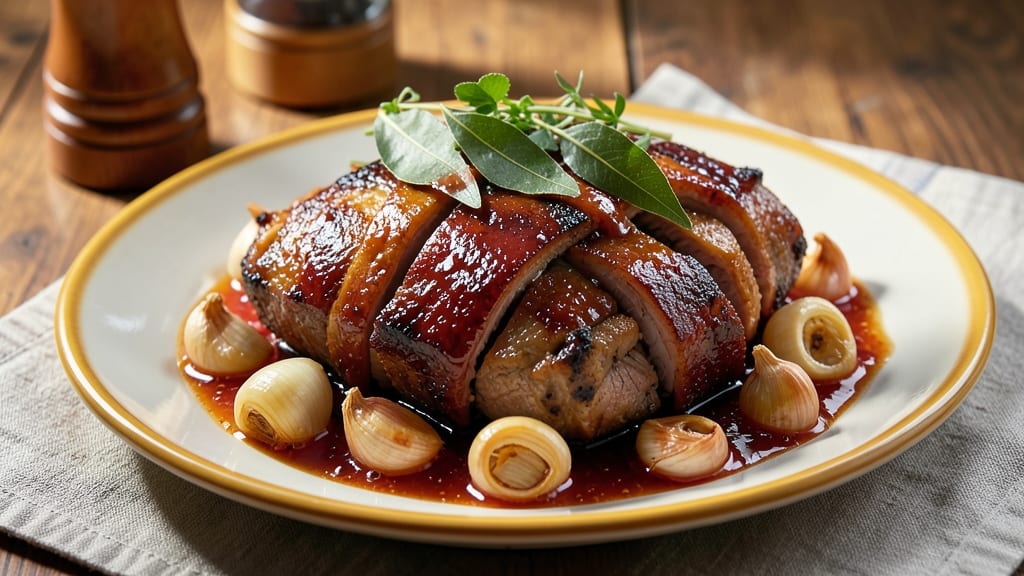
This Filipino-style pork hamonado recipe transforms simple pork into a tender, tangy masterpiece using pineapple juice and vinegar—just like my abuela used to make. The secret lies in the marinade, where the acidity tenderizes the meat while keeping it juicy, creating a dish that's both comforting and vibrant. I first tasted this at a family gathering in Austin, where the aroma of pineapple and vinegar filled the air, drawing everyone to the table.
The beauty of this recipe is its simplicity: just a few ingredients—pork, vinegar, pineapple juice, and a touch of sugar—come together to create a dish that's rich in flavor and texture.
The braising method ensures the meat stays moist and absorbs all the tangy, slightly sweet marinade, while the celery-pepper crunch adds a refreshing contrast. It’s a dish that balances bold flavors with ease, making it perfect for weeknight dinners or special gatherings.
What you’ll end up with is a dish that’s tender, juicy, and packed with layers of flavor—each bite delivers a perfect balance of sweet, tangy, and savory notes. The pork is so flavorful that it pairs beautifully with steamed rice or a simple green salad, making it a complete meal.
This recipe is a testament to how a few simple ingredients can create something truly special, and it’s one that I return to time and time again.
The best part? This dish is incredibly versatile. You can grill it for a smoky twist, pan-sear it for a quicker option, or even slow-cook it for extra tenderness. The key is patience—letting the marinade work its magic and the pork cook just right.
Once you try it, you’ll understand why this dish is a staple in Filipino kitchens and why it’s become a favorite in mine.
Ingredients for pork hamonado recipe filipino style with pineapple juice
Pork, pineapple juice, and vinegar—these three ingredients transform simple pork into a tender, tangy masterpiece.
| Ingredient | Amount | Notes |
|---|---|---|
| Pork Shoulder 🥩 | 2 lb | Bone-in for flavor, cut into chunks |
| Pineapple Juice 🍍 | 1 cup | Freshly squeezed, no pulp |
| White Vinegar 🍶 | ½ cup | Distilled or cane vinegar |
| Granulated Sugar 🍚 | ¼ cup | White or brown sugar |
| Garlic Cloves 🧄 | 6 cloves | Minced, fresh preferred |
| Bay Leaves 🌿 | 2 whole | Dried, for depth of flavor |
| Black Peppercorns 🌶️ | 1 tsp | Crushed, for warmth |
| Celery Stalks 🧅 | 2 whole | Chopped, for crunch |
| Green Bell Pepper 🍅 | 1 whole | Diced, for freshness |
| Olive Oil 🫒 | 2 tbsp | Extra-virgin for richness |
| Salt 🧂 | 1 ½ tsp | Kosher or sea salt |
| Garlic Powder 🧄 | ½ tsp | For extra garlic flavor |
| Fresh Cilantro 🌿 | ¼ cup | Chopped, for garnish |
The pork shoulder is the star—bone-in for extra flavor, but bone-out works too if you're short on time. Look for well-marbled cuts at the butcher counter or pre-cut pork shoulder at Costco for convenience. Fresh pineapple juice is ideal, but canned works in a pinch (just shake the can to redistribute the juice). The vinegar is non-negotiable—it's what tenderizes the meat while keeping it juicy. For the best flavor, grab cane vinegar if you can find it, but regular white vinegar does the job. The sugar balances the acidity, so don't skip it—even if you're not sweet-toothed, this dish needs that touch of sweetness to shine.
No fresh pineapple juice? Coconut water or even orange juice can work in a bind, though the flavor will be different. Running out of vinegar? Lemon juice at double the amount gives a similar tang. The bay leaves add depth, but if you're out, a sprig of thyme or oregano will work. For the crunchy topping, baby carrots or jicama can stand in for celery if you're feeling adventurous. The bell pepper can be any color—red, yellow, or orange all work beautifully. Pro tip: Toast your celery and bell pepper in olive oil for 2 minutes before adding—it brings out their natural sweetness.
This dish tastes even better the next day, so make extra if you can. Store leftovers in an airtight container in the fridge for up to 5 days—the flavors meld beautifully over time. For longer storage, freeze portions for up to 3 months. Reheat gently in a skillet with a splash of water or broth to keep it moist. I always serve this with steamed jasmine rice—the grains soak up all that delicious braising liquid. Garnish with fresh cilantro right before serving (the good stuff, not the dried kind) for a pop of freshness.
Why You'll Love This Recipe
- One-Pot Magic: I swear by this recipe when I’m too tired to wash a million dishes. The pork shoulder simmers right in the pineapple juice and vinegar—no extra pans, no fuss. Just dump, simmer, and let the garlic and sugar work their magic while you sip your coffee.
- Sweet-Sour Crispy Bliss: Between us, that caramelized crust on the pork? Absolute perfection. The pineapple juice keeps it tender, while the vinegar and sugar create this irresistible glossy sheen. It’s the kind of dish that makes people ask, “What’s in it?”—then beg for the recipe.
- Party-Ready in Minutes: Honestly, this is my go-to for gatherings. Serve it cold with rice for a potluck, or slice it thin for tacos when friends drop by. The leftovers? Even better the next day—trust me, I’ve tested it.
- Budget Stretch: Pork shoulder is cheap, and this recipe turns it into something luxurious. A single cut feeds my family for days, and the pineapple juice adds that tropical flair without breaking the bank. Plus, no fancy ingredients—just pantry staples. Win-win.
Step-by-step instructions for Filipino-style pork hamonado
This braising method transforms tough pork into melt-in-your-mouth perfection with tangy pineapple and aromatic spices.
Sear the Pork Shoulder for Deep Flavor
Pat the 2 lb pork shoulder dry with paper towels—this ensures a proper sear. Heat 2 tablespoons olive oil in a large Dutch oven over medium-high heat until shimmering. Working in batches to avoid crowding, add the pork chunks and sear for 3-4 minutes per side until deeply golden brown. You'll see those beautiful caramelized edges form—that's where all the flavor develops.
As the pork browns, it releases juices that create a rich fond at the bottom of the pan. Don't drain these! They'll form the base of your braising liquid. Once all pieces are browned, remove them from the pot and set aside on a plate.
Build the Tangy Braising Liquid
In the same Dutch oven, reduce heat to medium and add the 6 cloves minced garlic, 2 whole chopped celery stalks, and 1 whole diced green bell pepper. Sauté for 3-4 minutes until the vegetables soften slightly and release their aromas—this is where the foundation of your dish's complex flavor comes together.
Pour in the 1 cup pineapple juice, 0.5 cup white vinegar, and 0.25 cup granulated sugar. Stir to combine, then add the 1.5 teaspoons salt, 0.5 teaspoon garlic powder, 1 teaspoon crushed black peppercorns, and 2 whole bay leaves. Bring the mixture to a gentle simmer, scraping up any browned bits from the bottom of the pot—this step captures all that seared flavor.
Braise Until Fork-Tender
Return the seared pork to the pot, nestling the pieces into the braising liquid. The liquid should come about halfway up the pork chunks—if it doesn't, add a splash of water. Bring to a boil, then immediately reduce heat to low, cover tightly with a lid, and let it simmer gently for 2 to 2.5 hours. Here's the key: you want the pork to cook slowly and evenly, breaking down the tough connective tissue into tender, melt-in-your-mouth perfection.
Check periodically to ensure the liquid doesn't evaporate completely—add a little water if needed. The pork is done when it easily pulls apart with two forks and the internal temperature reaches 200°F in the thickest part. This low-and-slow method is what makes hamonado so special—patience pays off with incredibly tender meat.
Finish with Fresh Herbs
Once the pork is tender, remove it from the pot and transfer to a serving platter. Strain the braising liquid through a fine-mesh sieve into a clean saucepan, discarding the vegetables and bay leaves. Return the liquid to medium-high heat and simmer until slightly thickened—about 5-7 minutes. This reduces the sauce and intensifies its flavor.
Taste and adjust seasoning if needed, then stir in the 0.25 cup chopped fresh cilantro. Spoon the sauce over the pork and serve immediately with steamed rice. The bright acidity of the pineapple and vinegar cuts through the richness of the pork, creating a perfect balance of flavors that's quintessentially Filipino.
Pro Tips For Making Pork Hamonado Recipe Filipino Style With Pineapple Juice
- Sear First, Then Braise: After cutting your pork shoulder into chunks, hit the pan with high heat—no rushing here. A deep caramelized crust locks in flavors, so don’t skip this step even if you’re impatient. I used to braise straight away, and the meat always tasted duller.
- Strain the Juice: Skip the pulp when measuring pineapple juice—it burns and makes the sauce bitter. Strain it through a fine-mesh sieve, then reduce it with vinegar and sugar on medium-low heat until it’s syrupy. Trust me, your sauce will thank you.
- Don’t Overcrowd the Pan: If you pile all the pork in at once, it’ll steam instead of sear. Work in batches—2-3 chunks at a time—so the garlic and onions get that golden, nutty flavor. I learned this the hard way when my first batch tasted bland.
- Taste as You Go: The hamonado sauce should balance sweet, tangy, and savory. Taste it every 10 minutes after adding vinegar and sugar—adjust with extra sugar if it’s too sharp or a splash of vinegar if it’s cloying. No guesswork here.
Pro cooking tips for this recipe
Marinade Mastery
The key to perfect pork hamonado lies in the marinade ratio: 1 cup pineapple juice to ½ cup white vinegar creates the ideal balance of sweet and tangy. I always use freshly squeezed pineapple juice—it adds natural sweetness without overpowering.
For extra depth, I add 6 minced garlic cloves and 2 bay leaves directly to the marinade. Let the pork soak for at least 4 hours (overnight is best) in the fridge—this ensures maximum tenderness. Trust me, skipping this step means tougher meat. 🍍
Sear Like a Pro
Never rush the sear! Pat the pork bone-dry with paper towels before hitting the pan—this creates a perfect crust. Use a large Dutch oven (I love my Le Creuset) and work in batches if needed. Sear at medium-high heat for 3-4 minutes per side until deep golden brown.
The Maillard reaction happening here builds flavor that no other step can replicate. Pro tip: Let the pork rest 5 minutes after searing before adding it to the braising liquid—this keeps it juicy.
Braising Time
Low and slow is non-negotiable for hamonado. After searing, add the pork to the braising liquid and simmer uncovered for 2 hours, then covered for 2-2.5 hours total. The internal temperature should reach 200°F—this is when the collagen breaks down into gelatin, making the meat fork-tender.
I set my timer and check every 30 minutes to ensure the liquid doesn't evaporate completely. If it does, add ¼ cup water to maintain the balance. Patience here transforms tough pork into melt-in-your-mouth perfection. ⏱️
Sauce Reduction
The final sauce should coat the back of a spoon but still be bright and tangy. After removing the pork, strain the liquid into a saucepan and reduce over medium-high heat for 5-7 minutes. This step intensifies the flavors—don't skip it!
Stir in ¼ cup chopped cilantro right before serving to add freshness. If the sauce is too thin, reduce it longer; if too thick, add a splash of pineapple juice to balance. The perfect sauce should cling to the pork without overwhelming it.
Equipment Essentials
You don't need fancy tools, but these make life easier: a large Dutch oven (like All-Clad), tongs for searing, and a meat thermometer (I swear by ThermoWorks Smoke). A fine-mesh sieve helps strain the sauce cleanly, and a wooden spoon prevents scratching your pot.
For extra flavor, I sometimes add 1 tsp fish sauce to the braising liquid—it adds umami depth that pairs perfectly with the tangy pork. Keep these tools handy, and you'll nail this dish every time. 🔥
Nutrition facts
Frequently asked questions
Can I substitute pineapple juice with something else?
Yes! If you don't have pineapple juice, try coconut water for a milder sweetness or orange juice for a citrusy twist. For extra tang, use lemon juice doubled (replace 1 cup pineapple juice with 2 cups lemon juice). The key is balancing sweetness and acidity—adjust sugar to taste.
How do I make this dish less acidic?
Reduce the vinegar by ¼ cup and add 1 extra tablespoon sugar to balance. For a creamier finish, stir in 2 tablespoons coconut milk at the end. The pork's natural richness will also help mellow the tang. Taste as you go!
Can I use pork tenderloin instead of pork shoulder?
Pork tenderloin works but requires half the cooking time (1 hour instead of 2.5 hours). Slice it into 1-inch chunks and reduce the marinade by 25% since it's leaner. The texture will be more delicate but still delicious!
Why does my pork hamonado turn out tough?
Overcooking is the #1 culprit! Use a meat thermometer—pork should reach 200°F for tenderness. Also, ensure you're using bone-in pork shoulder (the bone adds flavor and moisture). If the meat is still tough, simmer it 15 more minutes with ¼ cup water to rehydrate.
Can I make this in an Instant Pot?
Sear the pork first, then add all ingredients and cook on High Pressure for 35 minutes (natural release). For extra tenderness, increase to 40 minutes. The pressure cooker cuts time but keeps the meat juicy. Just reduce the sauce longer afterward to compensate.