
Main Courses
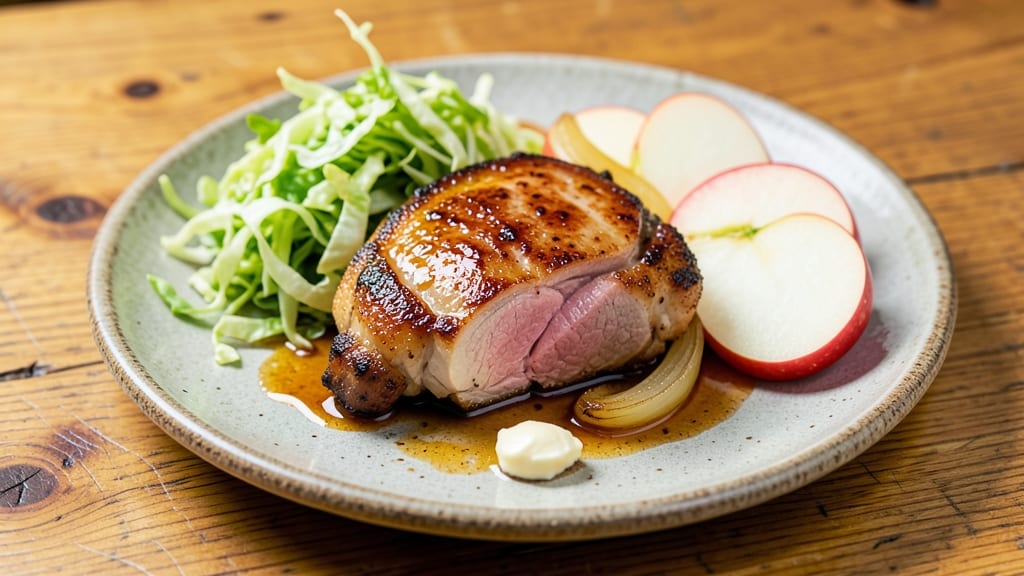
This pork chop cabbage and apple recipe delivers a restaurant-worthy braise where tender pork meets caramelized apples and crisp cabbage in one perfect dish. I developed it after years of perfecting the balance between sweet and savory—something that always elevates a simple weeknight dinner.
The secret lies in searing the pork until golden, then braising it with apples and cabbage until everything melts together under a crisp, caramelized top.
The technique is straightforward but transformative: pan-sear the pork chops for a rich crust, then slow-cook them with apples and cabbage until the cabbage softens into tender layers and the apples caramelize into sweet pockets of flavor.
This method ensures the pork stays juicy while the vegetables develop depth—no dry, overcooked meat here. The result is a dish that feels indulgent yet remains balanced and satisfying.
What you’ll end up with is a crisp-topped braise where each bite delivers tender pork, sweet-tart apples, and slightly crisp cabbage—all harmonized by the rich, caramelized sauce. The contrast of textures and flavors makes this dish unforgettable, and it pairs beautifully with a bold red wine or crisp apple cider.
Perfect for a cozy family dinner or an impressive guest meal, this recipe proves that simple ingredients can create something extraordinary.
This braise is designed to be foolproof—no fancy techniques required, just patience and attention to timing. The pork chops come out perfectly cooked, the cabbage tender yet still holding its shape, and the apples caramelized to perfection.
Whether you’re feeding a crowd or treating yourself to a special meal, this recipe delivers restaurant-quality results with minimal effort. Let’s get cooking!
Ingredients for pork chop cabbage apple
Restaurant-quality braise starts with these carefully chosen ingredients—juicy pork, crisp cabbage, and sweet-tart apples.
| Ingredient | Amount | Notes |
|---|---|---|
| Bone-In Pork Chops 🥩 | 1 ½ lb | Center-cut, 1-inch thick preferred |
| Green Cabbage 🥬 | 1 ½ lb | Green cabbage, outer leaves removed |
| Honeycrisp Apples 🍎 | 4 whole | Peeled, cored, quartered |
| Yellow Onion 🧅 | 1 whole | Yellow onion, sliced into wedges |
| Unsalted Butter 🧈 | 4 tbsp | Cold, for searing |
| Apple Cider Vinegar 🍏 | ½ cup | Braised with pork |
| Brown Sugar 🍯 | ¼ cup | Lightly packed |
| Dijon Mustard 🌶️ | 1 tbsp | For braising depth |
| Fresh Thyme 🌿 | ¼ cup | Leaves only, chopped |
| Fresh Rosemary 🌿 | 1 tbsp | Needles only, chopped |
| Kosher Salt 🧂 | 1 ½ tsp | Diamond Crystal preferred |
| Black Pepper 🌶️ | 1 tsp | Freshly cracked |
| Vegetable Oil 🫒 | 2 tbsp | For initial sear |
The pork chops are the foundation, so bone-in cuts deliver the best flavor and texture. Costco or local butchers often carry center-cut chops—look for consistent 1-inch thickness. Cabbage should be firm and heavy for its size, with crisp outer leaves. Honeycrisp apples are ideal for their balance of sweetness and tartness, but Fuji or Gala work well too. If you can't find them, any crisp apple variety will caramelize beautifully. The butter matters here—European-style unsalted butter like Plugrá or Land O'Lakes has higher fat content, which creates a richer crust during searing.
No Honeycrisp apples? Substitute with a mix of Fuji and Braeburn—they hold their shape well during braising. Fresh thyme and rosemary can be swapped for dried at one-third the amount, but fresh herbs add that restaurant-quality depth. The apple cider vinegar adds tanginess—if you're out, white wine vinegar or lemon juice works in a pinch. For the cabbage, Napa cabbage is a luxurious alternative, but regular green cabbage delivers satisfying texture. The brown sugar caramelizes beautifully, but maple syrup at half the amount offers a different flavor profile that still works well.
Store fresh herbs in damp paper towels in a sealed container for up to 5 days—they'll stay vibrant longer. The pork chops can be prepped ahead: pat dry and season with salt and pepper, then refrigerate uncovered for 1 hour before cooking to enhance browning. This braise tastes even better the next day as flavors meld—reheat gently on low to preserve that crisp caramelized top. Portion into individual servings for easy reheating throughout the week.
Why You'll Love This Recipe
- One-Pan Magic: I swear by this for nights when I’m too tired to scrub a million dishes—just sear the pork chops, toss in the sliced cabbage and apples, and let the butter do the rest. The onions caramelize right alongside, so you’re basically getting two sides for the price of one.
- Sweet-Savory Crave: That crispy butter crust on the pork chops? Chef’s kiss. But the real magic happens when the Honeycrisp apples soften just enough to release their honeyed juice, cutting through the richness of the cabbage like a bright, tangy hug. Honestly, my kids fight over the last bite of cabbage.
- Weeknight Workhorse: Between us, this is my go-to when I need to feed a crowd but don’t want to slave away. Double the recipe, and you’ve got leftovers that reheat like a dream—crispy edges on the pork, tender apples, and cabbage that won’t turn to mush. (Yes, even on a Tuesday night.)
- Budget-Friendly Luxury: Bone-in pork chops stretch further than you’d think, and cabbage is basically free at the grocery store. Apples add a touch of elegance without breaking the bank, and butter? Well, a little goes a long way here. It’s the kind of meal that feels fancy but costs next to nothing—my wallet approves.
Step-by-step instructions for braised pork chops with cabbage and apples
This method delivers perfectly tender pork with crispy edges, caramelized apples, and tender cabbage—all braised together in a rich, aromatic sauce.
Sear the Pork Chops for Maximum Flavor
Pat the 1.5 lb bone-in pork chops completely dry with paper towels—this ensures a proper sear. Heat a large Dutch oven over medium-high heat and add the 2 tbsp vegetable oil. Once shimmering, place the pork chops in the pan, bone-side down, and cook for 4-5 minutes until deeply golden brown. I press down gently on the chops during the first minute to prevent curling and ensure even contact with the pan.
Flip the chops and add 2 tbsp unsalted butter to the pan. Cook for another 3-4 minutes until the second side is golden brown and the internal temperature reaches 145°F. Remove the chops and set aside on a plate. If any butter pools in the pan, leave it—it's flavor gold. The seared crust locks in juices during the braise, so don't skip this step.
Sauté Aromatics and Prepare the Braising Base
In the same Dutch oven, add the sliced yellow onion and cook over medium heat for 5 minutes until softened and translucent. Stir in the chopped fresh thyme and chopped fresh rosemary, cooking for 1 minute until fragrant. This step builds the aromatic foundation for the braise.
Pour in the 0.5 cup apple cider vinegar and scrape up any browned bits from the bottom of the pan—this deglazing captures all the meaty flavor. Add the 1 tbsp Dijon mustard and 0.25 cup brown sugar, stirring to combine. The vinegar and sugar will create a complex sweet-tart balance that cuts through the richness of the pork.
Braise the Pork with Vegetables
Return the seared pork chops to the Dutch oven, bone-side up. Add the 1.5 lb green cabbage, cut into wedges, and the 4 quartered Honeycrisp apples. Pour in enough water to come about halfway up the sides of the pork chops—about 1.5 cups. The liquid should cover the bottom of the pan but leave room for the vegetables to soften.
Bring the mixture to a simmer over medium-high heat, then reduce to low heat. Cover the Dutch oven and let it cook for 1 hour and 15 minutes, stirring occasionally. The pork should be fork-tender, and the cabbage should be soft but still hold its shape. The apples will caramelize slightly, adding natural sweetness to the braise.
Finish with Crispy Top and Rich Sauce
Uncover the Dutch oven and increase the heat to medium-high. Let the liquid reduce by about one-third, which will thicken the sauce and deepen the flavors. The cabbage should be tender, and the apples should be soft enough to fork through. If the sauce isn't thick enough, simmer uncovered for another 5-10 minutes to reach the desired consistency.
Season with the 1.5 tsp kosher salt and 1 tsp black pepper, then taste and adjust if needed. The braise should have a balance of sweetness from the apples and sugar, acidity from the vinegar, and savory depth from the pork and aromatics. Serve immediately, ensuring each bite delivers tender pork, crisp-tender cabbage, and caramelized apples in every spoonful.
Pro Tips For Making Pork Chop Cabbage Apple
- SEAR THE CHOPS FIRST: Bone-in pork chops need a good crust before they go into the oven. I used to skip this step and ended up with dry meat—now I always sear them in a hot pan with butter for 3-4 minutes per side until golden. The residual heat carries through the rest of the cooking, keeping the meat juicy.
- CORE THE APPLES: Honeycrisp apples stay crisp when sliced thin and cored first. If you leave the core intact, they’ll steam unevenly and turn mushy. Slice them into ¼-inch wedges and toss with a pinch of salt before adding to the pan—this keeps them bright and slightly sweet.
- DON’T OVERCROWD THE PAN: I learned this the hard way—piling everything in at once makes the cabbage steam instead of caramelize. Start with the onions and apples first, then add the cabbage in batches. If you’re using a skillet, work in two rounds to get that golden, tender-crisp texture.
- USE THE BUTTER WISELY: Unsalted butter is your flavor anchor, but don’t melt it all at once. Toss the cabbage and apples in cold butter first—it’ll bloom the flavor and prevent burning. Save a pat for the end to drizzle over the finished dish, especially if the pork looks dry. Trust me, it makes a real difference.
Wine and beer pairings for this pork chop cabbage apple
Red Wine Pairings
This braise's rich, caramelized flavors and sweet-tart balance make Pinot Noir my go-to choice—its bright acidity and red fruit notes complement the apples beautifully. Look for a Willamette Valley Pinot like Domaine Serene or La Crema, which offer elegant earthiness that stands up to the pork's depth.
If you prefer something bolder, a German Spätburgunder (Pinot Noir) from the Mosel region adds a spicy edge that cuts through the dish's richness. 🍷
Crisp Apple Cider
A dry hard cider like Angry Orchard or Woodchuck brings out the dish's natural sweetness while adding a refreshing contrast. For a non-alcoholic option, try Martinelli's Dry Apple Cider—its crisp acidity mirrors the vinegar in the braise.
Warm it slightly with a cinnamon stick for an autumnal touch that feels like a hug on a chilly evening. 🍎
Beer Pairings
A German Helles Lager like Weihenstephaner or Ayinger cleanses the palate between bites with its malty sweetness and subtle spice. For something more robust, try a Belgian Dubbel like Westmalle Oude Karmeliet—its caramel and raisin notes harmonize with the caramelized apples.
Avoid heavy IPAs, as their bitterness can overpower the dish's delicate balance.
White Wine Alternative
If you prefer white, a dry Riesling from Alsace or Germany works surprisingly well—its citrus and mineral notes contrast the pork's richness. I often reach for Dr. Loosen Blue Slate or Trimbach Gewürztraminer, which add an aromatic lift that elevates the braise's complexity.
Chill it slightly to highlight its crisp acidity. 🍷
Seasonal Pairing Tips
In fall, lean toward Malbec or Syrah—their dark fruit and spice notes mirror the dish's caramelized depth. For summer, a rosé like Whispering Angel adds a refreshing contrast. Always serve wine slightly cooler than room temperature—55-60°F for reds, 45-50°F for whites—to preserve their balance. 🍷
Nutrition facts
Frequently asked questions
Can I use boneless pork chops instead of bone-in?
Yes, but bone-in chops stay juicier during braising. If using boneless, reduce cooking time by 5-10 minutes and monitor closely—they'll dry out faster. For extra moisture, add 2 tbsp chicken or pork stock to the braising liquid. The bone adds natural flavor, but boneless works well if that's all you have.
What if my cabbage is too tough after braising?
Cut the cabbage into smaller wedges (1-inch pieces) and add them 15 minutes earlier than the apples. For extra tenderness, toss the wedges in 1 tsp baking soda before braising—it softens the texture. If still tough, simmer uncovered for 5 more minutes to reduce moisture.
Can I make this recipe in a slow cooker?
Sear the pork chops first, then transfer everything to a slow cooker. Cook on low for 6-7 hours or high for 3-4 hours. Add 1/4 cup water if the liquid evaporates too quickly. The slow cooker method creates a thicker sauce—just reduce it on the stovetop at the end.
How do I store leftovers?
Store in an airtight container for up to 4 days in the fridge. Reheat gently on low heat with a splash of water to restore moisture. For freezing, portion into single servings—this braise reheats beautifully! Thaw overnight in the fridge before reheating.
What's the best apple variety for caramelizing?
Honeycrisp is ideal, but Fuji, Braeburn, or Granny Smith work well too. Avoid soft varieties like McIntosh—they'll turn mushy. For extra caramelization, toss apple slices with 1 tsp cinnamon before adding to the braise.