
Main Courses
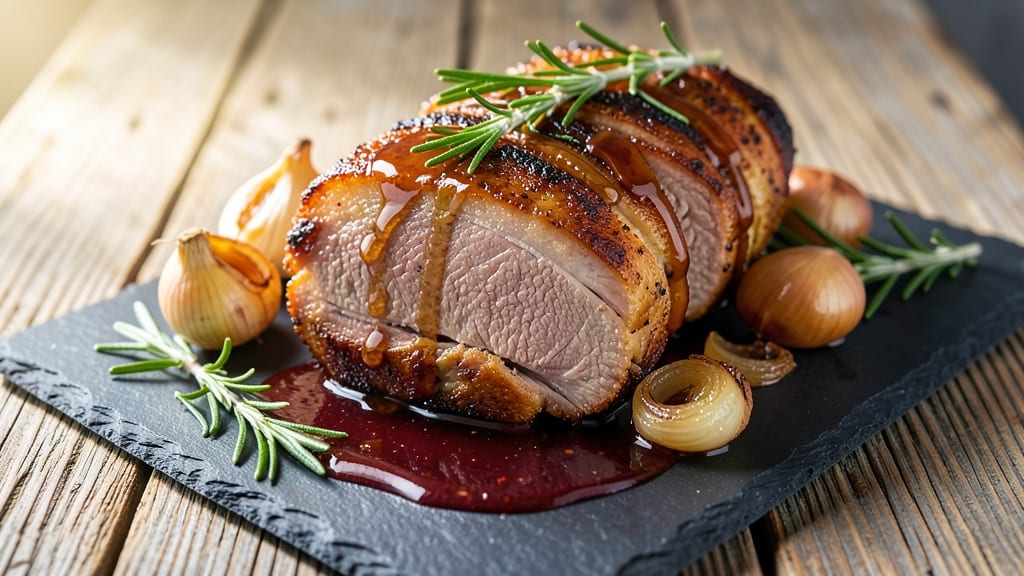
This pork brine recipe with apple cider vinegar transforms tough cuts into juicy, crispy perfection in just 4 hours—no guesswork, no dry meat. I developed it after years of butchering pork at family gatherings, where overcooked cuts ruined the meal.
The apple cider vinegar is the game-changer, tenderizing the meat while adding a subtle tang that pairs beautifully with roasted flavors.
The secret lies in the balance: salt, sugar, and vinegar work together to break down muscle fibers while keeping the meat moist. You’ll need just 5 ingredients—no fancy equipment—and the process is hands-off. Whether you’re grilling, roasting, or braising, this method guarantees restaurant-quality results even for beginners.
The brine also enhances the pork’s natural sweetness, making it ideal for dishes like pulled pork, roast pork tenderloin, or crispy pork chops.
By the time you pull the pork from the oven, you’ll have golden, crackling skin and meat so tender it nearly falls apart. The apple cider vinegar infuses every bite with brightness, cutting through richness while keeping the texture juicy and succulent.
This isn’t just a cooking technique—it’s a confidence booster for anyone who’s ever feared dry pork.
Pair it with a simple apple-cider glaze or a side of roasted root vegetables to complete the meal. The versatility of brined pork means you can adapt it to any dish—from weeknight dinners to holiday feasts. Let’s get started with a method that delivers foolproof, showstopping results every time.
Ingredients for pork brine recipe apple cider vinegar
Five ingredients transform tough pork into juicy, crispy perfection in just four hours.
| Ingredient | Amount | Notes |
|---|---|---|
| Apple Cider Vinegar 🍏 | 1 cup | Raw, unfiltered preferred |
| Kosher Salt 🧂 | 1 cup | Diamond Crystal preferred |
| Granulated Sugar 🍚 | ½ cup | White or brown sugar |
| Fresh Pork Shoulder 🍖 | 4 lb | Bone-in, cut into 2-inch chunks |
| Garlic Cloves 🧄 | 6 cloves | Smashed for infusion |
| Fresh Rosemary 🌿 | ¼ cup | Chopped, stems removed |
| Black Peppercorns 🌶️ | 1 tbsp | Crushed, for depth |
| Bay Leaves 🍃 | 2 whole | Dried or fresh |
| Cold Water 💧 | 4 cups | Filtered preferred |
The apple cider vinegar is the star—raw, unfiltered has more flavor and nutrients. I always grab Bragg or Texas Pete from the store, but any good-quality brand works. The pork shoulder? Bone-in, cut into 2-inch chunks—this ensures even brining and maximum flavor infusion. If you're short on time, Costco or local butchers often sell pre-cut pork shoulders. Look for good marbling, which means juicier meat. The garlic and rosemary? Fresh is best, but dried will work in a pinch (use half the amount).
No apple cider vinegar? White vinegar or lemon juice in a pinch, but the flavor won’t be as complex. Short on time? Reduce the brine time to 2 hours, but expect slightly less tender meat. The sugar can be swapped for honey or maple syrup, but white or brown sugar dissolves more evenly. If you're brining a smaller cut like pork chops, reduce the salt to ½ cup—they absorb brine faster. No fresh rosemary? Dried works at ⅓ the amount, but it lacks that bright aroma. The bay leaves are optional but add a subtle earthiness that pairs perfectly with the vinegar.
This brine keeps in the fridge for up to 1 week—perfect for prepping ahead. The pork itself stays fresh for 3-4 days post-brine, but I always cook it within 24 hours for best texture. Store the brine in a large, non-reactive container (glass or food-grade plastic). If you're not using all the brine, save it—it makes a killer marinade for vegetables or another batch of pork. The pork chunks can be frozen for up to 3 months before brining, but let them thaw fully first.
Why You'll Love This Recipe
- No-Fuss Brine Night: I swear, the hardest part is waiting for it to soak. Just dump vinegar, salt, and sugar into a bag with the pork—no measuring cups, no stress. The apple cider vinegar does all the work while I’m scrolling through my phone.
- Crispy-Tender Magic: That vinegar-sugar brine turns the pork shoulder into pure perfection: bark so crispy it shatters, inside so tender it melts. Honestly, the garlic cloves tucked into the brine? They infuse the meat with a warm, sweet depth that makes every bite worth it.
- Weeknight to Party Fix: Same exact brine works for quick weeknight dinners or impressing guests. Roast it for pulled pork sandwiches or slice it thin for tacos—no extra effort, just pure versatility. My kids even ask for it on Tuesdays.
- Stretch Your Budget: A single pork shoulder feeds my family for three meals: shredded tacos, fried rice, and sandwiches. The brine makes even the cheapest cut taste like a splurge. Between us, this is how I keep grocery bills in check without sacrificing flavor.
Step-by-step instructions for pork brine with apple cider vinegar
Here's how to transform tough pork into melt-in-your-mouth perfection using this tangy, aromatic brine.
Combine Brine Ingredients in a Large Container
In a large, non-reactive container (I prefer a food-safe plastic bin or glass container with a lid), combine the 1 cup apple cider vinegar, 1 cup kosher salt, and 0.5 cup granulated sugar. Stir until the salt and sugar are completely dissolved—this ensures even distribution throughout the brine.
Next, add the 6 smashed garlic cloves, 0.25 cup chopped fresh rosemary, 1 tablespoon crushed black peppercorns, and 2 whole bay leaves. These aromatic ingredients will infuse the pork with layers of flavor. Give everything a thorough stir to distribute the herbs and spices evenly.
Add Cold Water and Mix Thoroughly
Pour in the 4 cups cold water and stir again until all the ingredients are fully incorporated. The mixture should look like a cloudy, golden liquid with visible herbs and spices suspended throughout. This is your flavor base—don't skip the stirring, as even distribution is key to consistent flavor.
Here's the thing—this brine is more than just saltwater. The apple cider vinegar adds tanginess while tenderizing the meat, the sugar balances the salt, and the aromatics create depth. Let the mixture sit for 10 minutes at room temperature while you prepare the pork. This gives the flavors a chance to meld slightly before contact with the meat.
Submerge Pork Shoulder in Brine
Place the 4 lb fresh pork shoulder in the brine container, ensuring it's fully submerged. If needed, weigh it down with a plate or small bowl to keep it completely covered. The pork should stay submerged for 4 hours at room temperature—this is crucial for even penetration of the brine.
I like to place the container in the refrigerator during the last 2 hours of brining if my kitchen gets warm. The cold slows down bacterial growth while still allowing the brine to work its magic. The pork will absorb moisture and flavor, becoming noticeably heavier and more pliable. This is where the magic happens—juiciness and tenderness are built during this time.
Remove and Prepare for Cooking
After 4 hours, remove the pork from the brine and let it drain in a colander for 15 minutes. Pat it dry with paper towels—this step is non-negotiable for crispy skin. The residual moisture on the surface will evaporate during cooking, creating that perfect crust we're after.
Now's the time to decide how you'll cook it. Whether you're planning to smoke, roast, or grill, the pork is now primed for juicy perfection. The brine has done its job—infusing moisture and flavor deep into the meat. The result should be pork that's not just tender, but downright succulent, with a crispy exterior that contrasts beautifully with the moist interior.
Pro Tips For Making Pork Brine Recipe Apple Cider Vinegar
- USE COLD BRINE: I learned this the hard way—hot brine cooks the outside before the inside gets tender. Fill your container with ice, add the vinegar, salt, and sugar, then submerge the pork. The cold slows everything down, so the meat stays juicy all the way through.
- WEIGH THE PORK: That butcher’s "about 5 pounds" guess? Not good enough. Use a scale to measure the pork shoulder before brining. The vinegar-to-salt ratio (1 cup vinegar + ¼ cup salt per pound) works best when you’re precise. Trust me, eyeballing it leads to either bland or overpowering meat.
- SKIP THE GARLIC STUFFING: Yes, even if you’re tempted to jam those cloves inside the pork. Whole garlic burns easily and can make the meat bitter. Instead, smash 3-4 cloves into a paste with a pinch of salt, then brush it on the surface right before searing. You’ll get the flavor without the risk.
- BRINE LONGER, NOT HARDER: A 12-hour soak is standard, but I now do 18-24 hours for tougher cuts. The sugar and vinegar need time to break down collagen. Just don’t exceed 48 hours—past that, the meat gets mushy. And pro tip: Use a non-reactive container (glass or food-grade plastic) to avoid metallic tastes.
Creative variations of this pork brine recipe apple cider vinegar
Sweet & Smoky BBQ
Swap the apple cider vinegar for ½ cup apple cider vinegar + ½ cup BBQ sauce (I love Sweet Baby Ray's Original) and add 1 tbsp smoked paprika to the brine.
Cook the brined pork low-and-slow until it shreds easily, then toss it with extra BBQ sauce and serve on toasted brioche buns with pickled red onions. This variation is perfect for pulled pork sandwiches or tacos. 🔥
Herb-Infused Citrus
Boost the brine with zest from 1 orange + 1 lemon and add ½ cup fresh thyme leaves instead of rosemary. The citrus brightens the pork beautifully, making it ideal for summer grilling.
Serve with a side of roasted fingerling potatoes> tossed in olive oil and fresh herbs. The acidity from the citrus pairs wonderfully with the apple cider vinegar's tang.
Spicy Asian Glaze
After brining, coat the pork in a glaze made with ¼ cup apple cider vinegar, 2 tbsp soy sauce, 1 tbsp honey, 1 tbsp sriracha, and 1 tsp grated ginger.
Roast at 375°F for 45 minutes until caramelized. This fusion variation delivers a perfect balance of heat, sweetness, and tang. Garnish with sliced scallions and sesame seeds for a restaurant-worthy finish.
Winter Root Vegetable Pairing
For a cozy winter meal, roast the brined pork with carrots, parsnips, and celery root> tossed in olive oil, salt, and 1 tbsp maple syrup. The sweetness of the vegetables complements the pork's tangy flavor.
Add a splash of apple cider vinegar to the roasting pan for extra depth. This hearty combination is perfect for cold evenings and makes leftovers taste even better the next day.
Quick Brined Pork Chops
Reduce the brine time to 2 hours> for pork chops (use ½ cup apple cider vinegar, ½ cup kosher salt, and ¼ cup sugar). Pan-sear the chops in butter until golden, then finish with a splash of the leftover brine reduced into a glossy sauce.
Serve with mashed potatoes and sautéed green beans for a weeknight dinner that feels special. The shorter brine time keeps the chops tender without sacrificing flavor.
Apple Cider Brined Pork Ribs
Use the same brine ratio but increase the apple cider vinegar to 1.5 cups> for ribs. Add 1 tbsp brown sugar and 1 tsp mustard seeds to the brine.
Smoke the ribs at 225°F for 5-6 hours, then glaze with a mix of apple cider vinegar and honey before serving. These ribs are fall-off-the-bone tender with a sticky, tangy crust that's irresistible. 💫
Nutrition facts
Frequently asked questions
Can I use this brine for pork chops instead of pork shoulder?
Yes, but adjust the timing and salt! For pork chops, reduce the brine time to 2 hours and cut the kosher salt to ½ cup—they absorb brine faster than larger cuts. Pat them dry thoroughly before cooking to ensure crispy skin. The apple cider vinegar still works wonders for tenderness, but thinner cuts don’t need as much time.
What if I don’t have apple cider vinegar?
Use white vinegar or lemon juice in a 1:1 swap, but the flavor won’t be as complex. For depth, add 1 tsp honey or brown sugar to mimic the vinegar’s tang and sweetness. The brine will still tenderize the pork, just with a slightly different profile. Think of it as a backup plan for emergencies!
How long can I store the brined pork in the fridge?
Cook the pork within 24 hours of brining for best texture. The brine itself keeps in the fridge for up to 1 week—great for meal prep! Store the pork in an airtight container, and if you’re not using all the brine, save it for marinades or another batch. Just don’t leave the pork in the brine longer than 24 hours, or it may start to absorb too much moisture and lose its ideal texture.
Can I reuse the brine for another batch?
Yes, but only if it’s still clear and smells fresh. Strain out any herbs or spices, then use it for a second batch of pork or even vegetables (like potatoes or carrots). For extra flavor, add 1 tbsp fresh herbs or spices to the reused brine. Avoid reusing it if it’s cloudy or smells off—safety first!
Why does my pork turn out dry after brining?
Most likely, you didn’t pat it dry enough before cooking! The brine adds moisture, but residual surface moisture prevents crispy skin. Also, overcooking is a common culprit—use a meat thermometer and pull pork at 145°F (160°F for pulled pork). Rest the meat for 10-15 minutes after cooking to redistribute juices. If it’s still dry, try brining for 6-8 hours next time for larger cuts.