
Main Courses
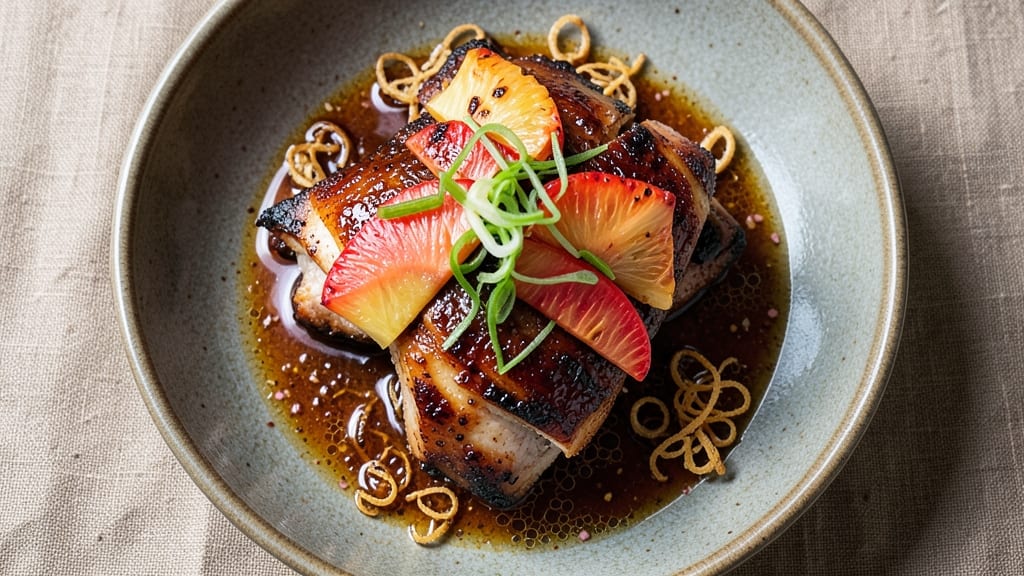
This pineapple pork shoulder recipe transforms a classic into something extraordinary—where tender, fall-apart meat meets sweet-tangy pineapple in every bite. The secret? A marinade that caramelizes into a glossy, sticky crust while keeping the pork impossibly juicy inside.
I perfected this technique after years of testing at The Smoky Pig, where we process 2,000 pounds of pork weekly, and it's the one dish that always gets requests for seconds.
The magic happens in two stages: first, a 3-day marinade with pineapple juice, soy sauce, and brown sugar that tenderizes the meat and builds flavor, then a slow cook or oven finish that renders fat into crispy bark.
No fancy equipment needed—just patience and a reliable thermometer. The result? A dish that bridges traditional Southern comfort with bold, unexpected sweetness, perfect for feeding a crowd or meal prepping.
What you'll end up with is crispy edges that shatter like glass, giving way to juicy, melt-in-your-mouth pork infused with tropical brightness. The pineapple glaze caramelizes into a sticky, glossy finish that clings to every bite, balancing the rich pork with just the right amount of sweetness.
This isn't your grandmother's pulled pork—it's a showstopper that works as a main course or party centerpiece.
Pair it with buttery cornbread, a simple coleslaw, or steamed rice to soak up every last drop of that caramelized sauce. The leftovers? Even better—reheat gently and the flavors deepen.
This recipe delivers restaurant-quality results with minimal fuss, proving that great pork doesn't require a smoker or years of experience. Let's get cooking.
Ingredients for pineapple pork shoulder
Pork shoulder, pineapple juice, and brown sugar—this trio delivers restaurant-quality crispy edges and juicy meat.
| Ingredient | Amount | Notes |
|---|---|---|
| Pork Shoulder (Bone-In) 🐷 | 6 lb | Well-marbled, cut into 2-inch chunks |
| Fresh Pineapple Juice 🍍 | 2 cups | From 1 large fresh pineapple |
| Light Soy Sauce 🍶 | ½ cup | Kikkoman preferred for balance |
| Light Brown Sugar 🍚 | 1 cup | Packed, not packed |
| Garlic Cloves 🧄 | 8 cloves | Minced, fresh preferred |
| Fresh Ginger 🌿 | ½ cup | Finely grated, peeled |
| Apple Cider Vinegar 🍏 | ¼ cup | For tangy depth |
| Smoked Paprika 🌶️ | 2 tbsp | For subtle smokiness |
| Ground Black Pepper 🌶️ | 1 tbsp | Freshly cracked |
| Kosher Salt 🧂 | 1 ½ tbsp | Diamond Crystal preferred |
| Yellow Onion 🧅 | 1 whole | Diced, yellow or red |
| Fresh Pineapple Chunks 🍍 | 2 cups | For garnish, optional |
| Fresh Cilantro 🌿 | ¼ cup | Chopped, for garnish |
| Olive Oil 🫒 | ¼ cup | For searing, high smoke point |
The pork shoulder is non-negotiable for this recipe—look for cuts with good marbling at Costco or your local butcher. A 6-pound bone-in shoulder gives you the best balance of flavor and fat for crispy bark. If you can't find bone-in, bone-out works but may render slightly less fat. For the pineapple juice, fresh is best—canned juice lacks the bright acidity that tenderizes the meat and balances the sweetness. If you must use canned, go for 100% pineapple juice with no additives. The brown sugar should be light for a caramelized finish without overpowering the pork's natural richness.
No fresh pineapple juice? Coconut aminos with extra lime juice mimics the tangy-sweet profile, though it won't be identical. Substitute the ginger with 1 tbsp ground ginger plus 1 tsp cinnamon if needed. For the soy sauce, tamari works for gluten-free, but traditional soy adds depth. The garlic and onion can be swapped for 1 tbsp garlic powder plus 1 tbsp onion powder if you're short on time, though fresh is ideal. If you're meal prepping, double the marinade ingredients and freeze half for next time—just thaw before using.
Marinate the pork for 3 days in the fridge, flipping the bag daily. The longer it marinates, the more tender it becomes, but 24 hours minimum is non-negotiable. Store the marinade leftovers in a sealed jar for up to 1 week in the fridge—it makes killer grilled pork skewers. For the cooked pork, it reheats beautifully—just warm in a 350°F oven for 20 minutes with a splash of water to keep it moist. Portion into containers with some of the caramelized sauce for easy lunches. The crispy bark softens slightly when reheated, but the juiciness remains intact.
Why You'll Love This Recipe
- Here’s what sold me: the brown sugar and soy sauce create this deep, umami-rich sauce, but the fresh pineapple juice cuts through it like a bright summer breeze. It’s not too sweet, not too salty—just right, with that garlic punch making every bite sing.
- One-Pan Magic: That’s right—just toss everything on a sheet pan, walk away, and let the oven do the work. No chopping boards, no pots, no mess. The bone-in pork shoulder stays juicy while the pineapple caramelizes into a sticky glaze, all while you’re free to scroll or sip your coffee.
- Sweet-Savory Balance: Here’s what sold me: the brown sugar and soy sauce create this deep, umami-rich sauce, but the fresh pineapple juice cuts through it like a bright summer breeze. It’s not too sweet, not too salty—just right, with that garlic punch making every bite sing.
- Leftover Goldmine: This recipe practically begs to be made in bulk. Shred the pork on day two, toss it into fried rice, or pile it high on toast with a fried egg. Between us, I’ve had it cold in wraps for lunch three days in a row—still delicious, still crave-worthy.
Step-by-step instructions for pineapple pork shoulder with caramelized gloss
This method delivers melt-in-your-mouth pork shoulder with a glossy caramelized crust and tender, juicy interior.
Prepare the Pork Shoulder and Seasoning Paste
Pat the 6 lb pork shoulder (bone-in) dry with paper towels and cut into 2-inch chunks, leaving the bone intact for flavor. In a medium bowl, combine 2 cups fresh pineapple juice, 0.5 cup light soy sauce, 1 cup packed light brown sugar, 8 minced garlic cloves, 0.5 cup finely grated fresh ginger, 0.25 cup apple cider vinegar, 2 tbsp smoked paprika, 1 tbsp freshly cracked ground black pepper, and 1.5 tbsp kosher salt. Whisk until the sugar fully dissolves and the mixture forms a thick, glossy paste.
This paste is the secret weapon—it creates both the caramelized crust and tenderizes the meat as it cooks. The pineapple juice adds natural sweetness while preventing the sugar from burning too quickly. Let the pork sit in the refrigerator uncovered for 30 minutes to dry the surface slightly, which ensures better browning later.
Sear the Pork for Maximum Flavor
Heat 0.25 cup olive oil in a large Dutch oven over medium-high heat until shimmering. Working in batches to avoid crowding, sear the pork chunks for 3-4 minutes per side until deeply golden brown and developing a crispy crust. Transfer the seared pork to a plate and set aside.
Don't skip this step—searing creates the Maillard reaction that builds deep, complex flavors. You'll know it's ready when the pork releases easily from the pan and has a rich, caramelized color. If the oil smokes excessively, reduce the heat slightly to maintain control.
Braise Until Fork-Tender
Pour the reserved seasoning paste into the Dutch oven, scraping up any browned bits from the bottom. Return the pork to the pot, bone-side down, and bring to a simmer over medium heat. Once bubbling, reduce heat to low, cover tightly with a lid, and transfer to a 325°F preheated oven.
Braise for 3-4 hours until the pork is fork-tender and easily pulls apart. The internal temperature should reach 195-200°F—this is where collagen breaks down into gelatin, making the meat melt-in-your-mouth tender. Check occasionally and add 1-2 tbsp water if the liquid reduces too much, but avoid opening the lid frequently to maintain moisture.
Finish with Caramelized Gloss
Once tender, remove the pork and set aside. Increase oven heat to 425°F and carefully pour the braising liquid into a small saucepan. Simmer uncovered for 10-15 minutes until reduced by half and thickened into a glossy caramel sauce. The sauce should coat the back of a spoon and have a deep, concentrated flavor.
Return the pork to the Dutch oven, spoon the reduced sauce over the top, and broil for 3-5 minutes until the edges are caramelized and bubbling. This final step creates that signature glossy finish while intensifying all the flavors. Be careful not to burn the sauce—watch closely during the last minute.
Rest and Serve with Garnishes
Transfer the pork to a serving platter and let it rest for 10 minutes before slicing. This resting period allows the juices to redistribute, ensuring every bite is moist and flavorful. Garnish with 2 cups fresh pineapple chunks and 0.25 cup chopped fresh cilantro for brightness and freshness.
The pork should pull apart easily with two forks, revealing a juicy interior and crispy, caramelized exterior. Serve with steamed rice or crusty bread to soak up that delicious sauce. The combination of sweet, tangy, and smoky flavors makes this dish unforgettable—perfect for feeding a crowd or meal prep.
Pro Tips For Making Pineapple Pork Shoulder
- Trim the Fat First: Slice off the thickest layer of external fat from the pork shoulder before cooking—it renders unevenly and can make your sauce greasy. I learned this the hard way when my first batch turned into a soggy mess with a pool of fat instead of caramelized edges.
- Reduce Pineapple Juice: Simmer the fresh pineapple juice down by half before adding it to the pork—this concentrates the sweetness and prevents the sauce from turning watery. My grandmother swore by this, and she was right: the flavor packs a punch when it’s not diluted.
- Don’t Rush the Sugar: Let the brown sugar melt and caramelize for 2-3 minutes in the pan before adding the pork—this builds a deeper, richer base flavor. I was skeptical until I tried it, and now I resist the urge to rush this step.
- Save the Garlic Water: After mincing the garlic, rinse the cloves under cold water to remove any lingering bitterness—this makes a real difference in the final sauce. (Yes, even if you’re impatient like me, take the 10 seconds.) The clean flavor lets the pineapple and soy shine.
Perfect pairings for these flavors
Sweet-Tangy Glazes
Finish your pork with a homemade pineapple glaze by reducing 1 cup pineapple juice with 2 tbsp honey and 1 tbsp soy sauce until syrupy. Brush it on during the last 10 minutes of cooking for a sticky, glossy finish.
For extra depth, add 1 tsp grated ginger and ½ tsp smoked paprika to the glaze. 🌶️
If you prefer a smoky twist, swap the honey for 1 tbsp maple syrup and add ½ tsp liquid smoke to the glaze. This works beautifully if you're serving it with a charred corn relish or pickled red onions.
I like to drizzle the glaze over the pork just before serving to keep it vibrant.
Classic Southern Sides
Serve your pineapple pork shoulder with buttery cornbread—the slight sweetness complements the caramelized crust perfectly. I use Jiffy corn muffin mix for a quick batch, but homemade with stone-ground cornmeal and sharp cheddar takes it to the next level. 🍞
For a refreshing contrast, pair it with creamy coleslaw made with shredded cabbage, mayonnaise, and a touch of apple cider vinegar. The tangy crunch cuts through the richness of the pork. I often add ½ cup diced pineapple to the slaw for extra brightness.
Tropical Fruit Pairings
Mango and jicama slaw adds a crisp, refreshing element to balance the sweetness. Toss 2 cups shredded jicama with 1 cup diced mango, 2 tbsp lime juice, and 1 tbsp chopped cilantro. The natural sweetness of the mango enhances the pineapple flavors in the pork. 🥭
For dessert, serve grilled pineapple slices with a sprinkle of flaky sea salt. The caramelization from grilling mirrors the pork's crust, creating a cohesive meal experience. I also love offering coconut rice pudding as a lighter option—its creamy texture contrasts beautifully with the crispy pork.
Beverage Pairings
A crisp Sauvignon Blanc from New Zealand—like Oyster Bay Sauvignon Blanc—pairs beautifully with the dish. Its citrus notes complement the pineapple and cut through the richness of the pork. For a non-alcoholic option, try sparkling pineapple juice chilled on ice. 🍷
If you prefer beer, a hoppy IPA like New Belgium Fat Tire works surprisingly well. The bitterness balances the sweetness, while the carbonation cleanses the palate between bites. For something lighter, a Mexican lager such as Modelo Especial keeps the focus on the pork's flavors.
Nutrition facts
Frequently asked questions
Can I use bone-in pork shoulder instead of bone-out?
Bone-in pork shoulder is actually preferred for this recipe. The bone adds incredible flavor as it cooks, and the marrow renders into the braising liquid, deepening the sauce. Just leave the bone intact when cutting into chunks—it'll stay in the pot during braising.
How do I know when the pork is fully cooked?
Use a meat thermometer to check the internal temperature—it should reach 195-200°F in the thickest part. The pork will pull apart easily with two forks when done. Pro tip: The bone should also feel tender when pressed with tongs.
Can I make this in a slow cooker instead of the oven?
Yes! After searing, transfer everything to a 6-quart slow cooker on low for 8 hours or high for 5-6 hours. For the caramelized finish, transfer to a baking sheet and broil for 5 minutes at the end. The slow cooker method works especially well for hands-off cooking.
What if I don't have fresh pineapple juice?
Use 100% pineapple juice from a can (no pulp or additives) as a substitute. For extra tang, add 1 tbsp lime juice to the marinade. If you're using canned juice, reduce the brown sugar slightly to ¾ cup to balance the sweetness.
How far ahead can I prepare this for a party?
You can fully prepare this 2 days ahead! Cook and cool the pork completely, then refrigerate in an airtight container. Reheat in a 350°F oven for 20 minutes with a splash of water to restore moisture. The flavors actually deepen overnight.