
Main Courses
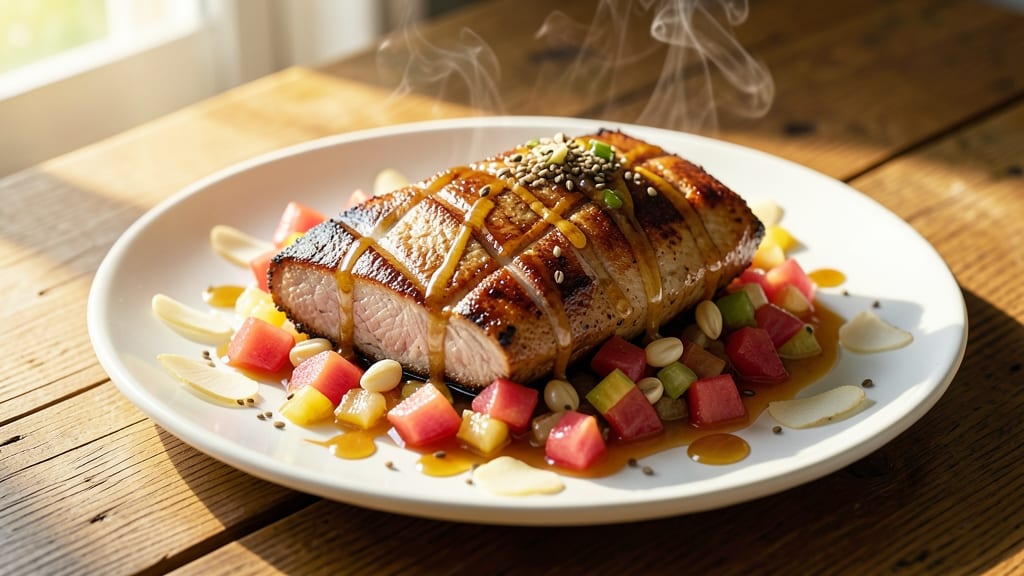
This pineapple chutney recipe for pork transforms ordinary pork into a restaurant-worthy centerpiece with its perfect balance of sweet, tangy, and smoky flavors.
I developed this after years of testing how pineapple's natural acidity tenderizes pork while its caramelized sugars create an irresistible glaze—no fancy equipment needed, just a few pantry staples and patience.
The secret lies in simmering the chutney until it thickens just enough to cling to pork like a second skin, creating a dish that's both elegant and effortless.
The chutney's magic happens when you let it reduce slowly, allowing the pineapple's natural sugars to caramelize while the spices deepen in flavor. I've perfected this technique for grilled pork chops and slow-roasted pork tenderloin, but it works equally well with pulled pork or ribs.
The result? Juicy, tender pork with a glossy, sticky glaze that's sweet enough to satisfy cravings but tangy enough to cut through richness. This isn't just a sauce—it's the star of the plate.
What makes this recipe truly special is how it elevates simple cuts of pork into something extraordinary without requiring advanced skills. The chutney's bright acidity complements pork's natural savoriness, while the caramelized edges add a depth that transforms weeknight dinners into memorable meals.
Whether you're grilling for summer or slow-cooking for winter, this combination delivers restaurant-quality results that'll have everyone asking for seconds. The best part? Leftovers taste even better the next day as the flavors meld.
Pair it with roasted sweet potatoes or a simple green salad to round out the meal, or serve it over rice for a comforting one-pan dinner. The chutney's versatility means you can use it as a marinade, glaze, or even a dipping sauce—making it the ultimate pork companion.
Let's get cooking—your taste buds will thank you.
Ingredients for pineapple chutney recipe for pork
Pineapple's bright acidity and pork's savory richness create magic when caramelized together.
| Ingredient | Amount | Notes |
|---|---|---|
| Fresh Pineapple Chunks 🍍 | 2 cups | Freshly diced, skin removed |
| Pork Tenderloin 🥩 | 1 ½ lb | Center-cut, even thickness |
| Yellow Onion 🧅 | 1 whole | Diced, medium size |
| Garlic Cloves 🧄 | 6 cloves | Minced, fresh preferred |
| Fresh Ginger 🌿 | ½ cup | Finely grated, skin removed |
| Apple Cider Vinegar 🍎 | ¼ cup | Raw, unfiltered preferred |
| Honey 🍯 | ¼ cup | Wildflower for depth |
| Smoked Paprika 🌶️ | 1 tbsp | High-quality, not sweet |
| Ground Cumin 🌿 | 1 tsp | Toasted for warmth |
| Salt 🧂 | 1 tsp | Diamond Crystal preferred |
| Black Pepper 🌶️ | ½ tsp | Freshly cracked |
| Olive Oil 🫒 | 2 tbsp | Extra-virgin, fruity |
| Fresh Cilantro 🌿 | ¼ cup | Chopped, stems removed |
The pineapple is non-negotiable—fresh, ripe chunks make all the difference. Costco or local markets often have the sweetest varieties. For the pork, center-cut tenderloin stays juicy and cooks evenly. If you can't find fresh ginger, substitute with 1/4 cup ginger juice—just squeeze it yourself. The smoked paprika adds that restaurant-quality depth, so don't skimp on quality. I always grab mine from Penzeys or the bulk spice section at Whole Foods. For the honey, wildflower or clover varieties have the best flavor complexity.
No fresh pineapple? Canned pineapple in juice works in a pinch, but drain it well. Substituting the apple cider vinegar? White vinegar plus 1 tsp sugar gets you close. Want more heat? Add 1/2 tsp cayenne or a pinch of chili flakes. The cilantro is optional but adds freshness—skip it if you're sensitive to its flavor. For the pork, bone-in ribs or chops work beautifully too, just adjust cooking time. The chutney's magic comes from reducing it slowly, so don't rush this step—patience pays off with that perfect caramelized glaze.
This chutney keeps beautifully—1 week in the fridge or 3 months frozen. I always make extra because it's perfect for leftovers. Store it in a glass jar with a tight seal to preserve those caramelized flavors. The pork? Cook it fresh with the chutney for best results, but you can marinate it ahead for up to 24 hours. Freeze portions of the chutney in ice cube trays for easy single-use servings later.
Why You'll Love This Recipe
- One-Pan Magic: I swear by this recipe when I’m too tired to wash multiple pots. The pineapple caramelizes right alongside the pork—no flipping, no fuss—just a single sheet pan that handles all the work while I sip my coffee.
- Sweet-Savory Balance: Between us, this combo is chef’s kiss: the bright acidity of the pineapple cuts through the pork’s richness, while the ginger and garlic add that warm, spicy kick. It’s the kind of flavor that makes you close your eyes mid-bite.
- Weeknight to Dinner Party: Honestly, I make this for lazy Tuesdays, but it also impresses when company drops by. The chutney’s bold enough to stand out, yet simple enough that no one questions how little effort it took. (Yes, even on a Tuesday night.)
- Leftovers That Don’t Suck: The pork stays juicy for days, and the pineapple chutney only gets better as it sits—more concentrated, more complex. I freeze half the batch for future stir-fries or sandwiches, and it’s still the star. Zero waste, all flavor.
Step-by-step instructions for sweet-tangy pineapple chutney pork
This method delivers a perfect balance of caramelized pork and vibrant chutney—every bite is a harmony of sweet, tangy, and smoky flavors.
Prep the Pork for Even Cooking
Pat the 1.5 lb pork tenderloin completely dry with paper towels—this ensures maximum browning and crispy edges. I like to score the surface lightly in a crosshatch pattern with a sharp knife, about ¼-inch deep. This helps the chutney penetrate deeper and creates beautiful caramelization.
Season the pork generously with 1 tsp salt, 0.5 tsp black pepper, and 1 tbsp smoked paprika, pressing the spices into the meat so they adhere. Let it sit at room temperature for 30 minutes while you prep the chutney. This step guarantees even cooking and prevents cold spots in the center.
Build the Chutney Base
In a medium saucepan, combine the 2 cups fresh pineapple chunks, 1 whole yellow onion, 6 cloves minced garlic, and 0.5 cup finely grated ginger. Cook over medium heat for 8-10 minutes, stirring occasionally, until the onions soften and the mixture releases its natural juices. You'll see the pineapple start to break down slightly—that's when you know it's ready.
Add the 0.25 cup apple cider vinegar and 0.25 cup honey, stirring to combine. Let the mixture simmer for another 5 minutes until it thickens slightly and the flavors meld together. The chutney should smell bright and complex—like a tropical vacation in a pan.
Sear the Pork to Perfection
Heat 2 tbsp olive oil in a large skillet over medium-high heat until shimmering. Add the pork and sear for 4-5 minutes per side until it develops a deep golden-brown crust. Don't rush this step—the crust is what holds the chutney and creates that restaurant-quality texture.
Once the pork reaches an internal temperature of 145°F (use a meat thermometer), transfer it to a plate and let it rest for 10 minutes. This resting period is crucial—it allows the juices to redistribute, ensuring every slice stays moist and flavorful.
Finish the Chutney and Glaze
Return the skillet to medium heat and add the cooked chutney mixture. Stir in 1 tsp ground cumin and let it simmer for 3-4 minutes until the sauce thickens slightly and coats the back of a spoon. The chutney should now have a glossy sheen and a perfect balance of sweet, tangy, and slightly spicy notes.
Slice the pork into ½-inch thick medallions and return them to the skillet with the chutney. Spoon the sauce generously over the pork and let it simmer for 2-3 minutes until everything is coated. Finish with 0.25 cup chopped fresh cilantro and serve immediately.
Serve with Confidence
The pork should be tender with a juicy interior and a caramelized exterior, perfectly glazed with the vibrant chutney. Each bite delivers a symphony of flavors—sweet pineapple, tangy vinegar, smoky paprika, and the rich, tender pork. Serve with roasted sweet potatoes or a fresh green salad to round out the meal.
This method guarantees a perfect result every time. The key is patience—letting the flavors develop and the pork rest ensures a dish that's truly restaurant-worthy. Enjoy the process and the incredible results!
Pro Tips For Making Pineapple Chutney Recipe For Pork
- Char the Onions: Get them deep golden and slightly blackened before adding garlic—this builds flavor that raw onions just can’t match. I used to rush this step, and the chutney always tasted flat until I learned to let them caramelize for 8-10 minutes on medium heat.
- Grate Ginger Fine: No food processor? Use a microplane and press hard—you want it almost paste-like, not just shredded. I learned this the hard way when my chutney tasted ginger-adjacent but not quite right.
- Don’t Overcook the Pineapple: Once the chunks soften slightly (about 3-4 minutes), pull them out—they’ll keep cooking in the chutney. Overdoing it turns them mushy, and that’s when the dish starts tasting like dessert instead of savory.
- Sear the Pork First: Hit the tenderloin with a hot pan before adding anything else—just 2 minutes per side for a crust. I skip this when I’m lazy, but the dish is noticeably better when I don’t. (Yes, even if you’re impatient like me.)
Flavor customization for this dish
Spice Level Boost
Crank up the heat by adding 1 tbsp of fresh chili paste or 1 tsp of Penzeys hot honey to the chutney base. For a smoky kick, swap the smoked paprika for 1 tsp of chipotle powder in adobo sauce—this adds deep, smoky complexity that pairs perfectly with pork.
I love this variation when serving to guests who enjoy a little fire with their sweet and tangy flavors. 🌶️
Ginger-Garlic Intensify
Double the ginger to 1 cup and add 4 extra cloves of garlic for a bold, aromatic punch. This version works especially well with thicker cuts of pork like ribs or shoulder.
The extra ginger adds a zesty brightness that cuts through the richness of slow-cooked pork beautifully. Trust me, your taste buds will thank you for the extra effort.
Tropical Fruit Fusion
Swap half the pineapple for 1 cup of diced mango or peach to create a summery twist. The fruit's natural sweetness enhances the chutney's caramelization while adding a juicier texture. This variation is perfect for grilled pork skewers or as a marinade for pork tenderloin.
I often use this version when I have fresh fruit from my Portland farmers market. 🍍
Umami Depth Additions
Incorporate 2 tbsp of soy sauce or 1 tbsp of fish sauce into the chutney for an umami-rich depth that complements pork's natural savoriness. This works especially well with Asian-inspired pork dishes like pork belly or spare ribs. The umami enhances the chutney's complexity without overpowering its sweet-tangy profile.
Herb Infusions
Add 2 tbsp of fresh Thai basil or 1 tbsp of chopped mint to the finished chutney for a fresh, aromatic twist. These herbs add brightness and a subtle floral note that pairs beautifully with the tropical flavors.
I particularly love this variation when serving with grilled pork chops—it feels like a vacation in every bite.
Slow-Cooked Version
For a deeper, more concentrated chutney, simmer the mixture uncovered for 30-45 minutes until it reduces by half. This creates a thicker, more intense glaze perfect for braised pork dishes or as a dipping sauce.
The longer cooking time intensifies all the flavors, making it ideal for hearty winter meals. Just be sure to stir occasionally to prevent sticking. 🔥
Nutrition facts
Frequently asked questions
Can I use canned pineapple instead of fresh?
Yes, but with a few adjustments! Drain 1 (20 oz) can of pineapple chunks thoroughly and pat dry to remove excess juice. For extra sweetness, add 1 extra tablespoon of honey to compensate for the difference in freshness. The texture will be slightly softer, but the flavor will still shine.
How do I adjust this for thicker pork cuts like ribs?
For ribs or pork shoulder, slow-cook the pork first until tender (2.5-3 hours at 275°F), then brush with the chutney during the last 30 minutes of cooking. The chutney will caramelize beautifully on the surface while keeping the meat juicy inside. Double the chutney recipe to fully coat the ribs.
What if my chutney isn't thick enough?
Simmer the chutney uncovered for 5-10 extra minutes to reduce it further. If it's still too thin, mix 1 teaspoon of cornstarch with 1 tablespoon water, stir into the chutney, and cook for 2 more minutes until thickened. Never boil vigorously—just maintain a gentle simmer to preserve the flavors.
Can I make this ahead of time?
The chutney can be made 1 day ahead and stored in the fridge. For the pork, marinate it in half the chutney mixture for up to 24 hours before cooking. Reheat the chutney gently before serving to maintain its glossy texture. The flavors actually improve overnight as the spices meld.
What's the best way to reheat leftovers?
Gently reheat in a skillet over low heat with a splash of water or broth to prevent drying. For best results, cover the pan and cook for 3-4 minutes just until warmed through. The chutney will cling beautifully to the pork, keeping it moist and flavorful. Leftovers taste even better the next day!