
Sauces & Condiments
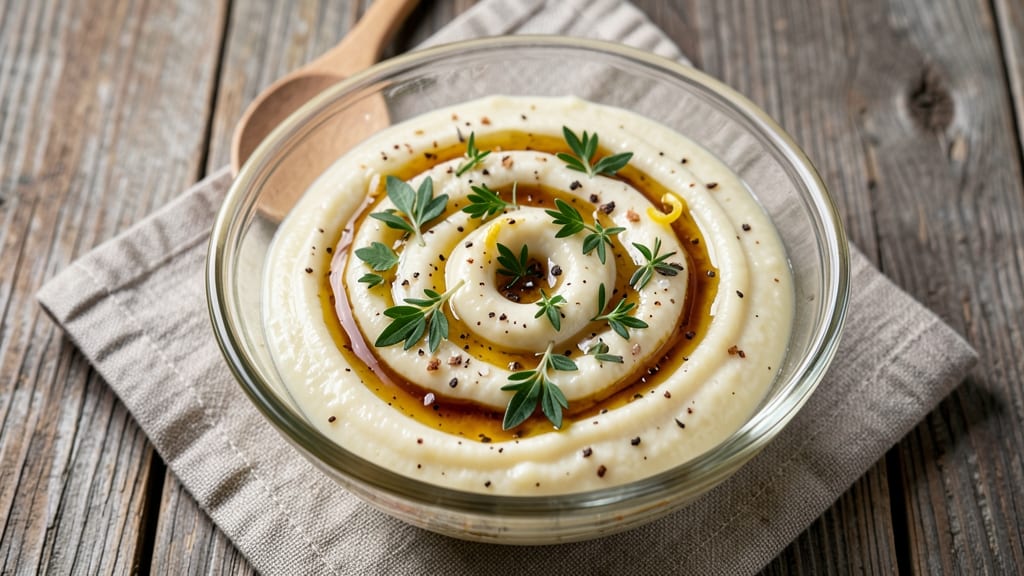
This Ken's apple cider vinaigrette transforms ordinary salads into something extraordinary with its perfect balance of sweet-tart flavors and silky texture. ✨ The secret lies in combining apple cider vinegar with just the right amount of olive oil, creating a dressing that's tangy yet smooth, with a subtle sweetness that makes every bite sing.
I developed this recipe after realizing how much better homemade dressing tastes compared to store-bought versions—it's the kind of simple upgrade that makes all the difference.
The beauty of this vinaigrette is its versatility—it works equally well on crisp greens, hearty grain bowls, or even as a marinade for grilled chicken. The recipe uses just five ingredients, including a touch of honey to balance the acidity and Dijon mustard to help emulsify the dressing naturally.
No special equipment is needed, and it comes together in just five minutes, making it perfect for busy weeknights or meal prep.
What you'll end up with is a dressing that's rich enough to coat every leaf of your salad while remaining light and refreshing. The apple cider vinegar adds depth, the olive oil provides creaminess, and the honey and mustard create a harmonious blend of flavors that's both sophisticated and approachable.
This isn't just dressing—it's a flavor enhancer that elevates any dish it touches.
Use it on mixed greens, roasted vegetables, or even as a dip for crusty bread. The possibilities are endless, and the results are always impressive. Let's make this dressing that'll have everyone asking for your secret—because there's no secret, just good ingredients and a little know-how.
Ingredients for ken's apple cider vinaigrette salad dressing
Five simple ingredients create a dressing that transforms salads into restaurant-worthy meals.
| Ingredient | Amount | Notes |
|---|---|---|
| Apple Cider Vinegar 🍏 | ½ cup | Raw and unfiltered preferred |
| Extra-Virgin Olive Oil 🫒 | ½ cup | Light or fruity variety |
| Pure Honey 🍯 | 2 tbsp | Wildflower or clover preferred |
| Dijon Mustard 🌿 | 1 tbsp | Mild or regular strength |
| Sea Salt 🧂 | ½ tsp | Fine grain preferred |
| Freshly Ground Black Pepper 🌶️ | ¼ tsp | For finishing |
The apple cider vinegar is the heart of this dressing. Bragg or Texas Pete are my go-tos—both deliver that bright, tangy flavor without overpowering. If you can find raw, unfiltered vinegar, grab it; it has more depth. The olive oil should be extra-virgin—anything less gets a dull, bitter taste. California avocado oil works in a pinch for a lighter finish, but olive oil is the classic choice. Honey matters too—local wildflower adds complexity, while clover is more accessible and still delicious. Store-bought Dijon mustard is fine, but if you have time, whisk the mustard with a pinch of salt before adding to the dressing for a smoother texture.
No apple cider vinegar? White wine vinegar or balsamic works in a ratio of 1:1, though the flavor will shift. Substituting honey? Maple syrup or agave nectar works at the same amount, but the flavor profile changes slightly. Mustard hater? Skip it entirely—the dressing will still emulsify, though it may separate faster. For a richer texture, add 1 tbsp of Greek yogurt (or vegan yogurt) at the end. The salt and pepper are finishing touches—Diamond Crystal kosher salt dissolves beautifully, while freshly cracked pepper adds a bright finish. If you're using this as a marinade, reduce the honey to 1 tbsp to prevent caramelization.
This dressing keeps for 2 weeks in the fridge, sealed tightly. The flavors actually improve over time, deepening as the ingredients meld. For longer storage, transfer to a sterilized glass jar and freeze for up to 3 months. Shake well before each use—it naturally separates, but the whisking brings it back together. I like to make a double batch so I always have some on hand. Use it on salads, roasted veggies, or even drizzle it over grilled chicken for a tangy kick.
Why You'll Love This Recipe
- I’ll be real: olive oil and honey aren’t cheap, but this recipe stretches them so far. A little goes a long way, and the apple cider vinegar? You can find it on sale year-round. It’s my secret weapon for making fancier meals feel accessible—like I’m feeding a crowd without breaking the bank. Plus, the leftovers? Always get used up.
- Five-Ingredient Magic: I swear, this is the kind of dressing where you just mix and go—no fancy techniques, no waiting for anything to cool. Apple cider vinegar’s tang cuts through the richness of the olive oil, while the honey and Dijon mustard do all the heavy lifting of balancing it out. I’ve made it while standing at the stove, while chatting on the phone, even while my toddler "helped" stir (the salt was a fun discovery for her).
- Sweet-Tart Balance: Here’s what sold me—the way the honey and apple cider vinegar play off each other like old friends. It’s bright enough to wake up a simple green salad but never overpowering, thanks to that pinch of sea salt. Honestly? I drizzle it on everything—roasted Brussels sprouts, grilled chicken, even scrambled eggs—because it’s that good.
- Weeknight Workhorse: Between us, this is my go-to when I’m prepping lunches or throwing together a last-minute dinner. The ratio of ingredients is forgiving, so I double the batch and keep it in the fridge for up to a week. (Yes, even on a Tuesday night when I’ve got zero energy.) It’s the kind of dressing that turns a sad bagged salad into something you’ll actually look forward to eating.
Step-by-step instructions for Ken's apple cider vinaigrette
This dressing comes together faster than you can say "salad time"—just whisk and taste.
👨🍳 Step 1: Whisk Vinegar and Honey for Sweet-Tart Balance
In a medium bowl, combine the 0.5 cup apple cider vinegar and 2 tbsp pure honey. Whisk vigorously for 30 seconds until the honey dissolves completely and the mixture becomes smooth. You'll notice the vinegar's sharpness mellows as the honey integrates, creating that signature sweet-tart foundation.
Here's the thing—don't rush this step. The honey needs time to fully emulsify with the vinegar. If you see any undissolved honey granules, whisk for another 10 seconds. This ensures your dressing stays silky, not grainy, when you add the oil later.
👨🍳 Step 2: Add Mustard and Salt for Emulsification
Next, stir in the 1 tbsp Dijon mustard and 0.5 tsp sea salt. The mustard acts as an emulsifier, helping the oil and vinegar blend seamlessly. Use a fork to break up any clumps in the mustard first—this prevents lumps in your final dressing.
Taste the mixture now. It should be tangy with a touch of sweetness and a hint of mustard's earthy bite. If it's too sharp for your palate, add ½ tsp more honey (but remember, we're working with exact measurements for consistency). This is your flavor checkpoint before adding the oil.
🍳 Step 3: Slowly Incorporate Olive Oil for Silky Texture
With the whisk moving continuously, very slowly drizzle in the 0.5 cup extra-virgin olive oil. Start with just a few drops, then gradually increase the stream to a thin line. This slow addition prevents the dressing from separating. Whisk constantly for 1-2 minutes until the mixture thickens noticeably and coats the back of a spoon.
Real talk: If you pour the oil too quickly, you'll end up with a split dressing—oil floating on top. The key is patience. Once fully emulsified, the dressing should have a velvety consistency, like heavy cream. If it looks too thick, add 1-2 teaspoons of water to adjust.
⏰ Step 4: Finish with Pepper and Rest Before Serving
Remove the whisk and sprinkle in the 0.25 tsp freshly ground black pepper. Give it one final stir to distribute evenly. Let the dressing rest for 5 minutes at room temperature—this allows the flavors to meld completely and the emulsion to stabilize.
After resting, give it one last taste. The apple cider vinegar should shine through with bright acidity, balanced by the honey's sweetness and the olive oil's richness. The Dijon mustard adds depth, while the pepper provides a subtle kick. If it needs more salt, add it now—¼ tsp at a time—since you can't reverse oversalting.
Pro Tips For Making Ken'S Apple Cider Vinaigrette Salad Dressing
- WHISK IN STAGES: Start by mixing the apple cider vinegar, honey, Dijon, and salt—this prevents the honey from clumping when you add oil later. After it’s smooth, drizzle in the olive oil slowly while whisking constantly, or you’ll end up with a greasy glob instead of an emulsion.
- USE COOL HONEY: Let your honey sit at room temperature for 10 minutes before measuring—cold honey thickens and can turn your dressing into a sluggish paste. Warm hands work, but a quick dip in warm water speeds it up without cooking the flavor.
- SALT THE VINEGAR: Taste the raw apple cider vinegar first—some brands are shockingly salty, and you’ll end up overcorrecting. Add the sea salt to the vinegar before mixing with other ingredients, so it dissolves completely and balances the acidity evenly.
- STORE IT RIGHT: This dressing separates fast, but you can fix it: Shake like you’re mad when ready to use, or store it in a jar and give it a good stir after 24 hours. For longer shelf life, keep the oil and vinegar-honey-mustard mix separate until dressing time—just combine when you’re ready to eat.
Common mistakes when making perfect results
Rushing the Whisking
I’ve made this mistake more times than I’d like to admit—pouring in the olive oil too quickly and ending up with a split dressing where the oil just sits on top like it’s judging me. The key is patience: drizzle the oil slowly while whisking constantly.
If you rush, the emulsion breaks, and you’ll spend the next five minutes trying to fix it with extra mustard or vigorous shaking. Trust me, it’s worth the extra 30 seconds of slow pouring. 💫
Skipping the Resting Time
After whisking everything together, I used to think the dressing was ready to go immediately. Big mistake! Letting it rest for 5 minutes allows the flavors to meld and the emulsion to fully stabilize.
If you skip this step, you’ll notice the dressing separating in your salad bowl or getting watery as it sits. It’s tempting to dive right in, but that extra waiting time makes all the difference in texture and taste.
Using Low-Quality Ingredients
Not all vinegars or oils are created equal, and using cheap substitutes can ruin your dressing. I’ve tried using generic store-brand vinegar or old, rancid olive oil, and the results were disappointing—flat, bitter, and lacking depth.
Stick with extra-virgin olive oil and raw, unfiltered apple cider vinegar like Bragg or Texas Pete. The honey and mustard matter too—opt for local wildflower honey and high-quality Dijon mustard for the best flavor. Your taste buds (and your salad) will thank you.
Over- or Under-Salting
Salting is a balancing act, and I’ve definitely overshot before, leaving my dressing inedibly salty. Start with the ½ tsp sea salt as written, then taste before adding more.
If you’re unsure, add it in ¼ tsp increments—you can’t take salt out, but you can always add a little more. On the flip side, undersalting leaves the dressing flat. Trust your taste buds and adjust as you go!
Ignoring the Mustard’s Role
Dijon mustard isn’t just there for flavor—it’s the secret emulsifier that keeps your dressing from separating. If you skip it or use a low-quality mustard, your dressing might turn out grainy or split. I’ve even seen people substitute with regular yellow mustard, which lacks the emulsifying power.
Stick with Dijon (or a high-quality mustard powder) to keep everything smooth and cohesive. It’s a small ingredient with a big job!
Not Adjusting Consistency
Sometimes, the dressing comes out too thick or too thin, and I’ve learned to fix it on the fly. If it’s too thick, add 1-2 teaspoons of water to loosen it up. If it’s too thin, whisk in a little more olive oil.
The goal is a velvety, pourable consistency**—not too heavy, not too watery. Don’t be afraid to tweak it until it’s just right for your salad or dish. 🍏
Nutrition facts
Frequently asked questions
Can I make this dressing without Dijon mustard?
Yes, but you'll need to adjust the technique! Skip the mustard and whisk the oil into the vinegar-honey mixture very slowly, adding just 1 teaspoon of water first to help emulsify. The dressing may separate faster, so shake well before each use. For extra stability, add 1/2 teaspoon of cornstarch dissolved in 1 teaspoon cold water when whisking the oil.
How long does this vinaigrette keep in the fridge?
The dressing stays fresh for 2 weeks when stored in an airtight container. The flavors actually deepen over time, making it perfect for meal prep. For longer storage, freeze in ice cube trays and transfer to a sealed container - thaw overnight in the fridge. Shake well before using as it may separate slightly during freezing.
Can I use this dressing as a marinade?
This vinaigrette makes an excellent marinade for chicken, pork, or tofu. Reduce the honey to 1 tablespoon to prevent caramelization, and marinate for 30 minutes to 2 hours (never overnight). For fish, use only 15 minutes as the acidity can overcook delicate proteins. Always reserve some marinade for basting - don't reuse it after it's touched raw meat.
What's the secret to making it extra creamy?
For a richer texture, stir in 1 tablespoon of Greek yogurt or vegan yogurt at the end. This adds body while keeping the dressing light. Alternatively, replace 2 tablespoons of olive oil with 2 tablespoons of mayonnaise - the result will be thicker and more luxurious. Both methods work best when added after the initial emulsion is complete.
Why does my dressing sometimes separate?
Separation usually happens when oil is added too quickly or the mustard isn't properly emulsified. To fix it, whisk vigorously for 1-2 minutes** or add 1/2 teaspoon more Dijon mustard and whisk again. For prevention, always drizzle oil slowly while whisking continuously. If it separates often, consider using a hand mixer instead of whisking by hand.