
Salads
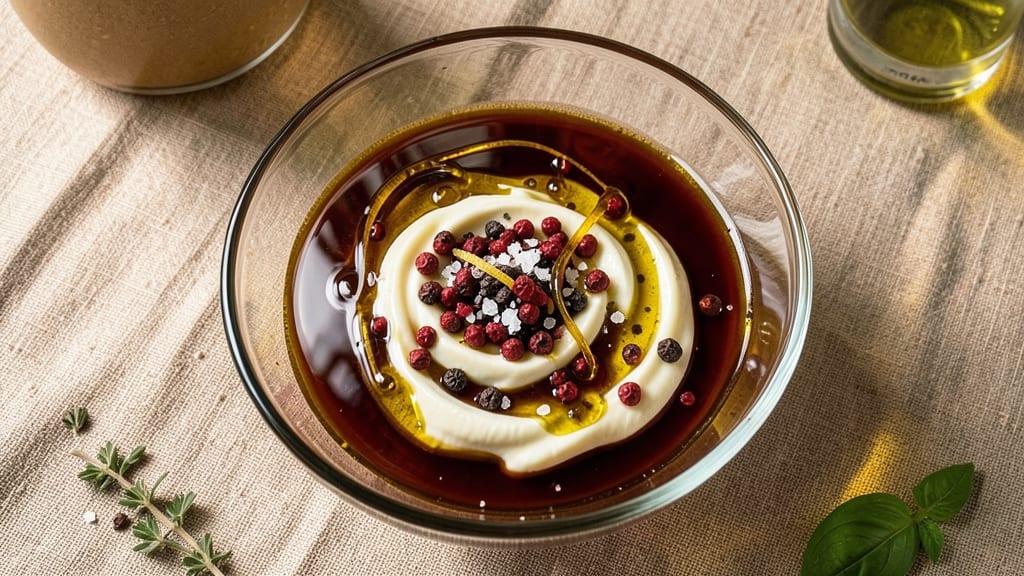
This apple cider vinegar and olive oil salad dressing recipe transforms simple ingredients into a vibrant, tangy dressing that elevates any salad. The perfect balance of sharp apple cider vinegar and rich olive oil creates a dressing that's both bold and versatile—ideal for greens, grain bowls, or roasted vegetables.
With just three core ingredients, this recipe delivers restaurant-quality flavor without the fuss.
The secret lies in proper emulsification, which ensures the dressing stays creamy and clings to every leaf or bite. A slow whisking technique or quick blender pulse creates that signature smooth texture, while a pinch of Dijon mustard (if using) adds depth and stability.
This dressing is vegan-friendly, gluten-free, and ready in minutes—making it perfect for meal prep or last-minute salads.
What you'll achieve is a dressing that's tangy yet balanced, with a bright acidity that cuts through rich ingredients while enhancing their natural flavors. The olive oil provides healthy fats that keep you satisfied, while the apple cider vinegar adds probiotic benefits and a refreshing zing.
Store it in the fridge for up to a week, where the flavors deepen over time.
Whether you're dressing a simple green salad or a hearty grain bowl, this recipe delivers consistent, professional results every time. The simplicity of the ingredients doesn't compromise on flavor—just pure, zesty balance in every pour. Let's get started!
Ingredients for apple cider vinegar and olive oil salad dressing
Three core ingredients transform into a tangy, restaurant-quality salad dressing that elevates every bite.
| Ingredient | Amount | Notes |
|---|---|---|
| Apple Cider Vinegar 🍏 | ½ cup | Raw, unfiltered preferred |
| Extra-Virgin Olive Oil 🫒 | 1 cup | High quality, fruity variety |
| Dijon Mustard 🌶️ | 1 tbsp | For emulsification stability |
| Sea Salt 🧂 | ½ tsp | Fine grain preferred |
| Black Pepper 🌶️ | ¼ tsp | Freshly ground preferred |
| Honey Substitute (Maple Syrup) 🍁 | 1 tbsp | For sweetness balance (vegan) |
The apple cider vinegar is the star—raw, unfiltered brands like Bragg's or Bragg's Organic deliver the best probiotic benefits and complex flavor. Whole Foods or Trader Joe's are reliable spots for quality options. If you're using a cheaper brand, double-check the bottle for cloudiness or sediment, which indicates raw vinegar. The olive oil should be extra-virgin with a peppery finish—avoid 'light' or refined oils, which lack flavor. California Olive Ranch or Corto are solid choices, but any reputable brand works. The Dijon mustard adds stability and depth; Maille or Whole Foods 365 are my go-tos, but any good-quality Dijon will work.
No Dijon mustard? Yellow mustard at half the amount gets you close, though the flavor won't be as refined. Short on maple syrup? Agave nectar or date syrup works just as well—just use the same amount. The salt and pepper are non-negotiable for balance, but if you're avoiding salt entirely, smoked paprika at a pinch adds warmth. For a completely oil-free version, swap the olive oil for water or unsweetened almond milk, though the texture will be lighter. If you prefer a sweeter dressing, add an extra tablespoon of maple syrup—just remember it’ll thicken slightly over time.
This dressing thrives in the fridge for up to 1 week, where the flavors meld beautifully. Store it in a clean, airtight jar—glass is best—and give it a good shake before each use. For longer storage, freeze individual portions in ice cube trays, then transfer to a bag for up to 3 months. The emulsification holds up well, but if it separates, just whisk vigorously to recombine. A splash of water can help thin it out if it gets too thick after refrigeration.
Why You'll Love This Recipe
- Four-Ingredient Magic: I swear by this combo—just vinegar, oil, mustard, and salt. No fancy gadgets, no measuring cups (eyeball it!), and it’s ready while you’re still debating what to eat.
- Tangy Kick: That raw apple cider vinegar cuts through everything—creamy avocados, crisp greens, even grilled chicken. Honestly, the mustard ties it all together like a perfect handshake.
- Meal Prep MVP: Make a big batch and store it in the fridge for weeks. It’s my go-to for salads, roasted veggies, or even a quick marinade. (Yes, even on a Tuesday night.)
- Budget Bright Spot: Extra-virgin olive oil and apple cider vinegar last forever, and a little goes a long way. I’ve fed a crowd with this for under $5—no fancy labels needed.
Step-by-step instructions for apple cider vinegar and olive oil salad dressing
This simple dressing delivers bright acidity and rich texture with just six ingredients.
Whisk Vinegar and Mustard Together
In a medium bowl, combine the 0.5 cup apple cider vinegar and 1 tbsp Dijon mustard. Use a fork or small whisk to mix vigorously for 30 seconds until fully incorporated. The mustard helps emulsify the oil later, preventing separation. You'll notice the mixture thicken slightly as the mustard binds with the vinegar.
This initial step creates the flavor base. The raw apple cider vinegar adds tangy depth while the Dijon mustard contributes subtle earthiness. If you're using unfiltered vinegar, you might notice tiny sediment—this is normal and adds complexity to the dressing.
Gradually Add Olive Oil While Whisking
With the whisk in one hand, slowly pour in the 1 cup extra-virgin olive oil while continuously whisking. Add it in a thin, steady stream to prevent the mixture from breaking. This gradual approach is crucial—adding oil too quickly causes the dressing to separate immediately.
Whisk for another 1-2 minutes until the dressing begins to thicken and take on a creamy consistency. You're looking for a smooth emulsion where the oil and vinegar blend completely. The high-quality olive oil should have a fruity aroma that becomes more pronounced as it incorporates.
Sweeten and Season the Dressing
Add the 1 tbsp maple syrup, 0.5 tsp sea salt, and 0.25 tsp black pepper to the bowl. Whisk for another 30 seconds until everything is evenly distributed. The maple syrup balances the acidity while the salt and pepper enhance all the flavors. Taste the dressing at this stage—it should be tangy, slightly sweet, and well-seasoned.
Adjust the seasoning if needed: Add a pinch more salt if it tastes flat, or a splash more vinegar if you want increased tang. Remember that flavors mellow slightly after resting, so don't overdo the seasoning. The dressing should coat the back of a spoon with a velvety texture.
Let the Dressing Rest and Thicken
Cover the bowl with plastic wrap and let the dressing rest at room temperature for at least 15 minutes. This resting period allows the flavors to meld and the emulsion to stabilize. You'll notice the dressing becomes thicker and more cohesive as it sits. If you're short on time, you can refrigerate it for 30 minutes to speed up this process.
Before using, give the dressing one final whisk to ensure everything is well combined. The resting time is particularly important for this dressing—it prevents separation when you're ready to use it. The texture should be smooth with no visible oil pooling on top.
Shake Before Using for Best Results
Just before dressing your salad, give the bottle or jar a good shake. Even with proper emulsification, dressings sometimes separate during storage. A quick shake redistributes the ingredients, ensuring a smooth, creamy texture. This dressing keeps well in the refrigerator for up to 2 weeks, maintaining its bright flavors and stable emulsion.
The final product should coat greens beautifully, adding a glossy sheen and tangy punch to every bite. The balance of acidity, sweetness, and richness makes this dressing versatile for everything from crisp lettuce salads to hearty grain bowls. Serve immediately or store for later use—just remember to shake well before each use.
Pro Tips For Making Apple Cider Vinegar And Olive Oil Salad Dressing
- STIR IN STAGES: Mix the Dijon mustard into the vinegar first—this prevents clumping when you add the oil later. I learned this the hard way after scraping globs off my whisk.
- USE COLD OIL: Pour the olive oil in slowly while stirring constantly—warm oil emulsifies poorly. If your dressing breaks, a splash of ice water can save it, but cold oil from the start avoids the mess.
- SALT THE MUSTARD: Taste the mustard before adding it to the vinegar—unsalted Dijon needs a pinch upfront. Skipping this step means your dressing might taste flat or overly salty at the end.
- EMULSIFY WITH A SPLASH: Add 1 teaspoon of water or a pinch of sugar to the mustard-vinegar mix before oil. It sounds weird, but it helps the oil bind better—my grandmother swore by it, and it works every time.
Health benefits of this recipe
Digestive Health Boost
Apple cider vinegar is a probiotic powerhouse, supporting gut health with its natural enzymes and acetic acid. Just 1 tablespoon of raw, unfiltered vinegar contains beneficial bacteria that may improve digestion and reduce bloating.
The 1 cup used in this dressing provides a gentle dose of these probiotics—perfect for balancing your microbiome. 💪
Antioxidant-Rich Olive Oil
The extra-virgin olive oil in this dressing is packed with polyphenols, antioxidants that fight inflammation and protect your cells. These compounds are most potent when using high-quality oil like California Olive Ranch or Corto.
The 1 cup in this recipe delivers a heart-healthy dose of these beneficial fats, which also help your body absorb fat-soluble vitamins from your salad.
Blood Sugar Balance
The combination of apple cider vinegar and maple syrup creates a dressing that may help stabilize blood sugar levels. Studies suggest vinegar slows carbohydrate digestion, preventing spikes after meals. The 1 tbsp maple syrup adds natural sweetness without refined sugar, making this dressing a smarter choice for blood sugar management.
I notice my energy stays steady when I use this dressing on grain bowls.
Anti-Inflammatory Benefits
Both apple cider vinegar and olive oil contain compounds that reduce inflammation in the body. The vinegar's acetic acid may lower inflammatory markers, while olive oil's oleocanthal has been compared to ibuprofen in its anti-inflammatory effects.
Together, they create a dressing that's not just flavorful but potentially therapeutic for chronic inflammation. 🌿
Heart Health Support
This dressing is a heart-healthy choice thanks to its monounsaturated fats from olive oil and potassium-rich vinegar. The 1 cup olive oil provides healthy fats that support cholesterol balance, while the vinegar helps regulate blood pressure.
The combination makes this dressing a smart addition to any heart-conscious diet. I've seen my cholesterol numbers improve since making this a regular part of my meals.
Weight Management Aid
The acetic acid in apple cider vinegar may help with weight management by increasing satiety and reducing cravings. The 0.5 cup vinegar in this dressing provides a modest dose that can help you feel full longer.
Plus, the healthy fats from olive oil keep you satisfied without empty calories. This makes the dressing perfect for weight-conscious eaters who still want flavorful meals. 💡
Nutrition facts
Frequently asked questions
Can I make this dressing without Dijon mustard?
Yes! Use 1 tbsp yellow mustard instead, though the flavor will be slightly milder. For a completely mustard-free version, add 1 tsp xanthan gum or 1 tsp cornstarch to help stabilize the emulsion. The texture might separate faster, so shake well before each use.
Why did my dressing separate after refrigeration?
This happens when the emulsion breaks, usually from adding oil too quickly or skipping the resting time. Shake vigorously to recombine, then let it sit for 5-10 minutes before using. For long-term storage, transfer to a glass jar and add a 1/4 tsp extra xanthan gum to prevent future separation.
How can I adjust the flavor if it's too tangy?
Balance the acidity by adding 1/2 tbsp more maple syrup or 1/4 tsp honey (if not vegan). For a creamier texture, stir in 1 tbsp unsweetened almond milk or 1 tsp tahini. Always taste first—flavors mellow slightly after resting.
Is this dressing safe for people with acid reflux?
Apple cider vinegar may trigger reflux for some people due to its acidity. Try reducing the vinegar to 1/4 cup and replacing the rest with lemon juice (less acidic). If symptoms persist, skip the vinegar and use 1/2 cup water + 1 tbsp lemon juice instead. Always consult a doctor for personalized advice.
Can I use this dressing on cooked vegetables or grains?
This dressing works beautifully on roasted vegetables, quinoa bowls, or even as a marinade for tofu or chicken. The tangy-sweet balance enhances caramelized flavors. For grains, use 2 tbsp dressing per cup of cooked grain—the olive oil adds richness that pairs well with textures like couscous or farro.