
Sauces & Condiments
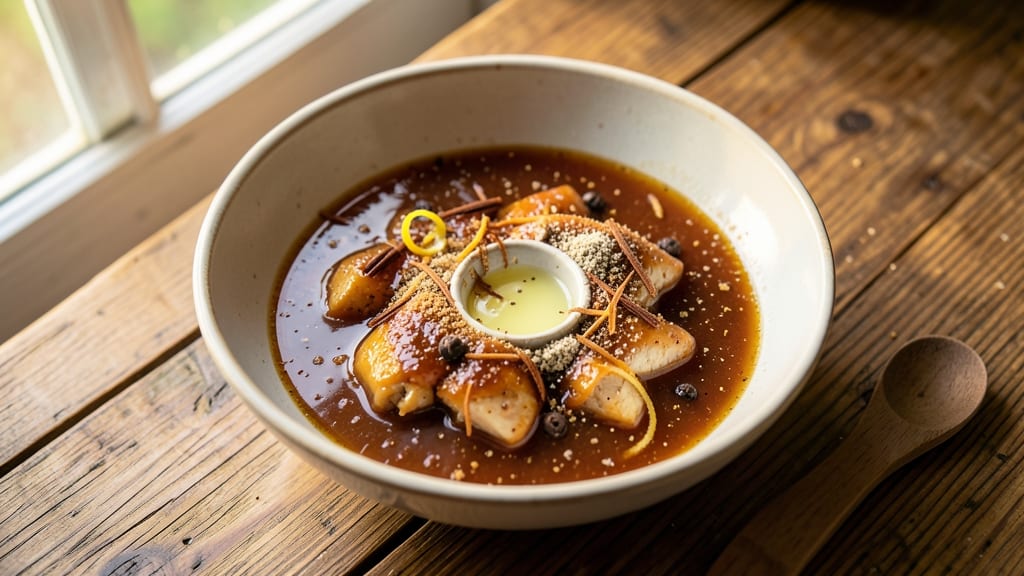
This apple cider chicken marinade recipe transforms ordinary chicken into tender, caramelized perfection with just a few simple ingredients. The blend of warm spices, tangy apple cider, and a touch of sweetness creates a marinade that infuses flavor deep into the meat while keeping it juicy.
I developed this recipe after years of experimenting with fall-inspired marinades, and it’s now my go-to for weeknight dinners or holiday meals.
The secret lies in the balance of acidity from the apple cider and vinegar, which tenderizes the chicken while the spices—like cinnamon, nutmeg, and cloves—add depth and warmth.
This marinade works best when applied to chicken breasts, thighs, or drumsticks, and it only takes 30 minutes to cook after marinating for 4 to 24 hours. The result? A dish that’s rich, aromatic, and packed with flavor without requiring complicated techniques.
What makes this marinade especially versatile is its ability to elevate simple chicken into something special—whether you’re grilling, baking, or pan-searing.
The caramelized edges and tender interior make it a standout for any occasion, and the leftovers keep well in the fridge for up to 5 days, making it perfect for meal prep. Once you try this, you’ll never go back to store-bought marinades.
For best results, let the chicken marinate overnight for maximum flavor infusion, but even a few hours will make a noticeable difference. The marinade can also be used on pork or tofu for a vegetarian twist. Here’s everything you need to create this deeply spiced, caramelized masterpiece.
Ingredients for apple cider chicken marinade
Nine ingredients transform ordinary chicken into fall's most aromatic masterpiece.
| Ingredient | Amount | Notes |
|---|---|---|
| Apple Cider 🍎 | 1 cup | Unfiltered for richer flavor |
| White Vinegar 🍶 | ½ cup | For acidity balance |
| Brown Sugar 🍚 | ½ cup | Light or dark variety |
| Ground Cinnamon 🌿 | 1 tbsp | Freshly ground preferred |
| Ground Nutmeg 🌿 | ½ tsp | Freshly grated if possible |
| Ground Cloves 🌶️ | ½ tsp | Whole cloves crushed works |
| Ground Allspice 🌶️ | ½ tsp | Adds warm complexity |
| Salt 🧂 | 1 ½ tsp | Diamond Crystal preferred |
| Black Pepper 🌶️ | ½ tsp | Freshly cracked preferred |
| Olive Oil 🫒 | ¼ cup | Extra-virgin for richness |
The apple cider is the heart of this marinade—Mott's or Woodchuck are my go-tos, but any unfiltered brand works. The brown sugar should be light for subtle sweetness, but dark adds caramel depth (I keep both on hand). Spices lose potency fast, so buy whole spices and grind them yourself—a coffee grinder works perfectly. For the vinegar, Bragg's apple cider vinegar has that perfect tang, but regular white vinegar in a pinch won't ruin it. The olive oil is non-negotiable for that silky texture that clings to the chicken.
No apple cider? Cranberry juice at double the amount works in a bind, though it'll taste different. Running short on spices? Pumpkin pie spice blend (1 tsp) covers cinnamon, nutmeg, and allspice in one shot. The salt matters—Diamond Crystal measures differently than Morton, so use the recipe as written. For a smokier twist, add ½ tsp smoked paprika. And if you're using this on tofu or pork, reduce the vinegar to ¼ cup—meat handles acid better than plant proteins.
This marinade keeps for 1 week in the fridge sealed in a jar, but it's best used fresh. For meal prep, double the batch—the flavors only get better after 24 hours. Store any leftover chicken in its marinade (or save it for a quick pan sauce). Freezes beautifully for 3 months—just thaw overnight in the fridge before using. The spices will settle, so give it a quick stir before each use.
Why You'll Love This Recipe
- Five-Ingredient Magic: The pantry already has everything—no special shopping trips. Just dump apple cider, vinegar, and spices into a bowl, stir, and let it work while you chop veggies or set the table. I’ll be real: this marinade took me three tries to get the brown sugar ratio right, but now it’s that easy.
- Fall in Your Mouth: That first bite of crispy skin with tender meat? The apple cider’s tang cuts through the richness while cinnamon and nutmeg sneak in warmth like a hug. It’s the kind of flavor that makes you pause mid-bite, then immediately reach for another piece.
- Weeknight to Holiday: Works for grilled chicken on a Tuesday or roasted chicken at Thanksgiving—same marinade, different occasions. I’ve even used it on pork chops when I’m feeling lazy. The spices keep it cozy without tasting like a holiday centerpiece.
- Leftovers That Don’t Suck: Marinate overnight, cook once, and eat twice—no sad, dry reheats. The vinegar keeps it juicy, and the brown sugar caramelizes just enough to make cold slices taste like they’re fresh. Honestly, I’ve had this chicken for lunch three days in a row, and it’s still a win.
Step-by-step instructions for apple cider chicken marinade
Transform ordinary chicken into fall-flavor perfection with this bold, aromatic marinade.
Whisk Together the Wet Ingredients
In a medium bowl, combine the 1 cup apple cider and 0.5 cup white vinegar. The vinegar will help tenderize the chicken while balancing the sweetness of the cider. Stir just until fully mixed—no need to be vigorous, as we'll combine everything gently later. Let this mixture sit for 2 minutes while you prepare the dry ingredients.
Here's the thing—using unfiltered apple cider makes all the difference. The natural sediment adds depth of flavor that filtered versions can't match. If you're using store-bought cider, give it a quick sniff first. It should smell rich and slightly tangy, not overly sweet or artificial.
Add the Dry Seasonings and Sweeteners
To the cider mixture, add the 0.5 cup brown sugar, 1 tbsp ground cinnamon, 0.5 tsp ground nutmeg, 0.5 tsp ground cloves, 0.5 tsp ground allspice, 1.5 tsp salt, and 0.5 tsp black pepper. Whisk vigorously for about 1 minute until the brown sugar dissolves completely and you see no more dry spots. The mixture should be smooth and fragrant—you'll smell warm spices and caramelized notes.
Don't worry if it looks too thick. The spices will help break down the chicken fibers, and the sugar will caramelize beautifully during cooking. If you're using freshly ground spices, you'll notice an even more intense aroma—this is when the magic happens. The spices should be evenly distributed throughout the liquid.
Incorporate the Olive Oil
Slowly drizzle in the 0.25 cup olive oil while whisking continuously. The oil helps emulsify the marinade, ensuring all the flavors coat the chicken evenly. Whisk for another 30 seconds until the mixture becomes glossy and well-combined. You're looking for a consistency similar to heavy cream—thick enough to cling to the chicken but still pourable.
This is the moment that matters: the olive oil carries the spices and sugars into the chicken's fibers. Extra-virgin olive oil adds a subtle richness that complements the apple cider's tartness. If you're using a lower-quality oil, you might notice a slightly bitter aftertaste, so invest in the good stuff here.
Marinate the Chicken
Place your chicken pieces in a resealable plastic bag or shallow dish. Pour the marinade over the chicken, ensuring each piece is thoroughly coated. Seal the bag or cover the dish and refrigerate for at least 4 hours, or overnight for maximum flavor penetration. For best results, turn the chicken occasionally during marinating to ensure even exposure to the marinade.
Real talk: the longer you marinate, the more tender and flavorful the chicken becomes. But don't exceed 24 hours—the acid in the vinegar and cider can start breaking down the chicken fibers too much, leading to a mushy texture. If you're short on time, marinate for at least 2 hours—you'll still get amazing results.
Caramelize for Maximum Flavor
Before cooking, remove the chicken from the marinade and let it sit at room temperature for 15-20 minutes. Reserve the marinade in a small saucepan and bring it to a simmer over medium heat. Reduce the heat to low and let it cook uncovered for 8-10 minutes, stirring occasionally, until it thickens to a glossy, caramelized consistency. You'll know it's ready when it coats the back of a spoon and has a deep amber color.
This caramelized marinade is pure gold—it's packed with concentrated flavor and will add a beautiful glaze to your chicken. If the mixture reduces too quickly, add 1-2 tablespoons of water to prevent burning. The spices should be fragrant and the sugar fully dissolved, creating a syrupy sauce that will elevate your dish.
Pro Tips For Making Apple Cider Chicken Marinade
- Simmer the Marinade First: I learned this the hard way—dumping cold ingredients into the pan and hoping for the best just doesn’t cut it. Heat the apple cider and vinegar together for 2-3 minutes until the sugar dissolves and the spices bloom. That’s when the cinnamon and nutmeg actually release their flavor instead of sitting there like shy guests at a party.
- Use Real Cider, Not Juice: That “apple cider” concentrate from the store isn’t the same—it’s thinner, sweeter, and lacks the depth of actual cider. If you’re using bottled cider, pick one with at least 10% juice content (check the label). The cloudiness and slight tartness make all the difference, and no, you can’t fake it with apple juice.
- Don’t Overmix the Spices: After burning three batches of chicken because the spices clumped and scorched, I started whisking the cinnamon and nutmeg into the warm cider last—just a quick stir until combined. Overmixing turns the marinade into a gritty slurry, and that’s when you’ll taste every little speck instead of a smooth, aromatic glaze.
- Balance the Vinegar: Vinegar is non-negotiable for tenderizing, but too much turns the marinade into a science experiment. For every 1 cup of apple cider, use ¼ cup vinegar max—unless you’re okay with chicken that tastes like a pickling experiment gone wrong. Taste as you go; it should be tangy but not pucker-inducing.
Regional styles of this recipe
New England Style
In New England, this marinade gets a cozy twist with the addition of 1 tsp maple syrup and ½ tsp fresh thyme to honor the region's apple orchards and maple traditions.
The maple syrup deepens the caramel notes, while thyme adds an earthy herbal touch that pairs beautifully with grilled chicken. I first tried this version at a farm-to-table dinner in Vermont, and it became an instant favorite for fall gatherings. 🍁
Southern BBQ Fusion
For a Southern-inspired take, swap the white vinegar for ¼ cup apple cider vinegar + ¼ cup hot sauce (like Crystal) and add ½ tsp smoked paprika and ¼ tsp cayenne. This creates a sweet-and-spicy marinade that works perfectly on chicken thighs for slow-smoked BBQ.
The heat from the cayenne balances the apple cider's sweetness, while the paprika adds that classic Southern smokiness. It's my go-to for weekend cookouts.
Midwest Apple Butter Twist
The Midwest loves its apple butter, so this version replaces half the brown sugar with ¼ cup apple butter (like Mott's) and adds ½ tsp cinnamon for extra warmth. The apple butter gives the marinade a thicker, jam-like consistency that clings beautifully to the chicken.
This variation is especially popular during harvest season and pairs wonderfully with roasted sweet potatoes. 🍠
Pacific Northwest Citrus Boost
In the Pacific Northwest, where apples and citrus grow side by side, I add zest from 1 lemon and 2 tbsp fresh lemon juice to brighten the marinade. The citrus cuts through the richness of the apple cider, creating a refreshing balance that works perfectly with grilled chicken.
This version is lighter but still packed with flavor, ideal for summer cookouts or as a marinade for chicken skewers. 🍋
German-Inspired Caraway Version
For a German-inspired twist, replace the allspice with ½ tsp ground caraway seeds and add ½ tsp mustard powder. Caraway adds a unique earthy sweetness that complements the apple cider beautifully, while the mustard powder gives a subtle tang.
This version is fantastic for chicken schnitzel or roasted chicken legs. I discovered this variation after traveling through Bavaria and it’s now a staple in my fall menu. 🌟
Spicy Caribbean Adaptation
For a Caribbean-inspired kick, add 1 tbsp lime juice, ½ tsp ground ginger, and ¼ tsp Scotch bonnet pepper (adjust to taste). The lime juice brightens the marinade, while the ginger and Scotch bonnet add a tropical heat that pairs perfectly with grilled chicken.
This version is perfect for summer BBQs and brings a fun, unexpected twist to the classic apple cider marinade. 🌶️
Nutrition facts
Frequently asked questions
Can I use this marinade on other meats besides chicken?
Yes! This apple cider marinade works beautifully on pork tenderloin or chops, giving them a sweet-spiced crust. For beef, reduce the marinating time to 2-4 hours to avoid over-tenderizing. It also works well with tofu or shrimp for a vegetarian/seafood option—just reduce the vinegar to ¼ cup and marinate for only 1-2 hours to prevent over-acidification.
How do I prevent the chicken from becoming mushy when marinating?
Never marinate chicken longer than 24 hours—the acid in vinegar and cider breaks down proteins over time. For best texture, stick to 4-12 hours in the fridge. Also, avoid using aluminum pans or foil (which can react with acidic ingredients) and always use a sealed container to prevent drying. Pat the chicken dry before cooking to get a better sear.
Can I make this marinade without brown sugar?
Swap the brown sugar for ¼ cup maple syrup or ⅓ cup honey for a similar caramel depth. If you're avoiding all sweeteners, reduce it to 2 tbsp and add ½ tsp extra cinnamon for warmth. The sugar helps balance the acidity, so if omitting, you may need to increase the apple cider by 2 tbsp to maintain flavor.
What's the best way to store leftover marinade?
Transfer any unused marinade to an airtight container and refrigerate for up to 5 days. For longer storage, freeze it in ice cube trays (great for small portions) for up to 3 months. When reheating, simmer gently on the stove until warmed through—never microwave, as it can break down the spices' flavors. The caramelized version keeps well too, but it's best used within 3 days for peak texture.
Why does my marinade look too thick or separate?
This usually happens if the spices weren't fully dissolved or if the oil separated. Whisk vigorously for 1-2 minutes to re-emulsify. For thickness, add 1-2 tbsp water or apple cider to adjust consistency. If it separates again, stir before each use. The marinade should be like heavy cream—not too runny, but easily pourable. For extra insurance, whisk in 1 tsp cornstarch mixed with 1 tbsp water to stabilize it.