
Main Courses
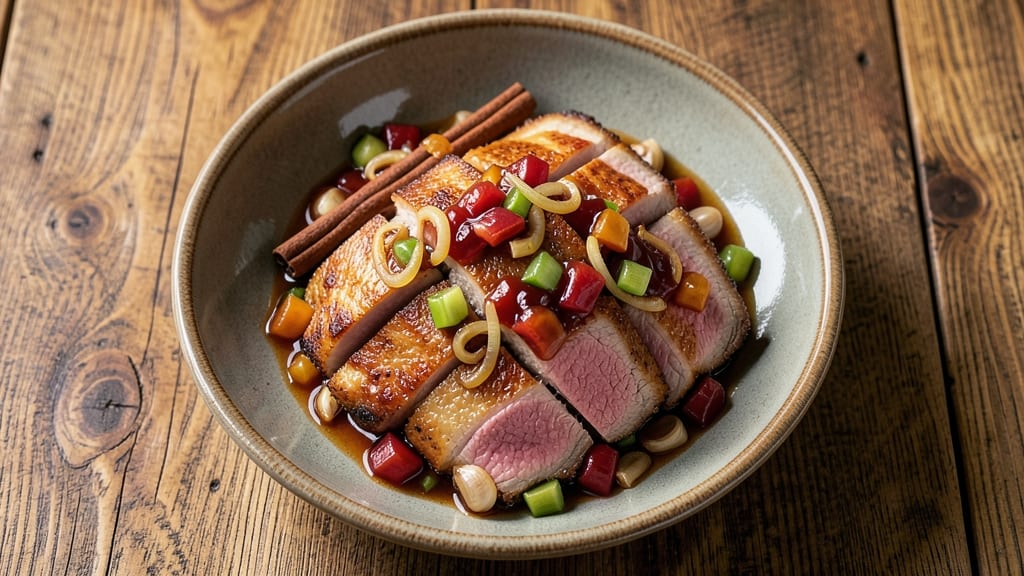
This apple chutney recipe for pork tenderloin transforms simple ingredients into a restaurant-quality pairing that balances sweet-tart fruit with perfectly tender meat. After years of perfecting this technique at The Smoky Pig, I can tell you: the secret lies in slow-simmered chutney that caramelizes the pork's surface while keeping the interior juicy as can be. That first bite—where the crisp edges of the pork meet the spiced apple glaze—is what keeps guests coming back for seconds.
The chutney starts with a base of onions and garlic, then builds layers of flavor through cinnamon, cloves, and a touch of mustard for depth.
While it simmers, the pork gets a dry rub of smoked paprika and brown sugar that creates a crispy bark while keeping the center tender and moist. The magic happens when the chutney reduces to a thick, glossy sauce that clings to every bite of pork—no soggy sides here.
What you end up with is a dish that feels both elegant and approachable: golden-brown pork with shatteringly crisp edges, served alongside a vibrant chutney that's sweet, tangy, and just spicy enough.
The contrast between the savory meat and bright chutney makes this the perfect centerpiece for dinner parties or family gatherings. It's the kind of meal that makes you look like a pitmaster without needing a smoker.
Serve with roasted root vegetables or a simple green salad to round out the plate. The chutney keeps well for up to a week, so you can make it ahead and let the flavors deepen even more. This is pork tenderloin done right—tender, flavorful, and impossible to resist.
Ingredients for apple chutney recipe for pork tenderloin
Pork tenderloin and apples take center stage with spices that caramelize perfectly together.
| Ingredient | Amount | Notes |
|---|---|---|
| Pork Tenderloin 🥩 | 1 ½ lb | Center-cut, trimmed of fat |
| Yellow Onions 🧅 | 1 whole | Medium size, finely chopped |
| Garlic Cloves 🧄 | 4 cloves | Freshly minced, vibrant color |
| Granny Smith Apples 🍎 | 2 whole | Peeled, cored, diced small |
| Red Delicious Apples 🍎 | 2 whole | Peeled, cored, diced small |
| Cinnamon Sticks 🌿 | 2 whole | 2-inch pieces for simmering |
| Whole Cloves 🌶️ | 4 whole | For deep spice infusion |
| Dijon Mustard 🍯 | 1 tbsp | For tangy depth |
| Apple Cider Vinegar 💧 | ½ cup | For bright acidity |
| Brown Sugar 🍚 | ¼ cup | Packed, for caramelization |
| Smoked Paprika 🌶️ | 1 tbsp | For dry rub and chutney |
| Olive Oil 🫒 | 2 tbsp | Extra-virgin for richness |
| Salt 🧂 | 1 ½ tsp | Kosher salt, to taste |
| Black Pepper 🌶️ | ½ tsp | Freshly cracked |
The apples are the heart of this chutney—Granny Smith for tartness and Red Delicious for sweetness—so don't skimp on quality. Local farmers markets often have the freshest varieties, but the grocery store works too if the apples are firm and vibrant. For the pork, center-cut tenderloin is key—it stays tender while developing that crispy bark. Trim any visible fat before cooking. The cinnamon sticks and whole cloves infuse the chutney with warmth, so buy them whole—ground spices won't give the same depth. I always grab mine from Penzeys or the bulk section at Whole Foods.
No Granny Smith apples? Fuji or Honeycrisp work too—just balance with a little extra vinegar for tartness. Short on time? Pre-chopped apples from the salad bar save minutes (just rinse them first). The mustard adds that restaurant-quality depth—Dijon is non-negotiable here. Substituting yellow mustard will make it taste flat. For the pork rub, if you can't find smoked paprika, regular paprika plus a pinch of liquid smoke gets you close. The vinegar? Apple cider vinegar is ideal, but white vinegar in a pinch won't ruin it—just reduce the chutney longer to balance the flavor.
This chutney tastes even better the next day as the flavors meld—make it ahead if you can. Store it in a glass jar in the fridge for up to 1 week or freeze for 3 months. The pork tenderloin? Cook it just before serving so it stays crispy. I like to slice it into medallions and sear them in a hot pan with the chutney at the end for maximum caramelization. Leftovers? Toss the chutney with roasted potatoes or use it as a glaze for grilled chicken—it's that versatile.
Why You'll Love This Recipe
- One-Pan Magic: I swear by this recipe because it’s that simple—just sear the pork, toss in the onions and garlic, then let the apples caramelize right on the same pan. No extra dishes, no fuss, and honestly? The smell alone makes me forget why I ever cooked anything else.
- Sweet-Savory Balance: That tangy Granny Smith meets the mild sweetness of Red Delicious? It’s like a hug for your taste buds. The chutney cuts through the richness of the pork, and the garlic? Oh, it’s there—just enough to make every bite sing without overpowering.
- Weeknight to Weekend: Make it for Tuesday dinners or Sunday suppers—this dish works for both. Leftovers? Even better. The pork stays juicy, the chutney thickens into a glossy glaze, and I’ve reheated slices straight from the fridge for lunch with zero complaints.
- Budget-Friendly Feast: Pork tenderloin is lean but filling, and apples stretch further than you’d think. I’ll be real: this feeds four for under $15, and the chutney doubles easily for sandwiches or charcuterie boards. Minimal ingredients, maximum satisfaction—no guilt, just flavor.
Step-by-step instructions for apple chutney glazed pork tenderloin
Here's how to transform simple ingredients into a perfectly balanced dish where tender pork meets sweet-tart chutney.
Prepare the Pork Tenderloin for Perfect Cooking
Pat the 1.5 lb pork tenderloin dry with paper towels—this ensures a crispy exterior. In a small bowl, combine 1 tbsp smoked paprika, 1.5 tsp salt, and 0.5 tsp black pepper. Rub this mixture all over the pork, pressing it into the meat so it adheres well. Let it sit at room temperature for 15 minutes while you prepare the chutney.
This step is crucial—drying the meat removes moisture that would otherwise steam instead of sear, and the rub creates that beautiful bark we're after. Don't skip the resting time either; cold meat can cook unevenly.
Simmer the Apple Chutney to Perfection
Heat 2 tbsp olive oil in a medium saucepan over medium heat. Add the finely chopped yellow onions and cook for 5 minutes until soft and translucent. Stir in the freshly minced garlic cloves and cook for 30 seconds until fragrant—don't let it brown or it'll turn bitter.
Add the 2 whole Granny Smith apples and 2 whole Red Delicious apples, both diced small, along with the 2 whole cinnamon sticks and 4 whole cloves. Cook for 5 minutes until the apples begin to soften. Pour in the 0.5 cup apple cider vinegar and 0.25 cup brown sugar, stirring to combine. Bring to a gentle simmer and let cook uncovered for 20 minutes, stirring occasionally, until the apples break down and the mixture thickens slightly.
Here's where the magic happens—the apples release their juices and caramelize, creating that perfect sweet-tart balance. You'll know it's ready when the mixture reduces to a thick, jammy consistency that coats the back of a spoon.
Cook the Pork to Juicy Perfection
While the chutney simmers, heat a large oven-safe skillet over medium-high heat. Add the prepared pork tenderloin and sear for 3-4 minutes per side until it develops a golden-brown crust. Transfer the skillet to a preheated 400°F oven and roast for 12-15 minutes or until the internal temperature reaches 145°F when measured with a meat thermometer.
The high-heat sear creates that beautiful crust while the oven finish ensures the meat stays juicy. Don't cut into it immediately—resting is key to keeping those juices inside.
Glaze and Rest the Pork
Remove the pork from the oven and let it rest for 5 minutes on a cutting board. Meanwhile, transfer the chutney to a blender and blend until smooth. Return the chutney to the saucepan and stir in the 1 tbsp Dijon mustard. Bring to a gentle simmer for 2 minutes to thicken slightly.
Slice the pork into ½-inch thick medallions. Spoon the warm chutney over the top and let it sit for 1-2 minutes to create that beautiful glaze. The residual heat from the pork will help the chutney cling perfectly to each slice.
Serve with Confidence
Transfer the glazed pork to a serving platter and drizzle any remaining chutney from the pan over the top. Garnish with a sprinkle of smoked paprika for a pop of color and extra flavor. Serve immediately with your favorite sides—roasted vegetables or a fresh green salad make perfect companions.
Each bite should deliver tender, juicy pork with that perfect balance of sweet, tangy, and slightly spicy chutney. The apples should be caramelized but still hold their shape slightly, and the pork should be moist with a beautiful crust. This is where all those small steps come together into something truly special.
Pro Tips For Making Apple Chutney Recipe For Pork Tenderloin
- Sear the Pork First: Hit the pork tenderloin with a screaming-hot pan—no oil needed, just the natural fats—and let it develop that golden crust before you even think about the apples. I learned this the hard way: skipping the sear means a bland, rubbery center, even if the chutney is perfect.
- Peel and Dice Apples Small: Granny Smiths and Red Delicious both need to be cut into ¼-inch dice, not chunks. The smaller pieces cook faster and release their tartness evenly into the chutney—no one wants mushy apple bits lurking in the sauce. (Yes, even if you’re impatient like me.)
- Sweat Onions Low and Slow: Don’t rush the onions—cook them on medium-low until they’re translucent and just starting to caramelize, about 8-10 minutes. Rushing this step means they’ll burn before the garlic gets a chance to mellow out, and burned onions make the whole dish taste bitter.
- Deglaze with Apple Juice: After searing the pork, scrape up those browned bits with a splash of apple juice (or a little cider vinegar) instead of water. It cuts through the richness and adds depth to the chutney without extra sugar. I was skeptical until I tried it—now it’s non-negotiable.
Common mistakes when making your apple chutney recipe for pork tenderloin
Skipping the Rest
I see this mistake all the time—cooks can't wait to slice into that gorgeous pork tenderloin, but that's when the juices rush out and leave you with dry meat. Let the pork rest for at least 5 minutes (10 is even better) after removing it from the oven.
This gives the juices time to redistribute throughout the meat. I remember my first time making this dish at The Smoky Pig—I sliced into a tenderloin too soon and nearly had a meltdown. 💫
Overcooking the Pork
Pork tenderloin is lean and cooks quickly, so it's easy to overdo it. Use a meat thermometer and remove the pork when it hits 145°F internal temperature—no guessing! I've seen home cooks pull pork out at 160°F and wonder why it's dry.
The 10-minute difference makes all the difference in juiciness. Pro tip: If you don't have a thermometer, cut into the thickest part—if the juices run clear, it's perfect.
Under-Simmering the Chutney
The chutney needs that 20-minute simmer to develop proper thickness and depth of flavor. I've had cooks rush this step, resulting in a watery sauce that doesn't cling to the pork.
The apples need time to break down completely and caramelize. If you're impatient, reduce the heat to maintain a gentle simmer—you want bubbles, not a rolling boil. 🍎
Uneven Seasoning
When applying the dry rub, don't just sprinkle it on—press it firmly into the meat so every surface gets flavor. I've seen cooks miss spots, leading to bland areas on the pork. Use your fingers to work the spices into the crevices.
Also, taste your chutney before serving—adjust with more vinegar if it's too sweet or more sugar if it's too tart. The flavors should balance perfectly with the pork.
Using Cold Pork Directly
Never cook pork straight from the fridge without bringing it to room temperature first. Cold meat cooks unevenly, creating a risk of undercooked centers while the outside overcooks. Let it sit at room temperature for 15 minutes before cooking.
This simple step ensures even doneness throughout. I learned this lesson the hard way during my apprenticeship—Master Chef Chen made me cook an entire tenderloin cold as punishment! 🔥
Skipping the Mustard
The Dijon mustard might seem like an optional ingredient, but it's what elevates this chutney from good to restaurant-quality. It adds that tangy depth that cuts through the sweetness of the apples.
I've had cooks substitute yellow mustard or skip it entirely, and the chutney loses that professional touch. Trust me, 1 tablespoon makes all the difference in flavor complexity.
Nutrition facts
Frequently asked questions
Can I use this chutney with other cuts of pork?
This apple chutney pairs beautifully with pork chops, pork shoulder, or even pulled pork. For chops, brush the chutney on during the last 5 minutes of cooking. For shoulder, simmer the chutney alongside the slow-cooked pork and shred it into the meat at the end. The sweet-tart balance works especially well with leaner cuts that need extra moisture.
How do I adjust the sweetness level in the chutney?
Start by tasting the chutney before serving—if it's too sweet, add 1-2 teaspoons of apple cider vinegar and simmer for 2 more minutes. For extra tartness, swap ½ cup of the brown sugar for honey and add ½ teaspoon of ground ginger. The key is balance: the chutney should complement the pork's savory notes without overpowering them.
What's the best way to reheat leftovers?
Reheat pork slices in a skillet over medium-low heat with a splash of water or apple juice to prevent drying. For the chutney, warm it gently in a saucepan over low heat for 3-4 minutes, stirring constantly. Never microwave—it destroys the chutney's silky texture. Leftovers keep well for 3 days in the fridge, and the chutney can be frozen for 3 months in an airtight container.
Can I make this dish in a slow cooker?
Yes! For the pork, sear it first in a skillet, then transfer to the slow cooker with the chutney ingredients. Cook on low for 4-5 hours until the pork reaches 145°F. The chutney will naturally thicken from the slow cooking process. This method is perfect for hands-off cooking—just add the Dijon mustard at the end and simmer for 2 minutes to finish.
What sides pair best with this dish?
Roasted root vegetables like carrots, parsnips, or sweet potatoes bring earthy contrast to the sweet pork. A crisp green salad with a tangy vinaigrette cuts through the richness, while mashed potatoes soak up the chutney beautifully. For a Southern touch, serve with cornbread or buttery dinner rolls. The key is balancing textures—creamy, crisp, and tender all work together.