
Sauces & Condiments
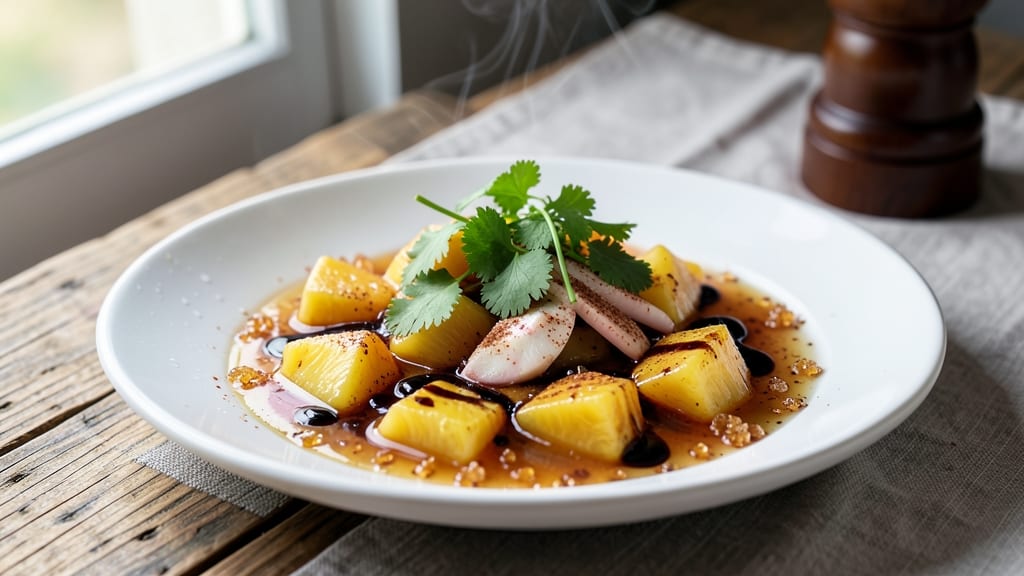
This Chinese pineapple sauce recipe transforms simple ingredients into a versatile glaze that elevates stir-fries, grilled meats, and even roasted vegetables with its perfect balance of sweetness and tang.
The secret lies in simmering fresh pineapple with aromatic spices until the flavors meld into a thick, glossy sauce that clings beautifully to every bite.
I developed this recipe after years of testing variations—some too sweet, others too sharp—until I found the ideal harmony between pineapple's natural sweetness and the bright acidity of rice vinegar.
The process is straightforward but requires patience: fresh pineapple chunks are simmered with brown sugar, rice vinegar, and a touch of ginger until the mixture reduces to a syrupy consistency.
A pinch of cinnamon adds warmth, while a splash of soy sauce deepens the umami profile, making this sauce far more complex than store-bought versions. What makes it truly special is how it transforms ordinary dishes—think grilled chicken, shrimp skewers, or crispy tofu—into restaurant-quality meals with minimal effort.
By the time you're done, you'll have a rich, aromatic sauce that's ready to drizzle, brush, or toss. The texture is thick enough to coat proteins perfectly while remaining light enough to enhance rather than overpower.
Best of all, it keeps well in the refrigerator for up to two weeks, making it an ideal pantry staple for quick weeknight meals. Whether you're marinating meats or finishing a stir-fry, this sauce delivers professional results with simple ingredients.
For extra depth, let the sauce simmer until it reaches a glossy sheen—this indicates the perfect balance of sweetness and acidity. Store it in an airtight container, and you'll always have a flavorful glaze on hand for last-minute cooking. Here's everything you need to make it!
Ingredients for chinese pineapple sauce
Nine simple ingredients transform into a restaurant-quality glaze that elevates everything from stir-fries to grilled meats.
| Ingredient | Amount | Notes |
|---|---|---|
| Fresh Pineapple Chunks 🍍 | 2 cups | Freshly cut, no core |
| Light Brown Sugar 🍚 | ½ cup | Packed, for balanced sweetness |
| Rice Vinegar 🍶 | ¼ cup | Seasoned preferred for depth |
| Fresh Ginger 🌿 | 1 tbsp | Grated, aromatic kick |
| Ground Cinnamon 🌶️ | ½ tsp | Warmth without overpowering |
| Soy Sauce 🍶 | 1 tbsp | Light or all-purpose |
| Garlic Cloves 🧄 | 2 cloves | Minced, for aromatic punch |
| Water 💧 | ¼ cup | For thinning if needed |
| Sesame Oil 🫒 | ½ tbsp | Toasted, for nutty aroma |
| Salt 🧂 | ½ tsp | Adjust to taste |
Fresh pineapple is non-negotiable here—canned lacks the vibrant sweetness and texture. Look for ripe pineapple with golden-yellow skin at the grocery store, or grab a fresh whole pineapple and cut it yourself. The seasoned rice vinegar from Kikkoman adds subtle depth, but plain works too. Ginger loses potency fast, so buy it fresh and grate it right before using. For the brown sugar, Light & Dark combo gives the best caramel notes, but light alone works in a pinch. The garlic and ginger should be minced finely for that silky texture in the finished sauce.
No fresh ginger? Ground ginger at half the amount works, though it’s less aromatic. Swap soy sauce for coconut aminos if you’re avoiding gluten, but the umami won’t be quite as rich. Running low on sesame oil? Toasted peanut oil gives a similar nutty vibe. The sauce should reduce to a glossy sheen—if it’s too thick, add water 1 tbsp at a time. For extra tang, add 1 tsp more rice vinegar at the end. Store-bought pineapple sauce? This homemade version beats it every time—trust me, you’ll never go back.
This sauce keeps beautifully in an airtight container in the fridge for 2 weeks, though it tastes best within the first week. For longer storage, freeze it in ice cube trays—perfect for quick glaze portions. The flavors actually deepen overnight, so make extra. If you’re prepping for a big meal, double the batch and store half in the freezer. Reheat gently on the stove with a splash of water to restore its glossy texture. The perfect balance of sweet, tangy, and umami makes it a pantry staple worth repeating.
Why You'll Love This Recipe
- Sweet-Savory Magic: I swear, the second those pineapple chunks hit the pan with ginger and cinnamon, the kitchen smells like a tropical vacation. That caramelized brown sugar glaze? It’s the kind of sweetness that makes you reach for seconds without guilt.
- Pantry Staple Power: Honestly, every spice rack already has these ingredients—ginger, brown sugar, vinegar. No fancy shopping trips, no last-minute panic. Just chop, simmer, and boom, instant flavor that works with everything from grilled chicken to ice cream.
- Leftovers That Beg: This sauce actually improves overnight. The flavors meld into this deeper, richer taste—like a secret weapon. I’ve used week-old batches on tacos, stir-fries, and even drizzled over yogurt, and no one’s ever complained.
- Crowd-Pleaser for 10: Between us, this is the one sauce that gets my picky-eating teen nodding. The tangy vinegar cuts the sweetness, the ginger adds warmth, and the cinnamon? It’s like a spice hug. Perfect for potlucks, family dinners, or when you just want to impress without stress.
Step-by-step instructions for Chinese pineapple sauce
This sauce delivers perfect balance—sweet, tangy, and aromatic—with just a few simple techniques.
Simmer Pineapple and Sugar Until Syrupy
In a medium saucepan, combine the 2 cups fresh pineapple chunks and 0.5 cup packed light brown sugar. Bring to a gentle boil over medium-high heat, then immediately reduce to medium-low heat. Let it simmer uncovered for 10-12 minutes, stirring occasionally, until the pineapple softens and releases its juices.
Here's where the magic happens: you want the mixture to reduce slightly, creating a syrupy base. You'll know it's ready when the pineapple pieces are tender but still hold their shape, and the liquid has thickened enough to coat the back of a spoon. If it reduces too quickly, add 1-2 tablespoons of water to maintain balance.
Build Flavor with Aromatics and Vinegar
Add the 0.25 cup rice vinegar, 1 tbsp grated fresh ginger, 2 minced garlic cloves, and 0.5 tsp ground cinnamon to the pan. Stir well to combine all ingredients thoroughly. The vinegar will introduce that signature tang, while the ginger and garlic add warmth and complexity.
Let the mixture simmer for another 5-7 minutes over medium heat. You'll notice the aroma intensify as the spices bloom—this is when the sauce truly comes alive. Taste occasionally to monitor the balance of sweetness and acidity. If the sauce seems too thick at this stage, add 1-2 tablespoons of water to maintain smooth consistency.
Finish with Soy Sauce and Sesame Oil
Reduce heat to low and stir in the 1 tbsp soy sauce and 0.5 tsp salt. Let the sauce simmer for 2-3 minutes longer, allowing all the flavors to meld together. The soy sauce adds depth and umami that complements the sweet-tangy profile perfectly.
Remove the pan from heat and stir in the 0.5 tbsp toasted sesame oil. This final step adds a nutty aroma that elevates the entire sauce. The sesame oil should be incorporated gently to maintain its delicate flavor without overpowering the other ingredients. Let the sauce rest for 5 minutes before using—this allows the flavors to fully develop.
Adjust Consistency and Serve
If the sauce is too thick for your liking, thin it with 1-2 tablespoons of water at a time until you reach your desired consistency. For stir-fries, you'll want a slightly thinner sauce that clings to ingredients. For grilled meats, a thicker glaze works best.
Taste and adjust seasoning if needed—this is where you can fine-tune the balance between sweet, tangy, and savory. The sauce should be vibrant, aromatic, and ready to transform your dishes. Use immediately over grilled meats, stir-fried vegetables, or as a dipping sauce for spring rolls. It keeps well in the refrigerator for up to 5 days, making it perfect for meal prep.
Pro Tips For Making Chinese Pineapple Sauce
- Simmer Low and Slow: I learned this the hard way—rushing the sauce on high heat turns it into a sticky mess instead of a smooth, balanced glaze. Keep it at a gentle bubble (just enough to see tiny ripples) for 15-20 minutes. This lets the ginger and cinnamon infuse without burning, and the pineapple softens just enough to release its sweetness without turning to mush.
- Grate Ginger Fine: Skip the food processor here—you want tiny, almost invisible flecks of ginger, not chunks or paste. A box grater or microplane works best. Too much texture means you’ll taste it instead of letting it melt into the sauce’s background harmony. (Yes, even if you’re impatient like me.)
- Balance the Vinegar: Rice vinegar adds tang, but add it gradually—start with half the recipe’s amount, taste, then adjust. Too much upfront and the sauce tastes harsh; too little and it’s cloyingly sweet. The goal is a bright cut-through that doesn’t overpower the pineapple’s natural acidity.
- Strain for Smoothness: Does it look weird? Yes. Does it work? Every single time. After simmering, strain the sauce through a fine-mesh sieve to remove ginger bits and cinnamon grit. This isn’t about presentation—it’s about texture. A silky sauce clings better to meat or rice, and you’ll actually taste the pineapple’s sweetness without chewing. (Your future self will thank you.)
Wine and beer pairings for chinese pineapple sauce
Light White Wine
For this bright, tangy sauce, I reach for a crisp Sauvignon Blanc—think of a bottle from New Zealand or California. The citrusy acidity mirrors the rice vinegar in the sauce, while its herbal notes complement the ginger and garlic.
Serve it slightly chilled to enhance the refreshing contrast. 🍷
Dry Riesling
A dry Riesling from Germany or Washington State is another fantastic match. The stone fruit undertones in the wine pair beautifully with the pineapple's sweetness, while its sharp acidity cuts through the sugar. Opt for a vintage with a touch of residual sweetness to balance the sauce's tang. 🍇
Light Beer Pairings
For a non-alcoholic option, try a Japanese lager like Asahi Super Dry—its clean, crisp profile won’t compete with the sauce’s bold flavors. If you prefer something hoppier, a wheat beer with citrus notes, like Blue Moon, works surprisingly well. 🍺
Garnish for Elevation
Before serving, garnish your dish with a sprinkle of toasted sesame seeds or a few thinly sliced scallions to add texture and freshness. These small touches make the pairing feel even more intentional. 🌿
Spicy Twist Option
If you love heat, add a dash of chili oil to your sauce and pair it with a dry Rosé. The wine’s berry notes stand up to the spice, while its crisp finish cleanses the palate. Trust me, this combo is a game-changer. 🌶️
Nutrition facts
Frequently asked questions
Can I use canned pineapple instead of fresh?
You can substitute canned pineapple, but fresh yields the best texture and flavor. Drain and rinse well to remove excess syrup, then chop into 1-inch chunks. For extra sweetness, add 1 tbsp more brown sugar since canned pineapple is often pre-sweetened.
How do I adjust the sweetness level?
Start with the recipe as written, then taste and adjust. For less sweetness, reduce brown sugar to 0.375 cup and add 1 tbsp extra rice vinegar. For more sweetness, increase sugar to 0.625 cup and simmer 2 extra minutes to caramelize. The sauce should balance sweet, tangy, and umami perfectly.
What are the best dishes to use this sauce with?
This sauce shines on grilled meats like chicken thighs or pork chops, stir-fried vegetables, and even as a dipping sauce for spring rolls. For desserts, drizzle over pancakes or mochi—just reduce sugar by 2 tbsp to prevent overpowering sweetness.
Why did my sauce turn out too thin?
This usually happens if you didn't simmer long enough or added too much water. To fix it, return the sauce to low heat and simmer uncovered for 5-10 minutes to reduce. For future batches, stir frequently during simmering and avoid adding water until absolutely necessary.
Can I make this sauce without soy sauce?
Yes! Replace the 1 tbsp soy sauce with 1 tbsp coconut aminos for a gluten-free version, or use 1 tbsp fish sauce for deeper umami. If avoiding both, add 0.25 tsp extra salt and 0.5 tsp miso paste for complexity. The sauce will still taste delicious but with slightly different depth.