
Sauces & Condiments
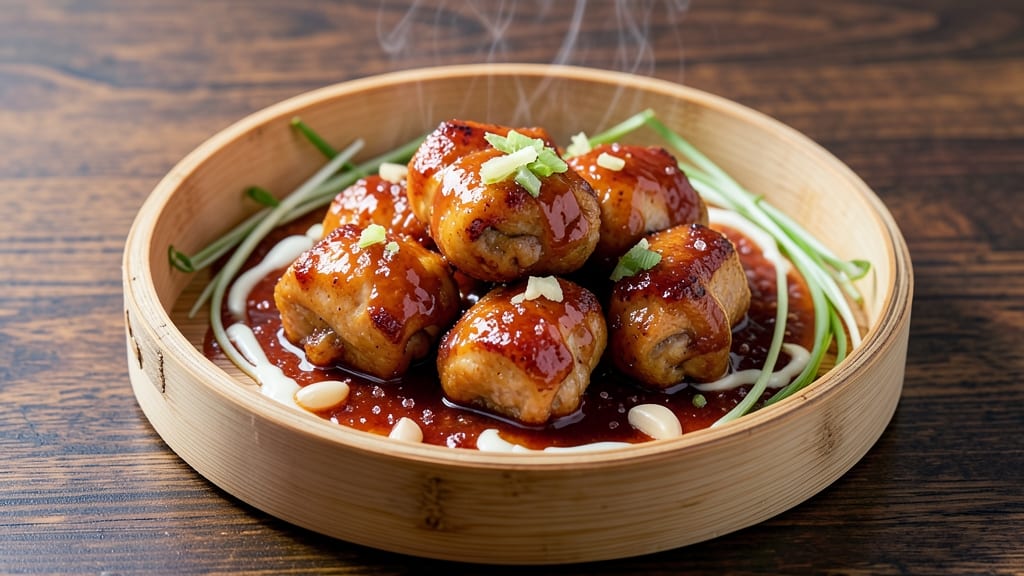
This Chinese pineapple chicken sauce recipe transforms ordinary stir-fries into restaurant-worthy dishes with its perfect balance of sweet, tangy, and umami flavors. 🌟 The secret lies in simmering soy sauce, pineapple juice, and aromatic ginger until the sauce thickens into a glossy, sticky glaze.
I developed this recipe after years of experimenting with Chinese takeout favorites—it’s the same sauce that makes pineapple chicken so addictive, now simplified for home cooks.
The beauty of this sauce is its versatility—use it as a marinade for grilled chicken skewers, a dipping sauce for spring rolls, or a glossy finish for stir-fried vegetables. The pineapple juice adds natural sweetness while tenderizing the chicken, while soy sauce and garlic provide that signature savory depth.
Unlike store-bought versions, this one builds flavor through slow simmering, creating layers of complexity that bottled sauces can’t match.
What you’ll end up with is a vibrant, sticky sauce that clings to every bite, enhancing the natural sweetness of the chicken while cutting through its richness. The aroma alone—warm ginger, caramelized garlic, and tropical pineapple—will have everyone asking for seconds.
Best of all, it takes just 15 minutes to make and keeps well in the fridge for up to a week, so you can always have stir-fry magic at your fingertips.
Whether you're cooking for a crowd or meal prepping for the week, this sauce elevates any dish it touches. Pair it with rice, noodles, or fresh spring vegetables for a complete meal. Here’s how to make it—simple steps for professional results.
Ingredients for chinese pineapple chicken sauce
Nine simple ingredients transform into a velvety sauce that’s addictive and versatile.
| Ingredient | Amount | Notes |
|---|---|---|
| Pineapple Juice 🍍 | ½ cup | Freshly squeezed preferred |
| Soy Sauce 🥢 | ½ cup | Light or dark soy sauce |
| Brown Sugar 🍯 | ¼ cup | Packed, light brown preferred |
| Garlic Cloves 🧄 | 4 cloves | Minced for depth of flavor |
| Fresh Ginger 🌿 | 2 tbsp | Finely grated, aromatic |
| Rice Vinegar 🍶 | 2 tbsp | White or seasoned vinegar |
| Sesame Oil 🫒 | 1 tbsp | Toasted sesame oil for aroma |
| Cornstarch 🌾 | 1 tbsp | For thickening the sauce |
| Water 💧 | 2 tbsp | For cornstarch slurry |
| Red Chili Flakes 🌶️ | ½ tsp | Optional for heat (adjust to taste) |
The pineapple juice is non-negotiable here—Dole or Del Monte cans work perfectly, but fresh pineapple is worth the extra effort if you’ve got it. Soy sauce makes or breaks the umami; Kikkoman or Pearl River Bridge are reliable choices. Brown sugar adds depth, but coconut sugar or honey work in a pinch (though honey isn’t vegan). Garlic and ginger should be fresh—Asian markets often have better quality than grocery stores. Toasted sesame oil adds that signature aroma, so don’t skip it unless you’re avoiding nuts.
No pineapple juice? Mango nectar or apple juice can work in a bind, but the flavor won’t be the same. Short on soy sauce? Coconut aminos is a decent substitute, though it’s saltier. The cornstarch slurry is key for that glossy finish—arrowroot powder works too if you’re out of cornstarch. Red chili flakes are optional, but if you add them, taste as you go. The sauce should coat the back of a spoon when done—15 minutes max of simmering, no peeking!
This sauce keeps for 1 week in the fridge, sealed tightly in a jar. It freezes beautifully for up to 3 months, though the texture might change slightly. I always make extra—it’s perfect for meal prep. Store it in small containers for easy grab-and-go stir-fry magic. If it thickens too much, just stir in a splash of water. Leftovers? Toss it in a blender with a bit of water to make a quick glaze for roasted veggies.
Why You'll Love This Recipe
- Pantry Magic: I swear by this sauce—no specialty ingredients, just what’s already in my cupboard. That jar of pineapple juice? The soy sauce I’ve had since college? The brown sugar that’s been lurking in my pantry for months? Boom. Flavor unlocked with zero extra shopping.
- Sweet-Savory Balance: The ginger and garlic hit you first—warm, bright, and a little spicy—then the pineapple juice cuts through with tangy sweetness. It’s the kind of sauce that makes you pour extra on purpose, even when you’re “watching portions.”
- Weeknight Workhorse: This sauce turns bland chicken into a showstopper in 10 minutes. Use it for stir-fries, drizzle it over rice bowls, or even toss it with noodles. Honestly, I’ve served it at BBQs, potlucks, and lazy Mondays—it’s that adaptable.
- Leftovers That Beg for More: Between us, this sauce improves the next day. The flavors meld into something deeper, and it’s perfect for batch cooking. I make a double batch, freeze half, and pull it out for quick weeknight dinners—no one ever complains.
Step-by-step instructions for Chinese pineapple chicken sauce
Here's how to make this vibrant, sticky-sweet sauce that'll elevate any stir-fry.
🍳 Step 1: Build the Flavor Base
Heat a small saucepan over medium heat and add the 1 tablespoon sesame oil. Once it shimmers, add the 4 cloves minced garlic cloves and 2 tablespoons finely grated fresh ginger. Cook for 30-45 seconds until fragrant—you should smell that bright, zesty aroma. Don't let them brown or they'll turn bitter.
Next, pour in the 0.5 cup soy sauce and 0.25 cup packed brown sugar. Stir constantly for 1-2 minutes until the sugar dissolves completely. This is your flavor foundation—where all the sweet, salty, umami goodness comes together. If you're using red chili flakes, add them now and stir for 10 seconds to distribute the heat evenly.
🍳 Step 2: Simmer the Sweet-Tart Mixture
Add the 0.5 cup pineapple juice and 2 tablespoons rice vinegar to the pan. Bring the mixture to a gentle boil, then immediately reduce heat to medium-low. Let it simmer uncovered for 5-6 minutes until it thickens slightly and reduces by about 25%—you're looking for a syrupy consistency that coats the back of a spoon.
Here's where the magic happens: taste and adjust. Need more sweetness? Add a pinch of brown sugar. Too tart? A splash of pineapple juice helps. The sauce should balance sweet, tangy, and slightly salty flavors. I like to keep mine on the brighter side—this sauce shines with chicken, but it's also fantastic with shrimp or tofu.
🥘 Step 3: Thicken to Glossy Perfection
In a small bowl, whisk together the 1 tablespoon cornstarch and 2 tablespoons water until completely dissolved. This creates your thickening slurry. Pour it into the simmering sauce while stirring constantly with a wooden spoon or silicone spatula.
Keep stirring for 2-3 minutes until the sauce becomes glossy and coats the spoon completely. It should thicken noticeably but still be pourable—not glue-like. If it thickens too fast, add 1 tablespoon water to loosen it. The perfect consistency should cling beautifully to chicken while still being drizzlable over rice or noodles.
⏰ Step 4: Finish and Use Immediately
Remove the pan from heat and let the sauce sit for 1-2 minutes to cool slightly. Taste again and adjust seasoning if needed—this is your final chance to perfect the balance. The sauce will thicken more as it cools, so don't over-thicken it now.
This sauce is best used fresh, but if you need to store it, let it cool completely, then transfer to an airtight container. It'll keep in the refrigerator for up to 5 days. For best results, reheat gently in a saucepan over low heat, stirring frequently to prevent scorching. The sauce makes about ½ cup, perfect for tossing with 1 pound of cooked chicken or using as a dipping sauce.
Pro Tips For Making Chinese Pineapple Chicken Sauce
- Simmer Low and Slow: This sauce isn’t a race—after adding the pineapple juice, drop the heat to a bare simmer (just small, occasional bubbles) or you’ll end up with a thin, syrupy mess instead of a rich, glossy glaze. I learned this the hard way when my first batch turned into sticky wallpaper glue.
- Peel and Mince Ginger: Skip the pre-grated ginger from the jar—it’s mushy and watery, diluting your sauce. Instead, peel a 1-inch knob, slice it thinly with a knife (no mandoline needed), then mince it finely. The fresh, fibrous texture adds depth, and you’ll taste the difference.
- Balance Sugar Early: Taste the sauce before it reduces, then adjust the brown sugar gradually—don’t dump it all in at once. Too much too soon makes the sauce cloying; too little later leaves it flat. Start with half the recipe’s sugar, simmer, then add more if needed.
- Strain the Garlic: Crush the garlic cloves with the flat side of your knife before adding them to the pan—this releases more flavor without burning. After simmering, strain the sauce through a fine-mesh sieve to remove any bitter bits. (Yes, it’s extra work, but your sauce will taste like it came from a wok, not a blender.)
Storing and reheating this dish
Fridge Storage Tips
Let your pineapple chicken sauce cool completely to room temperature before transferring it to an airtight glass container—I prefer leaking-proof mason jars for easy pouring. Store it in the refrigerator for up to 5 days, where it'll maintain its vibrant color and glossy texture. The sauce actually improves overnight as the flavors meld together, so making it ahead is ideal for busy weeknights. Just
Freezer-Friendly Secrets
This sauce freezes beautifully for up to 3 months, making it perfect for meal prep. Portion it into 1-ounce silicone molds or ice cube trays before freezing—these individual servings thaw quickly and prevent waste. When ready to use, transfer frozen portions directly to a saucepan with 1 tablespoon water per frozen cube and reheat over low heat while stirring constantly. The texture might thicken slightly after freezing, so add a splash of pineapple juice if needed to restore that perfect consistency. ❄️
Reheating Like a Pro
For the best results, reheat your stored sauce in a small saucepan over low-medium heat—never microwave it, as this can make the sauce grainy. Add 1-2 tablespoons water if the sauce has thickened too much during storage.
Stir continuously for 2-3 minutes until it reaches 160°F, then taste and adjust seasoning. If the sauce has lost some brightness, a pinch of fresh ginger or a splash of rice vinegar can revive it perfectly. This gentle reheating method preserves all that hard-earned flavor. 🔥
Reviving Day-Old Sauce
If your sauce has separated or thickened too much after storage, don't toss it! Simply whisk in 1 tablespoon water at a time until you reach the desired consistency. For extra brightness, add ½ teaspoon freshly grated ginger or 1 teaspoon rice vinegar to cut through any dullness.
I've successfully revived sauce that was left out overnight—just give it a good stir and taste before using. The sauce's natural sweetness and acidity make it surprisingly forgiving. ✨
Sauce Safety Reminders
Always ensure your sauce reaches 165°F when reheating to kill any potential bacteria. If you're using it as a marinade for raw chicken, remember the 2-hour rule: don't marinate longer than 2 hours at room temperature to prevent foodborne illness.
When in doubt, use the sauce as a finishing glaze instead of a marinade. The vibrant colors and flavors will still shine through beautifully. 💡
Creative Leftovers Uses
Don't let leftover sauce go to waste—it's perfect for glazing roasted vegetables, drizzling over spring rolls, or mixing into noodle dishes. Thin it slightly with water or pineapple juice for a quick stir-fry sauce.
I've even used it as a dipping sauce for dumplings—the sweet-tart balance is irresistible. Get creative with how you repurpose this versatile sauce to minimize waste and maximize flavor. 🌟
Nutrition facts
Frequently asked questions
Can I use canned pineapple instead of pineapple juice?
You can, but with a few adjustments! Drain a 10-ounce can of crushed pineapple (reserve the juice for the recipe) and blend it with 2 tablespoons water until smooth. Replace the 0.5 cup pineapple juice with this puree. The texture will be slightly thicker, so you may need 1 extra tablespoon water in the cornstarch slurry to reach the right consistency.
How do I adjust the sweetness level? The sauce naturally balances sweet, tangy, and savory flavors, but you can tweak it easily. For extra sweetness, add 1 teaspoon honey or brown sugar> while simmering. If it's too sweet, stir in 1 teaspoon rice vinegar> or a splash of pineapple juice.
What's the best way to use this sauce with chicken?
This sauce works beautifully as a marinade, glaze, or finishing sauce! For marinating, coat 1 pound chicken pieces> in 1/3 cup sauce> and refrigerate for 30-60 minutes>. For grilling or baking, brush on extra sauce during the last 5-10 minutes>. As a finishing sauce, drizzle over cooked chicken or toss with stir-fried veggies for instant flavor.
Can I make this sauce without cornstarch?
Yes, but the texture will be thinner. Swap the cornstarch for 1 tablespoon arrowroot powder> (works similarly) or 1/2 teaspoon xanthan gum> (for a thicker, more stable sauce). If avoiding all thickeners, simmer the sauce uncovered for 8-10 minutes> to reduce it naturally—just stir frequently to prevent scorching.
Why did my sauce turn cloudy?
Cloudiness usually means the sauce didn't thicken properly or separated during storage. To fix it, whisk in 1/2 teaspoon freshly grated ginger> or 1 teaspoon rice vinegar> to brighten it. If it's too thin, simmer uncovered for 2-3 minutes> to reduce. For a smoother texture, blend briefly with 1 tablespoon water> until silky again.