
Main Courses
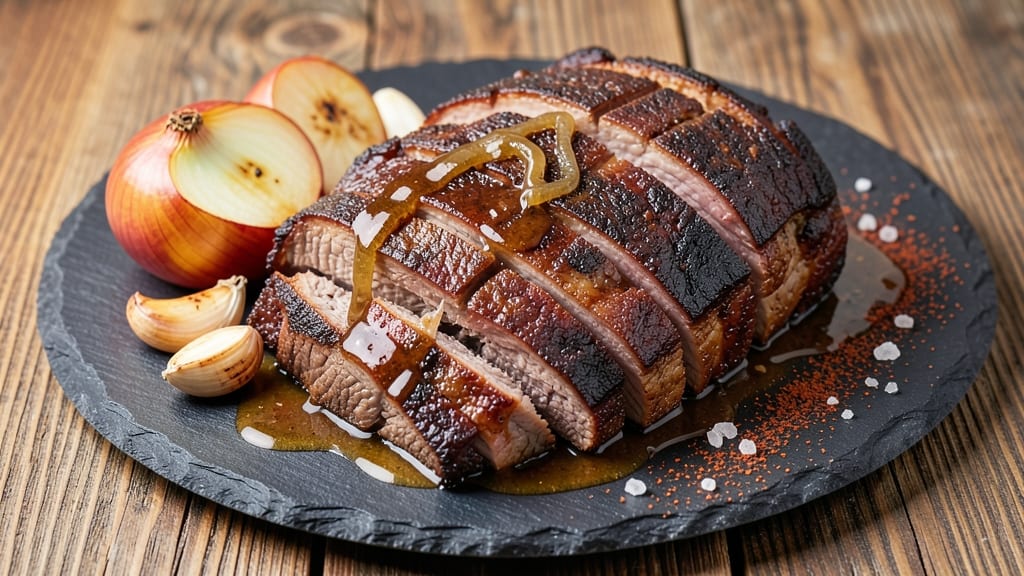
This brisket recipe with apple cider vinegar transforms tough cuts into melt-in-your-mouth perfection through slow-smoked tenderness and a tangy depth that keeps everyone coming back for seconds.
I first discovered the magic of apple cider vinegar during a particularly chilly Ohio winter when my neighbor Mrs. Henderson showed me how a splash of vinegar could tenderize even the toughest brisket while adding a subtle brightness that cuts through the richness.
The secret lies in marinating the meat overnight, allowing the vinegar to work its magic while infusing the brisket with layers of flavor that build during the long smoke.
The apple cider vinegar plays two crucial roles: it breaks down tough muscle fibers for unparalleled tenderness, and its acidity helps create a beautiful bark that's both crisp and flavorful. What makes this recipe special is the balance—smoky, sweet, and tangy all in one bite.
I've perfected this method over years of experimenting, and it never fails to deliver restaurant-quality results at home. The slow cooking process ensures the meat stays juicy while developing that coveted texture that falls apart at the touch of a fork.
By the time you serve this brisket, you'll have a centerpiece that commands attention—deeply flavorful with just the right amount of tangy brightness. The vinegar-infused bark gives each bite a satisfying crunch, while the interior remains tender and moist.
This is the kind of brisket that makes holidays memorable and weeknight dinners feel special. Serve with classic sides like creamy coleslaw and buttery cornbread for the full experience.
Whether you're smoking for the first time or looking to elevate your brisket game, this recipe delivers foolproof results. The apple cider vinegar isn't just an ingredient—it's the game-changer that transforms good brisket into extraordinary. Let's get started on creating a brisket that'll have your guests asking for the recipe.
Ingredients for brisket recipe apple cider vinegar
Six ingredients transform tough brisket into restaurant-quality melt-in-your-mouth perfection.
| Ingredient | Amount | Notes |
|---|---|---|
| Packer Cut Brisket 🥩 | 8 lb | Whole packer cut, fat cap intact |
| Apple Cider Vinegar 🍏 | 1 cup | Raw, unfiltered preferred |
| Yellow Onion 🧅 | 1 whole | Large, sliced into wedges |
| Garlic Cloves 🧄 | 8 cloves | Fresh, smashed |
| Brown Sugar 🍚 | 1 cup | Light or dark variety |
| Smoked Paprika 🌶️ | 2 tbsp | For deep smoky flavor |
| Kosher Salt 🧂 | 2 tbsp | Diamond Crystal preferred |
| Ground Black Pepper 🌶️ | 1 tbsp | Freshly ground |
| Mustard Powder 🍯 | 1 tsp | For subtle tang |
| Wood Chips 🌳 | 2 cups | Hickory or oak preferred |
| Beef Tallow 🧈 | ½ cup | For extra fat during smoke |
| Fresh Thyme 🌿 | ¼ cup | Or 1 tbsp dried |
| Fresh Rosemary 🌿 | ¼ cup | Chopped sprigs |
| Water 💧 | 1 cup | For spritzing during smoke |
The brisket cut makes all the difference—packer cut with fat cap is non-negotiable. I always grab mine from Costco or a local butcher shop (ask for the whole packer cut, not pre-trimmed). The fat cap helps protect the meat during the long smoke and renders down beautifully. Mrs. Henderson's trick: look for good marbling throughout the meat, not just on the surface. If you're buying online, Snake River Farms delivers consistently great briskets. The apple cider vinegar should be raw and unfiltered—Bragg or Texas Pete are my go-tos, but any good-quality vinegar works. For the wood chips, Traeger or Cookshack sell pre-seasoned hickory and oak blends that work perfectly.
No apple cider vinegar? White vinegar at half the amount gets you close, but you'll lose that subtle fruity depth. Running short on brown sugar? Maple syrup works 1:1, though it'll add a different sweetness profile. The mustard powder is easy to skip, but trust me—it adds a subtle tang that complements the vinegar beautifully. For the wood chips, cherry or pecan creates a sweeter smoke profile if you want to experiment. The beef tallow is optional but worth it—it adds extra fat during the smoke, keeping the meat moist. If you don't have fresh thyme or rosemary, dried works at one-third the amount, but fresh is always better when you can get it.
Brisket keeps beautifully—3-4 days in the fridge wrapped tightly in butcher paper. For longer storage, freeze for up to 3 months (wrap tightly in foil first). The vinegar marinade can be made 2 days ahead—just store it in the fridge in an airtight container. I always make a double batch of the dry rub and store it in a glass jar for future smokes. The wood chips? Keep them in a ziplock bag in the freezer to maintain freshness. This brisket reheats beautifully—low and slow in the oven with a splash of beef broth keeps it moist.
Why You'll Love This Recipe
- One-Pot Magic: I swear by this—just chuck the brisket, onions, and garlic into a Dutch oven with the vinegar and brown sugar, then let the oven do the work. No flipping, no fussing, no extra pans.
- Tangy-Sweet Crunch: That apple cider vinegar cuts through the richness like a knife, while the brown sugar caramelizes into a glossy, addictive glaze. The onions get jammy, the garlic melts into every bite—it’s the kind of flavor that sticks with you.
- Leftovers? Please.: This makes way more than you’ll eat in one sitting, and honestly? The second day is even better. Thin slices on toast, chopped into tacos, or reheated with a splash of vinegar—it’s my go-to for lazy nights.
- Budget Hero: A packer cut is affordable, and the ingredients won’t break the bank. You’re getting a whole meal for less than takeout, plus enough leftovers to feed the family without stressing the grocery budget. Win.
Step-by-step instructions for slow-smoked brisket with apple cider vinegar
Here's how to transform a tough cut into melt-in-your-mouth tenderness with that perfect tangy depth.
Prepare the Brisket and Dry Rub
Start by trimming the fat cap of the 8 lb packer cut brisket down to about ¼ inch thickness using a sharp boning knife. This ensures even cooking while preserving flavor. Pat the entire surface completely dry with paper towels - any moisture will prevent that perfect bark from forming.
In a large bowl, combine the 1 cup brown sugar, 2 tbsp smoked paprika, 2 tbsp kosher salt, 1 tbsp ground black pepper, and 1 tsp mustard powder. Mix thoroughly until evenly distributed. This dry rub is the flavor foundation that will penetrate the meat as it smokes. Generously coat all sides of the brisket with the rub, pressing it into the surface so it adheres well.
Create the Apple Cider Vinegar Marinade
In a separate bowl, whisk together the 1 cup apple cider vinegar, minced 1 whole yellow onion, and smashed 8 cloves garlic. This marinade will tenderize the meat while adding that signature tangy depth. Place the brisket in a large resealable bag and pour the vinegar mixture over it, ensuring it's fully submerged. Seal the bag and refrigerate for at least 4 hours, or preferably overnight. The acid in the vinegar breaks down muscle fibers, creating that melt-in-your-mouth texture.
Here's the thing - don't skip this marinating step. The vinegar works its magic during this time, transforming tough brisket into something truly remarkable. I've found that longer marinating (up to 24 hours) yields even more tender results, but 4 hours will still give you excellent tenderness.
Set Up Your Smoker for Low and Slow Cooking
Preheat your smoker to 225°F using the 2 cups wood chips (hickory or oak work best). I like to add the 0.5 cup beef tallow to the smoker along with the wood chips - this extra fat helps create that beautiful bark while keeping the meat moist. Allow the smoker to reach temperature and establish a steady stream of clean, blue smoke before adding the brisket.
Place the brisket fat-side up on the smoker grate. The fat will render slowly, basting the meat and creating that signature bark. Position the brisket so it's slightly away from direct heat sources for even cooking. The goal is low and slow - we're talking about 12-16 hours total cook time, so patience is key here. Resist the temptation to peek at the brisket during the first 4 hours of cooking - each time you open the smoker, you lose heat and moisture.
Monitor and Spritz for Moisture
After the initial 4 hours of cooking, it's time to start spritzing. Mix the 1 cup water with the chopped 0.25 cup fresh thyme and 0.25 cup fresh rosemary in a spray bottle. Every 90 minutes, remove the brisket and spritz it generously with this mixture. The water helps maintain moisture while the herbs infuse additional flavor. Continue cooking until the internal temperature reaches 195-203°F in the thickest part of the brisket.
You'll know it's ready when the probe slides in like butter with no resistance. This typically takes about 12-16 hours total, but trust the probe test over the thermometer - tenderness matters more than temperature. The brisket should have a beautiful mahogany bark on the outside and a pink smoke ring just beneath the surface.
Rest and Slice for Maximum Tenderness
Once the brisket reaches the proper internal temperature, remove it from the smoker and transfer it to a cutting board. Tent loosely with foil and let it rest for at least 1 hour, or preferably 2 hours. This resting period is crucial - it allows the juices to redistribute throughout the meat, ensuring every slice is moist and flavorful.
After resting, slice the brisket against the grain into ¼-inch thick slices. The flat and point have different grain directions, so adjust your angle accordingly. Serve immediately while still warm. The brisket should be so tender it practically falls apart with a gentle tug, with that perfect balance of smoky, tangy, and sweet flavors. Each bite should deliver that melt-in-your-mouth texture we worked so hard to achieve.
Pro Tips For Making Brisket Recipe Apple Cider Vinegar
- CRANK THE HEAT FIRST: The vinegar smell will make you want to back off, but don’t—sear that brisket hard for 8-10 minutes on each side in a screaming-hot pan. I learned this the hard way after making brisket that tasted more like stew than smoked perfection. The crust from that initial sear is what holds up through the slow cook or oven process.
- CHOP ONIONS LIKE YOU MEAN IT: Slice those yellow onions into thin, even strips—about 1/8-inch thick—so they caramelize properly in the vinegar mixture. Thick chunks stay tough and watery. My grandmother swore by this, and she was right: when the onions turn translucent and golden in the vinegar, you’ll know the flavor is locking in.
- DON’T SKIP THE GARLIC MASH: Crush those garlic cloves with the flat side of your knife before tossing them in—this releases more flavor into the vinegar. I was skeptical until I tried it: the difference between a subtle garlic note and a bold, aromatic punch is night and day. Just don’t let them burn, or you’ll regret it.
- USE A SPLASH OF WATER: After mixing the vinegar, brown sugar, and aromatics, add 2 tablespoons of water to the pan. This helps dissolve the sugar and creates a sticky, glossy sauce that clings to the brisket instead of sticking to the bottom. It’s not a lot, but it makes a real difference—trust the process.
Common mistakes when making great brisket recipe apple cider vinegar
Skipping the Vinegar
Apple cider vinegar isn’t just flavor—it’s the secret weapon for tenderness. Skipping it means missing out on the acid’s ability to break down tough muscle fibers. I’ve made this mistake, and the results were chewy instead of melt-in-your-mouth.
The vinegar also helps create that beautiful bark while keeping the interior juicy. Trust me, that 1 cup makes all the difference. 🌶️
Over-Trimming Fat
Trimming the fat cap too aggressively is a rookie move. That fat renders down during smoking, basting the meat and creating flavor. I once trimmed mine down to 1/8 inch—big mistake! The brisket ended up dry.
Leave at least 1/4 inch of fat for that perfect balance of moisture and flavor. The fat also protects the meat from drying out during the long cook.
Ignoring the Rest
Rushing the resting period is a surefire way to end up with dry, stringy brisket. I’ve sliced into brisket too soon, and it always falls apart in my hands.
That 1-2 hour rest lets the juices redistribute, ensuring every slice is succulent. Tent it loosely with foil and be patient—it’s worth the wait. ⏰
Inconsistent Temperature
Fluctuating temperatures throw off the entire cook. I’ve seen people open the smoker too often or let it drift above 225°F, and the results are always disappointing. Use a reliable thermometer (I love the ThermoWorks Smoke) to monitor both the smoker and the meat.
Keep it steady—low and slow is the only way to get that perfect texture.
Wrong Wood Choice
Using the wrong wood chips can make or break your brisket. I once used fruitwoods like cherry instead of hickory or oak, and the flavor was all over the place.
Stick with hickory or oak for that classic smoky depth. If you want to experiment, try pecan for a sweeter profile, but don’t stray too far from the classics.
Skipping the Spritz
Forgetting to spritz is a cardinal sin. The herbs and water in the spritz keep the bark moist and infuse extra flavor. I’ve cooked brisket without spritzing, and it always ends up dry and tough. Spritz every 90 minutes—it’s the little things that make the biggest difference. 💧
Nutrition facts
Frequently asked questions
Can I use white vinegar instead of apple cider vinegar?
You can substitute white vinegar, but you'll lose that fruity depth and complexity. Use half the amount (½ cup instead of 1 cup) and add 1 tbsp of honey or maple syrup to balance the sharpness. The acidity will still tenderize the meat, but the flavor won't be as rich.
How long should I marinate the brisket?
For best results, marinate overnight (12-24 hours) to maximize tenderness. The vinegar needs time to break down the tough muscle fibers. If you're short on time, 4-6 hours will still work, but the texture won't be quite as melt-in-your-mouth.
What's the best way to check doneness?
Use a meat thermometer to check the thickest part of the brisket. It's done when it reaches 195-203°F. The probe should slide in like butter with no resistance. Never rely on time alone—every brisket cooks differently!
Can I make this in an oven instead of a smoker?
Yes, but you'll need to improvise for smoke flavor. Use a meat thermometer and cook at 225°F for 8-10 hours, then wrap in foil with wood chips and cook another 4-6 hours. For extra smokiness, add liquid smoke (1 tsp) to the marinade or spritz.
How do I store leftovers?
Wrap tightly in butcher paper and store in the fridge for 3-4 days. For longer storage, freeze for up to 3 months. To reheat, warm in a 275°F oven with a splash of beef broth until heated through—this keeps it moist.