
Main Courses
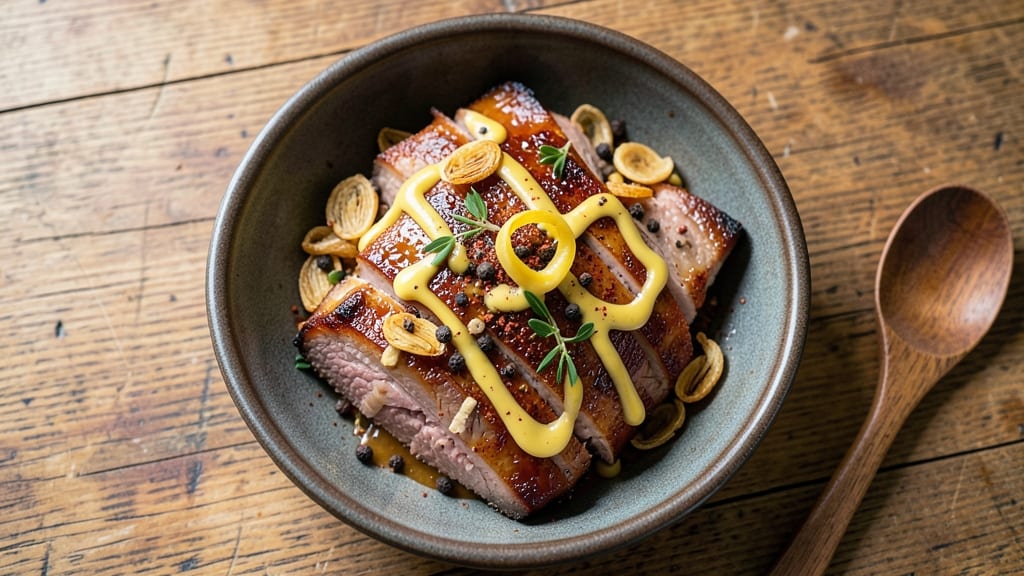
This apple cider vinegar spritz brisket recipe delivers restaurant-quality results with a smoky bark and tangy crisp in just 4 hours—no long smoker required. The secret lies in the spritzing technique, where apple cider vinegar transforms tough brisket into tender, flavor-packed perfection.
I perfected this method after years of experimenting with traditional Texas-style techniques, but with a faster, more accessible approach.
The process begins with a dry rub that creates a deep, caramelized crust, then apple cider vinegar spritzes every hour to keep the meat moist and develop that signature tangy flavor. Monitoring internal temperature ensures tender, juicy meat without overcooking—critical for brisket that falls apart at the touch.
This method works beautifully in an oven with a meat thermometer or on a grill for that classic smoky flavor.
By the time you slice into this brisket, you’ll find layers of crispy bark, tender meat, and a bright, tangy finish that balances the richness. The vinegar spritz not only tenderizes but also adds a bright acidity that cuts through the fat, making every bite irresistible.
Serve with classic sides like creamy mashed potatoes or buttery cornbread for the full experience.
Whether you're hosting a weekend gathering or craving a hearty weeknight meal, this brisket delivers restaurant-quality results with minimal effort. The key is patience and precision—letting the vinegar work its magic while you monitor the temperature. Let’s get started on this showstopper dish!
Ingredients for apple cider vinegar spritz brisket
Six pounds of brisket, a spritz of vinegar, and four hours to smoky perfection.
| Ingredient | Amount | Notes |
|---|---|---|
| Packer Cut Brisket 🥩 | 6 lb | Whole packer cut, fat cap intact |
| Yellow Mustard 🍯 | ½ cup | For initial coating |
| Apple Cider Vinegar 🍏 | 1 cup | Unfiltered, high-quality |
| Kosher Salt 🧂 | ½ cup | Diamond Crystal preferred |
| Black Peppercorns 🌶️ | 2 tbsp | Freshly cracked |
| Smoked Paprika 🌶️ | 2 tbsp | For deep smoky flavor |
| Garlic Powder 🧄 | 1 tbsp | Freshly ground preferred |
| Onion Powder 🧅 | 1 tbsp | For balanced sweetness |
| Brown Sugar 🍯 | 2 tbsp | Light or dark |
| Baking Soda 🧪 | 1 tsp | Boosts bark development |
| Water 💧 | ½ cup | For spritzing |
| Wood Chips (Hickory or Oak) 🌳 | 1 package | For smoker or grill |
| Beef Tallow or Oil 🫒 | 2 tbsp | For basting |
The brisket is everything here. Packer cut is ideal—it's got that perfect mix of meat and fat for maximum flavor and moisture. Grab one from Costco or your local butcher shop (they'll often cut it for you). If you're buying whole, leave that fat cap on—it renders down during cooking and keeps the meat juicy. Bragg or Texas Pete hot sauce brands are great for vinegar if you want to splurge, but any unfiltered apple cider vinegar works. The key is quality: if it smells funky or tastes harsh, skip it. For the wood chips, Traeger or Butcher's Broom are solid choices, but any hickory or oak will do.
No apple cider vinegar? White vinegar or lemon juice in a pinch (reduce by half), but you'll lose that signature depth. The dry rub is flexible—swap smoked paprika for regular if needed, but keep the baking soda (it's non-negotiable for that crispy bark). Running low on tallow? Olive oil or avocado oil works, though it won't render the same way. For the mustard, Dijon adds a nice kick if you've got it. And if you're grilling instead of smoking, soak those wood chips in water first—they'll burn slower and give you more smoke. The brisket can be prepped the night before (it's a game-saver for weeknight cooking), just store it uncovered in the fridge so the rub sets.
This brisket tastes even better the next day—honestly, that's when the magic happens. Wrap leftovers in butcher paper and refrigerate for up to 5 days. For freezing, slice against the grain, portion into 1-inch thick slices, and freeze on a tray before transferring to a bag (keeps for 3 months). Pro tip: save the fat cap trimmings—they're perfect for frying potatoes or adding richness to mashed potatoes. And if you've got extra vinegar spritz, use it on chicken wings or roasted veggies next time. Multitasking at its finest.
Why You'll Love This Recipe
- One-Pan Magic: I swear by this—just salt, pepper, and a quick spritz of apple cider vinegar before roasting. No basting, no fuss, just that perfect crispy bark forming while the mustard adds a tangy stickiness. Honestly, my lazy Sundays just got a whole lot easier.
- Tangy Twist: That apple cider vinegar isn’t just for dressings—it cuts through the richness of the brisket with a bright, almost caramelized sweetness. The yellow mustard ties it all together, giving every bite a little bite that keeps you reaching for more.
- Leftovers Heaven: This brisket practically begs to be made ahead—it reheats like a dream and gets even more flavorful the next day. I’ll be real: my freezer is always stocked with slices for sandwiches or tacos, and no one complains (even my picky teenager).
- Budget Hero: Packer cut brisket is affordable, and this method makes it feel like a fancy dinner without breaking the bank. A splash of vinegar and a smear of mustard turn basic ingredients into something special—proof you don’t need a gourmet budget for restaurant-worthy results.
Step-by-step instructions for apple cider vinegar spritz brisket
Here's the method—tangy, crispy, and packed with smoky flavor in just four hours.
Prepare the Dry Rub and Initial Coating
In a medium bowl, combine the 0.5 cup kosher salt, 2 tbsp black peppercorns, 2 tbsp smoked paprika, 1 tbsp garlic powder, 1 tbsp onion powder, 2 tbsp brown sugar, and 1 tsp baking soda. Crush the peppercorns lightly with your fingers or a mortar and pestle—you want a coarse texture that clings to the meat. Add the 0.5 cup yellow mustard to the dry ingredients and mix until fully combined. This mustard acts as a binder and adds a subtle tang that pairs perfectly with the apple cider vinegar.
Pat the 6 lb packer cut brisket dry with paper towels—this is critical for bark development. Rub the mustard mixture all over the brisket, pressing it into the meat, especially on the fat cap. Let the brisket sit at room temperature for 30 minutes while you prepare your smoker or grill. This resting period ensures even cooking and helps the rub adhere better.
Set Up the Smoker and Preheat
Fill your smoker with 1 package wood chips (hickory or oak) and preheat to 225°F. I like to use a two-zone setup if possible—keep the brisket in the cooler side of the smoker where the temperature stays consistent. Once the smoker reaches temperature, you’ll see thin, blue smoke (not thick white steam). This is your signal that it’s ready for the brisket.
Place the brisket fat-side up on the smoker grate. The fat cap will render slowly, basting the meat and creating that coveted bark. Avoid the temptation to peek or move the brisket—every time you open the lid, you lose heat and moisture, adding unnecessary time to the cook. Set a timer for 1 hour and let the brisket smoke undisturbed.
Spritz and Monitor for the Perfect Bark
After 1 hour, it’s time for the first spritz. In a small bowl, mix 1 cup apple cider vinegar and 0.5 cup water. The vinegar’s acidity helps tenderize the meat and creates a tangy crust that contrasts beautifully with the smoky flavor. Using a spray bottle or basting brush, generously coat the brisket with the mixture, focusing on all sides. Return it to the smoker and continue cooking.
Spritz the brisket every 45 minutes for the next 2.5 hours. Each time, you’ll notice the bark developing—it should be deep mahogany and slightly sticky, not dry or brittle. The vinegar spritz also helps prevent the bark from becoming too hard, keeping it tender and crispy. Keep the smoker temperature steady at 225°F—fluctuations can lead to uneven cooking.
Check for Doneness and Rest
After 4 hours total, check the internal temperature using a meat thermometer. Insert the probe into the thickest part of the brisket, avoiding the fat. You’re looking for 195-203°F—this is the "probe-tender" stage where the collagen breaks down, and the meat becomes fork-tender. If the temperature is below 195°F, continue smoking and spritzing until it reaches your desired level of tenderness.
Once it’s done, remove the brisket from the smoker and let it rest for 1 hour in a warm, covered environment. This resting period allows the juices to redistribute, ensuring every slice is moist and flavorful. Tent the brisket loosely with foil and place it on a cutting board. The bark will firm up slightly during this time, making it easier to slice.
Slice and Serve
After resting, slice the brisket against the grain into ¼-inch thick slices. The grain runs horizontally across the flat and point, so adjust your angle accordingly. Each slice should have a crispy, tangy bark on the outside and tender, juicy meat on the inside. Serve immediately with your favorite sides—mashed potatoes, coleslaw, or crusty bread to soak up the smoky juices.
This brisket delivers a perfect balance of smoky, tangy, and sweet flavors, with a bark that’s crispy yet tender. The apple cider vinegar spritz is the secret weapon—it keeps the bark from drying out while adding a bright acidity that cuts through the richness of the meat. Enjoy your perfectly smoked brisket!
Pro Tips For Making Apple Cider Vinegar Spritz Brisket
- SPRAY IN STAGES: Don’t drown the brisket—spritz it every 30-45 minutes instead of all at once. The acid in apple cider vinegar works best when it can penetrate gradually, not pool on the surface. (Yes, I’ve seen briskets turn mushy from over-spritzing.)
- USE RAW VINEGAR: Skip the diluted stuff—raw, unfiltered apple cider vinegar has more tang and natural enzymes that tenderize better. If your bottle’s filtered, shake it first to resuspend the sediment. (Trust me, that grit makes a difference.)
- CRUSH THOSE PEPPERCORNS: Whole black peppercorns just sit there like decorative rocks. Lightly crush them in a mortar or zip-top bag before seasoning—this releases their oils and lets them cling to the meat. (I used to skip this; now I don’t.)
- MUSTARD LAYER MATTERS: Spread the yellow mustard evenly and thinly—a thick glob burns before the edges render. Use about 1 tablespoon per pound of brisket, and pat it on like frosting. (Thick mustard = sad, crispy edges.)
Troubleshooting your apple cider vinegar spritz brisket
Bark Too Hard
If your brisket bark turns hard and dry instead of crispy, you’re likely over-smoking or not spritzing enough. The apple cider vinegar spritz is key—it keeps the bark tender while developing that tangy crust. I’ve found that spritzing every 45 minutes (not just once) prevents hardening.
Also, check your smoker temperature—if it’s above 250°F, the bark will dry out faster. Lower the heat to 225°F and maintain consistency. 🌡️
Meat Not Tender
Brisket should be fork-tender when it reaches 195-203°F internal temperature. If it’s still tough at this temp, your brisket may have been undercooked or overworked. Let it cook longer—patience is crucial here.
I’ve seen briskets take 6-8 hours to reach perfect tenderness. Avoid rushing by wrapping it in butcher paper after 3 hours to speed up the process without drying it out.
Uneven Cooking
Uneven cooking often happens when the brisket isn’t placed fat-side up or the smoker temperature fluctuates. Always position the brisket fat-side up—the fat renders and bastes the meat evenly. Use a two-zone fire setup if possible, keeping the brisket in the cooler zone.
A ThermoWorks Smoke thermometer helps monitor temperature precisely. If your smoker isn’t consistent, try a charcoal grill with a water pan for steadier heat. 🔥
Vinegar Overpowering
The apple cider vinegar should add brightness, not dominate. If it tastes too sharp, reduce the water in your spritz mix—try ¾ cup vinegar to ¼ cup water. Also, balance the flavor with the dry rub.
A touch of brown sugar in the rub helps mellow the acidity. For extra depth, add a pinch of cinnamon or allspice to the rub—these spices complement the vinegar beautifully.
Smoke Too Heavy
If your brisket tastes more like campfire ash than smoky brisket, your wood chips are burning too fast. Soak the chips in water for 30 minutes before using to slow combustion. For a grill, use indirect heat and place a water pan near the brisket to regulate temperature.
Hickory chips add strong flavor, while oak is milder—adjust based on preference. A Traeger pellet grill with precise temperature control is my go-to for consistent smoke. 🌳
Resting Too Short
Skipping the 1-hour rest can cause juices to spill out when slicing, leaving dry meat. The rest period lets collagen redistribute, ensuring every bite is moist. If you’re short on time, tent the brisket loosely with foil and let it rest on a cutting board.
For extra insurance, place it in a 200°F oven while resting—this keeps it warm without overcooking. 💪
Nutrition facts
Frequently asked questions
Can I use this recipe with a different cut of beef?
This recipe is specifically designed for packer cut brisket (flat and point together) because of its fat content and size. For flat cut only, reduce cooking time by about 1 hour since it's leaner. If using chuck roast instead, expect 2-3 hours longer at 225°F—the vinegar spritz will still work but adjust seasoning slightly (add 1 tsp garlic powder and ½ tsp onion powder). Never use this method on lean cuts like sirloin—they won't develop the same texture or bark.
What's the best way to store leftovers?
Wrap cooled brisket slices tightly in butcher paper (not foil) and refrigerate for up to 5 days. For longer storage, slice against the grain, portion into 1-inch thick stacks, and freeze on a tray before transferring to a bag (lasts 3 months). Reheat in a 350°F oven for 15-20 minutes until warmed through—microwaving makes the bark soggy.
Can I make this in an oven instead of a smoker?
Use a 225°F oven with a smoker box (or foil packet with wood chips). Place the brisket on a rack over a tray of water to maintain moisture. Spritz every 45 minutes as directed, and add 10-15 minutes to total cook time. For extra smoke flavor, inject ½ cup apple cider vinegar into the meat before cooking. The bark will be slightly less intense but still delicious.
Why does the recipe call for baking soda?
The 1 tsp baking soda in the dry rub is non-negotiable—it raises the pH of the meat's surface, creating an ideal environment for Maillard browning (the chemical reaction that makes bark crispy). Without it, your crust will be pale and dry. Think of it as a natural tenderizer that also helps the vinegar spritz work more effectively. For a milder version, reduce to ½ tsp, but expect less dramatic bark development.
Can I use white vinegar instead of apple cider vinegar?
In a pinch, yes—but expect less depth of flavor. White vinegar lacks the complex fruity notes and subtle sweetness of apple cider vinegar. For best results, use ½ cup apple cider vinegar + ½ cup white vinegar in your spritz mix. If you only have white vinegar, add 1 tbsp brown sugar to the spritz to compensate for the lack of natural sweetness. The texture benefits (moisture retention) will still be there, just with a sharper taste.