
Sauces & Condiments
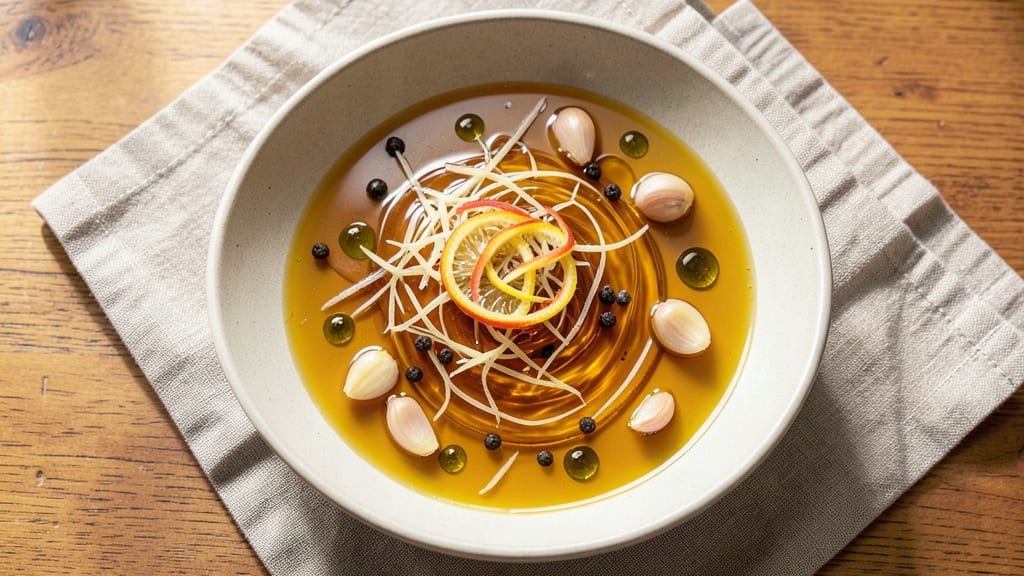
This ginger garlic lemon honey apple cider recipe transforms simple pantry staples into a vibrant, multi-purpose sauce that brightens everything from grilled meats to roasted vegetables. The balance of sharp citrus, spicy ginger, and sweet honey creates a complex flavor profile that lingers beautifully—perfect for glazing, marinating, or drizzling.
I developed this after realizing how often I reached for store-bought sauces that lacked depth; this version delivers restaurant-quality zing without the preservatives.
The magic happens in the simmering process, where garlic and ginger infuse the apple cider vinegar with warmth while honey and lemon create a perfect sweet-tart harmony.
Unlike one-note sauces, this condiment works as a glaze for pork chops, a marinade for tofu, or even a drizzle for salads—its versatility makes it a pantry essential.
The sauce thickens slightly as it cools, making it ideal for batch prep and storage in the fridge for up to two weeks.
What sets this sauce apart is its ability to elevate humble ingredients. A quick brush on grilled chicken transforms it into a showstopper, while a spoonful stirred into yogurt adds instant sophistication.
The recipe comes together in under 15 minutes with just five ingredients, proving that bold flavors don’t require complicated techniques. For those who love sauces with layers—this one delivers without the fuss.
Use it immediately or store for later—this sauce keeps its punch even after refrigeration. The possibilities are endless: drizzle over roasted Brussels sprouts, mix into dressings, or serve as a dipping sauce for spring rolls. Here’s how to make it perfectly every time.
Ingredients for ginger garlic lemon honey apple cider
Five core ingredients combine to create a versatile sauce that transforms ordinary dishes into extraordinary ones.
| Ingredient | Amount | Notes |
|---|---|---|
| Fresh Ginger Root 🌿 | ½ cup | Finely grated, peel removed |
| Garlic Cloves 🧄 | 6 cloves | Minced for aromatic depth |
| Extra-Virgin Olive Oil 🫒 | ¼ cup | High-quality, fruity variety |
| Raw Honey 🍯 | ⅓ cup | Wildflower or clover preferred |
| Fresh Lemon Juice 🍋 | ¼ cup | Strained, seeds removed |
| Apple Cider Vinegar 🍶 | ½ cup | Raw, unfiltered preferred |
| Diamond Crystal Kosher Salt 🧂 | ½ tsp | For seasoning balance |
| Fresh Black Peppercorns 🌶️ | ¼ tsp | Freshly cracked for aroma |
The quality of your ginger and garlic makes all the difference. Buy fresh ginger root—the younger, the better, with smooth skin and no soft spots. Whole Foods Market or Trader Joe's carry excellent options, but any well-stocked grocery store will have it. For garlic, look for plump cloves with papery skins—avoid any that feel soft or sprouting. The apple cider vinegar should be raw and unfiltered (like Bragg or Organic Valley) for maximum flavor complexity. Honey should be raw and unprocessed—local varieties add subtle regional notes that elevate the sauce. Don't skimp on olive oil; a good Italian extra-virgin like Colavita or Otto will make this sauce shine.
No fresh ginger? Powdered ginger at half the amount works in a pinch, though texture will differ. Substitute garlic powder for minced garlic, but use one-third the amount—it lacks the moisture and depth. Running low on honey? Maple syrup is the next best option, though it adds a distinct caramel note. For lemon juice, bottled lemon juice works if you strain it well, but fresh is always superior. The vinegar can be swapped for white wine vinegar if that's what you have, though apple cider adds a wonderful complexity. If you're avoiding honey entirely, agave nectar provides a similar sweetness profile without altering the sauce's integrity.
This sauce keeps beautifully in the fridge for up to two weeks when stored in an airtight container. For longer storage, freeze in ice cube trays—perfect for single-use portions. The sauce thickens slightly as it cools, so if you prefer it thinner, simply whisk in a splash of warm water. The flavors deepen over time, making it even more versatile. I always make a double batch—one for immediate use and one to stash in the freezer for future culinary adventures. Use it within three months of freezing for optimal flavor.
Why You'll Love This Recipe
- Five-Ingredient Magic: I swear by this combo—peel and grate ginger, mince garlic, then toss with olive oil, honey, and lemon. That’s it. No fancy gadgets, no stress, just pure flavor in minutes.
- Zingy Brightness: The honey mellows the garlic’s bite while the lemon cuts through, creating this addictive balance. Honestly? It’s the kind of tangy-sweet punch that makes you reach for seconds without thinking.
- Crowd-Pleaser Base: Drizzle it over roasted veggies, toss with grilled chicken, or even mix into dressings. I’ve used it for everything from weeknight dinners to holiday sides—it’s that versatile.
- Pantry Goldmine: Uses what you already have (check your spice rack and fridge). Between us, this recipe saved me from buying pricey marinades—now it’s my secret weapon for cheap, bold flavor.
Step-by-step instructions for crafting the perfect ginger-garlic infusion
Here's how to transform simple ingredients into a vibrant, multi-purpose condiment.
Prepare the Ginger and Garlic Base
Using a microplane or fine grater, carefully grate the 0.5 cup fresh ginger root until you have a fine, uniform texture. Remove any remaining peel fragments to ensure a smooth consistency. In a small bowl, combine the grated ginger with the 6 cloves minced garlic—this creates a potent aromatic foundation.
Let this mixture sit at room temperature for 5 minutes to release its essential oils. This brief resting period intensifies the flavors, ensuring every drop of your final blend carries maximum zing. The ginger should look like fine sand, and the garlic should be finely chopped with no visible chunks remaining.
Combine Wet Ingredients for Balance
In a medium saucepan, whisk together the 0.25 cup extra-virgin olive oil, 0.33 cup raw honey, and 0.25 cup fresh lemon juice over low heat. Stir gently to integrate the honey completely—it should dissolve smoothly without graininess. The mixture will begin to shimmer slightly as the heat activates.
Add the ginger-garlic mixture to the saucepan and stir continuously for 3-4 minutes until the raw honey fully incorporates and the mixture reaches a gentle simmer. The aroma will become immediately more complex, blending citrus brightness with ginger's warmth and garlic's depth. This step develops the flavor profile before adding the acidic component.
Incorporate Acid for Tangy Depth
Remove the saucepan from heat and carefully stir in the 0.5 cup apple cider vinegar. The mixture will bubble slightly as the vinegar reacts with the warm ingredients. Return the pan to low heat and simmer gently for an additional 2-3 minutes, allowing the vinegar to fully integrate and mellow its sharpness.
Taste the mixture at this stage—it should balance sweet, spicy, tangy, and umami notes. If the flavor feels too acidic, add a small spoonful of honey. If it needs more brightness, add a splash of lemon juice. The goal is a harmonious blend where no single component overpowers the others.
Season and Finish with Precision
Transfer the mixture to a clean bowl and let it cool to room temperature. While cooling, combine the 0.5 teaspoon diamond crystal kosher salt and 0.25 teaspoon freshly cracked black peppercorns in a small mortar or spice grinder. Lightly crush the peppercorns to release their aromatic oils without creating powder.
Once the mixture has cooled, stir in the salt and pepper until completely dissolved. The final texture should be velvety with no visible graininess. For best results, let the blend rest in the refrigerator for at least 1 hour before using—this allows all the flavors to fully meld and intensify. The infusion will keep for up to 2 weeks when stored properly.
Pro Tips For Making Ginger Garlic Lemon Honey Apple Cider
- Peel Ginger Like a Pro: Use a spoon to scoop off the skin in one long strip—no peeling required. I learned this the hard way after slicing through my fingers three times trying to peel ginger with a knife. Works for garlic too if you’re impatient with peeling cloves.
- Sauté Garlic Low and Slow: Cook the garlic on medium-low heat until golden, not brown—you want sweetness, not bitterness. After burning two batches, I finally realized the pan needed to be warm but not screaming hot. Patience here makes all the difference.
- Zest Lemon Before Juicing: Grate the peel first, then juice—it adds bright, aromatic layers that plain juice can’t match. I was skeptical until I tried it; now I can’t imagine skipping it. Toss the zest in while simmering the cider for extra depth.
- Balance Honey with Acid: Add the honey after the lemon juice hits the pan—it prevents the sweetness from cloying the tang. I used to dump them in together, and the flavors fought instead of dancing. Trust the order: acid first, then honey.
Best sauces and condiments for ginger garlic lemon honey apple cider
Glazing Masterpiece
Use this sauce as a glaze for proteins like pork tenderloin or salmon. Brush 2-3 tablespoons onto meat 5 minutes before the final 2 minutes of cooking—watch as it caramelizes into a sticky, flavorful crust.
I love using it on grilled chicken thighs or baked tofu for a restaurant-worthy finish. 🔥
The sauce's natural stickiness makes it perfect for roasted vegetables. Toss Brussels sprouts or carrots with 1 tablespoon olive oil, then drizzle with 1 tablespoon sauce before roasting at 400°F for 20 minutes. The caramelized edges become irresistible.
Salad Dressing Upgrade
Thin with 2 parts water or sparkling water to 1 part sauce for an instant dressing. Toss with arugula, spinach, or mixed greens and top with toasted nuts or seeds for crunch. I especially love it with goat cheese and pears for a sweet-savory balance.
For a creamy twist, whisk 1 tablespoon sauce into ½ cup Greek yogurt with a pinch of salt. This works beautifully with cucumber slices or grilled shrimp—the tangy-sweet contrast is unbeatable.
Marinade Magic
Use this sauce as a marinade for 30-60 minutes before cooking. It tenderizes chicken, fish, or shrimp while infusing deep flavor. I marinate salmon fillets for 20 minutes before pan-searing—the result is juicy and packed with zing.
For tofu or tempeh, marinate for 1 hour to maximize flavor absorption. The sauce's acidity helps break down proteins, creating a more satisfying texture. Always pat dry before cooking to ensure a good sear.
Dipping Delight
Serve warm or at room temperature as a dipping sauce for spring rolls, dumplings, or fries. The balance of sweet, spicy, and tangy makes it irresistible. I keep a small bowl on the table during game day for extra crunch.
For a creamy variation, mix 1 tablespoon sauce with 2 tablespoons sour cream and a pinch of smoked paprika. This works perfectly with crudités or soft pretzels—the smoky note adds unexpected depth.
Nutrition facts
Frequently asked questions
Can I make this sauce without honey?
Yes, but you'll need to adjust the sweetness balance. Try 1/3 cup maple syrup or agave nectar as a 1:1 substitute. For a tangier profile, reduce the vinegar to 1/4 cup and add 1 extra tablespoon lemon juice to compensate. The sauce will still work, though the flavor will shift toward more citrus-forward.
How do I adjust the thickness?
The sauce naturally thickens as it cools. For a thinner consistency, whisk in 1-2 teaspoons warm water at a time until smooth. Need it thicker? Simmer the cooled sauce for 3-5 minutes to reduce—just watch closely to avoid burning. Pro tip: Chill it completely before adjusting for more accurate results.
What's the best way to store leftovers?
Transfer to an airtight glass jar and refrigerate for up to 2 weeks. For longer storage, freeze in ice cube trays—thaw overnight in the fridge. The flavors actually improve with time! If you notice crystallization (from honey), gently reheat and stir until smooth before using.
Can I use this sauce on seafood?
It's perfect for salmon, shrimp, or scallops. For delicate fish, use it as a light marinade (15-20 minutes max) or glaze. The acidity tenderizes while the sweetness caramelizes beautifully. Just avoid over-marinating shellfish—their texture can become rubbery.
Why does my sauce taste too sharp?
This usually means the vinegar overpowered the sweetness. Balance it by adding 1 extra tablespoon honey or 1/2 teaspoon sugar and mixing well. If it's still too tart, the garlic might need more time to mellow—simmer the sauce for an additional 2-3 minutes to let flavors meld. Remember, taste as you go!