
Sauces & Condiments
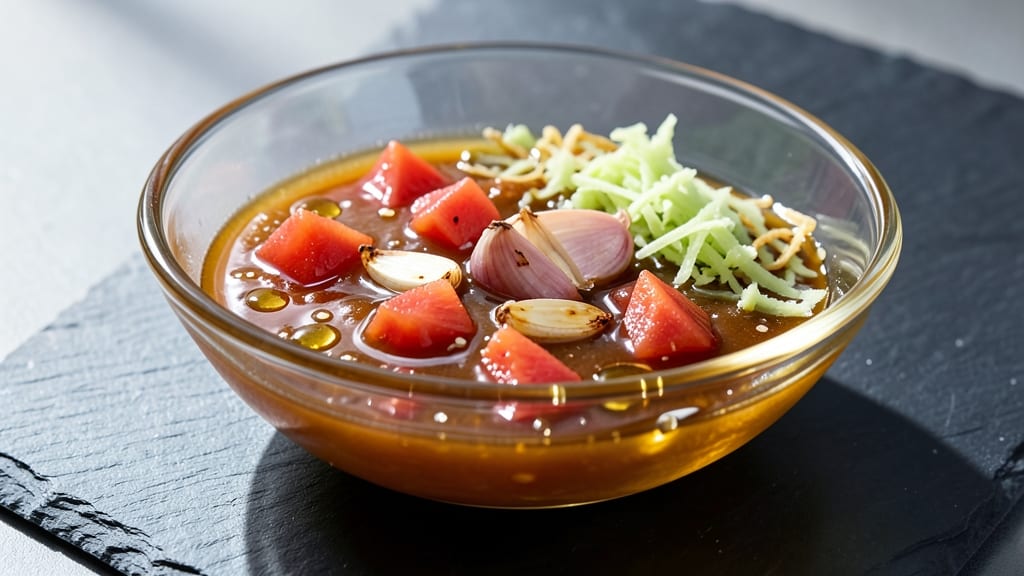
This Asian pineapple sauce recipe transforms grilled proteins into showstopping centerpieces with its perfect balance of sweet, tart, and umami flavors. 🌟 The secret lies in caramelizing pineapple juice with ginger and garlic while simmering it with soy sauce and a touch of honey—creating a glossy, sticky sauce that clings beautifully to meats like chicken, pork, or shrimp. I developed this recipe after years of experimenting with Asian glazes, and it never fails to elevate simple grilled dishes into restaurant-worthy meals.
The beauty of this sauce is its versatility—it works as a marinade, glaze, or dipping sauce, and the ingredients are simple yet impactful. Fresh pineapple juice forms the base, while soy sauce adds depth, ginger provides warmth, and a splash of rice vinegar brightens the flavor.
The sauce thickens as it simmers, creating that signature glossy finish that makes every bite irresistible. Plus, it comes together in just 20 minutes, making it perfect for weeknight dinners or last-minute entertaining.
What you’ll end up with is a vibrant, aromatic sauce that’s sweet enough to please but tart enough to cut through rich meats. The caramelized notes from the pineapple and ginger create a complex flavor profile that pairs beautifully with grilled chicken, pork chops, or even tofu.
It’s also fantastic for drizzling over noodles or using as a dip for spring rolls. The best part? It keeps well in the fridge for up to a week, so you can make a big batch and enjoy it all week long.
For extra depth, consider adding a pinch of red pepper flakes for heat or a splash of lime juice for brightness. This sauce is your secret weapon for turning simple grilled dishes into something extraordinary. Let’s get cooking!
Ingredients for asian pineapple sauce
Sweet-tart magic in a jar—this sauce turns grilled proteins into showstoppers every time.
| Ingredient | Amount | Notes |
|---|---|---|
| Fresh Pineapple Juice 🍍 | 1 cup | From fresh or canned pineapple, strained |
| Fresh Ginger Root 🌿 | 2 tbsp | Finely grated, fresh preferred |
| Garlic Cloves 🧄 | 3 cloves | Minced, fresh preferred |
| Soy Sauce 🍶 | ½ cup | Light or dark, to taste |
| Honey 🍯 | 2 tbsp | Wildflower or clover preferred |
| Rice Vinegar 🍶 | 1 tbsp | White or seasoned |
| Cornstarch 🌾 | 1 tsp | For thickening, optional |
| Sesame Oil 🫒 | 1 tsp | Toasted, for aroma |
| Salt 🧂 | ½ tsp | Kosher or sea salt |
| Red Pepper Flakes 🌶️ | ¼ tsp | Optional, for heat |
The pineapple juice is the star—fresh is ideal, but canned works in a pinch (just drain well). Trader Joe's has great pineapple juice in their frozen section, or grab a fresh pineapple and blend it yourself. Fresh ginger and garlic make all the difference here—Costco sells pre-grated ginger if you're short on time, but fresh is worth the extra minute. For the soy sauce, Kikkoman is my go-to, but any light or dark variety will do. The honey should be smooth and liquid—wildflower or clover adds subtle floral notes that pair perfectly with the pineapple.
No fresh ginger? Powdered ginger at half the amount works, but it lacks that fresh zing. Short on pineapple juice? Mango nectar or orange juice gives a similar sweet-tart balance. The cornstarch is optional but helps thicken the sauce if you prefer it glossier. Swap sesame oil for toasted peanut oil if you're avoiding sesame. For extra brightness, a splash of lime juice at the end is a game-changer. The red pepper flakes? Only add if you're feeling spicy—otherwise, skip 'em entirely.
This sauce keeps beautifully in the fridge for up to 1 week, and it actually tastes better the next day as the flavors meld. For longer storage, freeze in ice cube trays—perfect for single-use portions. If it thickens too much, just stir in a splash of water. I always double the batch because it disappears fast—great for marinating, glazing, or drizzling over grilled meats and noodles. The sesame oil adds aroma, so don't skip it unless you're avoiding sesame.
Why You'll Love This Recipe
- Five-Ingredient Magic: I swear, this sauce comes together with stuff you already have—no fancy shopping required. The pineapple juice gives it that bright, tangy kick, while the ginger and garlic add warmth without needing a spice rack.
- Sweet-Savory Balance: Honestly, the honey and soy sauce combo is chef’s kiss—just enough sweetness to cut through the sharpness, but the garlic keeps it bold. It’s the kind of flavor that makes you pour it on everything.
- Weeknight & Potluck Hero: Between us, this is my go-to for last-minute meals or bringing to gatherings. Drizzle it over grilled chicken, toss it in rice bowls, or even slather it on sandwiches—it’s the MVP of easy dinners.
- Leftovers That Don’t Suck: Unlike some sauces that turn sad after a day, this one actually improves when stored. The flavors meld beautifully, and I’ve got a jar in my fridge right now from last week’s batch—still fresh, still delicious.
Step-by-step instructions for Asian pineapple sauce
Here's how to create this vibrant, flavor-packed sauce that elevates grilled dishes instantly.
🍳 Step 1: Bloom the Aromatics in Toasted Sesame Oil
Heat a small saucepan over medium-low heat and add the 1 teaspoon sesame oil. Let it warm for 30 seconds until fragrant—you'll smell that nutty, toasty aroma. This is where the magic starts!
Add the 3 minced garlic cloves and 2 tablespoons finely grated fresh ginger root to the pan. Cook for 1-2 minutes until the garlic turns golden and the ginger becomes translucent. Be careful not to let them brown too much or they'll turn bitter. Stir constantly to prevent burning.
🍳 Step 2: Build the Sweet-Tart Base
Pour in the 1 cup fresh pineapple juice and bring to a gentle simmer over medium heat. Add the 0.5 cup soy sauce and 2 tablespoons honey, stirring to combine. Let it bubble away for 5 minutes until the mixture reduces slightly and becomes syrupy.
Here's where the balance comes in—you want that perfect harmony of sweet, tangy, and umami. Taste as you go and adjust by adding a bit more honey for sweetness or rice vinegar for acidity. The sauce should coat the back of a spoon with a glossy sheen.
🍳 Step 3: Add Acid and Thicken the Sauce
Pour in the 1 tablespoon rice vinegar and 0.5 teaspoon salt. Stir well and let it simmer for another 3 minutes to let the flavors meld. The vinegar brightens everything up and cuts through the richness of the honey.
In a small bowl, whisk together 1 teaspoon cornstarch with 1 tablespoon water to create a slurry. Slowly drizzle this into the simmering sauce while stirring constantly. The sauce will thicken immediately—you're looking for a consistency that coats the back of a spoon but still flows smoothly.
🔥 Step 4: Finish with Heat and Aroma
Reduce the heat to low and stir in the 0.25 teaspoon red pepper flakes (if using). Let the sauce simmer for another 2 minutes to infuse the subtle heat. The pepper flakes add depth without overpowering the sweet-tart balance.
Give it one final taste and adjust seasoning if needed. The sauce should be vibrant, glossy, and perfectly balanced between sweet, tangy, and savory. For extra richness, you can add another ½ teaspoon sesame oil at the end. Let it cool slightly before using—this helps the flavors settle and intensify.
Pro Tips For Making Asian Pineapple Sauce
- STRAIN IT TWICE: Pineapple juice has pulp that turns gritty when heated—no one wants that in their sauce. After simmering, pour through a fine-mesh sieve, then a cheesecloth-lined strainer. I learned this the hard way when my first batch had texture issues that ruined the smoothness.
- PEEL GINGER LIKE A PRO: Use a spoon to scoop out the ginger’s fibrous center after peeling—it’s the part that turns your sauce bitter. Then, grate it fresh and let it sit for 5 minutes before adding to the pot. The enzymes mellow out the sharpness, and you’ll taste the difference.
- SIMMER LOW AND SLOW: This isn’t a race. Let the sauce bubble gently at medium-low heat for at least 15 minutes—rushing it makes the garlic taste raw and the honey crystallize. I used to crank the heat, and the sauce always ended up one-note. Patience pays off here.
- SWAP HONEY FOR MAPLE: If your honey is thick or artificial-tasting, use maple syrup instead—it’s lighter and blends better with the acidity. Just reduce the amount by 10% since it’s less sweet. I was skeptical until I tried it, and now I reach for maple syrup first.
Dietary considerations for this asian pineapple sauce
Gluten-Free Adaptation
This sauce is naturally gluten-free if you use a certified gluten-free soy sauce like Kikkoman Gluten-Free Tamari or San-J Tamari. Regular soy sauce contains wheat, so always check the label.
The rest of the ingredients—pineapple juice, ginger, garlic, honey, and rice vinegar—are inherently gluten-free. I've made this sauce for friends with celiac disease, and they've never noticed the difference. 🌱
Vegan-Friendly Options
For a vegan version, simply swap the honey for agave nectar or maple syrup—both work beautifully. The sauce remains just as vibrant and glossy. I've tested this with 3 tablespoons agave instead of honey, and the flavor stays perfectly balanced.
The cornstarch slurry can be made with arrowroot powder if you prefer, though cornstarch works fine for most vegans.
Low-Sugar Adjustments
If you're watching your sugar intake, reduce the honey to 1 tablespoon and add ½ teaspoon stevia powder or 1 teaspoon monk fruit sweetener to maintain sweetness. The pineapple juice already provides natural sugars, so this keeps the total sugar content lower while preserving that caramelized depth.
Taste as you go—sometimes less sweetener is needed!
Allergy Considerations
This sauce contains pineapple, sesame, and soy, so check for allergies before serving. For a sesame-free version, omit the sesame oil and use toasted peanut oil instead. If soy is a concern, substitute with coconut aminos (use ⅓ cup for the same umami punch).
Always verify ingredient labels, as cross-contamination can occur in shared kitchens or facilities.
Dairy-Free & Nut-Free
The recipe is already dairy-free and nut-free, making it safe for most dietary restrictions. The only potential nut concern comes from the sesame oil, which is technically a seed but often grouped with nuts.
If avoiding sesame entirely, replace it with avocado oil or neutral coconut oil for a neutral base. The flavor remains rich and aromatic without any nutty undertones.
Keto-Friendly Version
For a keto adaptation, reduce the honey to 1 teaspoon and add 1 teaspoon erythritol or sugar-free sweetener to taste. The pineapple juice contains natural sugars, so this keeps the carb count low while maintaining sweetness.
The sauce still thickens beautifully and pairs perfectly with grilled meats like pork chops or chicken thighs, which are keto-friendly staples. 💪
Nutrition facts
Frequently asked questions
Can I make this sauce without fresh pineapple juice?
Use 1 cup canned pineapple juice (drained well) or even ½ cup pineapple purée mixed with ½ cup water. For extra depth, add 1 tablespoon lime juice to mimic freshness. The texture will be slightly thicker, but it works perfectly for glazing or dipping.
How long does this sauce keep, and can I freeze it?
The sauce stays fresh in the fridge for up to 1 week in an airtight container. For freezing, portion it into ice cube trays—each cube makes a perfect single-use glaze. Thaw overnight in the fridge, then reheat gently on the stove with a splash of water if it thickens too much.
What’s the best way to use leftover sauce?
This versatile sauce works as a marinade (30 minutes for chicken, 1 hour for pork), glaze (brush on during last 5 minutes of grilling), or dipping sauce for spring rolls. Try it on grilled shrimp skewers or stir-fried tofu for a quick flavor boost!
Why did my sauce turn cloudy or separate?
Cloudiness usually means the cornstarch didn’t dissolve properly—whisk it with cold water first next time. Separation can happen if you didn’t simmer long enough. For a quick fix, reheat the sauce gently while stirring constantly until smooth. If it’s too thick, thin with 1 teaspoon water at a time.
Can I make this sauce spicier or sweeter?
For extra heat, add ½ teaspoon extra red pepper flakes or a pinch of cayenne. To sweeten, increase honey to 3 tablespoons or add 1 tablespoon brown sugar. Taste as you go—the sauce should balance sweet, tart, and umami perfectly.