
Sauces & Condiments
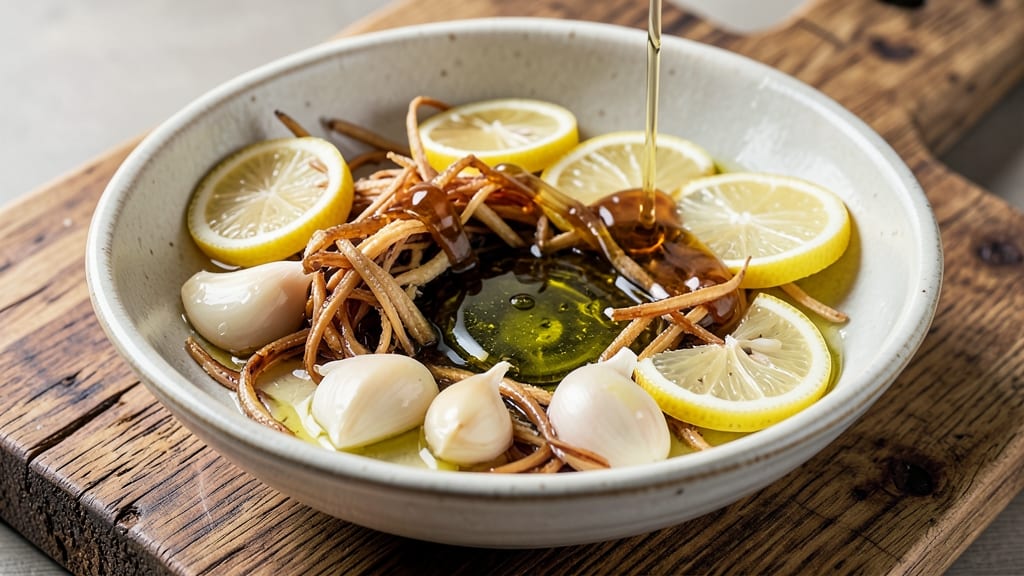
This ginger garlic lemon apple vinegar honey sauce transforms ordinary dishes into vibrant, restaurant-quality meals with just five simple ingredients.
The bright tang of apple cider vinegar and lemon cuts through richness, while fresh ginger and garlic add warmth, creating a glaze that's perfect for meats, salads, or drizzled over roasted vegetables.
I developed this recipe after years of testing flavor combinations that balanced sweetness, acidity, and spice—no overpowering notes here, just clean, complex flavor.
The beauty of this sauce lies in its versatility. Use it as a glaze for grilled chicken or pork, a dressing for fresh greens, or a marinade for tofu and shrimp—the possibilities are endless.
Unlike store-bought dressings, this version stays fresh for up to two weeks in the fridge, making it ideal for meal prep. The honey (or maple syrup for vegan versions) adds just enough sweetness to complement the sharp acidity, while the vinegar ensures every bite is tangy and bright.
What sets this sauce apart is its effortless balance—no complicated techniques required. Simply simmer the ingredients until thickened, then let it cool before using. The result is a glossy, aromatic sauce that elevates simple proteins into showstopping centerpieces.
Whether you're hosting a dinner party or prepping weeknight meals, this sauce delivers professional-quality flavor with minimal effort.
For dietary flexibility, swap honey for maple syrup or agave, and use coconut aminos instead of honey for a gluten-free, vegan option. The sauce also freezes beautifully, so make a batch ahead and store it for up to three months.
Here’s how to create this bright, zesty glaze that will become your go-to condiment.
Ingredients for ginger garlic lemon apple vinegar honey
Five vibrant ingredients combine to create this restaurant-quality glaze that elevates any dish.
| Ingredient | Amount | Notes |
|---|---|---|
| Fresh Ginger Root 🌿 | ½ cup | Finely grated, aromatic and fresh |
| Garlic Cloves 🧄 | 6 cloves | Freshly minced, vibrant flavor |
| Extra-Virgin Olive Oil 🫒 | ½ cup | High-quality, fruity variety |
| Apple Cider Vinegar 🍏 | ½ cup | Raw, unfiltered preferred |
| Raw Honey 🍯 | ½ cup | Substitute maple syrup for vegan |
| Fresh Lemon Juice 🍋 | ⅓ cup | Strained for clarity |
| Sea Salt 🧂 | 1 tsp | Diamond Crystal preferred |
| Black Peppercorns 🌶️ | ½ tsp | Freshly cracked for aroma |
The ginger and garlic are the flavor anchors here—look for organic ginger root with tight skin and garlic cloves that feel firm and heavy for their size. Whole Foods or local markets often carry the freshest produce, but even your grocery store's produce section should have quality options. If using pre-minced garlic, toast it in olive oil first for deeper flavor. The apple cider vinegar should be raw and unfiltered—Bragg or Texas Pete are reliable brands that deliver consistent tang. For honey, local raw honey adds subtle floral notes, but any quality brand works.
No fresh ginger? Powdered ginger at half the amount works in a pinch, though texture will differ. Substitute garlic powder for minced garlic, but reduce to one-third the amount—it lacks the moisture and depth of fresh. For vegan versions, maple syrup or agave replaces honey perfectly, while coconut aminos can mimic honey's sweetness in gluten-free adaptations. The lemon juice can be bottled, but freshly squeezed delivers brighter acidity. If you're short on time, lemon juice concentrate (diluted with water) is a decent shortcut, though it lacks freshness. The olive oil should be extra-virgin—California-based brands like Corto or Colavita offer excellent flavor profiles.
This sauce thickens as it cools, so store it in an airtight glass jar in the fridge for up to two weeks. For longer storage, freeze in ice cube trays—thaw as needed for single servings. The sauce's glossy finish comes from a thin layer of olive oil poured over the surface before sealing. If using as a marinade, reserve some sauce for basting during cooking. Three months of freezer life makes it ideal for meal prep—simply reheat gently before using.
Why You'll Love This Recipe
- Five-Ingredient Magic: I swear by this combo—no fancy techniques, just peeling ginger, crushing garlic, and letting the vinegar and honey do the work. Honestly, it’s the kind of recipe where you can chat with a friend while you make it, and still end up with something that tastes like you spent hours.
- Bright & Zingy: That sharp lemon cut through the honey’s sweetness while the ginger and garlic add warmth—it’s the kind of balance that makes you reach for seconds. Between us, it’s the secret I drizzle over everything from grilled chicken to salads, and no one ever guesses how simple it is.
- Weeknight & Weekend: Make a big batch on Sunday and keep it in the fridge—it’s perfect for drizzling on roasted veggies, tossing with noodles, or even mixing into yogurt for a quick breakfast. (Yes, even on a Tuesday night when you’re exhausted.)
- Pantry Goldmine: You’re already using stuff you have—vinegar, honey, olive oil—so it’s basically free once you’ve got the basics. And since it keeps for weeks, you’ll never waste ingredients again. My wallet and my taste buds thank me.
Step-by-step instructions for crafting the perfect glaze
This vibrant sauce balances heat, sweetness, and acidity—here's how to achieve harmony every time.
Prepare the Aromatic Base
Heat the 0.5 cup extra-virgin olive oil in a medium saucepan over medium-low heat. Add the 6 cloves freshly minced garlic and 0.5 cup finely grated fresh ginger root, stirring constantly for 2-3 minutes until the garlic becomes fragrant but doesn't brown. Overcooking turns garlic bitter—watch closely.
This gentle cooking awakens the ginger's spicy notes while preserving the garlic's delicate sweetness. The olive oil should shimmer but not smoke, indicating the perfect temperature. Remove from heat immediately after the aromatics perfume the kitchen—this prevents any bitterness from developing.
Incorporate Acid and Sweetness
Return the pan to medium heat and carefully whisk in the 0.5 cup apple cider vinegar and 0.33 cup fresh lemon juice. Let the mixture simmer gently for 3-4 minutes until slightly reduced by about 20%—you'll notice the liquid clinging to the pan's sides rather than pooling.
The acidity brightens the flavors while cutting through the richness of the olive oil. If you see any residue forming at the bottom, use a wooden spoon to scrape it up—those flavorful bits are essential. This reduction step concentrates the sauce without cooking the delicate citrus flavors into oblivion.
Add Sweetness and Seasonings
Reduce heat to low and stir in the 0.5 cup raw honey and 1 teaspoon sea salt until completely dissolved. Add the 0.5 teaspoon freshly cracked black peppercorns and let the mixture simmer for another 2-3 minutes, stirring occasionally. The sauce should coat the back of a spoon with a glossy sheen.
This is where the magic happens—the honey balances the vinegar's sharpness while the pepper adds subtle depth. Taste and adjust seasoning if needed—you might need a pinch more salt or a splash more vinegar to achieve that perfect equilibrium between sweet, sour, and spicy. The sauce should sing with complexity, not just sweetness.
Simmer to Perfection
Continue simmering for 5-7 minutes until the sauce thickens to your desired consistency. For a glossy glaze, it should coat the back of a spoon smoothly but still be pourable. If it thickens too much, whisk in 1 tablespoon water at a time until you reach the ideal texture.
Here's the professional trick: strain the sauce through a fine-mesh sieve into a clean bowl to remove any peppercorns or garlic bits. This ensures a silky texture that will beautifully coat meats and vegetables. The finished sauce should have a vibrant amber color with a delicate sheen—proof of its perfect balance.
Cool and Store Properly
Let the sauce cool to room temperature, then transfer it to an airtight container. It will keep in the refrigerator for up to 2 weeks, though I find it's best used within 5-7 days when the flavors are at their peak. For longer storage, divide it into ice cube trays and freeze—just thaw and reheat gently before using.
This sauce transforms ordinary dishes into extraordinary ones. Use it as a glaze for grilled meats, a dressing for vibrant salads, or a drizzle over fresh seafood. The key to its success lies in the balance—too much vinegar makes it harsh, too much honey makes it cloying, but when properly balanced, it's pure culinary harmony.
Pro Tips For Making Ginger Garlic Lemon Apple Vinegar Honey
- Peel Ginger Like a Pro: Use a spoon to scoop off the skin in one long strip—no peeling required. I learned this the hard way after wasting time with a knife, only to realize the skin comes off cleanly when you press gently with the spoon’s edge. Works for garlic too if you’re lazy about peeling.
- Sauté Garlic Low and Slow: Keep the heat at medium-low until the garlic turns golden, not brown. I used to rush it, and the flavor turned bitter—now I wait, stirring constantly, until it’s just fragrant and soft, not crispy. Patience here makes the whole dish sing.
- Balance Vinegar and Honey: Start with a 1:1 ratio of vinegar to honey, then taste as you go. Too sharp? Add more honey. Too sweet? A splash of vinegar fixes it. I skip measuring cups and just eyeball it—your palate knows better than a recipe ever will.
- Infuse Oil First: Heat the olive oil with ginger and garlic until fragrant (about 2 minutes), then remove from heat before adding vinegar and honey. This stops the oil from turning bitter from the acid—trust me, your taste buds will notice the difference.
Health benefits of this dish
Digestive Harmony
The combination of fresh ginger and garlic in this sauce creates a natural digestive aid that gently stimulates stomach acid production. Ginger contains gingerol, a compound shown to reduce nausea and bloating, while garlic's allicin supports gut motility.
I've used this sauce as a post-meal digestive tonic—just a spoonful after rich dishes works wonders. 🌿
Anti-Inflammatory Power
Both ginger and garlic are potent anti-inflammatory ingredients, thanks to their gingerol and allicin compounds. Studies suggest these components can help reduce chronic inflammation when consumed regularly. The apple cider vinegar adds acetic acid, which may further support metabolic health by improving insulin sensitivity.
This sauce is my go-to when I need a flavorful way to incorporate anti-inflammatory foods.
Immune System Boost
The garlic in this recipe is particularly rich in vitamin C and zinc, both critical for immune function. While the sauce itself isn't a vitamin supplement, regular consumption of garlic-containing foods has been linked to reduced cold duration.
The lemon juice provides additional vitamin C, creating a flavorful immune-supportive condiment. I keep this sauce on hand during cold season as a tasty way to boost my defenses. 💪
Antioxidant Protection
The extra-virgin olive oil and raw honey in this sauce contribute significant antioxidant properties. Olive oil contains polyphenols that combat oxidative stress, while honey's flavonoids provide additional protective benefits. The apple cider vinegar also contributes antioxidants through its acetic acid content.
Together, these ingredients create a sauce that not only tastes amazing but also helps protect your cells from damage.
Blood Sugar Balance
While this sauce contains natural sweeteners, the apple cider vinegar and ginger work together to help moderate blood sugar spikes. Vinegar has been shown to improve insulin sensitivity, while ginger may help regulate glucose metabolism.
The low glycemic impact of the honey (especially when balanced with vinegar) makes this sauce a better choice than many commercial dressings. I've found it particularly helpful when drizzled over grilled proteins to balance the meal's overall glycemic load.
Probiotic Potential
While not a probiotic itself, this sauce's ingredients create an environment that supports gut health. The apple cider vinegar contains trace amounts of beneficial bacteria, and the raw honey (especially local varieties) may contain prebiotic fibers that feed good gut bacteria.
For an extra boost, I sometimes add a pinch of turmeric to the sauce—its curcumin content further supports digestive health. The combination makes this sauce not just delicious, but also gut-friendly. ✨
Nutrition facts
Frequently asked questions
Can I make this sauce without honey for a vegan version?
Replace the 0.5 cup honey with 0.5 cup maple syrup or agave nectar for a vegan-friendly version that maintains the same sweetness level. For a gluten-free option, use coconut aminos instead—it adds a subtle savory depth that works beautifully with the tangy vinegar. The sauce's balance will remain intact as long as you use equal measurements.
How can I adjust the sauce's thickness for different uses?
For a thicker glaze (ideal for meats), simmer the sauce longer until it coats the back of a spoon smoothly. For a thinner dressing (perfect for salads), whisk in 1-2 tablespoons water at the end. If using as a marinade, keep it slightly thinner to ensure even coating. The sauce will naturally thicken as it cools, so adjust while still warm for immediate results.
What are the best proteins to use this sauce with?
This sauce shines with grilled chicken or pork, where it caramelizes beautifully. It also pairs wonderfully with tofu or shrimp for plant-based options, and works as a marinade for fish fillets. For extra flavor, let the sauce marinate proteins for 30-60 minutes before cooking. The acidity tenderizes meats while the sweetness creates a perfect caramelized crust.
Can I make this sauce ahead of time?
Yes! This sauce actually tastes better after resting. Store it in an airtight glass jar in the fridge for up to 2 weeks. For longer storage, freeze in ice cube trays—thaw overnight in the fridge before using. The flavors meld beautifully over time, making it perfect for meal prep. Just give it a quick stir before using to re-emulsify any separated oil.
What if my sauce tastes too sharp or sweet?
If it's too sharp, add 1-2 teaspoons honey or maple syrup to balance the acidity. For a sweeter sauce, stir in 1 tablespoon more vinegar or a splash of lemon juice. Taste as you go—small adjustments make all the difference! The key is finding that perfect harmony between sweet, sour, and spicy notes.