
Sauces & Condiments
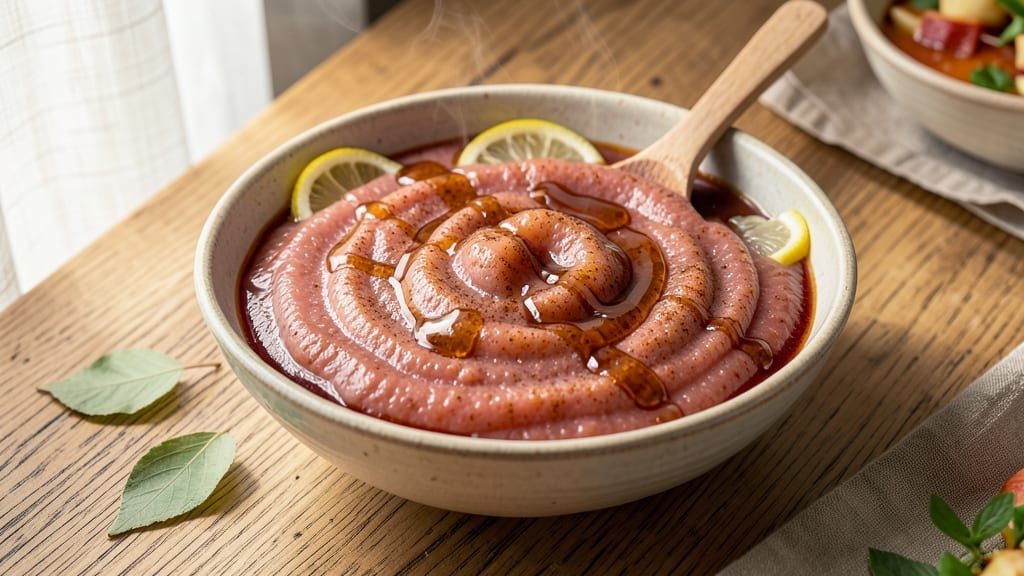
This apple sauce recipe with peel transforms simple apples into a thick, rustic spread with textured chunks—no peeling required. 💛 Growing up in Nana Mae's Atlanta diner, I learned that keeping the peel adds depth of flavor and a satisfying bite that store-bought versions never match.
The secret lies in slow simmering and minimal sweetener to preserve the apples' natural character.
What sets this recipe apart is its foolproof simplicity: just apples, cinnamon, a touch of sugar, and lemon juice for balance. We'll cook them down until tender but still holding their shape, then blend just enough to create that signature rustic texture.
The peel contributes subtle bitterness that rounds out the sweetness, creating a sauce that's complex yet approachable.
By the time you're done, you'll have a versatile apple sauce that's perfect for drizzling over pancakes, spreading on toast, or pairing with meats. The natural pectin from the peels helps thicken it beautifully, eliminating the need for added starches.
This isn't just apple butter—it's a homemade condiment that tastes like autumn in every spoonful.
Store it in the fridge for up to two weeks or freeze for months—though I promise, it won't last that long. The cinnamon adds warmth while the lemon brightens the flavor profile, making this sauce work equally well as a dessert topping or savory pairing.
Here's how to make it perfectly every time.
Ingredients for apple sauce recipe with peel
Just eight ingredients transform simple apples into rustic, peel-included sauce with satisfying texture.
| Ingredient | Amount | Notes |
|---|---|---|
| Apples with Peel 🍎 | 4 lb | Mixed varieties for texture |
| Cinnamon 🌿 | 2 tbsp | Ground, aromatic variety |
| Granulated Sugar 🍚 | ½ cup | Light brown sugar for depth |
| Lemon Juice 🍋 | 2 tbsp | Freshly squeezed |
| Apple Cider Vinegar 🍶 | 1 tbsp | Balances sweetness |
| Water 💧 | ½ cup | For simmering |
| Salt 🧂 | ½ tsp | Kosher or sea salt |
| Vanilla Extract 🌸 | 1 tsp | Pure vanilla for aroma |
The apples are everything here. Mixed varieties—like Honeycrisp and Granny Smith—give you both sweetness and tartness, while keeping the peel adds that signature bite. Local farmers markets often have perfect apples for this, but grocery store bins work too. Look for firm fruit with bright color and no soft spots. I usually grab 4 pounds to account for shrinkage during cooking. The peel holds more pectin, which naturally thickens the sauce as it cooks down, so don't peel—embrace the texture!
No brown sugar? White sugar plus a pinch of molasses works in a pinch, but the depth of flavor is worth the switch. Running low on apple cider vinegar? Fresh lemon juice at double the amount gets you close. The vanilla is optional but adds that diner-quality warmth—imitation vanilla won't cut it here. Want to make it spiced? Add a pinch of nutmeg or cardamom to the mix. And if you're worried about bitterness from the peels, the lemon juice and cinnamon help balance it beautifully.
This sauce keeps for 2 weeks in the fridge, sealed in an airtight jar. The texture thickens as it sits, so stir before serving. For longer storage, freeze in ice cube trays—perfect for portion control. I always make extra because it disappears fast. The cinnamon and vanilla flavors actually improve over time, so don't hesitate to make a big batch. Just remember: the peel makes it special, so don't skip it!
Why You'll Love This Recipe
- No Peel Waste: Honestly? I used to toss those peels—until I realized they’re where the magic hides. That slight bitterness and fiber from the skin deepens the sauce, giving it a complexity store-bought versions can’t touch. (Yes, even on a Tuesday night.)
- One-Pot Magic: Five ingredients, one pot, 20 minutes. Peel, core, and chop the apples—no fancy techniques. The cinnamon and vinegar simmer down into a silky texture while you’re still debating what’s for dinner. That’s what I call unfussy.
- Sweet & Tangy Flex: This isn’t your grandma’s bland applesauce. The lemon juice cuts through the sugar, and the vinegar adds a bright snap that makes it dangerously good with pork, oatmeal, or straight from the spoon. (I’ve been known to eat it by the jar.)
- Budget Pantry Hero: Apples go on sale, sugar’s cheap, and you’re already using spices you own. Freeze leftovers for months—perfect for busy mornings or when you forget to buy applesauce. My wallet and my kids both approve.
Step-by-step instructions for thick, rustic apple sauce with peel
Here's how to make rich, textured apple sauce that keeps those beautiful peels for authentic flavor.
🍳 Step 1: Core and Chop the Apples
Start by coring the 4 lb apples with peel using an apple corer or sharp knife. I like to cut them into ½-inch thick slices first, then quarter each slice so they cook evenly. Leave the peels on—this adds wonderful texture and nutrients. You'll end up with about 8 cups of apple pieces.
Spread the apple slices on a cutting board and sprinkle with ½ tsp salt and 2 tbsp lemon juice. Toss gently to coat. This prevents browning and adds brightness. Let them sit for 10 minutes while you prep the pot. The lemon juice also helps tenderize the peels slightly during cooking.
🔥 Step 2: Simmer Apples Until Tender
In a large, heavy-bottomed pot, combine the apple slices with ½ cup water and 1 tbsp apple cider vinegar. Bring to a boil over medium-high heat, then reduce to medium-low and let it simmer uncovered for 20-25 minutes. You're looking for apples that are fork-tender but still hold their shape—you should be able to pierce them easily with a fork.
Here's the thing—don't stir constantly. Gentle stirring every 5 minutes prevents the apples from breaking apart too much while keeping the peels intact. If the pot gets too dry, add 1-2 tablespoons water at a time to maintain moisture. The peels should soften but remain visible in the finished sauce.
👨🍳 Step 3: Mash and Sweeten the Sauce
Once the apples are tender, use a potato masher or wooden spoon to gently crush about half of the apples, leaving the other half in larger chunks for texture. This creates that perfect rustic mixture of smooth and chunky. Add the ½ cup granulated sugar and 2 tbsp cinnamon, stirring well to distribute evenly.
Simmer the mixture for another 5 minutes to let the flavors meld. Taste and adjust sweetness if needed—you might want to add a bit more sugar depending on your apple variety. The sauce should be thick but still spoonable. If it's too thick, whisk in 1-2 tablespoons water to reach your desired consistency.
🥘 Step 4: Finish with Vanilla and Rest
Remove the pot from heat and stir in the 1 tsp vanilla extract. Let the sauce sit for 10 minutes—this resting period allows all the flavors to develop fully. The peels will soften further and infuse their subtle sweetness into the sauce. I know it's tempting to eat it immediately, but patience here makes all the difference.
For the best texture, transfer the sauce to a clean jar or bowl and let it cool completely. The sauce will thicken as it cools, becoming even more luxurious. Store in an airtight container in the refrigerator for up to 1 week or freeze for up to 3 months. This makes a wonderful topping for pancakes, toast, or even as a filling for pastries.
Pro Tips For Making Apple Sauce Recipe With Peel
- CHOP PEELS FIRST: Peel the apples before dicing them—it’s easier to control the knife and you’ll get more even pieces. I learned this the hard way when I tried peeling after cutting and ended up with uneven strips that cooked at different rates.
- USE A LID, NOT WATER: Cover the pot with a lid after the first 10 minutes to trap steam—this softens the peels faster than adding water. (Yes, even if you’re impatient like me.) The sauce will still be thick, just without the extra liquid.
- ACID TEST BEFORE SWEETENING: Taste the sauce before adding all the sugar—sometimes the apples are tart enough that you only need half the called-for amount. I used to dump in the full bag and end up with something cloying.
- SIMMER LOW AND SLOW: Reduce heat to medium-low once the apples break down—high heat turns the peels bitter and the sauce grainy. I was skeptical until I tried it: the texture stays silky, and the cinnamon flavor shines.
Dietary considerations for these flavors
Gluten-Free Friendly
This apple sauce recipe is naturally gluten-free since it only contains apples, spices, and basic pantry staples. The cinnamon, sugar, and lemon juice are all gluten-free ingredients, so you can enjoy this sauce worry-free if you're avoiding gluten.
I always double-check labels on my spices—some brands add anti-caking agents with gluten—but the cinnamon from Penzeys is perfectly safe. 🌿
Low-Sugar Adaptations
If you're watching your sugar intake, you can reduce the ½ cup granulated sugar to just 2 tablespoons while keeping the same depth of flavor. The natural sweetness from the apples and a touch of honey or maple syrup can replace the rest.
I've also found that using slightly sweeter apple varieties like Honeycrisp or Fuji helps balance the tartness without extra sugar. The peels actually help here—their subtle bitterness prevents the sauce from tasting flat.
Vegan-Friendly Options
This recipe is already vegan, but I'll admit I originally added vanilla extract as a nod to Nana Mae's diner traditions. For a completely plant-based version, use vanilla bean paste or vanilla sugar instead.
The cinnamon and apple cider vinegar are both vegan-friendly, and the apples provide plenty of natural sweetness. I've made this sauce for vegan guests at Thanksgiving, and they always ask for seconds—especially when paired with roasted vegetables or vegan apple crisp. 🍎
Allergen Awareness
While this recipe doesn't contain common allergens, always check your specific ingredients. The apple cider vinegar should be pure with no additives, and the vanilla extract must be alcohol-based (not imitation). For nut-free kitchens, be mindful of cross-contamination if you're using shared equipment.
I keep a separate wooden spoon for this recipe when making it in my home kitchen, just to be safe. The peels themselves are allergen-free, but their texture might be a consideration for those with severe oral sensitivities.
Nutrient Boost
Keeping the peels on transforms this into a nutrient powerhouse. Apple peels contain fiber, vitamin C, and antioxidants like quercetin that support heart health. A 4-pound batch provides about 15% of your daily fiber needs—more than most store-bought sauces.
The cinnamon adds anti-inflammatory benefits, while the lemon juice boosts vitamin C absorption. It's one of those rare recipes where what you might normally discard (the peel) becomes the secret ingredient. 💪
Nutrition facts
Frequently asked questions
Why keep the apple peels in the sauce?
The peels add texture, nutrients, and subtle bitterness that balances sweetness. They contain extra fiber and antioxidants, plus their natural pectin helps thicken the sauce beautifully. It's what gives homemade versions that rustic, satisfying bite you won't find in store-bought options.
Can I use any apple variety with peels?
Not all apples work equally well. Tart varieties like Granny Smith hold their shape better, while sweeter ones like Honeycrisp add natural sweetness. Avoid overly soft apples—their peels won't stay intact during cooking. A mix of 2-3 varieties gives the best flavor balance.
How do I prevent the sauce from being too runny?
Simmer uncovered until the apples are fork-tender but still hold their shape. The peels release natural pectin as they cook, which thickens the sauce. If needed, add 1 tbsp cornstarch mixed with 2 tbsp water at the end and simmer 2 minutes. For best results, let it cool completely—it thickens more as it sits.
Can I make this sauce without added sugar?
Yes! Use sweeter apple varieties like Fuji or Gala and reduce sugar to 2 tbsp. The natural sweetness from the apples and cinnamon will shine. For extra depth, add 1 tsp maple syrup or 1 tbsp honey at the end. The peels' subtle bitterness actually helps balance the flavors beautifully.
How long can I store this apple sauce?
In an airtight container in the fridge, it keeps for 2 weeks. For longer storage, freeze in ice cube trays or small jars for up to 3 months. The texture may change slightly after freezing, but the flavor remains excellent. Thaw overnight in the fridge before using.