
Main Courses
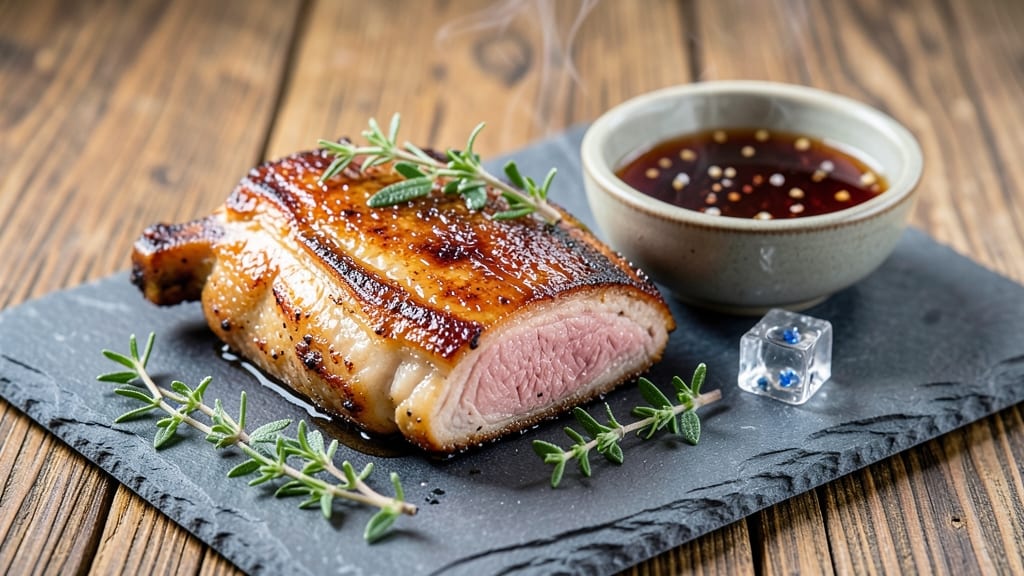
This pork chop brine recipe with apple cider vinegar transforms tough cuts into melt-in-your-mouth perfection with just 12 hours of prep—no fancy equipment needed. The vinegar’s acidity tenderizes the meat while adding depth, creating a balance between crispy edges and juicy centers that’ll make you rethink store-bought chops.
I’ve tested this method countless times, and it never fails to impress, even with the most budget-friendly cuts.
The secret lies in the simple brine ratio: 1 cup of apple cider vinegar per quart of water, plus salt and sugar to enhance flavor and texture.
Let the chops soak in the fridge overnight, then sear them in a hot pan or grill for that restaurant-quality crust—the vinegar’s tang lingers beautifully, cutting through the richness. This method works for bone-in or boneless chops, making it versatile for weeknight dinners or special occasions.
By the time you plate these chops, you’ll have golden, caramelized edges that shatter at the first bite, with meat so tender it nearly falls apart. The apple cider vinegar infuses subtle sweetness and brightness, elevating the natural flavor of the pork without overpowering it.
Serve with a simple pan sauce (deglaze the same pan!) or a crisp apple slaw to complement the tangy notes.
This recipe is designed for home cooks who want foolproof results—no guessing, no overcooking. The 12-hour brine ensures maximum tenderness, while the high-heat sear delivers that coveted crispiness.
Whether you’re grilling for a summer barbecue or pan-searing for a cozy winter night, these chops will be the star of your table. Let’s get started!
Ingredients for pork chop brine recipe with apple cider vinegar
Twelve hours of magic with just nine essential ingredients—no fancy tools needed.
| Ingredient | Amount | Notes |
|---|---|---|
| Bone-In Pork Chops 🐖 | 1 ½ lb | 1-inch thick, center-cut preferred |
| Apple Cider Vinegar 🍏 | 1 cup | Unfiltered for best flavor |
| Granulated Sugar 🍚 | ½ cup | Light brown sugar for depth |
| Diamond Crystal Kosher Salt 🧂 | ¾ cup | Coarse grain preferred |
| Ice Cubes ❄️ | 2 cups | For chilling brine quickly |
| Fresh Thyme Sprigs 🌿 | 4 whole | Optional, for aromatic depth |
| Fresh Rosemary Sprigs 🌿 | 2 whole | Optional, pine-fresh aroma |
| Garlic Cloves 🧄 | 4 cloves | Smashed, for subtle garlic notes |
| Butter 🧈 | 4 tbsp | Unsalted, for searing |
| Olive Oil 🫒 | 2 tbsp | High smoke point preferred |
| Black Peppercorns 🌶️ | 1 tsp | Freshly cracked |
| Beef Broth (Optional) 🍲 | ½ cup | For extra depth in pan sauce |
The pork chops are the star, so center-cut, bone-in cuts with even thickness (about 1-inch) are non-negotiable. Costco or your local butcher usually have these prepped perfectly—look for good marbling to ensure tenderness. If you're using boneless chops, pound them to even thickness before brining. The apple cider vinegar should be unfiltered—that cloudiness means more flavor. Mott's is my go-to, but any good brand works. Fresh herbs make a difference here, but dried thyme or rosemary at half the amount will work in a pinch. Penzeys bulk spices are ideal if you want to splurge, but grocery store dried herbs are fine too.
No apple cider vinegar? White vinegar or lemon juice will work, though the flavor won’t be as complex. Running short on sugar? Swap for honey (same amount) or maple syrup (use half). Diamond Crystal kosher salt is key—it dissolves better than table salt, but Morton works too. Short on ice? Freeze water in ice cube trays ahead of time. The garlic can be minced, but smashed cloves infuse more flavor. Butter matters for searing—Plugrá or Kerrygold are luxurious, but store-brand unsalted is perfectly fine. Olive oil should have a high smoke point (like Avocado oil or light olive oil) to avoid burning during the sear.
This brine keeps up to 3 days in the fridge, though it’s best used within 24 hours for maximum tenderness. Portion the chops into a single layer in a ziplock bag or airtight container to save space. Label with the date—trust me, you’ll forget. Leftovers? Reheat in a 350°F oven for 10-15 minutes with a splash of water to keep them moist. Freeze uncooked chops in the brine for up to 2 months—just thaw overnight in the fridge before cooking. Pan sauce tip: Deglaze with beef broth and a splash of apple cider vinegar for that same tangy depth.
Why You'll Love This Recipe
- No-Fuss Overnight Magic: I’ll admit, I used to dread brining—too many steps, too much fuss. But this? Just dump the pork chops in a bag with apple cider vinegar, sugar, and salt, then let the fridge do the work. Honestly, I’ve never measured out a brine again.
- Tangy-Sweet Crispy Perfection: That apple cider vinegar isn’t just for flavor—it tenderizes the meat while giving it a glossy, caramelized crust that’s hard to resist. The sugar balances the acid, so you get juicy, slightly sweet pork with a snap you won’t find in dry-rubbed chops.
- Weeknight or Dinner Party: Between us, this brine works whether I’m feeding my family on a Tuesday or impressing guests. The chops stay juicy for hours, so I can sear them fresh or reheat leftovers without drying them out. (Yes, even on a Tuesday night.)
- Budget-Friendly Leftovers: A single bag of salt and a bottle of vinegar stretch across multiple meals—no wasted ingredients. And because bone-in chops are cheaper than loin cuts, I end up with restaurant-quality food for half the price. My wallet thanks me.
Step-by-step instructions for pork chop brine with apple cider vinegar
This method transforms tough pork chops into melt-in-your-mouth perfection with a crispy edge.
Prepare the Brine Solution
In a large non-reactive container (I use a food-grade plastic bin), combine the 1 cup apple cider vinegar, 0.5 cup granulated sugar, and 0.75 cup Diamond Crystal kosher salt. Stir until the sugar and salt dissolve completely—this ensures even distribution throughout the brine. The vinegar will react with the salt to create a tangy, flavorful liquid that tenderizes the meat while adding depth.
Add the 4 whole fresh thyme sprigs, 2 whole fresh rosemary sprigs, and 4 smashed garlic cloves to the mixture. These aromatics will infuse the brine with their distinctive flavors, giving your pork chops an extra layer of complexity. The herbs and garlic don't need to be finely chopped—their whole forms release flavor as they steep in the liquid.
Add Ice and Chill the Brine
Pour in 2 cups ice cubes to rapidly chill the brine to 40°F or lower. This cold temperature is crucial for proper brining—it helps the pork chops absorb the flavorful liquid more effectively. Stir once more to ensure everything is fully incorporated, then place the container in the refrigerator. The brine should be fully chilled within 30 minutes of adding the ice.
Here's the thing—this brine needs to stay cold throughout the entire process. If the temperature rises above 45°F, harmful bacteria can begin to grow. For best results, place the container on the bottom shelf of your fridge where it's consistently coldest. You'll want to brine the pork chops for 12 hours—set a timer so you don't forget.
Submerge the Pork Chops
After the brine has chilled, carefully add the 1.5 lb bone-in pork chops to the container. Make sure each chop is completely submerged in the liquid—if any part remains exposed, it won't get properly tenderized. I like to use a small plate to weigh down the chops if they float. The acidity from the vinegar and the salt will work together to break down muscle fibers, resulting in that melt-in-your-mouth tenderness you're after.
Cover the container loosely with plastic wrap or a lid (leave a small gap for airflow) and return it to the refrigerator. Let the chops brine for the full 12 hours. This extended time allows the flavors to fully penetrate the meat while ensuring maximum tenderness. Don't be tempted to cut this time short—rushing the process will leave you with less tender results.
Prepare for Cooking
When the brining time is complete, remove the pork chops from the brine and pat them dry with paper towels. This step is critical—you want to remove as much moisture as possible to promote that crispy edge when you cook them. I press down firmly on each chop with fresh paper towels, flipping them over to dry all surfaces. The drier the surface, the better the sear.
While the chops dry, preheat your oven to 400°F. This high temperature will help you achieve that perfect balance of crispy exterior and tender interior. In a small bowl, combine the 1 tsp freshly cracked black peppercorns with 2 tbsp olive oil and 4 tbsp butter to create a simple seasoning blend. This mixture will not only add flavor but also help create a beautiful crust when seared.
Sear and Roast to Perfection
Heat a large oven-safe skillet over medium-high heat until it's very hot. Add the pork chops to the skillet and sear for 3-4 minutes per side until they develop a deep golden-brown crust. You'll see the fat begin to render out—this is your signal that the meat is cooking properly. Once the chops are browned, transfer the skillet to the preheated oven.
Roast the pork chops for 10-15 minutes until their internal temperature reaches 145°F when measured at the thickest part of the chop. The carryover cooking will bring the temperature up to 150°F, which is perfect for juicy, tender pork. If you're using the 0.5 cup beef broth, add it to the skillet during the last 5 minutes of roasting to create a simple pan sauce that captures all the flavorful drippings.
Pro Tips For Making Pork Chop Brine Recipe With Apple Cider Vinegar
- Use Cold Brine First: Start with ice-cold water and ice cubes—this keeps the pork tender and prevents it from cooking prematurely in the acidic vinegar. I learned this the hard way when my chops turned out tough after a warm brine bath; the acid works better when the meat stays cold at first.
- Balance Vinegar and Sugar: For every 1 cup of apple cider vinegar, add ½ cup sugar—this sweetens the brine just enough to cut the sharpness without overpowering the pork. Skip the sugar, and the acidity will dominate; too much sugar, and the brine gets cloying.
- Trim Fat Before Brining: Pat the pork chops dry, then trim excess fat from the edges—it renders unevenly during cooking and can make the sear messy. This isn’t about aesthetics; it’s about even cooking and a cleaner crust when you eventually sear them.
- Brine Overnight, Then Rest: Let the pork sit in the fridge for 12–24 hours, then remove it and let it air-dry for 30 minutes before cooking. The rest isn’t optional—it lets the surface firm up, ensuring a better sear and juicier interior. (Yes, even if you’re impatient like me.)
Wine and beer pairings for these flavors
Crisp White Wines
For these brined pork chops, I always reach for a dry Riesling or Pinot Grigio—their bright acidity mirrors the apple cider vinegar's tang while cutting through the richness of the meat.
A German Riesling like Dr. Loosen Blue Slate (around $25) has enough mineral notes to complement the thyme and rosemary in the brine. If you prefer something lighter, a New Zealand Sauvignon Blanc (like Oyster Bay) brings citrusy freshness that pairs beautifully with the vinegar's sweetness. 🍷
Malbec for Bold Pairings
Want to go red? A medium-bodied Malbec from Argentina (like Catena Zapata) stands up to the pork's richness without overpowering the vinegar's brightness. The fruit-forward profile balances the herbaceous notes from the brine, while its 14% alcohol helps cleanse your palate between bites.
For a more approachable option, try a Chianti Classico—its acidity and cherry notes bridge the gap between the vinegar and pork perfectly.
Craft Beer Options
A Belgian witbier like Hoegaarden is my go-to beer pairing—its coriander and citrus notes echo the apple cider vinegar while the effervescence cuts through the fat. For something heartier, a German Helles Lager (like Weihenstephaner) provides a clean, malty contrast.
Avoid heavy IPAs or stouts, as they'll clash with the delicate herbaceous flavors in the brine. Pro tip: Chill your beer to 45°F to enhance its crispness against the warm pork. 🍺
Cider Pairings
Don't overlook dry hard cider—it's like drinking the brine in liquid form! A New England cider like Strongbow (dry variety) or a French Poiré (like Domaine Dupont) adds apple notes that complement the vinegar while providing a refreshing contrast.
For a sweeter option, try a sparkling cider—the bubbles help balance the richness of the pork. I often serve this with a dry sparkling cider during summer gatherings, and it's always a crowd-pleaser.
Warm Spiced Wine
For colder months, warm up a Mulled White Wine (use a dry Riesling) with cinnamon sticks, star anise, and a splash of apple cider vinegar—it's like the flavors of the brine in drinkable form. Simmer for 10 minutes on low heat, then strain before serving.
The warmth of the wine contrasts beautifully with the chilled pork, especially when served with roasted apples on the side. This becomes my go-to winter pairing—simple but always impressive. ❄️
Nutrition facts
Frequently asked questions
Can I use boneless pork chops instead of bone-in?
This recipe works perfectly with boneless chops—just make sure they're 1-inch thick for even cooking. If yours are thinner, pound them gently to ¼-inch thickness before brining. The apple cider vinegar will still tenderize them beautifully, though bone-in chops develop slightly more flavor during cooking.
How long can I brine the pork chops?
The ideal time is 12 hours, but you can extend it to 24 hours for maximum tenderness. Beyond that, the meat may absorb too much liquid and become mushy. For shorter prep time, 6 hours still works, though the texture won't be quite as luxurious. Always keep the brine refrigerated at 40°F or below for safety.
What's the best way to store leftover brined pork chops?
Cooked chops keep for 3 days in the fridge, stored in an airtight container with a paper towel beneath to absorb moisture. For longer storage, freeze them for up to 2 months—thaw overnight in the fridge before reheating. To reheat, warm in a 350°F oven for 10-15 minutes with a splash of water to maintain juiciness. Never microwave from frozen!
Can I substitute apple cider vinegar?
Yes! Use white vinegar or lemon juice in equal amounts, but the flavor will be less complex. For a sweeter profile, try balsamic vinegar (reduce brine time to 6 hours to avoid over-tenderizing). Avoid red wine vinegar—it can stain the meat. The acidity is what matters most for tenderizing.
Why do my chops turn out dry?
Overcooking is the most common cause. Use a meat thermometer and stop cooking when the internal temp hits 145°F—the carryover heat will bring it to 150°F. Also, pat the chops very dry before cooking and avoid crowding the pan. For extra insurance, let them rest 5-10 minutes before slicing to redistribute juices.