
Sauces & Condiments
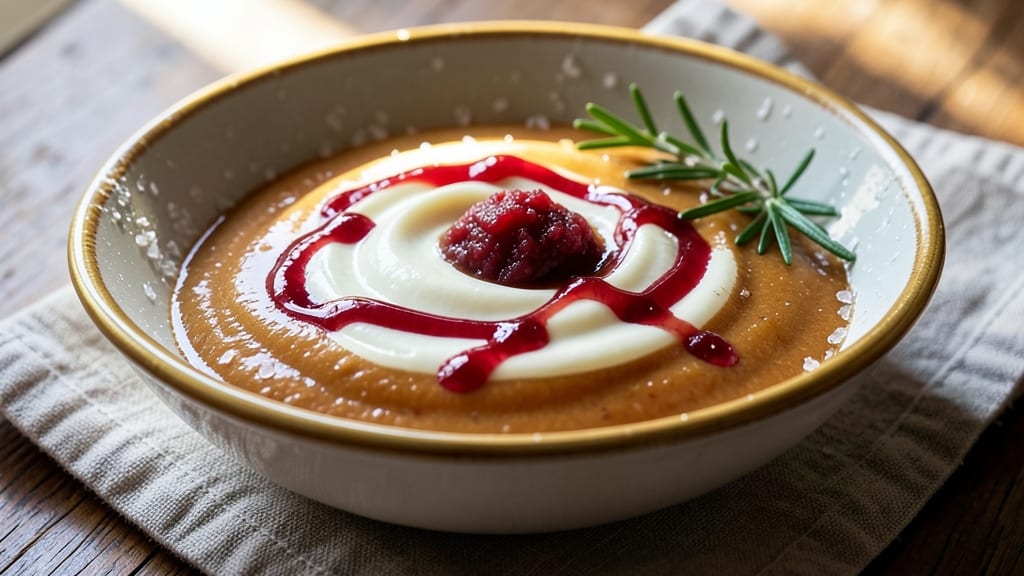
This apple horseradish sauce recipe transforms bold heat into a velvety, balanced condiment that elevates everything from sandwiches to roasted meats. The secret lies in balancing sharp horseradish with sweet apple and creamy texture, creating a sauce that's both complex and approachable.
I developed this version after years of experimenting with store-bought alternatives that never quite hit the mark—too sweet, too spicy, or lacking depth.
The magic happens when you simmer fresh apple purée with prepared horseradish and vinegar until the flavors meld into a harmonious blend. A touch of cream or yogurt softens the heat while maintaining that signature tangy crunch.
What you'll end up with is a sauce that's rich enough for holiday roasts but versatile enough for everyday meals—think pulled pork sandwiches, grilled salmon, or even as a zesty dip for pretzels.
What makes this recipe truly special is its ability to balance sweetness and heat precisely. The apples provide natural sweetness that tempers the horseradish's sharpness, while a splash of vinegar adds brightness.
The result? A sauce that's smooth, flavorful, and impossible to resist. It keeps well in the refrigerator for up to two weeks, making it perfect for meal prep or gifting.
Whether you're serving it alongside a holiday feast or using it to spice up a weeknight dinner, this sauce delivers restaurant-quality flavor with minimal effort. The best part?
You can adjust the sweetness or heat to suit your taste—just remember, the key is patience during the simmering process. Let's make this sauce!
Ingredients for apple horseradish sauce
Eight ingredients transform sharp horseradish into velvety, balanced sauce perfect for holidays or weeknight meals.
| Ingredient | Amount | Notes |
|---|---|---|
| Fresh Apples 🍎 | 2 medium | Peeled, cored, and puréed |
| Prepared Horseradish 🌶️ | ½ cup | High-quality, not jarred |
| Heavy Cream 🥛 | ½ cup | Full-fat for richness |
| Apple Cider Vinegar 🍶 | 2 tbsp | For brightness |
| Granulated Sugar 🍚 | 2 tbsp | Adjust to taste |
| Salt 🧂 | ½ tsp | Kosher or sea salt |
| Fresh Lemon Juice 🍋 | 1 tbsp | Brightens flavors |
| Unsalted Butter 🧈 | 2 tbsp | Cold, for finishing |
The apples are non-negotiable—Honeycrisp or Fuji work best for their natural sweetness and smooth texture. Local farmers markets often have the freshest varieties, but the grocery store apples will do in a pinch. Peel and core them first, then purée until completely smooth—no chunks allowed. The horseradish? Gourmet or specialty stores carry the best, but the regular grocery aisle brand is fine if it's labeled 'prepared' (not the creamy kind). For the cream, full-fat is essential—it's what gives the sauce that luxurious finish. If you're watching calories, you can substitute Greek yogurt, but it'll be slightly tangier.
No horseradish? Fresh ginger and a splash of hot sauce can mimic some of the heat, though it won't be identical. Running out of apple cider vinegar? White wine vinegar or lemon juice works in a bind. The sugar is purely for balancing the heat—adjust based on your horseradish's spiciness. If you prefer a smoother texture, blend in 1 tbsp of sour cream at the end. For extra richness, swap the butter for whipped cream when finishing. The sauce thickens as it cools, so if it's too thin, simmer uncovered for 2-3 more minutes. Too thick? Thin with a splash of warm water or apple juice.
This sauce keeps beautifully—2 weeks in the fridge sealed in an airtight jar. For gifting, transfer to small jars with a ribbon. The flavors actually improve over time as the ingredients meld. If you make a big batch, freeze half in ice cube trays—just thaw overnight in the fridge before using. The sauce reheats well, so it's perfect for meal prep. Just give it a quick stir and warm through gently on the stove. Pro tip: A dollop of extra cream or a sprinkle of fresh chives on top makes it feel even more special.
Why You'll Love This Recipe
- Five-Ingredient Magic: I swear by this—just apples, horseradish, cream, vinegar, and sugar. That’s it. No fancy techniques, no hidden pantry staples. The apples soften into a silky base while the horseradish adds that sharp, tangy kick that cuts through rich dishes. Honestly, it’s the kind of recipe where you’ll forget how simple it is until you taste the finish.
- Sweet Heat Balance: Between us, the sugar and vinegar team up to tame the horseradish’s bite—just enough to make it addictive, not overpowering. The cream smooths it all out, but the apples keep it bright. It’s the kind of sauce that makes you want to drizzle it everywhere: on roasted meats, mashed potatoes, or even a charcuterie board. (Yes, even on a Tuesday night.)
- Game for Any Meal: This sauce is my go-to for holidays, weeknight dinners, or when I’m hosting unexpected guests. It pairs perfectly with pork tenderloin, roasted Brussels sprouts, or even as a dip for crusty bread. I’ve even used it to jazz up a simple grilled cheese—because why not? It’s that versatile.
- Leftovers That Don’t Let You Down: Make a double batch and store it in the fridge for up to a week. The flavors actually deepen over time, so it’s never sad leftovers. Plus, it’s budget-friendly—horseradish and apples are affordable, and the cream stretches further than you’d think. (My daughter picks out the apples to snack on while I cook, but she still asks for seconds.)
Step-by-step instructions for apple horseradish sauce
Here's how to balance sweet and spicy for a sauce that's perfect for roasted meats or sandwiches.
Purée the Apples for Smooth Texture
Start by peeling, coring, and chopping the 2 medium fresh apples into small chunks. Transfer them to a food processor or blender and blend until completely smooth. You want a fine purée with no visible texture—this ensures your sauce will be velvety, not chunky. If you prefer a slightly thicker consistency, strain the purée through a fine-mesh sieve to remove any remaining skin bits.
Here's the thing—don't skip the peeling. The skin can make the sauce bitter, and we want that sweet apple flavor to shine through. Once puréed, set the apple mixture aside in a small bowl while you prepare the remaining ingredients. The purée should be about 1 cup total, which is perfect for balancing the other components.
Whisk Together the Sauce Base
In a medium saucepan, combine the apple purée with the 0.5 cup prepared horseradish, 0.5 cup heavy cream, 2 tablespoons apple cider vinegar, 2 tablespoons granulated sugar, and 0.5 teaspoon salt. Stir well to integrate all ingredients—this is where the magic happens. The horseradish adds that signature kick, while the vinegar brightens the flavors and cuts through the richness of the cream.
Place the saucepan over medium heat and bring the mixture to a gentle simmer. You're looking for small bubbles forming around the edges—this indicates the sauce is heating through. Stir occasionally to prevent sticking, but don't let it boil vigorously. The goal is to meld the flavors without breaking down the cream or overcooking the apples. Simmer for about 5-7 minutes, until the sauce thickens slightly and coats the back of a spoon.
Finish with Lemon and Butter for Balance
Remove the saucepan from heat and stir in the 1 tablespoon fresh lemon juice. This final addition brightens the entire sauce, cutting through the sweetness and enhancing the horseradish's sharpness. The lemon juice should be freshly squeezed—bottled juice lacks the same vibrancy. Let the sauce sit for 1-2 minutes to allow the flavors to meld.
Next, add the 2 tablespoons cold unsalted butter, cut into small cubes. Stir constantly until the butter melts completely and creates a glossy finish. The butter adds richness and helps emulsify the sauce, giving it that luxurious mouthfeel. Taste and adjust the seasoning—you might need a pinch more sugar or salt to balance the flavors perfectly. The sauce should be tangy, sweet, and spicy all at once.
Chill and Serve for Optimal Flavor
Transfer the sauce to a clean bowl and let it cool to room temperature. Then, refrigerate for at least 1 hour before serving. Chilling allows the flavors to fully develop and deepen, creating a more complex sauce. The horseradish's heat will mellow slightly, and the sweetness will become more pronounced.
This sauce is incredibly versatile—serve it with roasted pork, grilled chicken, or even as a condiment for sandwiches. For the best results, store any leftovers in an airtight container in the refrigerator for up to 5 days. The flavors continue to evolve over time, so it only gets better with a little age.
Pro Tips For Making Apple Horseradish Sauce
- GRATE APPLES FINE: I learned this the hard way—lumpy apple bits ruin the texture. Use the small holes of a box grater (or pulse in a food processor) for a silky-smooth sauce. No one wants to bite into apple chunks in something that’s supposed to be velvety.
- TEMPER THE CREAM: Cold heavy cream curdles faster than you can say "disaster." Warm the cream slightly (just until it’s lukewarm to the touch) before mixing it in. This keeps the sauce rich and stable—no one wants to scrape clumps off their plate.
- BALANCE THE HEAT: Horseradish is sneaky—what tastes mild in the jar can turn your sauce into a sinus-clearing weapon. Start with 1 tablespoon, taste, then add more gradually. You can’t fix it later, and you’ll regret it if you overdo it.
- WHISK IN VINEGAR LAST: Sounds weird, but it works: Add apple cider vinegar after everything else is mixed. This keeps the sauce from curdling on contact—especially if you’re adding it to hot ingredients. Stir like you mean it, and the acid will brighten without fighting the cream.
Troubleshooting this dish
Too Spicy?
If your sauce is too sharp, add 1-2 extra tablespoons of apple purée and simmer for 2-3 minutes to mellow the horseradish. For immediate relief, stir in ½ teaspoon of honey or maple syrup—this balances the heat without altering the sauce's texture.
I’ve found that Honeycrisp apples naturally temper the spice better than tart varieties like Granny Smith.
Too Thin?
Sauce that’s too runny? Simmer uncovered for 5-7 minutes to thicken naturally. If it still doesn’t set, mix 1 teaspoon of cornstarch with 1 tablespoon cold water, then stir into the sauce while heating.
For a smoother finish, whisk in 1 tablespoon of sour cream at the end—it adds body without altering flavor.
Separation Happening?
If the sauce splits (cream and liquid separate), whisk vigorously to re-emulsify. For stubborn separation, place the saucepan over low heat and stir in 1 tablespoon cold butter or cream until smooth.
Avoid high heat—it breaks down proteins and worsens separation. A splash of apple cider vinegar can also help bind the mixture.
Not Sweet Enough?
Adjust sweetness by adding ½ teaspoon of sugar at a time, tasting between additions. For depth, swap 1 tablespoon of sugar for mashed banana or pear purée—it adds natural sweetness and complements the apple.
If the sauce tastes flat, a pinch of cinnamon or nutmeg enhances warmth without overpowering.
Too Tart?
Muted the acidity by adding ½ teaspoon of sugar or honey to neutralize the vinegar. For a richer mouthfeel, stir in 1 tablespoon of heavy cream while warm.
If the tartness lingers, balance it with ½ teaspoon of vanilla extract—it rounds out the flavors subtly. Always taste as you go!
Storage Issues?
If your sauce develops mold after refrigeration, it’s likely from contamination. Use pasteurized horseradish next time (or fresh grated horseradish, which lasts longer). For gifting, freeze in ice cube trays—thaw overnight in the fridge.
The sauce keeps 2 weeks refrigerated or 3 months frozen, but flavors degrade faster if stored improperly.
Nutrition facts
Frequently asked questions
Can I use jarred horseradish instead of fresh?
Jarred horseradish works perfectly—just choose a high-quality brand without added sugar or vinegar. The key is to start with ½ cup and adjust the heat to taste, as jarred versions can vary in spiciness. For extra depth, add ¼ teaspoon of ground black pepper to mimic fresh horseradish's complexity.
What's the best way to adjust the sweetness?
Start with the 2 tablespoons of sugar in the recipe, then taste and add ½ teaspoon at a time until balanced. For natural sweetness, swap 1 tablespoon of sugar for mashed pear or banana purée—it adds subtle caramel notes. If the sauce tastes flat, a pinch of cinnamon or nutmeg enhances warmth without overpowering.
Can I make this sauce dairy-free?
Replace the ½ cup heavy cream with ½ cup full-fat coconut milk or Greek yogurt for tanginess. Use 2 tablespoons of coconut cream instead of butter for finishing. The texture will be slightly lighter, but the flavors remain rich. For extra creaminess, blend in 1 tablespoon of cashew cream at the end.
How can I use up extra sauce?
This versatile sauce elevates everything from roasted pork to grilled salmon, but also works as a dip for pretzels or crackers. Mix it into deviled eggs for a zesty twist, or swirl it into mashed potatoes. For a unique touch, drizzle it over seared scallops or use it as a marinade base for chicken skewers—the acidity tenderizes the meat beautifully.
Why does my sauce separate after chilling?
Separation happens when the cream and liquid phases split, often due to rapid cooling. To fix it, whisk vigorously while warming the sauce gently over low heat, then stir in 1 tablespoon of cold butter or cream until smooth. For prevention, let the sauce cool to room temperature before refrigerating, and avoid shaking the jar—gently stir instead. A splash of apple cider vinegar can also help stabilize the emulsion.