
Main Courses
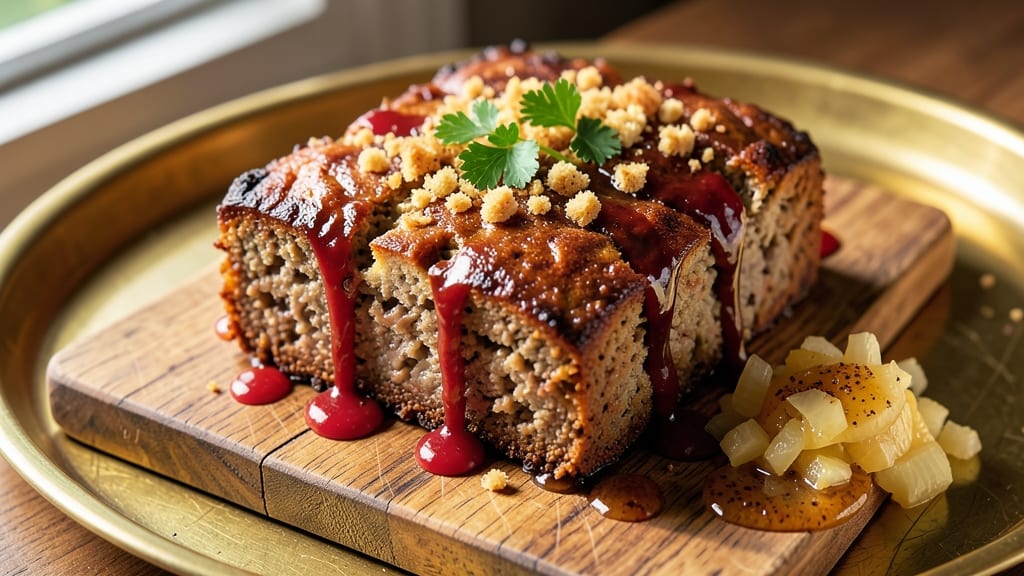
This meatloaf recipe with apple cider vinegar transforms a classic comfort dish into something unexpectedly tender and flavorful. The vinegar plays a quiet but crucial role—tenderizing the meat while adding subtle tang that cuts through the richness.
I first discovered this technique when my grandmother's handwritten notes mentioned "a splash of vinegar for moisture," and it became my secret weapon for juicy meatloaf every time.
The beauty of this recipe lies in its simplicity: no breadcrumbs or milk substitutes needed. The apple cider vinegar works its magic during the marinating phase, breaking down proteins just enough to create that melt-in-your-mouth texture.
What you'll end up with is a meatloaf with a perfect crust and a interior so moist it practically dissolves on your fork—a far cry from the dry loaves of my early attempts.
What makes this version truly special is how the vinegar's acidity enhances the savory flavors while preventing the meat from becoming greasy. The glaze that forms during baking adds a subtle sweet-tart contrast that balances the richness of the meat.
This is the kind of meatloaf that disappears faster than you can say "seconds, please?" and leaves your kitchen smelling like home.
Perfect for weeknight dinners or holiday gatherings, this recipe delivers restaurant-quality results without requiring special skills. The apple cider vinegar isn't just an ingredient—it's the key to achieving that perfect balance of moisture and flavor that makes this meatloaf stand out.
Here's everything you need to make it happen in your own kitchen.
Ingredients for meatloaf recipe apple cider vinegar
The secret to juicy meatloaf? Apple cider vinegar and these simple, flavor-packed ingredients.
| Ingredient | Amount | Notes |
|---|---|---|
| Ground Beef 🥩 | 2 lb | 80% lean for juiciness |
| Yellow Onion 🧅 | 1 whole | Medium size, finely chopped |
| Apple Cider Vinegar 🍎 | ¼ cup | Unfiltered for best flavor |
| Ketchup 🍅 | ½ cup | For glaze, not cooking |
| Brown Sugar 🍚 | ¼ cup | Packed, light variety |
| Worcestershire Sauce 🍶 | 1 tbsp | Classic or vegetarian |
| Garlic Cloves 🧄 | 4 cloves | Minced, fresh preferred |
| Egg 🥚 | 1 whole | Large, room temperature |
| Salt 🧂 | 1 ½ tsp | Kosher or sea salt |
| Black Pepper 🌶️ | 1 tsp | Freshly ground |
| Olive Oil 🫒 | 1 tbsp | For greasing pan |
| Mustard 🥬 | 1 tbsp | Dijon for tanginess |
| Ground Mustard 🥬 | 1 tsp | For depth of flavor |
| Onion Powder 🧅 | 1 tsp | For extra savory punch |
The beef is non-negotiable—80% lean gives you that perfect balance of juiciness and structure. I always grab the ground chuck from the butcher counter at Whole Foods or Kroger—it's fresher than the pre-packaged stuff. The apple cider vinegar? Bragg or Mott's unfiltered—those are my go-tos, but any good-quality vinegar works. The key is using it fresh; if it's been sitting in your pantry for years, the flavor will be muted. For the onion, one medium yellow is perfect—no need for anything fancy, just make sure it's not shriveled or bruised.
No apple cider vinegar? White vinegar or lemon juice in a pinch, but the flavor won't be as complex. The ketchup glaze is where the magic happens—Heinz or Hunt's are solid choices, but if you're feeling fancy, make your own with tomato paste, vinegar, and spices. The brown sugar adds just the right amount of caramelization, so don't skip it. For the Worcestershire, Lea & Perrins is the classic, but Annie's vegetarian version works great if you're avoiding umami from anchovies. The mustard might seem like an afterthought, but Dijon adds that little extra kick that makes this meatloaf unforgettable.
This meatloaf tastes even better the next day—make a double batch if you can. Store leftovers in an airtight container for up to 5 days in the fridge or 3 months in the freezer. To reheat, cover with foil and warm in the oven at 350°F for about 20 minutes. The glaze thickens as it cools, so if you want it runnier, just add a splash of water and warm it up. Trust me, the first time you slice into this and see that juicy, glistening interior, you'll be hooked.
Why You'll Love This Recipe
- Five-Ingredient Magic: I swear by this recipe—just beef, onion, vinegar, ketchup, and brown sugar. That’s it. No fancy mix-ins, no stress. The vinegar does all the work, cutting through the richness while the brown sugar keeps it tender and caramelized.
- Tangy Twist Wins: Honestly, the apple cider vinegar is what makes this stand out. It’s not just sweet and smoky—there’s this bright, almost apple-cider sharpness that cuts through the richness. The ketchup glaze? It’s the perfect balance, like a hug for your taste buds.
- Weeknight Workhorse: This is my go-to when I’m swamped. Double the batch on Sunday, slice it up, and reheat portions all week. It’s great cold in sandwiches or warmed up with mashed potatoes—no one ever complains, even my picky eaters.
- Budget-Friendly Feast: Ground beef, onions, and pantry staples? This feeds four for under $10. The vinegar adds depth without cost, and the brown sugar makes it feel special without breaking the bank. Leftovers? Even better the next day—if there are any.
Step-by-step instructions for meatloaf with apple cider vinegar glaze
This method transforms simple ingredients into a juicy, flavor-packed meatloaf with a tangy glaze that keeps it moist.
👨🍳 Step 1: Mix the Wet and Dry Ingredients Separately
In a large bowl, combine the 2 lb ground beef, 1 whole yellow onion (finely chopped), 4 cloves garlic (minced), 1 whole egg, 1 tbsp mustard, 1 tsp ground mustard, 1.5 tsp salt, and 1 tsp black pepper. Use your hands to gently mix until just combined—don’t overwork the meat or it’ll get tough. In a separate small bowl, whisk together 0.25 cup apple cider vinegar, 1 tbsp Worcestershire sauce, and 1 tsp onion powder. This vinegar mixture is the secret to moisture and depth of flavor.
The apple cider vinegar tenderizes the meat while adding a subtle tang that balances the richness. I like to let the vinegar mixture sit for 5 minutes before adding it to the beef—this lets the flavors meld slightly and prevents the meat from drying out during mixing.
🍳 Step 2: Combine and Shape the Meatloaf
Pour the vinegar mixture into the beef bowl and mix gently with your hands until fully incorporated. The texture should be cohesive but not sticky. Transfer the mixture to a lightly oiled 9x5-inch loaf pan (use the 1 tbsp olive oil to grease it well). Shape the meat evenly, pressing down firmly but not compacting too tightly—this ensures even cooking and prevents cracking.
Here’s where it gets important: don’t overhandle the meat. The goal is to create a smooth, even surface without squeezing out all the juices. If the mixture feels too loose, add 1-2 tablespoons of cold water to help bind it together. Smooth the top with a wet spatula for a clean finish.
🔥 Step 3: Bake Until Golden and Internal Temp Reaches 160°F
Preheat your oven to 375°F. Bake the meatloaf uncovered for 50-60 minutes, until the edges are deep golden brown and the internal temperature hits 160°F (use a meat thermometer for accuracy). The vinegar glaze will start to caramelize, creating a sticky, flavorful crust that locks in moisture. If the top browns too quickly, tent loosely with foil to prevent over-browning while it cooks through.
Real talk: the meatloaf is done when it reaches 160°F, but it’ll continue cooking for a few degrees after you remove it from the oven. Don’t cut into it too soon—let it rest for 10 minutes before serving. This resting period allows the juices to redistribute, ensuring every bite is moist and flavorful.
🥘 Step 4: Prepare and Apply the Tangy Glaze
While the meatloaf bakes, mix the glaze by combining 0.5 cup ketchup, 0.25 cup brown sugar, and 1 tbsp Worcestershire sauce in a small bowl. This sweet-tangy glaze is what makes this meatloaf special—it’s sticky, glossy, and packed with flavor. Spread half of the glaze evenly over the top of the meatloaf after 30 minutes of baking. The remaining glaze can be brushed on during the last 10 minutes of cooking for extra shine and depth.
Here’s the thing—this glaze isn’t just for flavor. The sugar in the brown sugar caramelizes during baking, creating a crust that seals in moisture and adds a beautiful gloss. If the glaze thickens too much, thin it with 1 teaspoon of water to ensure it spreads smoothly.
⏰ Step 5: Rest and Serve for Maximum Juiciness
Once the meatloaf reaches 160°F and has a deep golden-brown crust, remove it from the oven and let it rest for 10 minutes before slicing. This resting period is crucial—it allows the juices to settle back into the meat, preventing them from running out when you cut into it. Use a sharp knife to slice the meatloaf into ½-inch thick pieces, and serve immediately with the remaining glaze spooned over the top.
Each slice should be tender, juicy, and packed with that tangy-sweet glaze flavor. The apple cider vinegar in the mixture ensures the meat stays moist even after baking, while the glaze adds a perfect balance of sweetness and acidity. Serve with mashed potatoes or roasted vegetables for a classic comfort meal that’s anything but boring.
Pro Tips For Making Meatloaf Recipe Apple Cider Vinegar
- BROWN THE ONION FIRST: I learned this the hard way—skipping it makes the meatloaf taste flat. Sauté that onion in a little oil until it’s soft and golden (about 5-7 minutes), then mix it into the beef. The caramelized flavor cuts through the vinegar’s sharpness and adds depth the raw onion never will.
- USE COLD HANDS FOR MIXING: Warm beef sticks together like glue. Keep your hands cold by dipping them in ice water between mixes, or better yet, use a rubber spatula. This keeps the texture light and prevents a dense, rubbery loaf—especially important when vinegar’s acidity can tighten the meat.
- DON’T OVERMIX THE VINEGAR: Apple cider vinegar’s job is to tenderize, not drown. Start with 2 tablespoons, then taste the mixture before adding more—you’re aiming for tang, not a salad dressing. Overdo it, and the loaf turns sour instead of bright.
- BAKE LOW AND SLOW: After shaping, bake at 325°F (not 375°F) for 50-60 minutes. High heat makes the outside burn before the center cooks, and the vinegar’s moisture needs time to evaporate evenly. A meat thermometer at 160°F guarantees doneness without drying it out.
Storing and reheating this meatloaf recipe apple cider vinegar
Fridge Storage
Let your meatloaf cool completely before storing—about 2 hours at room temperature. Transfer to an airtight container (I use glass Pyrex with a tight lid) and refrigerate for up to 5 days.
The apple cider vinegar actually helps preserve moisture, so leftovers stay juicy. I always make a double batch because this tastes even better the next day—trust me! 🥗
Freezer Prep
For longer storage, wrap individual portions in plastic wrap first, then place in a freezer bag with all air squeezed out. Label with the date and freeze for up to 3 months.
The vinegar's acidity prevents freezer burn better than most ingredients. When ready to eat, thaw overnight in the fridge for best results.
Oven Reheating
My preferred method is oven reheating at 350°F for 20-25 minutes covered with foil. This maintains the perfect texture without drying it out. The glaze might thicken slightly, so add 1 teaspoon of water if you want it runnier.
For extra flavor, brush with a little more glaze during reheating. 🔥
Microwave Quick Fix
For a fast option, cover a single serving with a damp paper towel and microwave on 50% power for 1-2 minutes. Stir halfway through to distribute heat evenly.
The vinegar helps prevent the meat from becoming rubbery, so it reheats surprisingly well. Just don't overdo it—165°F internal temperature is perfect.
Glaze Refresh
If your reheated meatloaf feels dry, revive it by brushing with a mix of 1 tablespoon ketchup, ½ teaspoon brown sugar, and ½ teaspoon apple cider vinegar.
This quick glaze boosts moisture and flavor instantly. I keep a small jar of this mix in my fridge for emergencies—it's my secret weapon for saving leftovers. ✨
Serving Leftovers
This meatloaf makes amazing sandwiches the next day! Slice and serve on toasted sourdough with sharp cheddar and sliced tomatoes. The vinegar's tang cuts through the richness perfectly.
For a hearty meal, pair with creamy mashed potatoes or roasted Brussels sprouts. The flavors only get better with time! 💛
Nutrition facts
Frequently asked questions
Why does apple cider vinegar make meatloaf more tender?
The acid in apple cider vinegar breaks down meat proteins during mixing, creating tiny gaps that hold moisture. This prevents the meat from drying out during baking. The vinegar also tenderizes the fibers, resulting in a juicier texture. Think of it like a natural marinade that works while you mix!
Can I substitute apple cider vinegar with something else?
Yes! Use white vinegar or lemon juice in a 1:1 ratio, but expect a slightly different flavor profile. For best results, stick with apple cider vinegar—its mild sweetness and depth complement the meat perfectly. If you're avoiding vinegar entirely, try 1 tbsp tomato paste mixed with 1 tsp water instead.
How do I prevent my meatloaf from cracking?
Cracking happens when the meat shrinks unevenly. To avoid it:
- Don't overmix the ingredients,
- Shape the loaf gently but firmly, and
- Smooth the top with a wet spatula. The apple cider vinegar helps bind the meat slightly, but the key is handling it carefully. For extra insurance, make a small well in the center before baking.
Should I add breadcrumbs to this recipe?
No need! The apple cider vinegar and egg provide enough moisture and binding. Breadcrumbs can make the meatloaf dry. This version stays juicy thanks to the vinegar's tenderizing effect. If your mixture feels too loose, add 1-2 tbsp cold water instead of breadcrumbs.
Can I make this meatloaf in a slow cooker?
Shape the meatloaf in a greased slow cooker insert, then cook on low for 3-4 hours or high for 2-2.5 hours. Add ¼ cup water to the bottom of the slow cooker to prevent sticking. The vinegar works even better in slow cooking, keeping the meat incredibly tender. Just avoid adding the glaze until the last 30 minutes.