
Sauces & Condiments
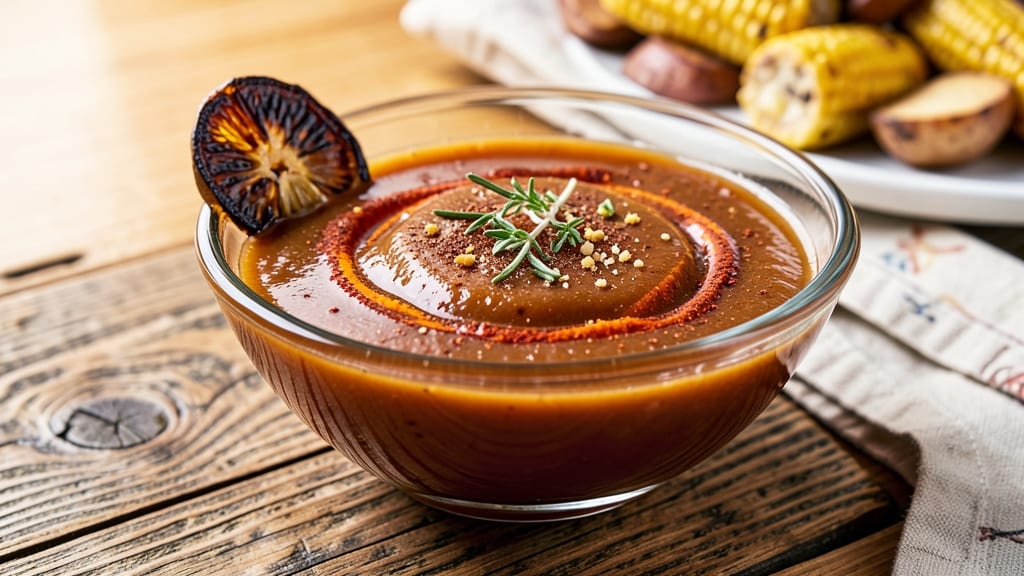
This apple habanero BBQ sauce recipe is the perfect balance of sweet, smoky, and fiery heat that transforms grilled meats into showstopping centerpieces. 🔥 As a pitmaster who's spent years perfecting heat profiles, I've developed a sauce that delivers restaurant-quality depth with just five core ingredients—no shortcuts, no gimmicks. The habanero brings the heat while apple cider vinegar and brown sugar create that signature tangy-sweet profile that keeps people coming back for seconds.
The secret lies in simmering the sauce until it thickens just enough to cling to ribs, chicken, or even grilled vegetables without overwhelming their natural flavors. Smoked paprika and garlic powder add layers of complexity that elevate this from basic BBQ sauce to something truly special.
I've tested this recipe on everything from pulled pork to grilled shrimp, and it consistently delivers that perfect harmony of sweetness, heat, and smoky depth.
What makes this sauce truly versatile is its ability to work as both a glaze and a dipping sauce—whether you're finishing grilled meats on the smoker or serving it alongside wings and fries.
The heat builds gradually, so you control the intensity with each application. Once you taste the difference between store-bought and this homemade version, there's no going back to the bottled stuff.
Ready in just 30 minutes with minimal effort, this sauce keeps well in the refrigerator for up to two weeks, making it perfect for meal prep and batch cooking. The instructions will guide you through every step—from blending the base to achieving that perfect consistency. Let's get cooking!
Ingredients for apple habanero bbq sauce
Five ingredients, infinite heat, and a smoky-sweet balance that'll change your grilling forever.
| Ingredient | Amount | Notes |
|---|---|---|
| Habanero Peppers 🌶️ | 2 whole | Seeds removed for less heat |
| Apple Cider Vinegar 🍎 | ½ cup | Bragg or organic preferred |
| Brown Sugar 🍚 | ½ cup | Light or dark, packed |
| Smoked Paprika 🌶️ | 2 tbsp | High quality for smoky depth |
| Garlic Powder 🧄 | 1 tbsp | Freshly ground preferred |
| Kosher Salt 🧂 | 1 tsp | Diamond Crystal preferred |
| Black Pepper 🌶️ | ½ tsp | Freshly cracked for aroma |
| Extra-Virgin Olive Oil 🫒 | ¼ cup | For richness and balance |
The habanero is where the magic happens—fresh from the market gives the most vibrant heat, but store-bought works too. Penzeys or local Latin markets often carry the hottest varieties, but any habanero will do. Remove seeds for milder heat, but leave some for that signature kick. Apple cider vinegar should be organic and unpasteurized for the best tang—Bragg is my go-to. The brown sugar needs to be packed tightly; don't scoop it loosely. Smoked paprika is non-negotiable here—Goya or La Victoria brands deliver that authentic smoky depth you can't get from regular paprika.
No habanero? Scotch bonnet or serrano peppers work in a pinch, but adjust the amount carefully—start with half and taste as you go. Subbing vinegar? White wine vinegar or apple juice both work, but the flavor profile shifts slightly. Brown sugar too expensive? Coconut sugar or maple syrup keep things vegan-friendly, though the color will differ. The olive oil adds richness, but if you're avoiding it, avocado oil is a great neutral alternative. Garlic powder is fine, but if you've got fresh, mince and toast it first for a deeper flavor—trust me, it makes a difference.
This sauce thickens as it cools, so store it in a sealed glass jar in the fridge for up to two weeks. The flavors meld beautifully overnight, so make it a day ahead if you can. Freezes perfectly for up to 6 months—just thaw in the fridge before using. I like to portion it into small jars for easy grab-and-go grilling. If it separates, just stir it back together before using. The heat builds gradually, so you control the intensity with each application—perfect for those who want to dial it up or down.
Why You'll Love This Recipe
- Here’s what sold me: the habanero gives a smoky kick, but the apple cider vinegar and brown sugar keep it from being overpowering. It’s the kind of sauce you’ll want to drizzle on everything—even toast.
- Five-Ingredient Magic: I swear, this sauce comes together with zero fuss—just blend, simmer, and taste. That habanero’s heat plays so well with the apple cider vinegar’s tang, and the brown sugar rounds it out like a hug.
- Sweet Heat Balance: Here’s what sold me: the habanero gives a smoky kick, but the apple cider vinegar and brown sugar keep it from being overpowering. It’s the kind of sauce you’ll want to drizzle on everything—even toast.
- Weeknight Game Changer: Between us, this is my go-to for quick BBQ chicken or pulled pork. Make a double batch on Sunday, and you’ve got sauce for tacos, sandwiches, or even baked beans all week. (Yes, even on a Tuesday night.)
Step-by-step instructions for apple habanero BBQ sauce
This fiery-sweet glaze comes together in minutes but packs maximum flavor punch.
🔥 Step 1: Roast and Char the Habaneros
Preheat your oven's broiler to high. Place the 2 whole habanero peppers directly on a baking sheet and broil for 4-5 minutes, turning occasionally, until the skins blacken in spots and you smell that intense, smoky aroma. The charring deepens the flavor and mellows the heat slightly.
Here's the thing—don't peel them yet. The charred skins add incredible depth to the sauce. Instead, transfer the peppers to a bowl, cover with a clean kitchen towel, and let them steam for 10 minutes. This makes the skins slip right off when you're ready to remove them.
🍳 Step 2: Blend the Base Ingredients
Remove the skins from the habaneros and discard them. Cut the peppers open and scrape out all the seeds and membranes (this reduces the heat significantly). In a high-powered blender, combine the habaneros with the 0.5 cup apple cider vinegar, 0.5 cup brown sugar, 2 tbsp smoked paprika, 1 tbsp garlic powder, 1 tsp kosher salt, and 0.5 tsp black pepper.
Blend on high for 30-45 seconds until completely smooth. You want a thick, vibrant purée with no visible texture. If it's too thick, add 1-2 tablespoons of water to help it blend properly. The vinegar will help balance the sweetness while adding tangy depth.
🥘 Step 3: Simmer and Thicken the Sauce
Transfer the purée to a medium saucepan and place it over medium heat. Stir in the 0.25 cup extra-virgin olive oil and bring to a gentle simmer. Let it cook uncovered for 15-20 minutes, stirring occasionally, until it thickens to a glossy, syrupy consistency that coats the back of a spoon.
You'll notice the sauce darkening slightly as it reduces—this is where all the flavors meld together. Taste it as it cooks and adjust the sweetness or heat to your preference. If it's too thin, simmer uncovered for another 5 minutes to reduce further. The olive oil adds richness that balances the vinegar's acidity.
⏰ Step 4: Strain and Bottle for Maximum Shelf Life
Let the sauce cool for 10 minutes, then strain it through a fine-mesh sieve into a clean jar or bottle. This removes any remaining skin bits and gives you a silky-smooth texture. The sauce will thicken even more as it cools, so don't worry if it looks perfect right away.
Let it cool completely before sealing. This sauce keeps beautifully in the refrigerator for up to 2 weeks or can be canned for longer storage. The flavors actually improve as it sits, developing more complexity with each passing day. Use it to glaze meats, baste vegetables, or drizzle over tacos.
Pro Tips For Making Apple Habanero Bbq Sauce
- REMOVE THE HABANERO SEEDS FIRST: I learned this the hard way—whole seeds mean a sauce that’ll knock your guests’ socks off (and not in a good way). Cut the peppers open, scrape out the white pith and seeds, then chop the flesh. That fruity, bright heat stays, but the burn fades fast.
- SIMMER LOW AND SLOW: Cranking the heat to boil this sauce off fast turns it into syrup. Keep it at a gentle bubble—think tiny, lazy ripples—so the apple cider vinegar and brown sugar meld instead of fighting. Thirty minutes at medium-low does the job without burning.
- USE REAL APPLE CIDER: That “apple cider vinegar” bottle from the discount aisle? Skip it. The real stuff—cloudy, with sediment—adds depth and a subtle tang that cheap versions miss. If you’re in a pinch, add a splash of fresh apple juice (about 2 tablespoons) to mimic the complexity.
- STRAIN THE PEPPERS: Blending habanero flesh leaves behind bitter, fibrous bits that ruin the texture. After cooking, strain the sauce through a fine-mesh sieve or cheesecloth. It’s a little extra work, but your sauce will be silky smooth—no one will guess you put in effort.
Wine and beer pairings for this dish
Red Wine Pairings
For this fiery-sweet sauce, I reach for Spanish Garnacha—its bold fruitiness stands up to the apple while the earthy notes complement the habanero's heat. A 2018 Garnacha from Priorat (around $25) has just enough tannin to balance the sauce's sweetness.
If you prefer something lighter, Italian Sangiovese (like Chianti Classico) offers bright acidity that cuts through the richness. 🍷
Craft Beer Options
My go-to is a honey-brown ale—the caramel malt sweetness mirrors the sauce's brown sugar while the subtle spice notes enhance the habanero. Try Allagash Honey Brown or New Belgium Fat Tire for that perfect balance.
For something bolder, a smoked porter (like Founders Kentucky Breakfast Stout) adds smoky depth that echoes the smoked paprika. 🍺
Lighter Alternatives
If you're avoiding alcohol, sparkling apple cider (chilled) mirrors the sauce's apple notes while keeping things refreshing. For a non-carbonated option, ginger beer (like Brew Dr. Brown's) adds zesty brightness that contrasts beautifully with the heat.
I also love sparkling water with lime for a crisp, clean palate cleanser between bites. 💧
Regional BBQ Pairings
In Texas-style BBQ, this sauce shines on brisket—pair it with a Texas red wine like Tempranillo or a local craft beer such as Deep Ellum's Ghost Town.
For Carolina-style pulled pork, a North Carolina Riesling (off-dry) balances the heat perfectly. The sauce's versatility makes it a crowd-pleaser at any regional cookout. 🗺️
Sweet-Savory Contrasts
To balance the heat, serve with cooling sides like creamy coleslaw or avocado slices. The creamy texture tames the habanero while the fresh avocado adds brightness. For a smoky contrast, grilled corn with chili-lime butter lets the sauce's flavors shine even brighter. 🌽
Nutrition facts
Frequently asked questions
Can I adjust the heat level in this apple habanero BBQ sauce?
For milder heat, remove all seeds and membranes from the habaneros before blending. For extra kick, leave some seeds in or add 1/2 teaspoon cayenne pepper while simmering. Remember, the sauce thickens as it cools, so taste as it reduces to adjust perfectly.
What's the best way to use this sauce on grilled meats?
Apply it in 2-3 thin layers during the last 10 minutes of grilling for maximum caramelization. For pulled pork or ribs, brush on every 30 minutes during the smoking process. The sauce works best on medium-high heat—it burns easily if grilled too hot.
How do I store leftovers to maintain freshness?
Transfer to an airtight glass jar and refrigerate for up to 2 weeks. The sauce thickens as it cools, so stir before using. For longer storage, freeze in ice cube trays for portion control—thaw overnight in the fridge. Never freeze in metal containers as they can react with the acidity.
Can I make this sauce without a blender?
Yes! Finely chop the roasted habaneros and blend with vinegar and sugar using a mortar and pestle first, then strain through a fine-mesh sieve. The texture will be slightly thicker but still delicious. For extra smoothness, use a food mill or whisk vigorously with a bit of water to help emulsify.
What are the best non-meat uses for this sauce?
This sauce elevates grilled vegetables (like eggplant or bell peppers), tacos, and even mac and cheese as a finishing drizzle. Try it as a dip for fries or mozzarella sticks—the heat balances the richness perfectly. For vegetarians, brush it on portobello mushrooms before grilling.