
Sauces & Condiments
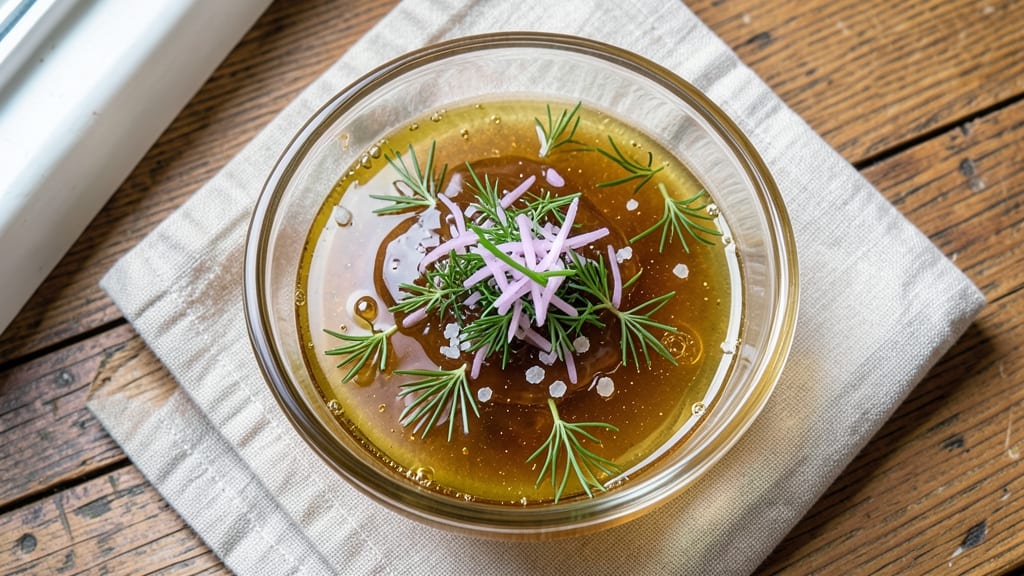
This apple cider vinegar sauce recipe transforms simple ingredients into a bright, tangy condiment that elevates everything from salads to roasted vegetables. The secret lies in balancing sharp vinegar with rich olive oil and fresh herbs, creating a sauce that’s both versatile and deeply flavorful.
I developed this recipe after realizing how often a simple dressing could turn a basic meal into something extraordinary.
The beauty of this sauce is its simplicity—just five ingredients combine to create a dressing that’s tangy, slightly sweet, and packed with herbaceous notes. Unlike store-bought versions, this one stays fresh for up to a week in the refrigerator, making it perfect for meal prep.
The key is letting the flavors meld for at least 30 minutes before using, allowing the vinegar’s acidity to soften and the herbs to release their full aroma.
What makes this sauce truly special is its ability to adapt. Drizzle it over crisp greens for a zesty kick, toss it with roasted potatoes for extra depth, or use it as a marinade for grilled meats.
The balance of sweet and sour creates a harmony that works in both savory and slightly sweet dishes, making it a pantry staple worth keeping on hand.
For best results, store the sauce in an airtight container and shake gently before each use to redistribute the herbs. The flavors only improve over time, so don’t hesitate to make a batch ahead—it’s that good. Ready to elevate your meals with just a few simple ingredients?
Ingredients for apple cider vinegar sauce
Five ingredients, endless possibilities—this tangy sauce transforms simple meals into restaurant-worthy dishes.
| Ingredient | Amount | Notes |
|---|---|---|
| Apple Cider Vinegar 🍏 | ½ cup | Raw, unfiltered preferred |
| Extra-Virgin Olive Oil 🫒 | ½ cup | Lightly fruity, not bitter |
| Pure Maple Syrup 🍁 | 2 tbsp | Grade B for depth of flavor |
| Fresh Dill Weeds 🌿 | ¼ cup | Finely chopped, stems removed |
| Fresh Chives 🌱 | ¼ cup | Thinly sliced, for brightness |
| Sea Salt 🧂 | 1 tsp | Fine grain, Diamond Crystal |
| Freshly Ground Black Pepper 🌶️ | ½ tsp | Freshly cracked for aroma |
| Garlic Cloves 🧄 | 2 cloves | Minced, for subtle depth |
The vinegar is non-negotiable here—Bragg or Texas Pete are my go-tos, but any raw, unfiltered brand works. Olive oil quality matters: skip the cheap stuff, go for something with noticeable fruity notes. The maple syrup adds just enough sweetness to balance the acidity, so Grade B is ideal—it’s richer and less refined. Fresh herbs are a must, but if you’re in a pinch, dried dill at one-third the amount will do. For the garlic, I usually grab a head and keep it in my fridge for other recipes, but pre-minced works too. The Diamond Crystal sea salt dissolves perfectly and enhances the sauce’s complexity.
No maple syrup? Agave nectar or honey will work in a pinch, though honey adds a floral note that’s slightly different. Short on fresh dill? Tarragon or parsley add a similar brightness, though dill’s anise flavor is unmatched. The garlic can be omitted if you’re sensitive to its taste, but I find it adds a subtle depth that rounds out the sauce. For a more robust flavor, add a pinch of onion powder—it’s a secret weapon in dressings. If you’re making this ahead, let it sit for at least 30 minutes before using; the flavors meld beautifully over time, especially if you give it a good shake.
This sauce keeps for up to 1 week in the fridge, though I find it tastes best after a day or two—the flavors really develop. Store it in an airtight jar and shake gently before each use to redistribute the herbs. For longer storage, it freezes beautifully for up to 3 months. I like to make a big batch and keep it on hand for quick salads, roasted veggies, or even as a marinade. The sauce’s versatility is its best feature—drizzle it over grilled chicken, toss it with roasted potatoes, or use it as a dip for crusty bread. It’s that good.
Why You'll Love This Recipe
- No-Fuss Pantry Magic: I swear by this sauce because it lives in my fridge and never gets tossed. Just stir together apple cider vinegar, olive oil, and maple syrup—no peeling, chopping, or waiting for anything to come to temperature. Honestly, I make it while I’m waiting for the chicken to brown.
- Bright Tangy Zing: That first bite? The vinegar cuts through richness while the maple syrup softens the edges, and the fresh dill and chives add a bright, herbal lift. It’s the kind of flavor that makes you pause mid-bite, like a secret handshake between your taste buds.
- Dresses Up Everything: Drizzle it over roasted Brussels sprouts, toss it with grilled salmon, or slather it on a sandwich—it works just as well for a weeknight dinner as it does for a weekend brunch. Between us, it’s my go-to for turning simple proteins into something special without extra effort.
- Stays Fresh for Days: Make a big batch and store it in the fridge for up to a week. The vinegar acts as a natural preservative, so it doesn’t spoil, and the flavors actually deepen over time. I’ll be real: I’ve had leftovers last longer than I planned, and it’s never let me down.
Step-by-step instructions for apple cider vinegar sauce
A bright, balanced dressing that elevates salads and dips with perfect harmony of tang and sweetness.
Whisk Together the Base Ingredients
In a medium bowl, combine the 0.5 cup apple cider vinegar, 0.5 cup extra-virgin olive oil, and 2 tablespoons pure maple syrup. Use a whisk to blend thoroughly until the mixture appears homogeneous and slightly emulsified. The vinegar will create a slight cloudiness at first, but keep whisking until it integrates smoothly with the oil.
This foundational step ensures all components are evenly distributed before adding the fresh herbs. I like to whisk for about 30 seconds to break up any oil separation that might occur later. The maple syrup will begin to dissolve into the vinegar, creating a subtle sweetness that balances the acidity.
Incorporate the Fresh Herbs and Seasonings
Add the 0.25 cup finely chopped fresh dill weeds, 0.25 cup thinly sliced fresh chives, 1 teaspoon sea salt, and 0.5 teaspoon freshly ground black pepper to the bowl. Stir gently with a wooden spoon to combine, being careful not to overmix. The herbs should be evenly distributed throughout the dressing, adding vibrant color and fresh aroma.
The dill and chives bring brightness that cuts through the richness of the olive oil, while the salt and pepper enhance the overall flavor profile. I recommend using a spoon rather than a whisk at this stage to preserve the herbs' texture and prevent them from becoming too pulverized.
Add the Minced Garlic for Depth
Finally, stir in the 2 minced garlic cloves using the wooden spoon. The garlic should disperse evenly, adding a subtle, aromatic depth to the sauce. Taste the dressing at this point to check the balance of flavors—it should have a bright tang from the vinegar, a touch of sweetness from the maple syrup, and a fresh herbal note.
If the dressing tastes too sharp, add a tiny bit more maple syrup. If it needs more acidity, add a splash of additional apple cider vinegar. The goal is a well-rounded flavor that’s tangy yet approachable, with enough complexity to stand out in salads or as a dip.
Let the Sauce Rest and Emulsify
Cover the bowl with plastic wrap and let the dressing rest at room temperature for at least 15 minutes. This resting period allows the flavors to meld and the ingredients to fully integrate. During this time, the olive oil and vinegar will begin to naturally emulsify, creating a smoother, more cohesive texture.
If you notice any separation after resting, simply whisk the dressing vigorously for 10-15 seconds before using. The herbs and garlic will help stabilize the emulsion, ensuring a silky finish. Once fully combined, your apple cider vinegar sauce is ready to elevate any dish.
Pro Tips For Making Apple Cider Vinegar Sauce
- Whisk in Stages: Pour in the apple cider vinegar first, then the olive oil in a slow drizzle—this emulsifies the sauce better than dumping everything at once. I learned this after my first batch split like a greasy mess.
- Use Warm Syrup: Gently heat the maple syrup for 20 seconds in the microwave before mixing—it blends smoother and prevents clumping. Cold syrup makes the sauce look like it’s fighting itself.
- Chop Dill Coarse: Leave the dill stems attached and chop roughly—this keeps the sauce from turning into a green slurry. Fine chopping releases too much bitterness too fast.
- Finish with Chives: Stir in the chives last, right before serving—they wilt instantly in heat and lose their bright pop. Add them to the pan, then immediately toss with whatever you’re drizzling this over.
Make-ahead tips for this apple cider vinegar sauce
Batch Prep Strategy
Make a double batch of this sauce when you have time—it’s perfect for meal prep! Store it in a glass mason jar with a tight-sealing lid, which keeps the herbs fresh and prevents oil separation better than plastic.
I like to divide it into smaller jars (like 8-ounce size) so I can grab just what I need without transferring leftovers. 💛
Fridge Storage Tips
Keep your sauce in the fridge for up to 1 week, but I’ve found it tastes best after 24-48 hours—the flavors deepen and the herbs soften just enough to release more aroma.
Always shake the jar gently before use to redistribute the herbs and oil. If you notice separation, just whisk vigorously for 10-15 seconds to re-emulsify.
Freezing for Later
For longer storage, freeze the sauce in ice cube trays—each cube is perfect for a single serving or as a quick marinade. Transfer the cubes to a freezer bag and label with the date; they’ll keep for up to 3 months.
Thaw overnight in the fridge before using, or pop a cube directly into your dish while it’s cooking for instant flavor. 🧊
Herb Freshness Hacks
If your herbs start to wilt in the fridge, don’t toss the sauce! The dried herbs will still add flavor, though the texture will be less vibrant.
For extra freshness, store the jar upside down in the fridge—this keeps the herbs submerged in the oil, preserving their color and aroma longer. I also like to add a small splash of vinegar to the jar before sealing to extend shelf life.
Reheating and Reusing
This sauce doesn’t need reheating—just shake it well and use it straight from the fridge. If you’ve used part of the jar, store the remaining sauce in an airtight container to maintain freshness.
I often use leftover sauce as a quick marinade for grilled chicken or fish—just toss it with your protein and let it sit for 15-20 minutes before cooking. The flavors infuse beautifully! 🍗
Flavor Boost Over Time
The longer this sauce sits, the more complex it becomes. After 3-4 days, the maple syrup and vinegar meld into a richer, more balanced flavor.
If you’re prepping for the week, make a big batch and let it sit overnight—you’ll notice a subtle depth that isn’t there right after mixing. Trust the process, and your taste buds will thank you! ✨
Nutrition facts
Frequently asked questions
Can I substitute maple syrup with something else?
Yes! You can use agave nectar or honey in a 1:1 ratio, though honey adds floral notes that change the flavor profile slightly. For a neutral sweetener, try light corn syrup. Avoid artificial sweeteners—they won't dissolve properly and can alter the sauce's texture.
Why does my sauce separate after resting?
This is normal! Vinegar and oil naturally separate over time. Simply whisk vigorously for 10-15 seconds before using. The herbs and garlic help stabilize the emulsion, so don't worry—your sauce will come back together perfectly. For extra stability, add 1/4 teaspoon of mustard powder when mixing.
What are the best ways to use this sauce?
This versatile sauce works as a salad dressing, dipping sauce for crusty bread, or marinade for grilled meats. Try it on roasted vegetables, as a finishing sauce for tacos, or even mixed into mayo for a tangy sandwich spread. The bright flavors complement both savory and slightly sweet dishes beautifully!
Can I make this sauce without fresh herbs?
Yes, but the flavor will be less vibrant. Use 1/3 teaspoon dried dill and 1/3 teaspoon dried chives instead of fresh. For extra depth, add 1/4 teaspoon onion powder or a pinch of smoked paprika. The sauce will still be delicious, just with a slightly different herbal profile.
How can I make this sauce spicier?
Add 1/4 teaspoon of cayenne pepper or 1/2 teaspoon of hot sauce when mixing. For a smoky kick, include 1/4 teaspoon smoked paprika. Always taste first—you can adjust the heat to your preference. The vinegar's acidity helps balance the spice beautifully!