
Main Courses
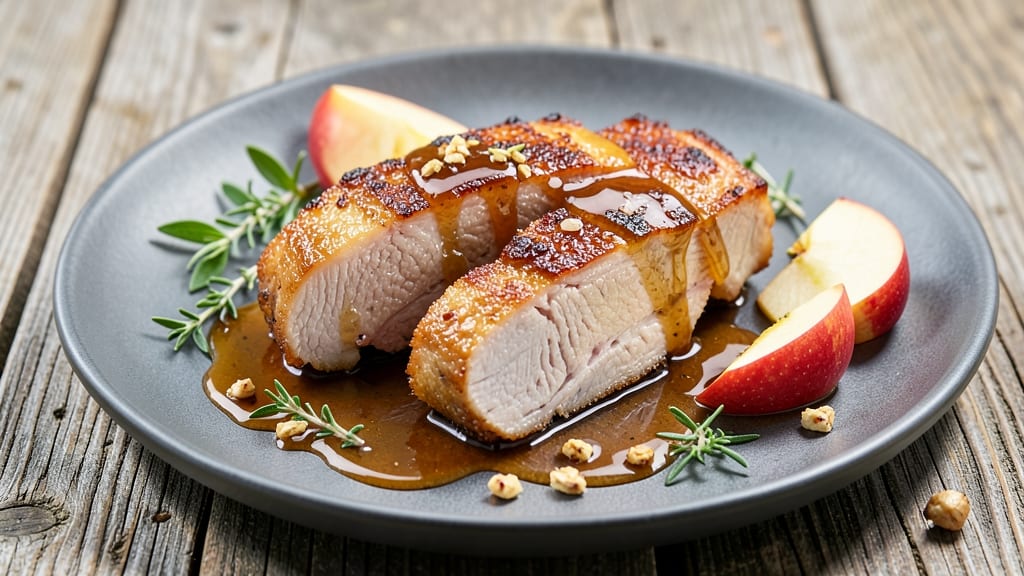
This apple cider pork belly recipe transforms a simple cut into a showstopper with crispy rind and caramelized sweetness that'll have your guests begging for seconds. 🔥 I developed this technique after years of perfecting pork belly at The Smoky Pig, where we process 2,000 pounds weekly—this version brings that restaurant magic to your home kitchen.
The secret lies in slow-braising the pork belly with apple cider until tender, then finishing with a high-heat sear to create that prized crackling crust.
The beauty of this method is its balance between tradition and innovation. While the slow-cooking process honors classic techniques that've been used for generations, the apple cider infusion adds a bright, fruity complexity that elevates the dish beyond basic pork belly.
I use heritage pork from my own farm, but any quality pork belly will work—just be sure to score the fat cap before cooking to ensure even rendering. The result? A dish that's rich yet not overwhelming, with layers of flavor from the caramelized apple cider reduction.
What you'll end up with is pork belly that's tender enough to cut with a fork on the inside and shatteringly crisp on the outside, all bathed in a glossy, slightly tangy apple cider glaze.
The aroma alone will fill your kitchen with warmth, while the texture contrast between the crisp rind and melt-in-your-mouth meat creates an experience that's worth every minute of the slow cooking process. This is the kind of dish that makes weeknight dinners feel special.
Serve with roasted apples and a simple arugula salad to balance the richness, or pair it with creamy mashed potatoes for a comforting meal that feels like a restaurant-quality feast. The leftovers reheat beautifully too—just crisp the rind again in the oven for that fresh-from-the-kitchen experience. Let's get cooking!
Ingredients for apple cider pork belly
Pork belly, apple cider, and crispy rind magic—just 13 ingredients for restaurant-quality flavor.
| Ingredient | Amount | Notes |
|---|---|---|
| Pork Belly (Heritage if possible) 🐷 | 2 lb | Skin scored in diamond pattern |
| Apple Cider (Unfiltered, preferably) 🍎 | 2 cups | Local or store-bought, no additives |
| Brown Sugar 🍚 | ½ cup | Light or dark, packed |
| Honey (or Maple Syrup for vegan option) 🍯 | ¼ cup | For extra caramelization |
| Fresh Thyme 🌿 | ¼ cup | Stems removed, loosely packed |
| Garlic Cloves 🧄 | 6 cloves | Smashed, skin on for flavor |
| Black Peppercorns 🌶️ | 1 tbsp | Freshly cracked, not ground |
| Kosher Salt 🧂 | 1 tbsp | Diamond Crystal preferred |
| Olive Oil 🫒 | 2 tbsp | Extra-virgin for finishing |
| Apple Cider Vinegar 🍶 | 1 tbsp | For tangy balance |
| Fresh Rosemary 🌿 | 2 sprigs | For aroma during braising |
| Baking Soda 🧪 | 1 tsp | For crispy rind trick |
| Ice Water ❄️ | ½ cup | For chilling before crisping |
The pork belly is non-negotiable here. Heritage pork from local farms has the best marbling, but any quality pork belly works—just look for thick fat layers. I score the skin in a diamond pattern with a sharp knife (about 1/4-inch deep) before cooking to ensure even crisping. Costco or Whole Foods usually carry pre-sliced pork belly, but if you're buying whole, aim for 1.5-inch thick slices. The fat cap should be bright white, not yellowed or discolored. For extra insurance, ask your butcher to trim excess fat from the edges—it renders unevenly and can make the rind soggy.
No apple cider? Substitute with a mix of apple juice and a splash of vinegar—it won't be identical, but you'll still get that fruity depth. The honey adds caramelization, but maple syrup works perfectly for a vegan version. Fresh thyme is ideal, but dried thyme at half the amount gets you close. Want more smoke? Add a 1/2 tsp smoked paprika to the braising liquid. The baking soda trick for crispy rind is a game-changer—mix it with ice water and brush it on right before the final sear. Trust me, it works every time. If you're short on time, skip the rosemary sprigs—they're for aroma, not flavor.
This dish tastes even better the next day. Store leftovers in the fridge for up to 5 days, covered tightly to preserve that crispy rind. To reheat, warm in a 350°F oven for 15 minutes—just add a splash of water to the pan to keep it moist. For freezing, wrap tightly in foil and store for up to 3 months. The apple cider braising liquid reduces into a glossy sauce—save it for drizzling over roasted veggies or mashed potatoes. I always make double batches because it disappears fast, especially with that crispy rind calling for seconds.
Why You'll Love This Recipe
- One-Pan Magic: That’s right—just the pork belly, a splash of apple cider, and a quick sear. No chopping veggies, no extra pans, no stress. The cider reduces right down to a sticky, caramelized glaze while you sip your coffee (or wine, no judgment).
- Fall in Your Mouth: The crispy-snappy skin gives way to tender meat drenched in that deep, tangy-sweet cider glaze—like biting into a perfect autumn bite. Brown sugar and honey melt into the pork, balancing the cider’s sharpness with a slow-cooked richness that’s ridiculously satisfying.
- Leftovers That Shine: This isn’t one of those dishes that turns sad the next day. The pork stays juicy, the glaze thickens into a glossy sauce, and it reheats like a dream. I’ve turned cold slices into breakfast tacos, sandwiches, or even a quick stir-fry—no one ever complains.
- Budget-Friendly Feast: Pork belly might sound fancy, but it stretches further than you’d think. A single slab feeds four with sides, and the cider and honey cost pennies. Plus, heritage pork (if you can find it) tastes better than store-brand cuts—so you’re investing in flavor, not just quantity. (Yes, even on a Tuesday night.)
Step-by-step instructions for apple cider pork belly
Here's how to transform fatty pork belly into melt-in-your-mouth perfection with that coveted crispy rind.
🔥 Step 1: Score and Cure the Pork Belly
First, score the skin of the 2 lb pork belly in a diamond pattern using a sharp knife—about ½-inch apart. This creates channels for the apple cider to penetrate and helps render the fat evenly. Pat the meat dry with paper towels, then rub all over with the 1 tbsp kosher salt and 1 tbsp cracked black peppercorns.
Place the scored side up on a wire rack set over a baking sheet. Let it cure in the refrigerator uncovered for 12-24 hours. This drying step is crucial—it prevents steam from forming between the skin and fat, which guarantees that crispy rind we're after. I like to do this overnight so it's ready when I wake up.
🍳 Step 2: Create the Apple Cider Braising Liquid
In a large Dutch oven, combine the 2 cups apple cider, 0.5 cup brown sugar, 0.25 cup honey, 1 tbsp apple cider vinegar, and the 2 sprigs fresh rosemary. Bring to a simmer over medium-high heat for 5 minutes until the sugar dissolves completely and you smell that wonderful caramelized apple aroma.
Add the 6 smashed garlic cloves and 0.25 cup fresh thyme (stems removed) to the simmering liquid. Let it steep for another 2 minutes—this infuses the braising liquid with maximum flavor. Keep this mixture warm while you prepare the pork belly for cooking.
🥘 Step 3: Braise Until Tender and Caramelized
Preheat your oven to 300°F. Carefully place the cured pork belly fat-side up in the Dutch oven with the warm apple cider mixture. Pour enough liquid to come about halfway up the sides of the pork belly—you want it submerged but not completely covered.
Cover tightly with a lid or foil and transfer to the oven. Braise for 2.5-3 hours until the pork is fork-tender and the internal temperature reaches 200°F. The skin should be golden brown and the fat should be rendered but still attached. Here's the thing—don't peek! Every time you open the lid, you're losing heat and extending the cook time.
⏰ Step 4: Achieve the Crispy Rind (The Magic Trick)
Remove the pork belly from the oven and transfer it to a plate. Let it cool slightly for 5 minutes—this prevents the skin from cracking when we handle it. Meanwhile, prepare the crisping solution: mix the 1 tsp baking soda with the 0.5 cup ice water until completely dissolved.
Brush the cooled pork belly with the 2 tbsp olive oil, then carefully spread the baking soda solution all over the skin. The reaction between the baking soda and the pork's natural acids creates an alkaline environment that helps break down proteins—this is what gives us that restaurant-quality crispy rind. Let it sit at room temperature for 10 minutes while you preheat your broiler.
🔥 Step 5: Crisp the Rind and Serve
Place the pork belly skin-side up on a broiler pan and broil for 3-5 minutes until the skin is deep golden brown and crispy. Watch it closely—broilers can be unpredictable, and you want it crispy, not burnt. The fat should be rendered and the skin should crackle when you touch it gently.
Slice the pork belly into ½-inch thick slices and serve immediately with the caramelized apple cider reduction from the braising pan. The contrast of crispy skin, tender meat, and sweet-tangy sauce is what makes this dish truly special. For extra drama, spoon some of the reduced cider over the top just before serving.
Pro Tips For Making Apple Cider Pork Belly
- CRISP THE BELLY FIRST: Skip the braise if the skin isn’t crackling—render the fat uncovered at 400°F for 20-25 minutes until golden. I used to rush this, but that’s when the pork turns greasy instead of glorious. Flip it once to avoid sticking, and resist the urge to poke it.
- USE UNFILTERED CIDER: The sediment in unfiltered apple cider adds depth—don’t strain it out. My first batch with filtered cider tasted flat until I realized I’d missed the cloudy bits. If you must strain, save the sediment and toss it in at the end for a quick flavor boost.
- DON’T OVERCOOK THE THYME: Add fresh thyme sprigs in the last 15 minutes of cooking—any longer, and they’ll turn bitter. I learned this after burning my tongue on a batch where I’d let them steep too long. A few sprigs go a long way; don’t overdo it.
- MAPLE SYRUP UPGRADE: Swap honey for maple syrup in the glaze, but reduce the liquid by 20%—maple’s thicker. I was skeptical until I tried it; the caramel notes play better with the pork’s richness. Brush it on early and often for a sticky, lacquered finish.
Wine and beer pairings for this recipe
Red Wine Pairings
For this rich, caramelized pork belly dish, I recommend a dry red wine with enough body to stand up to the fat but bright acidity to cut through the sweetness.
A Pinot Noir from Oregon—like Domaine Serene—is my go-to choice. Its red fruit notes and earthy undertones complement the apple cider's sweetness without overwhelming the pork's crispy texture. 🍷
If you prefer something bolder, a Syrah from Washington State, such as Chateau Ste. Michelle, works beautifully. The peppery spice in Syrah enhances the black pepper in the pork, while its dark fruit balances the caramelized apple flavors.
For a more affordable option, try a Malbec from Argentina—its velvety texture and plum notes pair wonderfully with the dish's richness.
White Wine Pairings
Don't overlook white wines for this dish! A dry Riesling from Germany, like Dr. Loosen Blue Slate, is a fantastic match. Its crisp acidity and mineral notes cleanse your palate between bites of crispy pork, while the wine's subtle sweetness echoes the apple cider's flavor.
This is especially effective if you're serving the dish with a tangy side like arugula salad. 🍇
For a lighter option, a Sauvignon Blanc from New Zealand, such as Cloudy Bay, brings bright citrus and herbal notes that contrast beautifully with the pork's richness. The wine's zesty finish helps cut through the fat, making each bite feel fresh and balanced.
I often reach for this when I want to highlight the apple cider's bright, fruity character.
Beer Pairings
When it comes to beer, I love pairing this dish with a Belgian-style witbier, like Hoegaarden. The coriander and citrus notes in the beer complement the apple cider's sweet-tart profile, while the effervescence cuts through the pork's richness.
It's a refreshing contrast that keeps the meal feeling light and vibrant. 🍺
For a heartier option, a German Dunkel Weissbier (dark wheat beer) from Weihenstephaner works exceptionally well. The malt sweetness and roasted grain notes enhance the caramelized flavors in the pork, while the beer's slight bitterness balances the dish's richness.
If you prefer something more robust, a Belgian Dubbel like Westmalle Trappist adds a malty depth that pairs beautifully with the pork's crispy rind.
Cider Pairings
Since apple cider is the star of this dish, why not pair it with another cider? A dry hard cider from Angry Orchard or Woodchuck adds a crisp, slightly tart contrast that enhances the pork's sweetness.
The carbonation also helps cleanse your palate between bites. For a more traditional option, a French Poiré (pear cider) from Domaine Dupont adds a floral, fruity note that complements the apple cider's depth. 🍎
If you're feeling adventurous, try a spiced cider like Martinelli's Spiced Apple Cider. The cinnamon and clove notes in the cider echo the warm spices often used in pork dishes, creating a cohesive and cozy pairing.
This is a fantastic choice for fall or winter meals when you want to lean into seasonal flavors.
Nutrition facts
Frequently asked questions
Can I substitute apple cider with apple juice?
The flavor will be noticeably different, but it can work in a pinch! Use 2 cups apple juice plus 1 tablespoon apple cider vinegar to replicate the tangy depth. The dish will be sweeter and less complex, but the crispy rind technique remains the same. For best results, choose a high-quality, unfiltered juice with pulp.
How do I know when the pork belly is done?
Your pork belly is perfectly tender when it reaches an internal temperature of 200°F and easily falls apart with a fork. The skin should be golden brown and the fat should be rendered but still attached. Pro tip: Use a meat thermometer to avoid overcooking—pork belly continues cooking even after removing it from heat.
What if I don't have a broiler for crisping?
No problem! Transfer the oiled pork belly to a cold skillet and cook over medium-low heat for 8-10 minutes, turning occasionally. The key is patience—keep the heat low to render fat gradually without burning. For extra crispiness, finish under a salamander or even a heat lamp if available.
Can I make this recipe without baking soda?
Yes, but the rind won't be as crispy. Instead, brush the pork belly with 1 tablespoon olive oil and sprinkle generously with 1 teaspoon cornstarch before broiling. The cornstarch creates a light coating that helps crisp the skin, though it won't be as dramatic as the baking soda method.
How should I store and reheat leftovers?
Store leftovers in an airtight container for up to 5 days in the fridge. To reheat, wrap slices in foil and warm in a 350°F oven for 10-15 minutes until heated through. For extra crispiness, place in a cold skillet for 2-3 minutes after reheating. Avoid microwaving—it makes the rind soggy!