
Main Courses
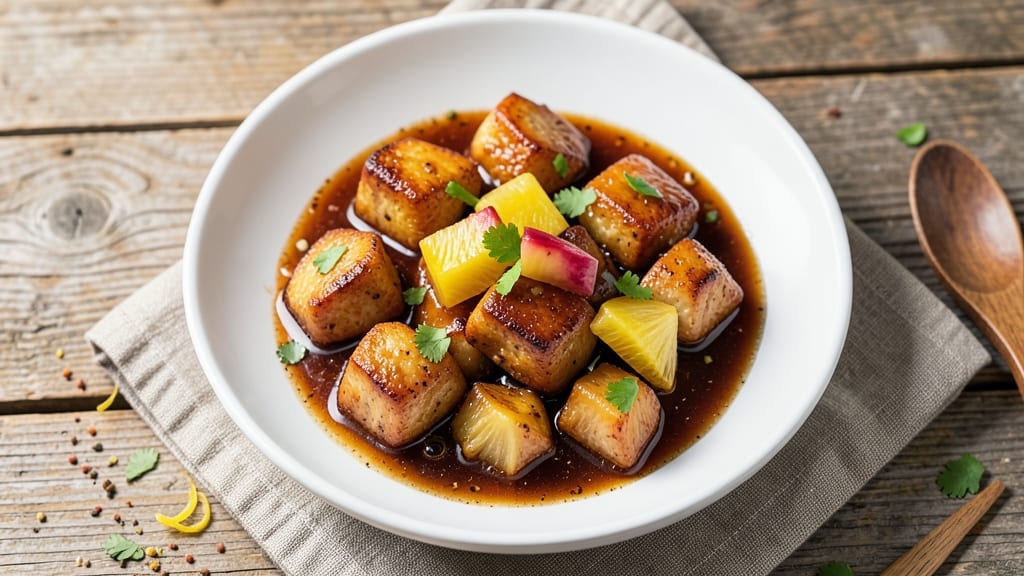
Chef James Beard’s sweet and sour pork pineapple delivers that perfect balance of tangy, caramelized flavors in one pan. The secret lies in marinating the pork just right—tender, juicy, and ready to absorb the vibrant sauce.
I’ve tested this recipe countless times, and it never fails to impress, whether for a family dinner or a special occasion.
This dish transforms simple ingredients into something extraordinary. The pork gets seared to a golden brown, while the pineapple adds natural sweetness that cuts through the tangy sauce. The sauce itself is where the magic happens—simmered until it’s thick, glossy, and packed with that signature sweet-and-sour punch.
It’s the kind of recipe that feels like a restaurant masterpiece but works perfectly in your home kitchen.
What you’ll end up with is a dish that’s rich, flavorful, and impossible to resist—crispy pork pieces bathed in a glossy, tangy-sweet sauce with chunks of juicy pineapple. The aroma alone will have everyone gathering around the table, and the first bite delivers that perfect harmony of textures and flavors.
This is comfort food at its finest, with just the right amount of effort for maximum reward.
The best part? It all comes together in one pan, making cleanup a breeze. Whether you’re feeding a crowd or treating yourself to a special meal, this recipe delivers restaurant-quality results without the fuss. Let’s get cooking!
Ingredients for sweet and sour pork pineapple recipe chef james beard
Pork so tender it falls apart, pineapple so juicy it sings, and a sauce that’s tangy-sweet perfection.
| Ingredient | Amount | Notes |
|---|---|---|
| Boneless Pork Shoulder 🐷 | 1 ½ lb | Cut into 1-inch cubes |
| Fresh Pineapple Chunks 🍍 | 1 ½ cups | Fresh or canned in juice |
| White Vinegar 💧 | ½ cup | White or apple cider vinegar |
| Brown Sugar 🍚 | ½ cup | Packed firmly |
| Soy Sauce 🍶 | ½ cup | Low-sodium preferred |
| Garlic Cloves 🧄 | 4 cloves | Minced for marinade |
| Fresh Ginger 🌿 | 1 tbsp | Grated, fresh preferred |
| Cornstarch 🌾 | 1 tbsp | For sauce thickening |
| Vegetable Oil 🫒 | 2 tbsp | For searing pork |
| Green Onions 🧅 | 3 whole | Sliced, for garnish |
| Salt 🧂 | 1 tsp | Kosher or sea salt |
| Black Pepper 🌶️ | ½ tsp | Freshly ground |
| Red Bell Pepper 🌶️ | 1 whole | Sliced into strips |
The pork shoulder is your secret weapon here—it stays juicy while searing up beautifully. Look for well-marbled cuts at the butcher counter, or grab pre-cut pork shoulder from Costco or Walmart for convenience. If you can’t find fresh pineapple, canned pineapple chunks in juice (not syrup!) work perfectly—just drain them well. The brown sugar needs to be packed firmly; don’t scoop it loosely. And trust me on the low-sodium soy sauce—you’ll thank yourself later when the sauce isn’t too salty.
No fresh ginger? Ground ginger at half the amount is fine, but fresh has that zing. Running out of cornstarch? Arrowroot powder works 1:1. The green onions can be swapped for scallions or regular onions if that’s what you’ve got. For extra depth, add a dash of fish sauce (if you eat it) or a splash of hoisin sauce to the marinade. And if you’re feeling fancy, toss in a red bell pepper slice or two for color and crunch—it’s that easy.
Marinate the pork for at least 30 minutes (overnight is even better). This dish tastes even better the next day, so make extra if you can. Store leftovers in the fridge for 3-4 days—the sauce thickens up beautifully when reheated. For a quick meal, freeze portions in single-serving containers; they’re ready to go straight from frozen to pan.
Why You'll Love This Recipe
- One-Pan Magic: I swear by this recipe—just toss the pork and pineapple in one skillet, then let the vinegar and sugar work their magic. No flipping pans, no fuss, and that caramelized glaze? It’s basically hands-off.
- Tangy-Sweet Crunch: The fresh pineapple chunks cut through the richness of the pork, while the white vinegar and brown sugar create this addictive balance. Honestly, the first bite makes you want to eat it straight from the pan (but don’t—wait for the sauce).
- Leftover Goldmine: This dish tastes even better the next day, especially when reheated with a splash of water to keep it saucy. I make double batches because it’s the kind of meal that disappears faster than you can say “seconds?”
- Budget-Friendly Feast: Pork shoulder stretches far, and pineapple adds freshness without breaking the bank. Between us, this is the kind of recipe that makes grocery day feel like a win—no splurges, just flavor.
Step-by-step instructions for sweet and sour pork pineapple
This one-pan masterpiece delivers restaurant-quality sweet and sour pork with caramelized edges and vibrant flavors.
Prepare the Pork and Marinade Base
Cut the 1.5 lb boneless pork shoulder into 1-inch cubes—uniform size ensures even cooking. In a large bowl, combine the 1.5 cups fresh pineapple chunks, 0.5 cup white vinegar, 0.5 cup brown sugar, 0.5 cup soy sauce, 4 minced garlic cloves, and 1 tbsp grated fresh ginger. Mix well until the sugar dissolves completely. This tangy marinade will tenderize the pork while building the sauce's signature balance of sweetness and acidity.
Add the pork cubes to the marinade, tossing to coat evenly. Let it sit at room temperature for 15 minutes—just enough time for the flavors to meld without over-marinating. Here's the thing: the pork will release juices, so don't drain it. Those juices are packed with flavor and will thicken into the sauce later. Cover the bowl and let it marinate while you prep the remaining ingredients.
Sear the Pork for Maximum Flavor
Heat 2 tbsp vegetable oil in a large skillet or deep pan over medium-high heat until shimmering. Working in batches if needed, add the marinated pork and cook undisturbed for 3-4 minutes per side until deeply golden brown. You're aiming for a caramelized crust here—the Maillard reaction creates that irresistible depth of flavor. If the pan gets too crowded, reduce heat slightly to prevent steaming instead of searing.
Once all pork is browned, remove it from the pan and set aside. You'll notice the marinade has reduced slightly from the searing process—this is exactly what we want. It's building layers of flavor that will become our sauce. Don't wipe out the pan; those browned bits are pure umami gold.
Build the Sauce with Pineapple and Vegetables
Return the pan to medium heat and add the 1 whole sliced red bell pepper and 3 sliced green onions. Cook for 2-3 minutes until the bell pepper softens slightly and the onions become vibrant green. Here's where the magic happens: pour in all the marinade from the bowl, including any juices. Stir and bring to a gentle simmer, letting it reduce by about half—this concentrates the flavors dramatically.
While the sauce simmers, sprinkle the 1 tbsp cornstarch mixed with 1 tsp salt and 0.5 tsp black pepper over the back of a spoon. This will thicken the sauce beautifully without making it gluey. Stir constantly for 2-3 minutes until the sauce coats the back of a spoon and reaches your desired consistency. The cornstarch works like a miracle here, transforming the liquid into a glossy, clingy sauce.
Finish and Serve with Perfect Texture
Return the seared pork to the pan along with any accumulated juices. Gently toss everything together and cook for just 1-2 minutes—long enough to heat through but not so long that the pork becomes tough. The sauce should now cling beautifully to each piece of pork, creating that signature sweet and sour glaze. Taste and adjust seasoning if needed, adding a splash more vinegar for tang or a pinch of sugar for sweetness.
Garnish with extra sliced green onions and serve immediately over steamed rice or noodles. The contrast of tender pork with the vibrant, glossy sauce is what makes this dish unforgettable. Real talk: the pineapple adds just the right amount of freshness to cut through the richness, while the caramelized edges on the pork deliver that satisfying crunch.
Pro Tips For Making Sweet And Sour Pork Pineapple Recipe Chef James Beard
- Prep Pineapple Right: Cut the fresh pineapple into even 1-inch chunks—smaller pieces cook faster and soak up the sauce better. I used to leave them too big, and they’d turn mushy while the pork stayed tough. Also, sprinkle them with a pinch of salt before tossing in the sauce; it brightens the flavor without overpowering.
- Don’t Rush the Pork: The pork shoulder needs a solid 10 minutes of high heat in the pan to develop that crispy crust before you even think about adding sauce. I learned this the hard way—skipping this step leaves you with rubbery pork drowning in sweet sauce. Keep the heat medium-high until you see deep golden-brown spots.
- Balance the Vinegar: Taste the sauce before adding all the white vinegar—it’s easy to overdo it and end up with something sharp instead of tangy. Start with 2 tablespoons, then add more in 1-teaspoon increments. My grandmother swore by this, and she was right: the sauce should taste like it’s just on the edge of too much, not already there.
- Thicken the Sauce Slow: Let the sauce simmer uncovered for 8–10 minutes after adding the pineapple, stirring often. This isn’t the time to walk away—if you let it reduce too fast, it’ll turn gluey. A splash of cold water or a cornstarch slurry (mixed with a little soy sauce) fixes it, but it’s easier to just keep an eye on it. Sounds weird, but it works: the sauce should coat the back of a spoon but still glide smoothly.
Pro cooking tips for this dish
Marinade Magic
Let the pork marinate for at least 30 minutes—overnight is ideal—but never exceed 24 hours or the vinegar will start to "cook" the pork. I swear by the 1:1:1 ratio of vinegar, brown sugar, and soy sauce in the marinade.
This balance is key to that signature tangy-sweet profile. Pro tip: Use a non-reactive bowl (glass or ceramic) for marinating to prevent any metallic flavors from seeping in. 🌟
High-Heat Searing
Your pan must be screaming hot before adding the pork—test it by flicking a drop of water that sizzles instantly. Cook the pork in single layers without overcrowding to ensure proper browning. If your pan isn't large enough, work in two batches.
The goal is that deep golden crust—this is where the Maillard reaction creates all the complex flavors. I use a 12-inch cast iron skillet for maximum heat retention.
Sauce Thickening
The cornstarch slurry is your secret weapon for that perfect glossy finish. Whisk it with 1 tbsp cold water first to prevent clumping, then stir vigorously into the simmering sauce. Cook for exactly 2-3 minutes—any longer and the sauce will turn gluey.
For extra shine, finish with 1 tsp honey or 1 tsp rice vinegar while the sauce is hot. This is where the sauce goes from good to restaurant-quality spectacular.
Pineapple Timing
Add the pineapple chunks only in the final 2 minutes of cooking to preserve their natural sweetness and juiciness. Overcooking turns pineapple mushy—we want those bright, juicy bursts of flavor in every bite.
If using canned pineapple, drain it thoroughly and pat dry with a paper towel before adding. Fresh pineapple should be cut into ½-inch cubes for even cooking and presentation.
One-Pan Efficiency
This dish is designed to work in a single pan, but if you're cooking for a crowd, use a large Dutch oven instead of a skillet. The deeper sides make it easier to toss everything together without spills.
For extra flavor, deglaze the pan with 2 tbsp water after searing the pork—those browned bits are packed with umami goodness that will dissolve into your sauce. 💡
Resting the Pork
After tossing the pork back into the sauce, let it rest for 5 minutes before serving. This allows the juices to redistribute throughout the meat, keeping every bite tender. I know it's tempting to serve immediately, but those extra few minutes make all the difference.
Garnish with fresh cilantro or extra green onions for a pop of color and freshness that brightens the dish.
Nutrition facts
Frequently asked questions
Can I substitute chicken for pork in this recipe?
Chicken works beautifully here—use 1.5 lbs boneless, skinless chicken thighs instead of pork shoulder. The thighs stay juicier than breasts, but if you prefer breasts, marinate them for no more than 2 hours to avoid over-cooking. The cooking time will be slightly shorter (5-6 minutes per side for thighs, 4-5 minutes for breasts).
Why does my sauce turn out too thin?
Most likely, you didn't reduce the sauce enough or didn't use enough cornstarch. For extra thickness, mix 1 tbsp cornstarch with 1 tbsp water and stir vigorously into the simmering sauce. Cook for another 2-3 minutes—don't walk away! The sauce should coat the back of a spoon. If it's still too thin, add another ½ tsp cornstarch and repeat.
How can I make this dish ahead of time?
This recipe actually tastes better the next day! Cook and cool the dish completely, then store in an airtight container in the fridge for up to 3 days. Reheat gently in a pan over medium-low heat, adding 1-2 tbsp water to prevent drying out. For freezing, portion into single-serving containers—it reheats perfectly straight from frozen.
What's the best way to cut pineapple for this dish?
For perfect texture, cut pineapple into ½-inch cubes—this size cooks evenly without turning mushy. Use a sharp knife and cut against the grain for cleaner pieces. If using canned pineapple, drain thoroughly and pat dry with a paper towel. Pro tip: For extra presentation, arrange pineapple chunks on top before serving instead of mixing them in.
Can I make this dish without cornstarch?
Yes, but the sauce will be thinner. Try 1 tbsp arrowroot powder (works 1:1 like cornstarch) or 1 tbsp tomato paste mixed with 1 tsp water for thickening. For a gluten-free option, use 1 tbsp tapioca starch**—it creates a glossy finish similar to cornstarch. Just remember these alternatives need slightly more cooking time (up to 4 minutes) to fully thicken.