
Sauces & Condiments
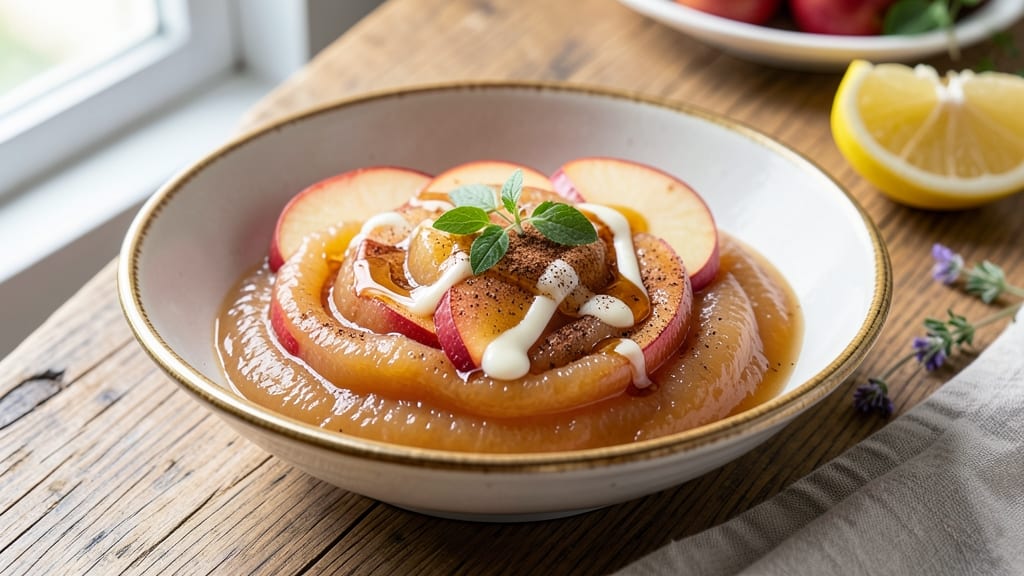
This quince and apple sauce recipe transforms two seasonal fruits into a fragrant, versatile condiment that keeps beautifully for months. The quince, with its natural pectin, creates a thick, glossy texture that pairs perfectly with apples' bright sweetness.
What makes this sauce special is how its complex flavors develop during the slow simmer—caramelized notes emerge that store-bought versions simply can't match.
The process is straightforward but requires patience: peeling, coring, and simmering the fruit until tender before blending creates that signature velvety consistency. Optional spices like cinnamon or vanilla add warmth, while a touch of lemon juice brightens the finished sauce.
This isn't just a topping—it's a pantry essential that elevates everything from toast to roasted meats.
What you'll end up with is a smooth, aromatic sauce that's rich enough for desserts but balanced enough for savory dishes. The quince's natural gelling properties mean it thickens as it cools, making it perfect for layering in pies or drizzling over yogurt.
With proper storage, this sauce stays fresh for weeks, giving you a homemade alternative to expensive specialty products.
Whether you're preserving the harvest or creating a gift-worthy condiment, this recipe delivers professional-quality results with simple techniques. The key is letting the flavors meld during the simmer—rushing this step means missing out on the sauce's full potential. Ready to make your pantry taste like autumn all year round?
Ingredients for quince apple sauce
Eight simple ingredients transform seasonal fruits into a velvety, aromatic sauce perfect for pantry staples.
| Ingredient | Amount | Notes |
|---|---|---|
| Quince Fruits 🍎 | 4 medium | Peeled, cored, quartered |
| Apples 🍎 | 4 medium | Sweet variety like Honeycrisp or Gala |
| Granulated Sugar 🍚 | ½ cup | Adjust to fruit sweetness |
| Water 💧 | 1 cup | For simmering |
| Lemon Juice 🍋 | 2 tbsp | Freshly squeezed |
| Ground Cinnamon 🌿 | 1 tsp | Optional for warmth |
| Vanilla Extract 🌸 | ½ tsp | Pure vanilla preferred |
| Salt 🧂 | ¼ tsp | Kosher or sea salt |
Quince is the star here—it's worth hunting down at specialty markets or Latin grocery stores (like H Mart or Whole Foods bulk section) for its natural pectin. The fruit should be firm but yielding to gentle pressure, with a golden hue. If you can't find quince, pears or Asian pears add a similar thickness, though the flavor will differ slightly. Apples should be sweet but not overly tart—Honeycrisp or Gala work perfectly, but avoid Granny Smith unless you want a sharper finish. For the sugar, I always use organic cane sugar for a cleaner taste, but regular granulated works just fine.
No quince? Extra pectin powder (about 1 tsp) can help replicate that signature texture, though it won't capture the quince's unique floral notes. For the apples, cooked applesauce from a jar can substitute in a pinch—just add 1 cup and reduce the water to ½ cup. The spices are flexible: cardamom or star anise add depth, while nutmeg brings warmth. If you're feeling adventurous, a pinch of saffron (soaked in 1 tbsp warm water) adds a luxurious touch. The lemon juice is non-negotiable—it brightens the sauce and prevents browning during storage.
This sauce thickens as it cools, so store it in a sealed glass jar with a thin layer of water or oil on top to preserve freshness. Keeps for up to 3 months in the fridge or 6 months in the freezer. I always make a double batch—one jar for the pantry, one to gift. For serving, let it come to room temperature first; the texture transforms from glossy to velvety. A drizzle over vanilla ice cream or a spoonful with aged cheddar makes it feel like a restaurant experience.
Why You'll Love This Recipe
- Here’s what sold me: I can make this with what’s already in my kitchen. No special tools, no waiting for seasonal ingredients. It’s my go-to when I need something quick but impressive—think holiday desserts, toast toppings, or even a fancy yogurt bowl.
- Fewer Ingredients, Bigger Payoff: I swear by this combo—just quince, apples, sugar, and a splash of lemon. No fancy spices or last-minute shopping. The quince’s natural tang and the apples’ sweetness do all the heavy lifting.
- Sweet-Tart Magic: That first spoonful? Chef’s kiss. The quince softens into a velvety texture while the apples keep it bright, and the lemon juice cuts through the richness like a refreshing twist. It’s the kind of flavor that lingers—without being overly sweet.
- Pantry Staple Power: Here’s what sold me: I can make this with what’s already in my kitchen. No special tools, no waiting for seasonal ingredients. It’s my go-to when I need something quick but impressive—think holiday desserts, toast toppings, or even a fancy yogurt bowl.
Step-by-step instructions for quince and apple sauce
Here's how to transform tart quince and sweet apples into a velvety, aromatic sauce perfect for desserts or savory dishes.
Prepare the Fruit for Cooking
Start by peeling the 4 medium quince fruits and the 4 medium apples using a sharp vegetable peeler or paring knife. Quarter each fruit, removing the core and any seeds. The quince will be particularly fibrous, so you may want to cut them into smaller pieces—about 1-inch chunks—to ensure even cooking. I like to work with a sharp knife for this step, as quince can be tough and requires a bit of force.
Place all the prepared fruit in a large, heavy-bottomed pot. The combination of quince and apples creates a perfect balance of floral notes from the quince and sweetness from the apples. Don't skip the peeling—it ensures a smooth texture in the final sauce. If you're using particularly ripe apples, you might want to slice them slightly thinner to help them break down faster during cooking.
Simmer with Water and Sugar
Add the 1 cup of water and 0.5 cup of granulated sugar to the pot with the fruit. Stir gently to combine, making sure the fruit is fully submerged. Bring the mixture to a boil over medium-high heat, then immediately reduce the heat to medium-low. Let it simmer uncovered for about 30 minutes, stirring occasionally to prevent sticking and ensure even cooking.
As it simmers, you'll notice the quince and apples begin to soften and release their juices. The sauce should reduce gradually, and you'll see the liquid turn into a thick, syrupy consistency. Resist the urge to add more water—this sauce thickens beautifully as it cooks, and any extra liquid will dilute the rich flavors. If you see the mixture getting too dry before the fruit is fully tender, add just 1-2 tablespoons of water at a time.
Add Aromatics and Finish Cooking
After 30 minutes of simmering, stir in the 2 tablespoons of freshly squeezed lemon juice, 1 teaspoon of ground cinnamon, 0.5 teaspoon of vanilla extract, and 0.25 teaspoon of salt. The lemon juice brightens the flavors, while the cinnamon and vanilla add warmth and depth. Let the sauce continue to simmer for another 20-25 minutes, or until the fruit is completely tender and the sauce has thickened to your desired consistency.
You'll know it's ready when the quince and apples mash easily between your fingers and the sauce coats the back of a spoon. The aroma should be rich and fragrant, with a perfect balance of sweet, tart, and spiced notes. If the sauce is still too thin, simmer it uncovered for another 5-10 minutes to reduce further. For a smoother texture, you can press the cooked fruit through a fine-mesh sieve, but I prefer to leave it slightly rustic for added character.
Cool and Store for Maximum Flavor
Remove the pot from heat and let the sauce cool to room temperature. As it cools, the flavors will meld even more deeply, and the texture will thicken slightly. Once cooled, transfer the sauce to airtight jars or containers. This sauce keeps well in the refrigerator for up to 2 weeks or can be frozen for up to 6 months, making it a fantastic pantry staple.
I like to use this sauce in a variety of ways—spread it on toast with a sprinkle of cinnamon, drizzle it over cheesecake, or even use it as a glaze for roasted meats. The quince adds a unique floral depth that elevates any dish it touches. If you find the sauce too thick after cooling, simply reheat it gently and stir in a splash of water or apple juice to reach your preferred consistency.
Pro Tips For Making Quince Apple Sauce
- PEEL QUINCES FIRST: Raw quince flesh is like sandpaper—no joke. I learned this after slicing my thumb open the first time. Peel them before cutting, and save yourself a trip to the ER.
- USE TART APPLES: Granny Smiths or Braeburns cut through quince’s cloying sweetness. I used Honeycrisp once and ended up drowning the sauce in extra lemon juice to fix it—don’t make my mistake.
- SIMMER LOW AND Slow: High heat turns quince into glue. Start with a rolling boil to soften, then drop to a bare simmer (think gentle bubbles, not frenzy). I rushed it once and got a sad, grainy mess.
- STRAIN IT TWICE: Quince fibers are stubborn. Run the cooked mixture through a fine-mesh sieve first, then press through a cheesecloth for silkiness. The extra effort makes all the difference when serving over ice cream.
Perfect pairings for this quince apple sauce
Sweet & Savory Pairings
This sauce shines on toasted brioche with a sprinkle of flaky sea salt—the buttery crust contrasts perfectly with the quince's floral notes. For a savory twist, drizzle over aged cheddar or Gouda to create a sweet-savory cheese board.
I love pairing it with sharp cheddar and prosciutto for a charcuterie spread that feels gourmet without effort. 🧀
Dessert Delights
Warm vanilla ice cream becomes extraordinary when topped with a spoonful of this sauce—add a pinch of cinnamon and a drizzle of honey for extra decadence. It also elevates pancakes or waffles by adding depth to your morning stack.
For a showstopper, layer it in mini cheesecakes or panna cotta to balance creamy textures with tart-sweet complexity.
Savory Glazes
Brush this sauce over roasted pork tenderloin or duck breasts during the last 10 minutes of cooking for a caramelized glaze. The quince's natural sugars create a beautiful sheen while adding floral complexity.
I also use it as a dipping sauce for fried chicken or donuts, where its thickness clings beautifully. 🍗
Baking & Pastry Uses
Fold this sauce into muffin or cake batters for moist, flavorful baked goods. It works especially well in apple crumb bars or pecan pie to enhance the fruit's natural sweetness.
For a quick dessert, spread it on store-bought cookies and bake until golden for a gourmet treat. The sauce's thickness prevents it from spreading too thin.
Drink Pairings
Sip chilled sparkling wine or dry cider alongside this sauce to balance its sweetness with acidity. For coffee lovers, stir a spoonful into hot or cold brew—it adds a unique floral depth that pairs surprisingly well.
Even black tea benefits from a drizzle, especially Earl Grey or chamomile for a cozy afternoon treat. ☕
Nutrition facts
Frequently asked questions
Why does quince need peeling before cooking?
Quince has a tough, fibrous skin that becomes bitter and chewy when cooked. Peeling it ensures a smooth, velvety texture in your sauce. The skin also contains natural tannins that can make the final product astringent—removing it lets the fruit's natural sweetness and floral notes shine through.
Can I substitute quince with another fruit?
Yes! If you can't find quince, try pears or Asian pears for thickness, though the flavor will differ. For a similar floral depth, use 1 cup unsweetened applesauce plus 1 tsp pectin powder to replicate the quince's natural gelling properties. The sauce will still be delicious but won't have the same signature texture.
How do I know when the sauce is done cooking?
The sauce is ready when the fruit is completely tender (about 50-60 minutes total simmering time) and the mixture coats the back of a spoon. You should also smell a rich, caramelized aroma with notes of cinnamon and vanilla. Press a piece of fruit between your fingers—if it mashed easily, it's done!
Can I make this sauce without sugar?
If your quince and apples are very ripe and sweet, you can reduce the sugar to 2-3 tablespoons or omit it entirely. Taste the fruit before cooking—if it's naturally sweet, the sauce will still develop depth from the caramelization during simmering. Just be prepared for a slightly tart finish.
Why does my sauce turn out runny after cooling?
Quince's natural pectin thickens as it cools, but if your sauce is too thin, it likely didn't simmer long enough. For a thicker consistency, simmer uncovered for 5-10 extra minutes or stir in 1 tsp cornstarch mixed with 1 tbsp water while reheating. Avoid adding more quince—it won't help the texture.