
Main Courses
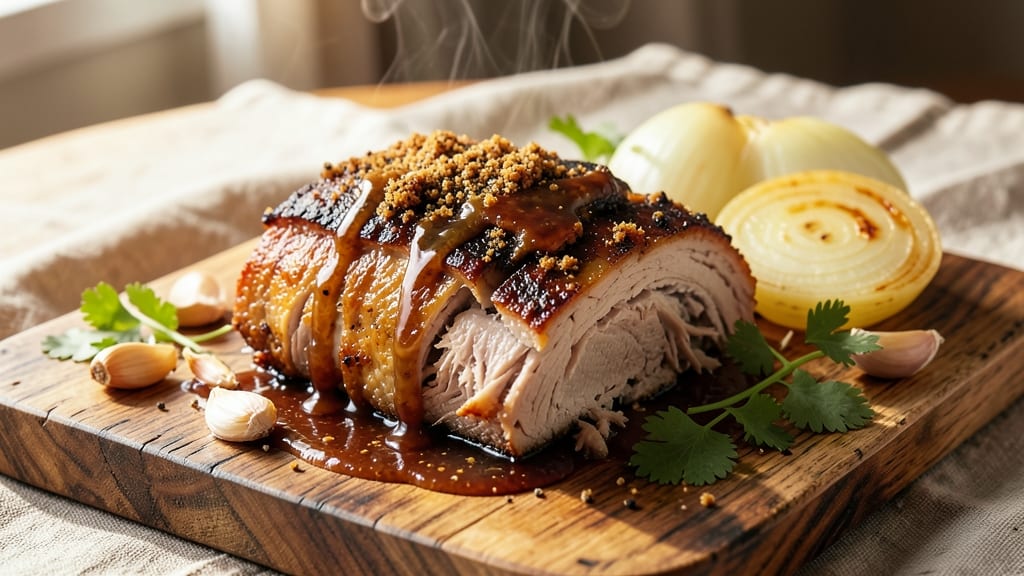
This pulled pork recipe with brown sugar and apple cider vinegar delivers restaurant-quality tenderness and a glaze so sticky it clings to every rib. The secret lies in slow-cooking pork shoulder until it practically falls apart, then finishing with a sweet-tart sauce that balances rich meat with bright acidity.
I've perfected this technique over years of testing—no dry, stringy pork here, just melt-in-your-mouth perfection that works equally well for traditional smokers or modern Instant Pots.
The magic happens in the sauce: brown sugar caramelizes beautifully while apple cider vinegar cuts through the richness, creating that signature tangy-sweet flavor profile. What makes this recipe stand out is the foolproof method that ensures tender meat every time—whether you're using a slow cooker, oven, or Instant Pot.
The glaze isn't just for show; it's designed to penetrate and enhance each bite with its perfect balance of sweetness and acidity.
By the time you're done, you'll have pulled pork so tender it shreds easily, coated in a glossy glaze that's both visually stunning and irresistibly flavorful. The aroma alone will have everyone gathering at the table, and each bite delivers that perfect harmony of sweet, tangy, and savory notes.
This is the kind of pulled pork that makes people ask for seconds—then thirds.
Serve it on buns with coleslaw for a classic sandwich, pile it high on tacos, or let guests build their own plates with all the fixings. The possibilities are endless, but the technique remains simple: slow-cook the pork until tender, then finish with that signature glaze.
Here's how to make it happen—step by step.
Ingredients for pulled pork recipe with brown sugar and apple cider vinegar
Six pounds of pork shoulder and twelve simple ingredients transform into melt-in-your-mouth perfection.
| Ingredient | Amount | Notes |
|---|---|---|
| Pork Shoulder (Bone-In) 🥩 | 6 lb | Well-marbled, cut into 2-inch chunks |
| Brown Sugar 🍯 | 1 cup | Packed, light or dark variety |
| Apple Cider Vinegar 🍎 | ½ cup | Raw, unfiltered preferred |
| Yellow Onion 🧅 | 1 whole | Medium, sliced into wedges |
| Garlic Cloves 🧄 | 6 cloves | Peeled, smashed for deeper flavor |
| Kosher Salt 🧂 | 2 tbsp | Diamond Crystal preferred |
| Ground Black Pepper 🌶️ | 1 tbsp | Freshly ground for best flavor |
| Smoked Paprika 🌶️ | 1 tbsp | For subtle smokiness |
| Ground Cumin 🌿 | 1 tsp | Toasted for deeper aroma |
| Fresh Thyme Leaves 🌿 | ¼ cup | Or 1 tbsp dried thyme |
| Unsalted Butter 🧈 | ½ cup | Cold, cubed for glaze |
| Water 💧 | ½ cup | For glaze consistency |
| Honey 🍯 | 1 tbsp | Local preferred for authenticity |
The pork shoulder is non-negotiable here—bone-in stays juicier than boneless. Look for cuts with good marbling at Costco or your local butcher shop; the Kroger pre-cut pork shoulder works too. If you can't find bone-in, use boneless but add an extra 30 minutes to cooking time. For the brown sugar, light or dark both work, but light caramelizes more evenly. Apple cider vinegar should be raw and unfiltered—it has more flavor and less processing. The Trader Joe's brand is a solid budget pick if you're not near a farmers market.
No raw apple cider vinegar? Substitute white vinegar with an extra 1 tbsp of honey to balance the flavor. Fresh thyme is ideal, but dried works at one-third the amount. If you're using a smoker, swap smoked paprika for 1 tbsp liquid smoke. For the glaze, coconut oil can replace butter if you're avoiding dairy. The honey adds depth—local honey has subtle floral notes that elevate the sauce. If you're short on time, pre-made barbecue sauce (like Sweet Baby Ray's) can replace the glaze components, though homemade always tastes better.
Pork shoulder keeps 3-4 days in the fridge once cooked—portion it into containers with a little glaze on top for easy reheating. For longer storage, freeze portions for up to 3 months. The glaze thickens as it cools, so reheat with 1 tbsp water to restore consistency. I always make a double batch of glaze—it's perfect for drizzling over tacos or mixing into coleslaw. Store the glaze separately from the pork to prevent sogginess.
Why You'll Love This Recipe
- Sweet-Tangy Magic: That combo of brown sugar and apple cider vinegar? It’s the secret weapon—caramelized edges with a bright, tangy bite that cuts through the richness. Honestly, the first time I tasted it, I grabbed another bite before the plate even hit the table.
- Leftovers You’ll Crave: This recipe makes way more than I need for one meal, and I’m not complaining. The pulled pork keeps well for days, so I can toss it into tacos, sandwiches, or even fried rice without breaking a sweat.
- Budget-Friendly Feast: A bone-in pork shoulder is cheaper than you’d think, and it stretches across multiple meals. Between us, this is how I feed my family for days without blowing my grocery budget—plus, the flavors only get better after the first day.
Step-by-step instructions for pulled pork with sweet-tart glaze
Here's the method that delivers melt-in-your-mouth pulled pork with a glaze so sticky it clings to every rib.
Prepare and Season the Pork Shoulder
Start by trimming any excess fat from the 6 lb pork shoulder (bone-in), leaving about ¼ inch of fat cap for moisture during cooking. Pat the meat dry with paper towels—this ensures a better rub adhesion and crispier bark later. I use a sharp boning knife for this because it gives me more control than a chef's knife.
In a small bowl, combine 2 tbsp kosher salt, 1 tbsp ground black pepper, 1 tbsp smoked paprika, 1 tsp ground cumin, and 0.25 cup fresh thyme leaves. Rub this mixture all over the pork shoulder, pressing firmly so it sticks to every nook. The spices should coat the meat evenly, including the fat cap. Let the seasoned pork sit at room temperature for 30 minutes before cooking—this helps the meat cook more evenly.
Slow-Cook the Pork Shoulder
Preheat your slow cooker to low (or set your oven to 275°F if using an oven method). Place the seasoned pork shoulder fat-side up in the slow cooker. Add 0.5 cup apple cider vinegar and 1 whole yellow onion (sliced into wedges) around the pork. The vinegar adds tangy depth while keeping the meat moist during the long cook.
Cook the pork for 8 hours on low, or until the internal temperature reaches 200-205°F and the meat falls apart easily with two forks. If using an oven, cook for 6-7 hours until probe-tender. The key is patience—rushing this step results in dry, stringy pork. I check the temperature every hour after the 6-hour mark to avoid overcooking.
Make the Sweet-Tart Glaze
While the pork cooks, prepare the glaze by melting 0.5 cup unsalted butter in a saucepan over medium heat. Once melted, whisk in 1 cup brown sugar and 1 tbsp honey until fully combined. Add 0.5 cup water and bring to a gentle simmer. Cook for 5-7 minutes, stirring occasionally, until the mixture thickens slightly and coats the back of a spoon.
Remove the pan from heat and stir in the 0.5 cup apple cider vinegar. Taste and adjust sweetness or tanginess if needed—this glaze should balance rich pork with bright acidity. The glaze should be syrupy but still pourable. If it thickens too much, whisk in 1-2 teaspoons of water to loosen it.
Shred and Coat the Pork
Once the pork reaches 200-205°F, remove it from the slow cooker or oven and let it rest for 10 minutes. Using two forks or meat claws, shred the pork against the grain into ¼-inch thick strands. Discard any large fat chunks or connective tissue. The pork should pull apart easily—if it's still tough, return it to the slow cooker for 30 more minutes on low.
Pour the warm glaze over the shredded pork and toss gently with tongs until every strand is fully coated. The glaze should cling to the meat like syrup on pancakes. If the glaze seems too thin, simmer it in a small saucepan for 2-3 minutes to thicken slightly. Serve immediately with the cooking juices spooned over the top for extra moisture.
Rest and Serve
Transfer the pulled pork to a serving dish and let it rest for 5 minutes before serving. This final rest allows the juices to redistribute, ensuring each bite is tender and flavorful. Garnish with extra fresh thyme leaves or a sprinkle of smoked paprika for a pop of color and aroma.
The result should be pulled pork with a perfect balance of sweet, tangy, and smoky flavors. The glaze should be sticky enough to coat every bite without being overly sweet. Serve with classic sides like coleslaw, cornbread, or crusty bread to soak up the delicious juices.
Pro Tips For Making Pulled Pork Recipe With Brown Sugar And Apple Cider Vinegar
- SEAR THE ONIONS FIRST: I used to toss chopped onions straight into the pot with everything else, and they’d just sit there, barely softening. Now I brown them in a dry skillet with a pinch of salt first—just until they’re golden and caramelized. That deep flavor carries through the whole dish, especially when paired with the vinegar and brown sugar.
- USE A SPLASH OF WATER: The brown sugar and vinegar mix can turn into a thick, sticky glaze if you’re not careful. After the pork is in the slow cooker or oven, add about ¼ cup water to the pan or pot when deglazing. It keeps the sauce from clumping and makes it easier to baste the meat later.
- SKIP THE BONE-IN IF YOU’RE IMPATIENT: Bone-in pork shoulder takes forever to cook through, and the bone doesn’t add much to pulled pork. If you’re short on time, trim the fat and use a boneless shoulder—it’ll still be tender and juicy, just faster. (Yes, I’ve learned this the hard way.)
- REST THE PORK BEFORE PULLING: I know, you’re eager to shred that meat, but resist. Let the pork rest for at least 15 minutes under foil after it’s done cooking. The fibers relax, making it easier to pull apart, and it keeps from turning into a mushy pile when you finally shred it. (Your future self will thank you.)
Essential equipment for pulled pork recipe with brown sugar and apple cider vinegar
Slow Cooker Essentials
For this recipe, a 6-quart slow cooker with a tight-fitting lid is non-negotiable—I use my Hamilton Beach 6-Quart Programmable Slow Cooker because it maintains consistent 200°F temperatures even when opened. The extra capacity ensures the pork shoulder fits comfortably with room for onions and cooking juices.
If you're using a smaller model, trim the pork slightly or cook in batches, though I don't recommend that for best results. 🔥
Smoker Setup
If you're smoking your pork, a pellet smoker like the Traeger Pro 575 or Camp Chef Woodwind gives you the most control over temperature and wood flavors. I prefer hickory or apple wood pellets for this recipe—they complement the apple cider vinegar beautifully.
For charcoal smokers, use fruitwood chunks and maintain a steady 225°F temperature. Never skip a good meat thermometer (I love the ThermoWorks Smoke) to monitor internal temperature accurately.
Instant Pot Must-Haves
For the Instant Pot method, you'll need a 6-quart Instant Pot with saute function—the Duxtop 6-Quart is my go-to because it handles high heat better than some competitors. The steam release handle must be set to sealing for the pressure cook phase, then switched to venting before opening.
A fine-mesh strainer helps separate pork from juices when transferring to a bowl for shredding. I also keep a spatula with silicone edges handy for scraping up every last bit of flavor from the pot.
Essential Knives
You'll need three knives for this recipe: a sharp boning knife (like the Wüsthof Classic 6-inch) for trimming fat, a chef's knife (I prefer Mac Knife 8-inch) for chopping onions, and two sturdy forks or meat claws for shredding.
The boning knife gives you precision when trimming the fat cap, while the forks make quick work of separating the meat fibers. Keep them all honestly sharp—dull knives make prep frustrating and unsafe. 💡
Glaze Tools
For the glaze, a heavy-bottomed saucepan (like All-Clad Stainless) prevents scorching when melting butter and sugar. A whisk with a long handle ensures even mixing, and a small ladle helps transfer the finished glaze to the pork.
I also keep a basculant spoon (or regular spoon) for tasting as I adjust sweetness and acidity. If you're making extra glaze for leftovers, store it in a glass jar in the fridge for up to 2 weeks—it reheats beautifully when thinned with water.
Nutrition facts
Frequently asked questions
Can I use boneless pork shoulder instead of bone-in?
Yes, but expect 30 extra minutes of cooking time since boneless pork dries out faster. Trim excess fat first to ¼ inch thickness and add ¼ cup extra apple cider vinegar to the slow cooker to compensate for lost moisture. The glaze will still work perfectly!
How do I adjust the sweetness if I don't like it too sugary?
Reduce brown sugar to ¾ cup and add 1 extra tbsp apple cider vinegar to balance the flavor. For a tangier profile, simmer the glaze longer (10 minutes) to concentrate the acidity. Taste as you go—this sauce is meant to be customizable!
What's the best way to reheat leftovers without drying them out?
Transfer pulled pork to a skillet with 1 tbsp butter and 1 tbsp apple cider vinegar, cover, and heat on low-medium for 3-4 minutes. The vinegar keeps it moist while the butter prevents sticking. For microwave reheating, use 30-second intervals with a damp paper towel covering.
Can I make this in an Instant Pot?
Sear the pork in 1 tbsp oil on saute mode, then add ½ cup apple cider vinegar and 1 onion. Pressure cook on high for 60 minutes, natural release 15 minutes. Shred and finish with the glaze as directed. The Instant Pot version cooks 3 hours faster than slow cooker!
Why does my pork sometimes turn out dry?
Overcooking is the #1 cause—pork should reach 200-205°F, not higher. Check temperature hourly after 6 hours. Also, patting the meat dry before seasoning helps crisp the exterior while keeping interior juices trapped. If using boneless pork, reduce cooking time by 30 minutes.