
Main Courses
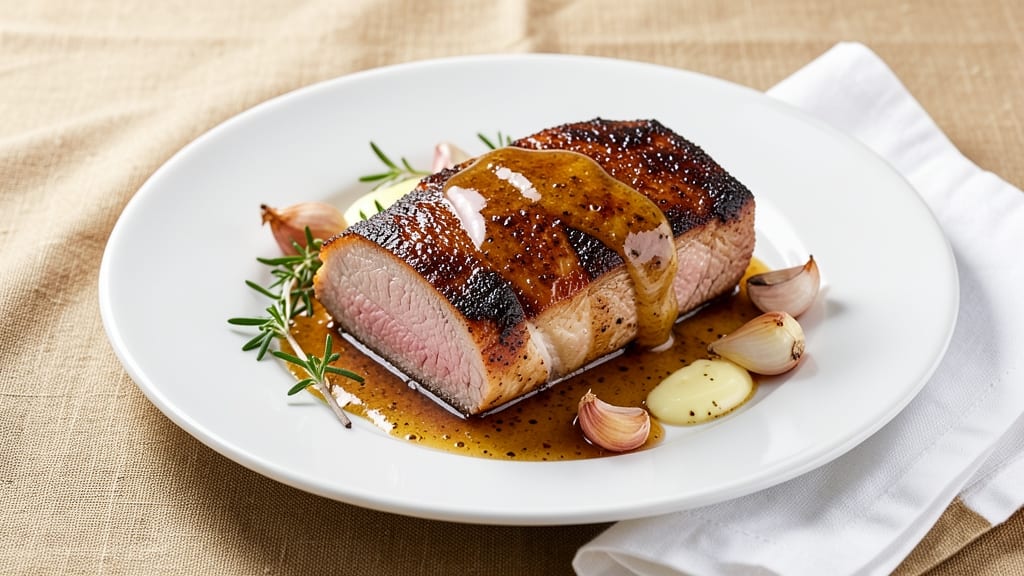
This pork tenderloin recipe with apple juice transforms a simple protein into melt-in-your-mouth perfection—juicy, caramelized, and bursting with natural sweetness. 💛 The secret lies in marinating the pork in apple juice overnight, which tenderizes the meat while infusing it with subtle fruit notes that balance the savory flavors.
I first discovered this technique while cooking for a Boston family gathering, where the apple juice turned a basic roast into the star of the meal.
The magic happens in 30 minutes of active cooking time, where you sear the pork to lock in juices, then braise it in the same apple juice marinade until fork-tender. This method works wonders with lean cuts, ensuring your pork stays moist and flavorful without drying out.
The apple juice also creates a glossy, caramelized crust that makes every bite irresistible.
What you'll end up with is restaurant-quality pork that's perfect for weeknight dinners or special occasions—juicy, tender, and infused with just the right amount of fruity brightness. The sauce reduces into a sticky glaze that clings beautifully to the meat, adding depth with herbs and spices.
This recipe proves that simple ingredients can yield extraordinary results with the right technique.
Pair with roasted root vegetables or a crisp green salad to complete the meal. The apple juice marinade doubles as a sauce, making cleanup effortless and leftovers even more delicious the next day. Let's get cooking!
Ingredients for pork tenderloin recipe with apple juice
Pantry staples and a few fresh herbs elevate this restaurant-quality pork tenderloin.
| Ingredient | Amount | Notes |
|---|---|---|
| Pork Tenderloin 🥩 | 1 ½ lb | Center-cut, trimmed of fat |
| Unsalted Butter 🧈 | 2 tbsp | For searing, high smoke point |
| Apple Juice 🍎 | 1 ½ cups | Unfiltered, no added sugar |
| Fresh Thyme Leaves 🌿 | ½ tsp | Dried works at one-third amount |
| Fresh Rosemary 🌿 | 1 tbsp | Finely chopped, fresh preferred |
| Garlic Cloves 🧄 | 4 cloves | Minced, fresh preferred |
| Kosher Salt 🧂 | 1 ½ tsp | Diamond Crystal preferred |
| Ground Black Pepper 🌶️ | ½ tsp | Freshly cracked preferred |
| Olive Oil 🫒 | 1 tbsp | Extra-virgin for richness |
| Brown Sugar 🍯 | 1 tbsp | Light or dark, packed |
| Balsamic Vinegar 🍷 | 1 tbsp | Aged for depth of flavor |
| Fresh Parsley 🌿 | ¼ cup | Chopped, for garnish |
The pork tenderloin should be center-cut and trimmed of any visible fat—this ensures even cooking and a tender bite. Whole Foods or Trader Joe's carry excellent cuts, but most grocery stores stock them too. Look for a piece with good marbling, though lean is ideal for this recipe. The apple juice is non-negotiable—unfiltered, unsweetened varieties like those from Mott's or Tree Top work best, as they retain more natural depth. Fresh herbs are worth the splurge here; dried substitutes work in a pinch but lack the aromatic complexity.
No fresh thyme? Dried thyme at one-third the amount will suffice, but the flavor won't be as bright. Substitute dried rosemary at half the quantity if needed, though fresh is ideal for its piney aroma. Running low on apple juice? Unsweetened white grape juice or cranberry juice can mimic the fruity sweetness, though the texture of the glaze will differ slightly. The balsamic vinegar adds a tangy depth—aged balsamic from Giovanni Rossi or Balsamic Vinegar of Modena elevates the dish, but any high-quality balsamic will do. For a quicker prep, pre-mince the garlic and chop the herbs ahead of time.
Marinate the pork overnight for maximum tenderness, but if short on time, 2 hours minimum still yields excellent results. Store leftover pork in an airtight container with a splash of its braising liquid to retain moisture—it reheats beautifully and tastes even better the next day. The glaze keeps for 3 days refrigerated or 3 months frozen. Garnish with fresh parsley just before serving to preserve its vibrant color and fresh aroma. This dish pairs perfectly with roasted root vegetables or a crisp arugula salad for a well-rounded meal.
Why You'll Love This Recipe
- Minimal Chopping Required: I swear by this—no fancy knife work, just a quick trim of the fat cap and you’re done. The apple juice does all the heavy lifting by keeping things tender without extra fuss.
- Sweet-Savory Magic: That first sip of apple juice caramelizing in the pan? Pure flavor gold. The thyme and rosemary add earthy depth, but the pork stays juicy—crispy outside, melt-in-your-mouth inside.
- Weeknight to Dinner Party: Same recipe, different vibes. Toss it on the table with roasted potatoes for a lazy Tuesday or elevate it with a red wine reduction for guests. The rosemary alone makes it feel special.
- Leftovers That Don’t Suck: Between us, most pork leftovers turn into sad desk lunches. Not this. Slice it thin, reheat with a splash of apple juice, and it’s just as good the next day—better, even. Budget win.
Step-by-step instructions for apple-braised pork tenderloin
Here's the method for juicy, perfectly braised pork that stays tender and absorbs all those fruity, herby flavors.
🔥 Step 1: Sear the Pork Tenderloin for Maximum Flavor
Heat a heavy skillet over medium-high heat until hot. Add the 1 tablespoon olive oil and swirl to coat. Pat the 1.5 lb pork tenderloin completely dry with paper towels—this ensures a proper sear. Season generously with 1.5 teaspoons kosher salt and 0.5 teaspoon ground black pepper on all sides.
Place the pork in the skillet and sear for 3-4 minutes per side until golden brown with crispy edges. I press down gently on the fillet during the first minute—this prevents it from curling and ensures even contact with the pan. Remove the pork and set it aside on a plate, leaving all the rendered juices in the pan. This sear builds flavor and locks in moisture.
🍳 Step 2: Build the Apple-Balsamic Braising Liquid
Reduce the heat to medium and add the 2 tablespoons unsalted butter to the same skillet. Let it melt completely, then add the 4 minced garlic cloves and cook for 30 seconds until fragrant—don't let it brown or it'll turn bitter. Stir in the 1 tablespoon finely chopped fresh rosemary and 0.5 teaspoon fresh thyme leaves, cooking for another 30 seconds to release their aromas.
Pour in the 1.5 cups apple juice, scraping up any browned bits from the bottom of the pan. These bits, called fond, are packed with flavor. Add the 1 tablespoon brown sugar and 1 tablespoon balsamic vinegar, then bring the mixture to a gentle simmer. The liquid should reduce slightly and develop a glossy sheen—this is when it's ready for the pork.
🥘 Step 3: Braise Until Fork-Tender
Return the seared pork tenderloin to the skillet, nestling it into the braising liquid. Spoon the liquid over the pork to ensure it's fully submerged. Cover the skillet with a lid and transfer it to a preheated 325°F oven. Braise for 20-25 minutes until the pork reaches an internal temperature of 145°F and a knife slides in easily.
Here's the thing—don't peek under the lid. Every time you lift it, you let heat escape and increase cooking time. Instead, trust your thermometer. The pork should be fork-tender with a beautiful caramelized exterior from the braising liquid. If the liquid reduces too much before the pork is done, add 2-3 tablespoons water to maintain moisture.
🔪 Step 4: Rest and Garnish for Presentation
Remove the pork from the oven and transfer it to a cutting board. Tent loosely with foil and let it rest for 5-10 minutes. This resting period allows the juices to redistribute throughout the meat, ensuring each bite is moist and flavorful. Real talk: Skipping this step means dry, stringy pork—don't skip it (I learned the hard way).
While the pork rests, skim any excess fat from the braising liquid and spoon it over the pork. Garnish with the 0.25 cup chopped fresh parsley for a pop of color and freshness. Slice the pork into ½-inch thick medallions and serve immediately with the braising sauce spooned over the top. The result should be tender, juicy pork with a beautiful balance of sweet, tangy, and herby flavors.
Pro Tips For Making Pork Tenderloin Recipe With Apple Juice
- USE A THERMOMETER: I learned this the hard way—pork tenderloin looks done when it’s still 140°F. Pull it at 145°F (150°F if you prefer it extra-safe), and let it rest. That apple juice pan sauce won’t wait forever, so don’t overcook the meat just to rush the plating.
- SALT THE PORK FIRST: This isn’t just seasoning—it’s flavor insurance. Generously salt the tenderloin at least 30 minutes before cooking (or overnight if you’re planning ahead). The salt draws out moisture, which crisps beautifully when you sear it, and the apple juice later won’t need to carry all the flavor.
- DEGLAZE HOT: After searing the pork, don’t let the pan cool down to add the apple juice. Splash it in while the pan is still smoking hot—this lifts all those browned bits (the good stuff) into the sauce. If you wait, you’ll end up with a thin, watery glaze instead of a rich reduction.
- STRAIN THE THYME: Fresh thyme leaves add aroma, but the stems? They turn the sauce bitter faster than you’d think. Give the thyme a quick rinse, then strip the leaves off the stems before tossing them into the pan. Your sauce will stay bright and herbaceous, not muddy. (Yes, even if you’re impatient like me.)
Best sauces and condiments for this recipe
Apple-Balsamic Glaze
The star sauce here is the apple-balsamic glaze that braises the pork—it’s where all the magic happens. The 1.5 cups apple juice reduces into a glossy, caramelized sauce that clings beautifully to the meat, balancing sweetness with the tang of 1 tablespoon balsamic vinegar.
I recommend using aged balsamic from brands like Giovanni Rossi for that deep, complex flavor. The 1 tablespoon brown sugar helps deepen the caramelization, while the fresh rosemary and thyme add aromatic depth. 🍏
Herb-Infused Butter Sauce
For a richer finish, try this herb-infused butter sauce—it’s a game-changer. Melt 2 tablespoons unsalted butter in a small saucepan, then whisk in 1 tablespoon minced garlic, 1 tablespoon chopped fresh rosemary, and a pinch of kosher salt.
Simmer for 1-2 minutes until fragrant, then drizzle over sliced pork. The butter adds a velvety texture that complements the tangy glaze. I love this when serving to guests who prefer a lighter touch but still want big flavor. 🧈
Mustard Cream Sauce
Add a touch of brightness with a Dijon mustard cream sauce. Whisk together ¼ cup heavy cream, 1 tablespoon Dijon mustard, 1 teaspoon apple juice, and ½ teaspoon honey until smooth. Thin with a splash of warm water if needed, then drizzle over the pork.
The mustard cuts through the richness, while the honey echoes the apple’s sweetness. This sauce is perfect for balancing the braised flavors and adding a creamy contrast. 🌟
Spiced Apple Cider Reduction
For a seasonal twist, reduce 1 cup apple cider with 1 cinnamon stick, 2 star anise pods, and 1 strip orange peel until syrupy. Strain out the spices, then whisk in 1 tablespoon balsamic vinegar and 1 teaspoon brown sugar.
This warm, spiced sauce adds a cozy, autumnal note that pairs beautifully with the pork. It’s especially great for holiday dinners or chilly evenings. 🍂
Garlic-Herb Compound Butter
No sauce? No problem. A simple garlic-herb compound butter works wonders. Mix ¼ cup softened butter with 1 tablespoon minced garlic, 1 tablespoon chopped parsley, ½ teaspoon kosher salt, and a pinch of black pepper.
Roll into a log, chill until firm, and slice onto the pork just before serving. It melts into the meat, adding a burst of fresh, herby flavor without overpowering the apple-balsamic glaze. 🥄
Pan Sauce Upgrade
Save the fond (browned bits) from searing the pork—they’re packed with flavor! Deglaze the pan with ¼ cup apple juice and 1 tablespoon balsamic vinegar, then reduce by half. Stir in 1 tablespoon cold butter to finish, creating a quick, rich pan sauce.
This method uses every bit of flavor from the cooking process, making it both efficient and delicious. 💡
Nutrition facts
Frequently asked questions
Can I substitute apple juice with another liquid?
Yes, but choose wisely! For similar sweetness, use unsweetened white grape juice or cranberry juice cocktail. For a tangier profile, try dry red wine (reduce by half first) or apple cider with a splash of vinegar. Avoid citrus juices—they can make the pork tough. The key is balancing sweetness with acidity to tenderize the meat.
How do I keep the pork tenderloin from drying out?
Don't skip the marinade or resting time! The apple juice marinade works overnight to break down fibers, while the 10-minute rest after cooking lets juices redistribute. Also, never overcook—pork tenderloin is done at 145°F internal temp. If your oven runs hot, tent the pan with foil during braising to slow moisture loss.
What's the best way to reheat leftovers?
Reheat gently in the oven at 300°F for 10-15 minutes with a splash of apple juice or broth to keep it moist. Microwaving works in a pinch (cover with damp paper towel, 30-second intervals), but the texture won't be as perfect. For best results, store leftovers with some of the braising liquid in an airtight container.
Can I make this recipe without an oven?
Use a stovetop method: After searing, add the braising liquid and simmer covered on low heat for 30-40 minutes, checking occasionally to add water if needed. The pork will be just as tender—just monitor the liquid level closely. A cast-iron skillet works best for even heat distribution.
What sides pair best with this dish?
Roasted root vegetables (carrots, parsnips, sweet potatoes) or mashed potatoes complement the sweet-tangy flavors beautifully. For a lighter option, try a crisp arugula salad with lemon vinaigrette. The herby notes in the pork also pair wonderfully with creamy polenta or buttery egg noodles. Don't forget fresh bread to soak up that delicious glaze!