
Main Courses
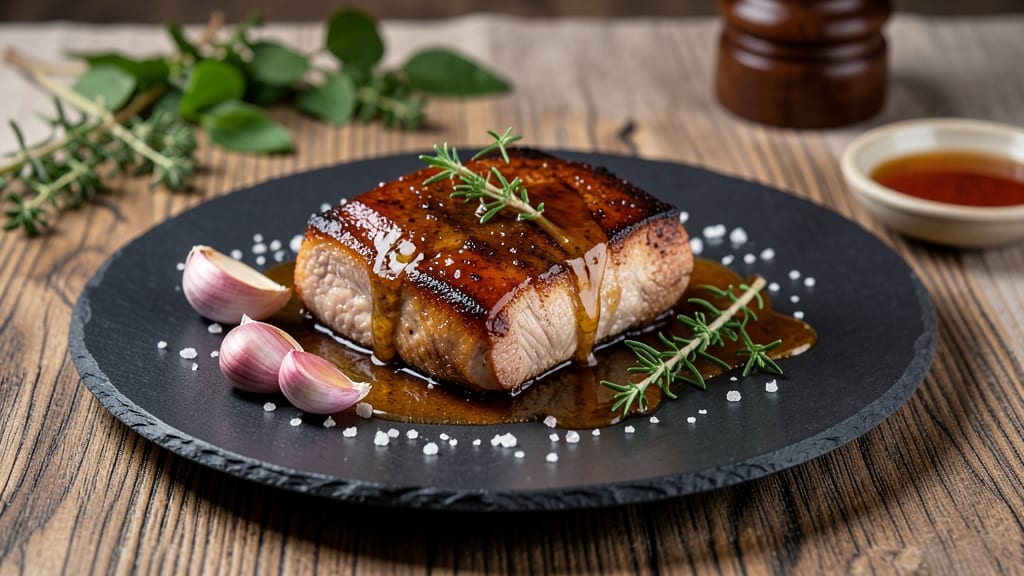
This pork tenderloin recipe with apple cider vinegar transforms a simple protein into a restaurant-worthy centerpiece—tender, juicy, and brimming with bright, balanced flavor. 🔥 The acidity of the vinegar tenderizes the meat while adding a subtle tang that cuts through the richness, creating a dish that’s foolproof yet impressive.
I first discovered this technique while trying to revive leftover pork, and it became my go-to method for weeknight dinners that feel special.
The magic happens in the marinade, where apple cider vinegar works its magic alongside garlic, thyme, and a touch of honey to create a harmony of sweet, savory, and acidic notes.
You’ll sear the pork to lock in juices, then braise it just enough to melt the edges into perfect tenderness—all in under 30 minutes. No fancy equipment or long prep time required, just a cast-iron skillet and patience for the final resting period.
By the time you plate it, you’ll have slices that practically fall apart at the touch, glistening with a glossy sheen from the reduced marinade. The aroma alone—warm spices mingling with vinegar’s bright tang—will have everyone at the table asking for seconds.
Serve it with roasted root vegetables or a crisp green salad to let the pork shine without competition. This recipe scales effortlessly for a crowd, and the leftovers reheat beautifully for lunches the next day.
Trust me, once you taste the difference the apple cider vinegar makes, you’ll never cook pork tenderloin the old way again.
Ingredients for pork tenderloin recipe apple cider vinegar
Bright vinegar, tender meat, and simple spices—this is your shortcut to restaurant-quality pork tenderloin.
| Ingredient | Amount | Notes |
|---|---|---|
| Pork Tenderloin 🥩 | 1 ½ lb | Center-cut, trimmed of fat |
| Apple Cider Vinegar 🍏 | ½ cup | Raw, unfiltered preferred |
| Garlic Cloves 🧄 | 6 cloves | Minced or finely chopped |
| Fresh Thyme 🌿 | 2 tbsp | Leaves only, chopped fine |
| Honey 🍯 | 2 tbsp | Wildflower or clover preferred |
| Olive Oil 🫒 | 2 tbsp | Extra-virgin for searing |
| Salt 🧂 | 1 ½ tsp | Diamond Crystal kosher |
| Black Pepper 🌶️ | ½ tsp | Freshly cracked |
| Low-Sodium Chicken Broth 💧 | ½ cup | Homemade or quality store-bought |
| Fresh Rosemary 🌿 | 1 tbsp | Chopped, stems removed |
| Butter 🧈 | 2 tbsp | Unsalted, cubed |
| Dijon Mustard 🍯 | 1 tsp | Mild or medium heat |
The pork tenderloin makes this dish shine, so pick a center-cut piece—it's more tender and holds up better to braising. Most grocery stores carry it pre-trimmed, but if you're buying a whole tenderloin, trim off any silver skin or excess fat. Costco and Whole Foods usually have the best quality, but even the regular supermarket cut works if it's fresh. Look for meat with good marbling—it'll stay juicier. The apple cider vinegar? Raw, unfiltered brands like Braggs add more depth than the pasteurized kind. If you can't find it, white wine vinegar in a pinch, but you'll lose that subtle apple flavor.
No fresh thyme? Dried works at half the amount, but it's worth hunting down at a specialty store or farmers market. The honey should be raw if possible—Trader Joe's carries great options for a reasonable price. Short on chicken broth? Water plus a bouillon cube gets you close, but add a pinch of sugar to mimic the depth. The Dijon mustard adds a little kick—if you don't have any, yellow mustard in a pinch, though it's less refined. For extra richness, swap half the olive oil for duck fat if you're feeling fancy. And trust me on the butter at the end—it's what makes those last braising minutes magical.
This dish reheats beautifully—3-4 days in the fridge or 3 months frozen. I always make double because leftovers taste even better the next day. For freezing, let it cool completely first, then portion into airtight containers with a little extra braising liquid. The pork stays tender when reheated gently in a skillet with a splash of water. Store the marinade separately if you want to use it for another protein later—it keeps for 1 week in the fridge. The herbs? Fresh thyme and rosemary last about 5 days wrapped in damp paper towels.
Why You'll Love This Recipe
- No-Fuss Prep: I swear by this one—just sear the pork, toss it in a bowl with vinegar, honey, and minced garlic, then bake. No marinating overnight, no fancy techniques. My kids can handle it.
- Sweet-Tangy Magic: That apple cider vinegar and honey combo? It’s the secret weapon—tender pork with a glossy crust that’s bright, slightly sweet, and just sharp enough to wake up every bite. The thyme ties it all together like a hug.
- Leftovers That Don’t Suck: Between us, most pork leftovers turn dry. Not this. Slice it thin, toss with a little extra vinegar drizzle, and it’s still juicy the next day. I meal prep two portions every time—lunches sorted.
- Budget Crowd-Pleaser: Pork tenderloin feeds four for under $15, and the vinegar/honey glaze makes it feel special. No one guesses it’s a weeknight dinner. Honestly, my in-laws think I hired a chef.
Step-by-step instructions for braised pork tenderloin
Here's how to transform simple ingredients into melt-in-your-mouth pork tenderloin with tender, juicy results every time.
🔥 Step 1: Sear the Pork Tenderloin to Lock in Juices
Heat a large skillet over medium-high heat and add 2 tablespoons olive oil. Once the oil shimmers, add the 1.5 lb pork tenderloin and sear for 2-3 minutes per side until it develops a deep golden brown crust. This step is crucial—it creates a flavorful barrier that keeps the juices inside during braising.
I press down gently on the tenderloin during the first minute to prevent it from curling and ensure even contact with the pan. You'll know it's ready when the edges release easily from the skillet. Transfer the seared pork to a plate and set aside—don't cut it yet, as we'll be braising the whole piece.
👨🍳 Step 2: Build the Flavorful Braising Liquid
In the same skillet, reduce heat to medium and add 6 cloves minced garlic. Sauté for 30 seconds until fragrant—don't let it brown or it'll turn bitter. Add 1 tablespoon fresh rosemary and 2 tablespoons fresh thyme, stirring for another 15 seconds to release their aromas.
Pour in the 0.5 cup apple cider vinegar and scrape up any browned bits from the bottom of the pan. These bits pack serious flavor, so don't miss this step. Add 2 tablespoons honey and 1 teaspoon Dijon mustard, stirring to combine. Let the mixture simmer for 2 minutes until slightly reduced and syrupy.
🥘 Step 3: Braise Until Fork-Tender
Return the pork tenderloin to the skillet and pour in the 0.5 cup low-sodium chicken broth. Add 1.5 teaspoons salt and 0.5 teaspoon black pepper, then bring the liquid to a gentle simmer. The liquid should come about halfway up the sides of the tenderloin—if it's too shallow, add a splash of water.
Cover the skillet with a lid and transfer to a 350°F oven. Braise for 20-25 minutes until the pork reaches 145°F internally and is fork-tender. Here's the thing—pork tenderloin cooks quickly, so start checking at the 20-minute mark. If it's still firm, give it another 5 minutes.
⏰ Step 4: Finish with Butter for Richness
Once the pork is tender, remove it from the skillet and transfer to a cutting board. Let it rest for 5 minutes—this allows the juices to redistribute so each bite stays moist. Meanwhile, increase the heat under the braising liquid to medium-high and add 2 tablespoons butter.
Simmer for 1-2 minutes until the butter melts and the sauce thickens slightly. If the sauce is too thin, simmer uncovered for another minute to reduce it. Spoon the sauce over the sliced pork before serving—this ensures each bite gets that rich, flavorful coating.
Pro Tips For Making Pork Tenderloin Recipe Apple Cider Vinegar
- SEAR FIRST, THEN BASTE: The vinegar and honey marinade is delicious, but don’t skip the initial sear—it locks in flavor and keeps the meat from drying out. After patting the tenderloin dry, hit it with high heat in a hot pan for 2-3 minutes per side before adding the vinegar mixture. (Yes, even if you’re impatient like me.)
- USE RAW GARLIC, NOT MINCED: I learned this the hard way—pre-minced garlic burns fast and turns bitter in the vinegar. Smash 3-4 cloves with the flat side of your knife instead, then let them sit in the vinegar mixture for 10 minutes before cooking. The flavor melds deeper, and you won’t taste the sharpness of overcooked garlic.
- DON’T OVERCOOK THE VINEGAR: Apple cider vinegar evaporates faster than you think, especially when searing. Start with ¼ cup and reduce heat to medium after adding it to the pan—if it boils wildly, you’ll lose the sweet-tart balance. A gentle simmer is all you need to coat the meat, not a raging pot of acid.
- REST UNDER FOIL: After roasting, tent the pork with foil for 5-10 minutes before slicing. I used to skip this, and the meat would dry out by the time I served it. The residual heat keeps it juicy, and the foil traps just enough moisture to make the slices tender. (Your future self will thank you.)
Serving suggestions for this pork tenderloin recipe apple cider vinegar
Classic Roasted Roots
Sweet potatoes and carrots roasted with 1 tablespoon olive oil, ½ teaspoon cinnamon, and ½ teaspoon salt at 400°F for 25 minutes make the perfect foil for your pork.
Their caramelized edges soak up the pork's braising sauce beautifully. I like to toss them with 1 teaspoon maple syrup for extra depth—just drizzle it on after roasting. 🍠
Crisp Green Salad
A mixed greens salad with 1 tablespoon apple cider vinegar, 2 tablespoons extra-virgin olive oil, and 1 teaspoon Dijon mustard mirrors the pork's flavors while adding freshness. Top with ¼ cup toasted walnuts and 2 tablespoons crumbled goat cheese for texture. The vinegar ties the dish together beautifully.
Herbed Couscous
For a lighter side, cook 1 cup Israeli couscous with 1 cup chicken broth, then fluff with 1 tablespoon chopped fresh parsley and ½ teaspoon lemon zest.
The couscous absorbs the pork's juices, making each bite flavorful. I often add 1 tablespoon chopped mint for a bright finish that cuts through the richness. ✨
Apple-Cider Glaze
Simmer ¼ cup apple cider vinegar, 2 tablespoons honey, and 1 teaspoon Dijon mustard until reduced by half. Drizzle this glossy glaze over sliced pork right before serving—it adds a sweet-tangy contrast that elevates the dish instantly.
This takes just 5 minutes and feels like a restaurant touch. 🍏
Polenta Comfort
Creamy polenta cooked with 2 cups whole milk and ½ teaspoon nutmeg provides a hearty base. Stir in 2 tablespoons butter and ¼ cup grated Parmesan at the end. The nutmeg complements the pork's thyme and rosemary notes perfectly, while the polenta soaks up any extra braising sauce. 🧈
Garnish Like a Pro
Finish your plate with chopped fresh thyme sprigs and a sprinkle of flaky sea salt for a pop of color and texture. A few toasted pumpkin seeds add crunch, while a drizzle of extra-virgin olive oil ties everything together.
These simple garnishes make your dish look as good as it tastes. 💫
Nutrition facts
Frequently asked questions
Can I use white wine vinegar instead of apple cider vinegar?
White wine vinegar works in a pinch, but you'll lose the subtle apple flavor that makes this recipe special. The natural sweetness and depth of apple cider vinegar balance the pork's richness better, plus it adds a lovely aroma. If you're out of apple cider, try a mix of ¼ cup apple juice with ¼ cup white wine vinegar for a closer approximation.
How do I know when the pork tenderloin is fully cooked?
Use a meat thermometer to check the internal temperature—it should reach 145°F at the thickest part. The pork will also feel fork-tender when pierced with a knife. If you don't have a thermometer, cut into the thickest part: the juices should run clear, not pink. Overcooking can make it dry, so pull it out just when it reaches temperature.
Can I make this recipe in a slow cooker?
Yes! Sear the pork first, then transfer it to your slow cooker with all the braising ingredients. Cook on low for 4-5 hours or high for 2-3 hours until tender. The slow cooker method works well for larger cuts or if you're short on time. Just add a splash of broth if the liquid seems too thin during cooking.
Why does the recipe call for resting the meat?
Resting lets the juices redistribute throughout the pork instead of pouring out when you slice. If you skip this step, your meat will be drier. For pork tenderloin, 5 minutes is perfect—long enough to relax the muscle fibers but not so long that it gets cold. Cover it loosely with foil while resting to keep it warm.
What's the best way to store leftovers?
Slice the pork and store it in an airtight container with some of the braising sauce. It keeps well in the fridge for 3-4 days or freezes for 3 months. To reheat, warm gently in a skillet with a splash of water or broth over medium-low heat until heated through. Never microwave—it makes the meat tough.