
Main Courses
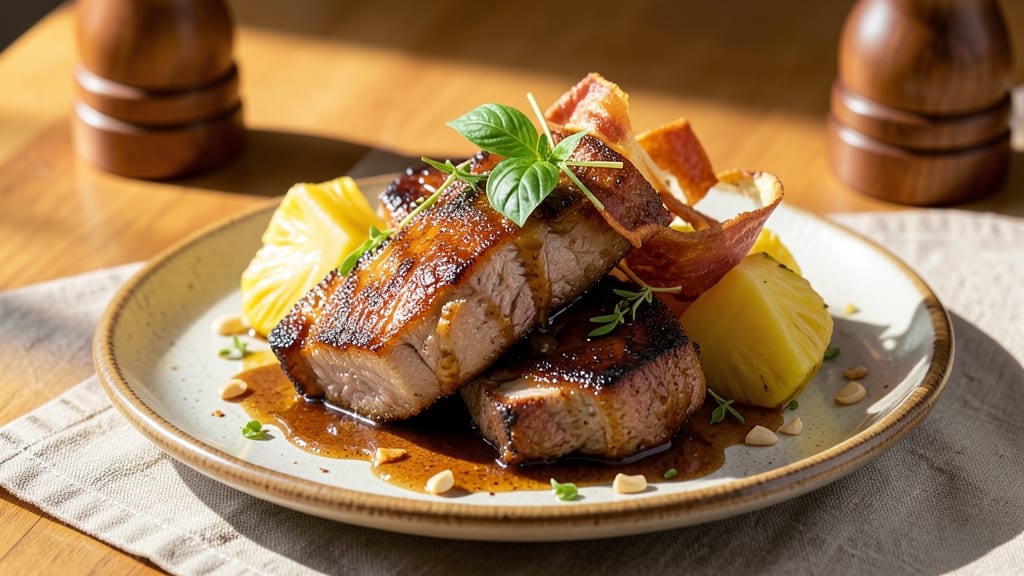
This Filipino pork pineapple recipe delivers the perfect balance of crispy edges and juicy meat, where sweet pineapple meets savory-sour depth. 🌟 The secret lies in marinating pork shoulder with soy sauce, calamansi, and garlic—transforming tough cuts into melt-in-your-mouth perfection.
I’ve perfected this dish over years of testing, ensuring the meat stays tender while developing a caramelized crust that’s irresistibly crispy.
The magic happens in two stages: first, a slow braise to tenderize the meat, then a quick sear to lock in juices and create that coveted crispy exterior. Fresh pineapple isn’t just a garnish—it’s the star, its natural acidity cutting through the richness while adding a bright, tropical sweetness.
This isn’t your average pork dish; it’s a celebration of Filipino flavors, where every bite tells a story of balance and technique.
By the time you serve it, you’ll have golden-brown pork with a glossy sheen, chunks of tender meat that fall apart easily, and pineapple pieces that stay juicy and vibrant. The aroma alone—smoky, garlicky, with a hint of citrus—will have everyone gathering at the table.
Serve it over steamed rice to soak up every last drop of that sticky, flavorful sauce.
This recipe is more than just a meal; it’s a taste of home, a dish that brings people together. Whether you’re cooking for family or impressing guests, the crispy edges and juicy meat will make it a standout. Let’s get started—your taste buds won’t regret it.
Ingredients for pork pineapple recipe filipino
Sweet pineapple, savory pork, and tangy citrus—this Filipino masterpiece delivers crispy edges and melt-in-your-mouth juiciness every time.
| Ingredient | Amount | Notes |
|---|---|---|
| Pork Shoulder 🥓 | 2 lb | Bone-in for flavor, cut into 2-inch chunks |
| Fresh Pineapple 🍍 | 2 cups | Cubed, fresh or canned in juice |
| Soy Sauce 🥄 | ½ cup | High-quality, like Kikkoman |
| Calamansi Juice 🍋 | ¼ cup | Substitute lime juice if unavailable |
| Garlic Cloves 🧄 | 8 cloves | Minced, fresh for best flavor |
| Brown Sugar 🍚 | ⅓ cup | Light or dark, packed |
| Olive Oil 🫒 | 2 tbsp | Extra-virgin for high-heat searing |
| Black Peppercorns 🌶️ | 1 tsp | Freshly cracked, coarse grind |
| Bay Leaves 🌿 | 2 whole | Dried, for deep aroma |
| White Vinegar 💧 | 1 tbsp | For tangy balance |
| Unsalted Butter 🧈 | 2 tbsp | For crispy finish, cold |
| Long-Grain White Rice 🍚 | 2 cups | Uncooked, for serving |
| Salt 🧂 | 1 ½ tsp | Kosher or sea salt |
The pork shoulder makes this dish—bone-in for flavor, cut into 2-inch chunks so they stay tender. Grab the thick-cut kind from the butcher section, not pre-sliced deli meat. Filipino markets often carry it pre-cut, but most grocery stores will slice it fresh. For extra tenderness, pound the chunks slightly before cooking. The pineapple should be fresh—canned works in a pinch, but the texture and sweetness are worlds apart. Look for yellow with red spots at the store; those are the sweetest. If using canned, drain well and pat dry to avoid soggy meat.
No calamansi? Lime juice works perfectly, though it’s milder. The soy sauce should be dark for deeper flavor—Lee Kum Kee or Kikkoman are my go-tos. Brown sugar adds caramelization, but white sugar in a pinch won’t ruin it. For the garlic, fresh is non-negotiable—pre-minced loses flavor fast. If you’re short on time, smash the cloves with the flat side of your knife instead of mincing. The butter at the end is key for crispy edges—use unsalted so you control the seasoning. No butter? Olive oil works, but the flavor won’t be as rich.
Marinate the pork for at least 4 hours (overnight is best)—this is where the magic happens. Store leftovers in the fridge for up to 3 days, or freeze for 3 months in an airtight container. The sauce thickens as it cools, so add a splash of water when reheating. Serve over steamed rice—it soaks up every last drop of that sticky, caramelized goodness. Double the batch; this disappears fast at gatherings.
Why You'll Love This Recipe
- One-Pot Magic: I swear by this—just toss pork, pineapple chunks, and a splash of calamansi into one pot, and walk away while it simmers. No chopping mountains of veggies or juggling multiple pans. The garlic and soy sauce do most of the work.
- Sweet-Savory Balance: That tangy calamansi cuts through the richness of the pork, while the caramelized pineapple adds just enough sweetness to make it ridiculously addictive. Honestly, the first bite always makes me go back for seconds.
- Lunchbox Hero: Between us, this is my go-to for meal prep. The flavors only get better the next day, and it reheats like a dream—perfect for packed lunches or last-minute dinner saves. My kids actually eat their veggies (well, fruit in this case).
- Budget-Friendly Feast: Pork shoulder stretches for miles, and pineapple in season is cheaper than takeout. I’ll be real: this feeds four for under $15, and the leftovers? Even better cold in sandwiches. No guilt, all flavor.
Step-by-step instructions for pork pineapple Filipino recipe
Here's how to create that perfect balance of crispy pork edges and tender meat with sweet pineapple brightness.
🔥 Step 1: Sear the Pork Shoulder for Maximum Flavor
Heat a large Dutch oven over medium-high heat and add the 2 tablespoons olive oil. Once shimmering, add the 2 lb pork shoulder cut into 2-inch chunks in a single layer. Let them sear undisturbed for 4-5 minutes until deep golden brown on all sides.
This initial sear creates that coveted crispy exterior while locking in juices. I press down gently on the pork pieces during the first minute—this prevents them from curling and ensures even contact with the pan. Once browned, remove the pork and set it aside on a plate.
🍳 Step 2: Build the Sweet-Savory Sauce Base
In the same Dutch oven, reduce heat to medium and add the 8 cloves minced garlic. Sauté for 30 seconds until fragrant—don't let it burn, or you'll get bitter flavors. Add the 2 whole bay leaves, 1 teaspoon cracked black peppercorns, and 1.5 teaspoons salt.
Pour in the 0.5 cup soy sauce, 0.25 cup calamansi juice, 0.33 cup brown sugar, and 1 tablespoon white vinegar. Stir to combine, then add the 2 cups cubed fresh pineapple. Let this mixture simmer for 3-4 minutes until slightly reduced and the pineapple starts to soften slightly.
🥘 Step 3: Braise the Pork Until Fork-Tender
Return the seared pork to the Dutch oven, spooning the sauce over the top. Bring everything to a gentle simmer, then cover and reduce heat to low. Here's the thing—this is where patience pays off. Braise for 1 hour 30 minutes until the pork is fork-tender and easily pulls apart.
Check occasionally and add 2-3 tablespoons water if the sauce gets too dry. The pork should be falling off the bone but still holding together in large chunks. If the sauce thickens too much, add a splash of water to maintain that glossy, clinging consistency.
🔥 Step 4: Finish with Crispy Butter and Perfect Rice
Once the pork is tender, uncover the pot and increase heat to medium-high. Add the 2 tablespoons cold unsalted butter and let it foam and bubble for 1-2 minutes until golden brown. This creates that beautiful crispy finish we're after.
While the butter crisps, cook the 2 cups long-grain white rice separately according to package instructions. For perfect rice, I use a 1:2 rice-to-water ratio and let it steam uncovered for the last 5 minutes to develop a slightly crispy texture.
🍽️ Step 5: Plate and Serve with Pineapple Brightness
Transfer the pork and pineapple mixture to a serving platter, spooning the sauce evenly over the top. The sauce should be glossy and cling to both the pork and pineapple. Serve immediately over the steamed rice, letting everyone scoop up that juicy pork with its crispy edges and sweet-tangy sauce.
Each bite should deliver that perfect combination of tender pork, sweet pineapple, and the deep umami flavors from the braising. The crispy butter finish adds a luxurious touch that makes this dish feel special. Don't forget to garnish with extra pineapple cubes if you're feeling fancy!
Pro Tips For Making Pork Pineapple Recipe Filipino
- Sear the Pork First: Hit the pork shoulder with a screaming-hot pan for 2-3 minutes per side before adding anything else. I learned this the hard way—skipping the sear means the meat stays bland and watery, no matter how long you simmer it later. The crust locks in flavor and keeps the pork from falling apart.
- Core the Pineapple Properly: Use a sharp knife to cut a deep cross on the bottom (not just the top) before slicing into rings. This prevents the pineapple from sliding apart when you add it to the pan, and it caramelizes more evenly. (Yes, even if you’re impatient like me.)
- Simmer, Don’t Boil: Keep the heat low enough that you barely see bubbles—just enough to maintain a gentle shimmer. Boiling turns the pork tough and washes out the soy and calamansi flavors. I was skeptical until I tried it, and now I double-check the heat every 5 minutes.
- Reduce the Sauce Early: After the pork and pineapple cook for 10 minutes, remove half the liquid and reduce it in a separate pan until syrupy. Stir it back in at the end—this thickens the sauce naturally without needing extra cornstarch. (Your future self will thank you.)
Best sauces and condiments for these flavors
Classic Adobo Sauce
This dish wouldn’t be complete without its signature Filipino adobo sauce—a tangy, savory base that ties everything together. Simmer ½ cup soy sauce, ¼ cup calamansi juice (or lime), ⅓ cup brown sugar, and 1 tbsp white vinegar until slightly thickened.
The key is balancing sweetness and acidity—taste as you go and adjust with more vinegar for tang or sugar for depth. 🍋
Sweet Chili Glaze
For a modern twist, add a sweet chili glaze drizzle. Mix ¼ cup soy sauce, 2 tbsp honey, 1 tbsp rice vinegar, and 1 tsp sriracha (adjust for heat).
Simmer until syrupy, then brush over the pork in the last 5 minutes of cooking. This adds a sticky, slightly spicy contrast that elevates the dish.
Garlic Butter Sauce
Elevate the crispy edges with a garlic butter sauce. Melt 2 tbsp butter with 2 minced garlic cloves and a pinch of salt, then spoon it over the pork in the final minute of cooking.
The butter bastes the meat, creating a glossy, aromatic finish. For extra richness, add a splash of calamansi juice at the end. 🧈
Spicy Pineapple Salsa
Brighten the plate with a spicy pineapple salsa. Dice 1 cup fresh pineapple with ¼ cup red onion, 2 tbsp cilantro, and a pinch of red pepper flakes.
Toss with 1 tbsp lime juice and a drizzle of honey. This adds freshness and a crunchy contrast to the tender pork. Serve as a topping or on the side.
Coconut Milk Cream Sauce
For a creamy variation, reduce the sauce with ½ cup coconut milk at the end. Stir in 1 tsp grated ginger and a pinch of turmeric for warmth.
This transforms the dish into a richer, almost curry-like sauce that pairs beautifully with the pineapple’s sweetness. Use full-fat coconut milk for the best texture.
Quick Soy-Ginger Drizzle
A soy-ginger drizzle is the easiest way to add depth. Mix 2 tbsp soy sauce, 1 tbsp grated ginger, and 1 tsp honey, then drizzle over the pork before serving.
The ginger’s zing cuts through the richness, while the honey balances the savory notes. Perfect for last-minute flavor boosts! 🌶️
Nutrition facts
Frequently asked questions
Can I substitute chicken or beef for the pork in this recipe?
This recipe works beautifully with chicken thighs (bone-in for flavor) or beef chuck roast. For chicken, reduce cooking time to 45-50 minutes—it cooks faster than pork. Beef will need 2-2.5 hours to become tender. The pineapple and sauce balance work equally well with either protein.
What if I don't have calamansi? Can I use something else?
Yes! Lime juice is the best substitute (use the same amount), followed by lemon juice or key lime juice. For extra tang, add ½ teaspoon extra vinegar to compensate. Avoid orange juice—it lacks the bright acidity that cuts through the richness. The dish will still taste amazing, just slightly milder.
How do I make this recipe in a slow cooker?
Transfer the seared pork and sauce to a 6-quart slow cooker. Cook on low for 6-7 hours or high for 4-5 hours until the pork is fork-tender. Add ¼ cup water if the sauce gets too thick. For crispy edges, finish by searing the pork in a hot skillet with 1 tablespoon butter for 2-3 minutes per side before serving.
Why does my pork turn out dry even though I followed the recipe?
Overcooking or skipping the sear are the most common culprits. Always use a meat thermometer—pork should reach 195°F internally (it will rest up to 165°F). Never lift the lid during braising to check moisture. For extra juiciness, add 2 tablespoons water to the pot when you return the pork. The butter finish helps too—it adds moisture and flavor.
Can I make this dish ahead of time?
This recipe actually tastes better the next day! The flavors meld and the sauce thickens beautifully. Store in an airtight container in the fridge for up to 3 days. Reheat gently on low heat, adding 1-2 tablespoons water if the sauce is too thick. For a crispy finish, sear the pork in a hot pan for 2 minutes before serving.