
Main Courses
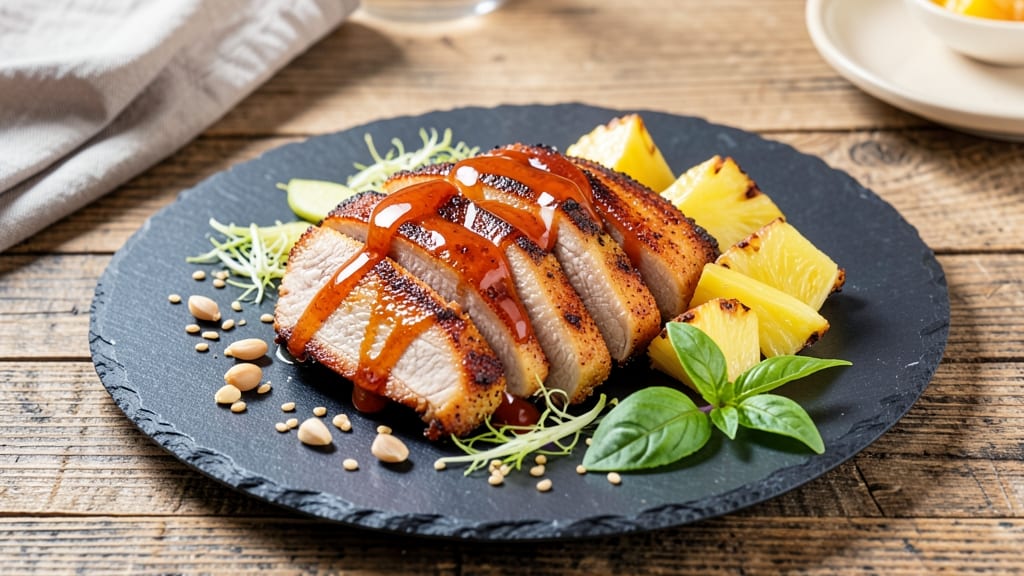
This pork in pineapple juice recipe transforms humble cuts into tender, aromatic masterpieces with a sweet-tart profile that feels like a vacation in every bite. 🌴 I developed this braise after years of perfecting the balance between pineapple's acidity and pork's natural richness, creating a dish that's both comforting and exciting.
The key is slow cooking, which breaks down the meat while infusing it with the vibrant flavors of pineapple juice, garlic, and warm spices.
The beauty of this recipe lies in its versatility—it works equally well as a standalone main course or paired with rice, roasted sweet potatoes, or crusty bread to soak up the luscious sauce.
I've tested it with everything from pork shoulder to tenderloin, and each version delivers that perfect harmony of textures: fall-apart tender meat with a glossy, caramelized surface. The pineapple juice not only tenderizes but also adds a bright, tropical brightness that cuts through the richness.
What makes this recipe special is how it elevates simple ingredients into something extraordinary. The marinating process (if you choose to do it) jumpstarts the flavor development, while the slow braise ensures deep, complex notes that build with every hour.
By the time it's done, you'll have a dish that's rich, aromatic, and impossible to resist—one that tastes like it belongs on a restaurant menu but comes together in your own kitchen.
Perfect for weeknight dinners or special occasions, this braise scales beautifully and reheats wonderfully, making it ideal for meal prep.
Whether you're serving it to family or hosting a dinner party, this pork in pineapple juice will be the star of the show—proof that a little acidity and patience can turn ordinary pork into something truly memorable.
Ingredients for pork in pineapple juice
Pineapple's bright acidity meets pork's rich depth in this tropical braise that transforms simple ingredients into restaurant-quality flavor.
| Ingredient | Amount | Notes |
|---|---|---|
| Pork Shoulder 🥩 | 2 lb | Bone-in for best flavor |
| Pineapple Juice 🍍 | 1 ½ cups | Freshly squeezed preferred |
| Garlic Cloves 🧄 | 6 cloves | Minced for marinade |
| Fresh Ginger 🌿 | ½ cup | Finely grated, peeled |
| Brown Sugar 🍚 | ¼ cup | Packed, light variety |
| Soy Sauce 🍶 | ¼ cup | Low-sodium preferred |
| Honey 🍯 | 2 tbsp | Wildflower preferred |
| Red Wine Vinegar 🍷 | 2 tbsp | For tangy brightness |
| Ground Black Pepper 🌶️ | 1 tsp | Freshly cracked |
| Ground Cinnamon 🌶️ | ½ tsp | Warm spice layer |
| Ground Cloves 🌶️ | ¼ tsp | For aromatic depth |
| Olive Oil 🫒 | 2 tbsp | Extra-virgin for richness |
| Fresh Pineapple Chunks 🍍 | 1 cup | For garnish, optional |
| Fresh Cilantro 🌿 | ¼ cup | Chopped, for garnish |
| Diamond Crystal Kosher Salt 🧂 | 1 ½ tsp | For seasoning |
The pork shoulder is the star here—bone-in cuts stay juicier during the long braise. Costco or Whole Foods often have pre-cut roasts with bones in, but any butcher will trim one for you. Fresh pineapple juice makes all the difference (no canned juice here—it's too thin and lacks depth). Trader Joe's sells concentrated pineapple juice that cuts prep time in half. For the ginger, look for firm, aromatic rhizomes—Asian markets usually have the freshest, brightest ginger. The brown sugar should be packed—light brown works, but muscovado adds caramel notes that play beautifully with the pineapple.
No fresh pineapple juice? Fresh pineapple puréed and strained works in a pinch, though it's less vibrant. Short on honey? Maple syrup at 1:1 ratio keeps the same sweetness. The red wine vinegar can be swapped for lime juice if you're in a tropical mood, but the vinegar adds that classic braising acidity. For the spices, Penzeys sells pre-ground cinnamon and cloves that are more aromatic than grocery store options. If you can't find fresh ginger, powdered ginger at half the amount gets you close. The soy sauce? Low-sodium prevents the dish from becoming too salty—trust me on this.
This braise tastes even better the next day as flavors meld. Store leftovers in an airtight container for up to 5 days in the fridge, or freeze for 3 months. I like to portion it into meal-prep containers with a scoop of rice—one container per serving makes lunches effortless. The sauce thickens as it cools, so add a splash of water when reheating. Garnish with fresh pineapple and cilantro just before serving to keep it vibrant.
Why You'll Love This Recipe
- Fewer Ingredients, Bigger Impact: I swear by this recipe when I’m too tired to shop. Just five things—pork shoulder, pineapple juice, garlic, ginger, and brown sugar—and it still tastes like you slaved over it. The pineapple juice does all the work: tenderizing the meat and adding that bright, tangy depth without needing a dozen spices.
- Sweet-Savory Magic: That balance of caramelized brown sugar and sharp pineapple juice? It’s the kind of flavor that makes you pause mid-bite. The ginger and garlic add a warm kick, but it’s the slow-cooked pork—fall-apart tender—that really sells it. Honestly, my husband asks for this more than any other dish, and he’s not even a fan of sweet flavors.
- Leftovers That Don’t Suck: Between us, most braised pork leftovers are sad. Not this. The sauce thickens beautifully, and the pork stays juicy for days. I’ll make a double batch on Sunday, freeze half, and still have enough for lunch the next week. It reheats like a dream—just a quick warm in the microwave or a simmer on the stove.
- Budget Meal for Crowds: Pork shoulder is cheap, and pineapple juice stretches further than you’d think. I’ve fed six people for under $15 with this—plus, it’s the kind of dish that makes you look like a hero. Serve it with rice, or even over toast for breakfast (yes, really). It’s my go-to for game nights, potlucks, or when my college-aged kids show up hungry.
Step-by-step instructions for pork in pineapple juice braise
Here's how to create a perfectly balanced, tender pork shoulder with that signature sweet-tart pineapple depth.
🍳 Step 1: Sear the Pork Shoulder for Maximum Flavor
Heat a large Dutch oven over medium-high heat and add the 2 tablespoons olive oil. Once shimmering, place the 2 lb pork shoulder fat-side down and sear for 8-10 minutes until the fat renders and the meat develops a deep golden crust. Here's the thing—don't move it around too much during the first few minutes. You want that fat to slowly render and create a flavorful crust.
Flip the pork and sear the other side for another 5-7 minutes until golden brown. Remove the pork and set it aside on a plate. You'll notice the pan has beautiful browned bits—these are pure flavor we'll incorporate later. This initial sear locks in juices and builds that rich foundation for our braise.
👨🍳 Step 2: Build the Aromatic Pineapple Braising Liquid
In the same Dutch oven, add the 6 cloves minced garlic cloves and 0.5 cup finely grated fresh ginger. Sauté for 1-2 minutes until fragrant—you'll smell that warm, citrusy aroma that's the heart of this dish. Be careful not to let the garlic burn; it should just barely start to color.
Add the 1.5 cups pineapple juice, scraping up all those browned bits from the bottom of the pan. This is called deglazing, and it's where all the magic happens—those bits dissolve into the liquid, creating a complex, umami-rich base. Stir in the 0.25 cup brown sugar, 0.25 cup soy sauce, 2 tablespoons honey, and 2 tablespoons red wine vinegar. The vinegar adds that bright tang that cuts through the sweetness perfectly.
🥘 Step 3: Simmer the Pork Until Fork-Tender
Return the pork shoulder to the Dutch oven, fat-side up. Bring the liquid to a gentle simmer over medium heat, then reduce to low heat and cover tightly. Here's where patience pays off—simmer for 2.5-3 hours until the pork is fork-tender. I know it seems like a long time, but this slow cooking transforms tough pork into melt-in-your-mouth perfection.
About halfway through cooking (1.5 hours in), sprinkle the pork with the 1.5 teaspoons diamond crystal kosher salt, 1 teaspoon ground black pepper, 0.5 teaspoon ground cinnamon, and 0.25 teaspoon ground cloves. These spices will infuse into the meat as it braises, adding warm, aromatic depth to every bite.
⏰ Step 4: Finish with Pineapple and Garnish
When the pork is tender, remove it from the braising liquid and let it rest on a cutting board for 10-15 minutes. This resting period is crucial—it allows the juices to redistribute throughout the meat so each slice stays moist. While it rests, skim any excess fat from the braising liquid and stir in the 1 cup fresh pineapple chunks. Simmer uncovered for 5-7 minutes to infuse the pineapple with all those beautiful pork flavors.
Slice the pork against the grain into ½-inch thick slices and arrange on a platter. Ladle the pineapple-infused braising liquid over the top, then garnish with 0.25 cup chopped fresh cilantro. The contrast of tender pork with the sweet-tart pineapple sauce is what makes this dish truly special. Serve immediately with steamed rice or crusty bread to soak up all that delicious sauce.
Pro Tips For Making Pork In Pineapple Juice
- Brown Sugar First: Toss the pork shoulder in dry brown sugar first—rub it all over like you’re coating a turkey, then add the pineapple juice. This caramelizes faster and sticks better than dumping it in later. (I learned this after my first batch tasted like dessert after the fact, not during.)
- Simmer, Don’t Boil: Keep the heat at a gentle simmer—tiny bubbles, not rolling. Boiling turns the pineapple juice into a thin, syrupy mess, and the pork gets tough. If it’s too aggressive, lower the heat or add a splash of water. (Yes, even if you’re impatient like me.)
- Grate Ginger Fine: Use a microplane or the smallest holes on a box grater—you want it almost paste-like, not chunky. Fresh ginger loses its punch when it’s in big pieces, and this recipe relies on its bright kick. (I used to chop it roughly, and the flavor just didn’t cut through the pork’s richness.)
- Deglaze the Pan: After searing the pork, don’t pour in the pineapple juice right away—add a splash of water or broth first, scrape up those browned bits, then add the juice. Those bits pack layers of flavor that disappear if you skip this. (It’s the difference between “good” and “restaurant-quality.”)
Regional styles of this pork in pineapple juice
Caribbean Fusion Style
In the Caribbean, this dish often gets a bold twist with scotch bonnet peppers and allspice. I like adding 1-2 chopped scotch bonnets to the braising liquid for heat, along with 1 teaspoon ground allspice for that signature island warmth.
Serve it with coconut rice instead of plain white rice—just cook the rice in coconut milk with a pinch of salt and a bay leaf. The creamy coconut balances the tangy pineapple perfectly. 🌶️
Filipino Adobo Twist
Filipino adobo takes this dish to another level by adding soy sauce and vinegar in equal parts, which we already have in our recipe. For extra authenticity, add 1 cup coconut milk at the end of cooking to thicken the sauce and add richness.
Garnish with kalamansi (Filipino lime) wedges for a bright, citrusy finish. The pork becomes even more tender with the coconut milk's fat content, and the sauce develops a beautiful sheen. 🌴
Southern BBQ Meets Tropical
Back home in Georgia, I've adapted this for my BBQ crowd by adding ½ cup BBQ sauce (like Sweet Baby Ray's Original) to the braising liquid during the last 30 minutes of cooking.
This creates a smoky-sweet glaze that's perfect for serving on toasted brioche buns as pulled pork sandwiches. The pineapple adds a refreshing contrast to the smoky BBQ flavors, making it a crowd-pleaser at any tailgate. 🔥
Hawaiian Luau Version
For a true Hawaiian experience, swap the brown sugar for ½ cup coconut sugar and add 1 teaspoon ground nutmeg to the braising liquid. Serve the pork over lime-buttered rice and garnish with toasted macadamia nuts and grated coconut.
The nutmeg adds warmth that complements the tropical flavors beautifully. This version feels like you're at a luau in Waikiki. 🌺
Spicy Thai-Inspired
Thai cuisine loves its bold flavors, so I add 1-2 tablespoons fish sauce, 1 tablespoon palm sugar, and 1 teaspoon bird's eye chili flakes to the braising liquid. Finish with fresh Thai basil leaves and lime wedges.
The fish sauce adds umami depth, while the chili flakes bring serious heat. Serve with jasmine rice and a side of quick-pickled cucumbers for balance. 🌶️
Nutrition facts
Frequently asked questions
Can I use canned pineapple juice instead of fresh?
While canned pineapple juice will work in a pinch, fresh pineapple juice delivers far more vibrant flavor and better texture. Canned juice lacks the depth and natural sweetness. If you must use canned, look for 100% pineapple juice without added sugar and reduce the brown sugar by 1 tablespoon to balance the sweetness.
How do I adjust this recipe for a slow cooker? Transfer the seared pork and all braising ingredients to your slow cooker and cook on low for 6-7 hours or high for 4-5 hours. The pork will become fork-tender, and the sauce will develop beautifully. Just
What's the best way to store and reheat leftovers?
Store leftovers in an airtight container in the fridge for up to 5 days or freeze for 3 months. To reheat, place the pork and sauce in a skillet over medium-low heat and warm through, adding 1-2 tablespoons water if the sauce thickens too much. The flavors actually improve after the first night as they meld together.
Can I substitute pork shoulder with another cut?
For pork tenderloin, reduce cooking time to 1.5-2 hours as it cooks faster. For pork ribs, increase to 3.5-4 hours and add ½ cup apple cider vinegar to the braising liquid for extra tenderness. The pineapple juice works beautifully with all cuts, but adjust cooking times based on the meat's density.
Why does my pork turn out tough?
Tough pork usually results from either not enough cooking time or improper resting.