
Sauces & Condiments
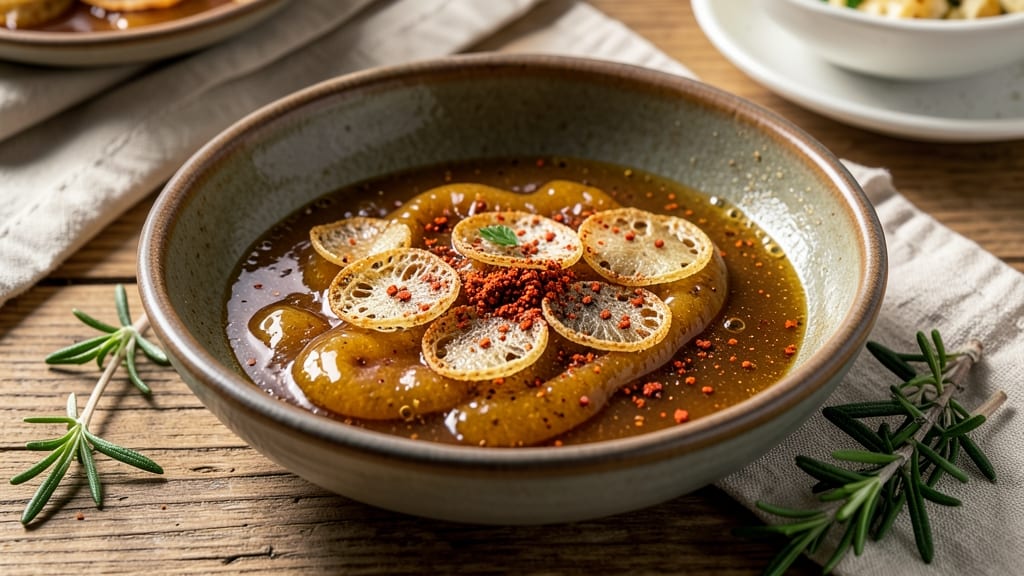
This apple cider vinegar, cayenne pepper, and honey recipe transforms three simple pantry staples into a bold, versatile glaze that elevates roasts, wings, and even salads with its perfect balance of heat and sweetness.
The tangy acidity of the vinegar cuts through richness, while honey adds depth—creating a sauce that caramelizes beautifully when brushed on hot meat. I developed this after craving something more complex than store-bought BBQ sauce but still quick to make.
The magic happens in the ratio: 1 part vinegar to 1 part honey, with cayenne adjusted to your heat preference (start with ½ teaspoon and add more if you're feeling adventurous).
This glaze works as a marinade, finishing sauce, or even a tangy dressing for greens—its versatility makes it a pantry essential. The key is reducing it slightly on the stove to concentrate flavors, so it clings perfectly to whatever you're cooking.
What you'll end up with is a sauce that's sticky, caramelized, and packed with layers of flavor—smoky from the vinegar, sweet from the honey, and with a slow-building heat from the cayenne.
It's the kind of glaze that makes weeknight dinners feel special without requiring hours of prep. Store it in the fridge for up to 2 weeks, or freeze for longer shelf life.
Use it to glaze pork chops, brush on baked chicken wings, or drizzle over roasted vegetables for a sweet-spicy finish. For extra depth, add a pinch of garlic powder or smoked paprika before reducing. Here's how to make it—simple, foolproof, and guaranteed to become your go-to sauce.
Ingredients for apple cider vinegar cayenne pepper and honey
Three pantry staples transform into a sticky, caramelized glaze with perfect heat-sweet balance.
| Ingredient | Amount | Notes |
|---|---|---|
| Apple Cider Vinegar 🍎 | 1 cup | Raw, unfiltered preferred |
| Raw Honey 🍯 | 1 cup | Local preferred for depth |
| Cayenne Pepper 🌶️ | ½ tsp | Adjust for heat preference |
| Garlic Powder 🧄 | ½ tsp | Freshly ground preferred |
| Smoked Paprika 🌶️ | ½ tsp | For extra depth |
| Salt 🧂 | ½ tsp | Kosher or sea salt |
| Water 💧 | ¼ cup | For thinning if needed |
The apple cider vinegar should be raw and unfiltered—it's got more flavor complexity than the pasteurized stuff. Bragg or Texas Pete are my go-tos, but any good-quality brand works. Honey? Local, raw honey adds depth, but regular grocery-store honey is fine in a pinch. The cayenne is where you can play—start with ½ teaspoon and add more if you're feeling spicy. For the best results, grab smoked paprika from the bulk bin at Whole Foods or Trader Joe's—it gives that smoky depth that makes this glaze sing.
No apple cider vinegar? White vinegar or balsamic vinegar work in a bind, but the flavor won't be quite the same. Short on honey? Maple syrup is a solid swap, though it'll be less tangy. Want to skip the cayenne? Red pepper flakes at half the amount give you heat without the same bold kick. The garlic powder and smoked paprika are optional but add serious depth—don't skip them if you've got them. If your glaze gets too thick, a splash of water thins it out perfectly.
This glaze keeps beautifully in the fridge for up to 2 weeks in an airtight jar. For longer storage, freeze it in ice cube trays—just pop out what you need and let it thaw on the counter. It reheats perfectly, so make a big batch and keep it on hand for quick weeknight dinners. The flavor actually improves after a day or two as everything melds together—trust me, it's worth making extra.
Why You'll Love This Recipe
- Five-Ingredient Magic: I swear by this combo—just stir, taste, adjust. No fancy techniques, no waiting for anything. The cayenne and honey balance each other out instantly, so you’re not left guessing if it’s too sharp or too sweet.
- Tangy-Sweet Heat: That first bite of heat from the cayenne? Then the honey cools it down with this rich, golden sweetness. The smoked paprika adds this deep, almost smoky warmth that makes it taste like a hug for your taste buds—especially when drizzled over roasted veggies.
- Pantry Staple Power: Honestly, I’ve used this on everything from scrambled eggs to marinades for chicken thighs. It’s the kind of thing that turns a basic meal into something special without extra shopping trips. My go-to for when I’ve got nothing but these five things in the house.
- Lasts All Week: Make a big batch—it keeps forever in the fridge. I’ll add a spoonful to my tea when I’m sick, toss it in salads for a zing, or even mix it into dressings. No waste, just pure flavor flexibility. (Yes, even on a Tuesday night.)
Step-by-step instructions for spicy-sweet glaze
Here's how to craft a bold, balanced glaze that caramelizes beautifully on roasts and wings.
Combine Wet Ingredients in a Saucepan
Pour the 1 cup raw honey and 1 cup apple cider vinegar into a medium saucepan over medium-low heat. I like to use a heavy-bottomed pan here—it prevents scorching while we warm the mixture. Let it simmer gently for 5-7 minutes, stirring occasionally, until the honey begins to bubble and the vinegar's sharpness softens into a mellow acidity.
Watch for tiny bubbles forming around the edges—this tells you the liquid is heating evenly. If you see any dark spots forming, immediately reduce the heat to low and stir more frequently. The goal is a smooth, homogenous blend without any burnt bits that would overpower the delicate balance of sweet and tangy flavors.
Add Spices and Salt for Depth
Once the honey-vinegar mixture reaches a gentle simmer, remove the pan from heat and let it cool for 2-3 minutes. This brief pause prevents the cayenne from releasing its heat too aggressively when added to hot liquid. Then whisk in the 0.5 teaspoon cayenne pepper, 0.5 teaspoon garlic powder, 0.5 teaspoon smoked paprika, and 0.5 teaspoon salt. Stir vigorously to ensure the spices dissolve completely—you should see them evenly distributed throughout the glaze.
Here's the thing—adding spices to hot liquid can cause them to clump or burn. The brief cooling period ensures they incorporate smoothly. Give it a taste at this stage: you should notice the cayenne's initial heat, the garlic's subtle punch, and the smoky warmth from the paprika—all balanced by the sweetness and tang.
Thin and Simmer to Perfection
Return the saucepan to medium-low heat and gradually whisk in the 0.25 cup water, adding it 1 tablespoon at a time while stirring constantly. This controlled thinning prevents the glaze from becoming too runny too quickly. Let the mixture simmer uncovered for 8-10 minutes, stirring occasionally, until it thickens to a syrupy consistency that coats the back of a spoon.
You'll know it's ready when it reaches a point where it begins to glaze your finger when you lift a spoonful and let it cool slightly. If it's still too thin after 10 minutes, continue simmering for another 2-3 minutes—just be patient. The glaze should be thick enough to cling to meats but still flow smoothly when brushed on. If it thickens too much, whisk in 1 teaspoon water at a time until you reach the desired consistency.
Cool and Test Before Using
Remove the glaze from heat and let it cool completely at room temperature for 15-20 minutes, stirring occasionally. This cooling period allows the flavors to meld fully and the texture to set properly. The glaze should transform from a warm liquid to a thick, glossy syrup that's ready to transform your roasts or wings.
Before using, give it a final taste and adjust the seasoning if needed. If you want more heat, add a pinch more cayenne. If it needs more depth, a sprinkle of smoked paprika can enhance the complexity. The glaze should have a perfect balance of sweet, tangy, and spicy notes—each component should be distinguishable but harmonious. Once balanced, it's ready to elevate your dishes with its bold, caramelized flavor.
Pro Tips For Making Apple Cider Vinegar Cayenne Pepper And Honey
- STIR CONSTANTLY: This isn’t just a drizzle—it’s a marriage. If you’re using raw honey, which thickens when cold, give it a solid 30 seconds of vigorous stirring with a fork or whisk before adding the cayenne. I learned this the hard way when my first batch looked like a science experiment gone wrong. The vinegar needs to fully dissolve that honey, or you’ll end up with grainy clumps that ruin the smoothness.
- USE FILTERED VINEGAR: Skip the cloudy stuff. Sediment in unfiltered apple cider vinegar can turn your mixture gritty, especially when mixed with honey. I now buy filtered ACV for dressings—it’s pricier but saves you from straining or dealing with texture issues. If you’re set on raw, at least shake the bottle well before measuring.
- DILUTE THE CAYENNE: That first pinch of cayenne? It’s a powder bomb. Mix it into 1 teaspoon of honey first, then fold it into the rest. This prevents hot spots and lets you control the heat—easy to add more, impossible to take it out. I was skeptical until I tried it, and now I can’t imagine doing it any other way.
- ADD SMOKED PAPRIKA LAST: Smoked paprika loses its punch when exposed to vinegar’s acidity. Stir it in right before using, or it’ll fade into the background. I used to add it all at once and wondered why my dressings tasted flat—now I save it for the final whisk. If you’re using it for marinades, wait until the last 10 minutes.
Best sauces and condiments for this apple cider vinegar cayenne pepper and honey
Sweet-Spicy Marinade
This glaze doubles as an incredible marinade for chicken, pork, or tofu—just toss your protein in a bowl with ½ cup of the glaze and let it sit for 30 minutes to 2 hours.
The acidity in the vinegar tenderizes the meat while the honey creates a sticky caramelized crust when cooked. I marinate bone-in chicken thighs in this for 1 hour before roasting—they turn irresistibly crispy on the outside while staying juicy inside. 🍗
Roast Veggie Glaze
Toss roasted vegetables like Brussels sprouts, carrots, or sweet potatoes with 1-2 tablespoons of glaze in the last 5 minutes of roasting. The caramelization happens instantly under the broiler, creating a glossy, sweet-spicy coating.
I love using this on butternut squash cubes—just drizzle and broil for 3-4 minutes until bubbly and slightly charred.
Salad Dressing Twist
Thin the glaze with 1 part water or apple cider vinegar to 2 parts glaze for a bold dressing. Toss with mixed greens, arugula, or even kale for a sweet-spicy bite.
I add ¼ cup crumbled feta and ¼ cup toasted walnuts for extra texture—it’s a game-changer for warm-weather salads. The cayenne adds heat without overpowering the greens.
Drizzle for Desserts
Yes, this glaze works on desserts too! Warm 2 tablespoons of glaze and drizzle over vanilla ice cream, pancakes, or even grilled peaches. The heat from the cayenne cuts through the sweetness, creating a perfect balance.
I love this on warm cinnamon rolls—just brush on top right before serving for a sticky, spicy-sweet finish. 🍯
Beverage Enhancer
Add 1 teaspoon of glaze to iced tea, lemonade, or even a glass of sparkling water for a tangy-sweet kick. It’s like a grown-up version of a sweet tea—just don’t overdo it, or the cayenne will take over.
I add it to sparkling water with lime for a refreshing summer drink that’s surprisingly complex.
Storage and Shelf Life
Store leftover glaze in an airtight glass jar in the fridge for up to 2 weeks. For longer storage, freeze it in ice cube trays—just pop out what you need and let it thaw on the counter.
The glaze reheats beautifully, so make a big batch and keep it handy for quick weeknight dinners. The flavor actually improves after a day or two as everything melds together. ✨
Nutrition facts
Frequently asked questions
Can I use this glaze on seafood?
This glaze works beautifully on fish like salmon or shrimp. Brush it on before grilling or baking for 3-4 minutes at medium-high heat—the caramelization happens quickly. For delicate fish, reduce the cayenne to ¼ teaspoon to avoid overpowering the natural flavor. Try it on salmon fillets for a sweet-spicy finish that pairs perfectly with lemon.
How do I adjust the heat level?
Start with the ½ teaspoon cayenne and taste as you go. For mild heat, reduce to ¼ teaspoon or swap for ½ teaspoon red pepper flakes. If you love spice, add up to 1 teaspoon cayenne (or more!)—just remember it intensifies as the glaze cools. For extra depth, add a pinch of cinnamon or black pepper to balance the heat.
Can I make this without honey?
Yes! Swap the honey for ¾ cup maple syrup or ¾ cup agave nectar for a vegan version. The flavor will be slightly less complex, but it still works well. For a lighter option, use ½ cup honey + ¼ cup sugar to maintain the caramelization. If using maple syrup, reduce the simmering time slightly since it's less concentrated than honey.
Why did my glaze turn grainy?
Graininess usually means the spices didn't dissolve properly. Always whisk the spices into the cooled (not hot) liquid to prevent clumping. If it happens, strain the glaze through a fine-mesh sieve or blend briefly with an immersion blender. For future batches, ensure all ingredients are fully combined before simmering—this creates a smooth, glossy finish.
How long can I keep it before it spoils?
This glaze stays fresh in the fridge for 2 weeks in an airtight jar. For longer storage, freeze it in ice cube trays—thaw only what you need. The vinegar and honey act as natural preservatives, but like all perishable foods, it's best used within the timeframe. If it develops an off smell or mold, discard it immediately.