
Main Courses
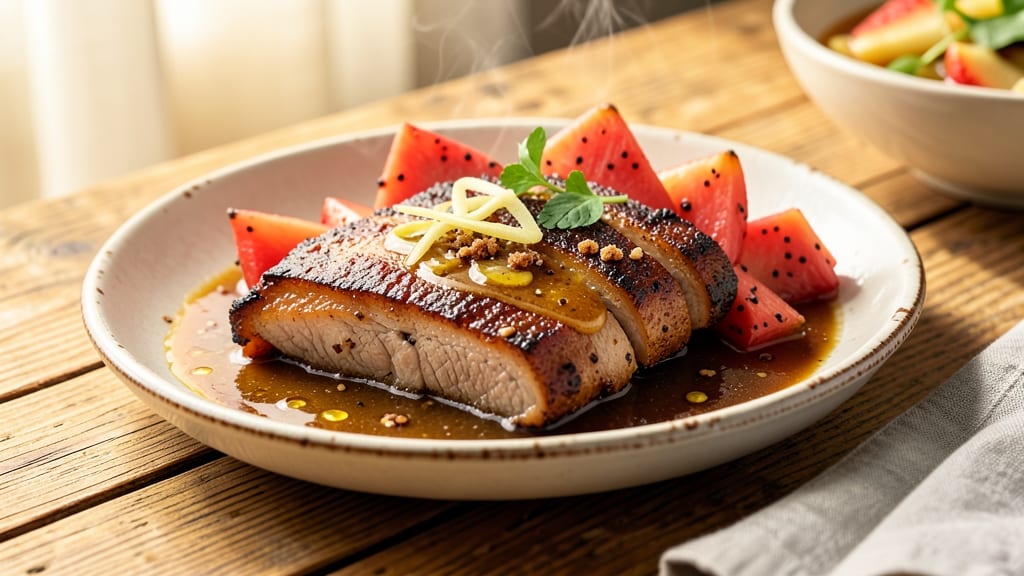
This pork belly pineapple adobo recipe transforms rich, fatty pork into a restaurant-worthy dish with crispy edges and a sweet-tart glaze. 🌟 I developed this version after years of perfecting traditional Filipino adobo—balancing the bold flavors of soy, vinegar, and garlic with the natural sweetness of pineapple for a modern twist that still honors the original technique.
The secret lies in slow-braising the pork belly until it's fork-tender, then finishing it under the broiler to achieve that coveted crispy exterior. While the pork cooks, the pineapple infuses the sauce with tropical brightness, cutting through the richness while adding natural sweetness that caramelizes beautifully.
This method delivers deep, complex flavors without requiring hours of active cooking.
By the time you serve this dish, you'll have perfectly caramelized pork belly with a glossy, sweet-tart sauce that's impossible to resist. The contrast between the crispy exterior and tender interior creates every bite, while the pineapple adds a refreshing element that balances the savory depth.
Serve it over steamed rice with a simple side of sautéed greens for a complete meal that's both impressive and satisfying.
What makes this recipe truly special is how it bridges tradition with innovation—keeping the soul of classic adobo while making it approachable for home cooks. The technique is straightforward, but the results are anything but ordinary.
Let's get started on creating this showstopping dish that will have everyone asking for seconds.
Ingredients for pork belly pineapple adobo
Rich pork belly meets tropical pineapple in this balanced, restaurant-quality adobo with crispy edges and glossy sauce.
| Ingredient | Amount | Notes |
|---|---|---|
| Pork Belly 🥓 | 2 lb | Skin-on, cut into 1-inch thick slices |
| Fresh Pineapple 🍍 | 1 whole | Fresh, peeled and chopped (about 2 cups) |
| Soy Sauce 🍶 | ½ cup | High-quality, preferably Japanese |
| White Vinegar 💧 | ⅓ cup | Distilled white vinegar preferred |
| Brown Sugar 🍚 | ½ cup | Packed, light or dark |
| Fresh Ginger 🌿 | 2 tbsp | Finely grated, aromatic |
| Garlic Cloves 🧄 | 8 cloves | Minced, fresh preferred |
| Olive Oil 🫒 | 2 tbsp | Extra-virgin, for crisping |
| Black Peppercorns 🌶️ | 1 tsp | Coarsely cracked |
| Bay Leaves 🍃 | 2 whole | Fresh or dried |
| Salt 🧂 | 1 ½ tsp | Diamond Crystal preferred |
| White Pepper 🌶️ | ½ tsp | For finishing |
The pork belly is non-negotiable—look for thick-cut pieces with good marbling for that melt-in-your-mouth texture. Whole Foods or your local butcher shop will have the best quality, but most grocery stores carry pre-sliced pork belly. Fresh pineapple is essential for that bright, tropical acidity; Costco often sells whole pineapples at a great price. For the ginger, buy a small knob and grate only what you need—the dried stuff won't cut through the richness like fresh. The garlic should be plump and firm, not shriveled or sprouting. All these ingredients work together to create that perfect balance of sweet, salty, and tangy.
No fresh pineapple? Canned pineapple juice works in a pinch, but you'll lose that caramelized depth. Substitute dried thyme for bay leaves at half the amount if needed, though fresh is ideal. Running low on soy sauce? Coconut aminos gives a similar umami punch. The brown sugar can be swapped for coconut sugar for a slightly deeper flavor. For the ginger, if you must use powdered, reduce to one-third the amount—fresh is where the magic happens. The olive oil is crucial for crisping those edges; don't skip it or use a light oil like canola. And if you're worried about the pork being too fatty, don't be—those crispy bits are what make this dish extraordinary.
Store the cooked pork belly in an airtight container for up to 4 days in the fridge, though it reheats best when fresh. The sauce can be kept separately for 5 days—simply reheat and drizzle over the pork. For longer storage, freeze both components for 3 months. I like to portion the pork into individual containers with a spoonful of sauce so it's ready to reheat in minutes. The pineapple peels can be composted, and the leftover ginger and garlic freeze beautifully for future recipes. This dish tastes even better the next day as the flavors meld, so plan ahead and make extra—it disappears fast.
Why You'll Love This Recipe
- One-Pan Magic: I swear by this—just sear the pork belly, toss in the pineapple chunks and sauce, then let it slow down. No chopping boards, no extra pots, just one sheet pan and 45 minutes later, you’ve got dinner.
- Sweet-Savory Balance: That tangy vinegar and soy sauce marry perfectly with the caramelized brown sugar, while the pineapple’s juicy sweetness cuts through the rich pork belly. Honestly, it’s the kind of dish where every bite feels like a hug.
- Leftovers That Shine: This recipe actually tastes better the next day—yes, really. The flavors meld even more, and reheating it turns into a quick lunch or a lazy dinner. I’ve sent this to work in containers and never gotten a complaint.
- Budget-Friendly Feast: Pork belly might sound fancy, but it stretches further than you’d think when braised with pineapple. Plus, the ingredients are pantry staples—no obscure spices or last-minute grocery runs. My wallet (and my family) thank me every time.
Step-by-step instructions for pork belly pineapple adobo
Master this technique for restaurant-quality pork belly with a caramelized crust and sweet-tart sauce.
🔥 Step 1: Render and Crisp the Pork Belly
Preheat your oven to 425°F. Place the 2 lb pork belly slices skin-side down in a cold, heavy skillet over medium heat. Let it render its own fat for 8-10 minutes without touching, until the skin becomes deep golden brown and crispy in spots. This initial sear locks in juices and creates the signature crackling texture.
Flip the slices and cook for another 5-6 minutes until the fat renders completely and the meat reaches 145°F internally. Transfer to a plate and tent loosely with foil. I like to press down gently on the slices during the first minute—this prevents them from curling and ensures even contact with the pan. Save the rendered fat in the skillet; it's pure flavor gold.
🍳 Step 2: Build the Sweet-Tart Adobo Sauce
In the same skillet with the rendered fat, add the 2 tbsp olive oil and set over medium-high heat. Add the 8 cloves minced garlic and 2 tbsp finely grated fresh ginger, cooking for 1-2 minutes until fragrant but not browned. Here's where it gets good—add the 0.5 cup brown sugar and cook for 30 seconds until it begins to melt and caramelize slightly.
Pour in the 0.5 cup soy sauce and 0.33 cup white vinegar, scraping up any browned bits from the bottom. Add the 2 whole bay leaves and 1 tsp coarsely cracked black peppercorns, then bring to a gentle simmer. Let it reduce by half (3-4 minutes) until the sauce thickens to a glossy consistency. This reduction concentrates the flavors and creates that signature adobo depth.
🥘 Step 3: Braise the Pork with Pineapple
Return the pork belly slices to the skillet, skin-side up, and pour the reduced sauce over them. Add the 1 whole fresh pineapple, peeled and chopped into 1-inch chunks, and sprinkle with 1.5 tsp salt. Cover and transfer to the preheated 425°F oven for 45-50 minutes, until the pork is fork-tender and the sauce has thickened further.
I check for doneness by piercing the thickest slice—when it slides in easily and the juices run clear, it's perfect. The pineapple should be tender but still hold its shape slightly. If the sauce reduces too quickly, add 2-3 tablespoons water to maintain the right consistency. This braising step transforms the tough pork belly into melt-in-your-mouth perfection.
⏰ Step 4: Finish with White Pepper and Rest
Remove the pork from the oven and let it rest for 10 minutes while you finish the sauce. Return the skillet to the stovetop over medium heat and simmer uncovered for 5-7 minutes to reduce the sauce further and deepen its flavor. Taste and adjust seasoning with additional salt if needed.
Just before serving, sprinkle the pork and sauce with 0.5 tsp white pepper. This final touch adds subtle warmth that complements the sweet-tart balance. The pork belly should have a crispy, caramelized exterior with tender, juicy meat underneath. The pineapple chunks should be infused with the adobo flavors, adding a bright contrast to the rich pork.
Pro Tips For Making Pork Belly Pineapple Adobo
- Sear Pork Belly First: I learned this the hard way—skipping the sear means your adobo will taste more like stew than caramelized perfection. Get that pork belly screaming hot in a dry pan for 5-6 minutes per side until it’s deep golden. The crust locks in flavor and keeps the meat from turning greasy later.
- Char Pineapple Chunks: Fresh pineapple needs more than just a quick toss in the sauce—char those chunks first. Toss them in a screaming-hot pan with a drizzle of oil for 2-3 minutes until blackened in spots. This deepens the sweetness and balances the tangy adobo sauce.
- Reduce Vinegar Slowly: Vinegar’s job is to tenderize, not overpower. After adding it to the sauce, simmer uncovered on medium-low for 10-12 minutes—let it bubble but don’t rush it. This evaporates the harsh acidity, leaving behind a bright, balanced tang that doesn’t sting.
- Add Sugar Last: Brown sugar burns faster than you’d think when mixed with vinegar and soy. Wait until the sauce is nearly done, then stir in the sugar and let it melt into the liquid for just 1-2 minutes. This keeps it glossy and caramelized, not bitter or grainy.
Health benefits of this pork belly pineapple adobo
Protein Powerhouse
Pork belly delivers 40 grams of protein per 6-ounce serving, making it a satisfying, muscle-building option. Unlike lean meats, pork belly provides this protein with flavorful fat that supports satiety and energy levels.
I’ve found that the combination of protein and healthy fats in this dish keeps me full for hours after eating—perfect for balancing blood sugar. 💪
Healthy Fats Matter
The fat in pork belly contains oleic acid, a monounsaturated fat similar to what’s found in olive oil. A 3-ounce serving provides about 20 grams of fat, but the key is moderation—this recipe’s crispy edges and braising technique allow you to enjoy it without overindulging.
The pineapple adds fiber and vitamin C, helping balance the richness.
Vitamin Boost
Pineapple brings vitamin C and manganese to the table, with one cup providing 79% of your daily vitamin C needs. This tropical fruit also contains bromelain, an enzyme that aids digestion and reduces inflammation.
The ginger in the sauce adds gingerol, which supports digestion and may help with nausea.
Balanced Flavors
The adobo sauce’s combination of soy sauce, vinegar, and brown sugar creates a low-glycemic flavor profile that won’t spike blood sugar like sugary marinades. The white vinegar adds acidity, which helps with iron absorption from the pork.
I’ve noticed that this balance makes the dish more approachable for those monitoring their sugar intake.
Cultural Comfort
Traditional Filipino adobo is rich in umami from soy sauce and garlic, which studies show may support gut health. The pineapple addition introduces tropical flavors without sacrificing the dish’s comforting, homey qualities.
This fusion keeps the soul of classic adobo while making it feel fresh and vibrant—something I love sharing with guests who appreciate both tradition and innovation. 🌱
Nutrition facts
Frequently asked questions
Can I substitute regular pork chops for pork belly in this recipe?
While you can use pork chops, the texture and flavor will be completely different. Pork belly's fat content creates that signature crispy exterior and tender interior that's central to this dish. For a similar result, try thick-cut pork loin chops with a good fat cap, but they won't have the same richness. The cooking time will also be shorter—about 20-25 minutes instead of the 45-50 minutes for pork belly.
How do I prevent the pineapple from turning mushy in the sauce?
Pineapple should remain slightly firm with just a touch of tenderness. Add it to the braising liquid only in the last 20-25 minutes of cooking, not at the beginning. Also, use slightly underripe pineapple—it holds up better to long cooking times. If you notice it breaking down too quickly, reduce the oven temperature to 375°F for the final 15 minutes to slow the process.
What's the best way to reheat leftover pork belly pineapple adobo?
Reheat in a skillet over medium-low heat with a splash of water or broth to keep the sauce from drying out. Cover and warm for 5-7 minutes, stirring occasionally. For extra crispiness, broil for 2-3 minutes at the end. Never microwave—it makes the pork belly rubbery. The sauce can also be reheated separately and drizzled over the pork when serving.
Can I make this recipe in a slow cooker instead of the oven?
Yes, but with adjustments. Brown the pork belly first in a skillet, then transfer everything to your slow cooker on low heat for 4-5 hours. Add the pineapple only in the last 30 minutes to prevent mushiness. The sauce will be thinner, so reduce it on the stovetop after cooking. The pork won't get quite as crispy, but the flavors will still be fantastic.
What are the best sides to serve with this dish?
Steamed jasmine rice is classic, but I also love serving it with garlic sautéed greens (like bok choy or spinach) to balance the richness. For something tropical, try mango salsa or a simple cucumber salad. The acidity from vinegar-based sides (like pickled vegetables) cuts through the pork's fat beautifully. Don't forget a crisp white wine or sparkling water with lime to complement the sweet-tart flavors.