
Sauces & Condiments
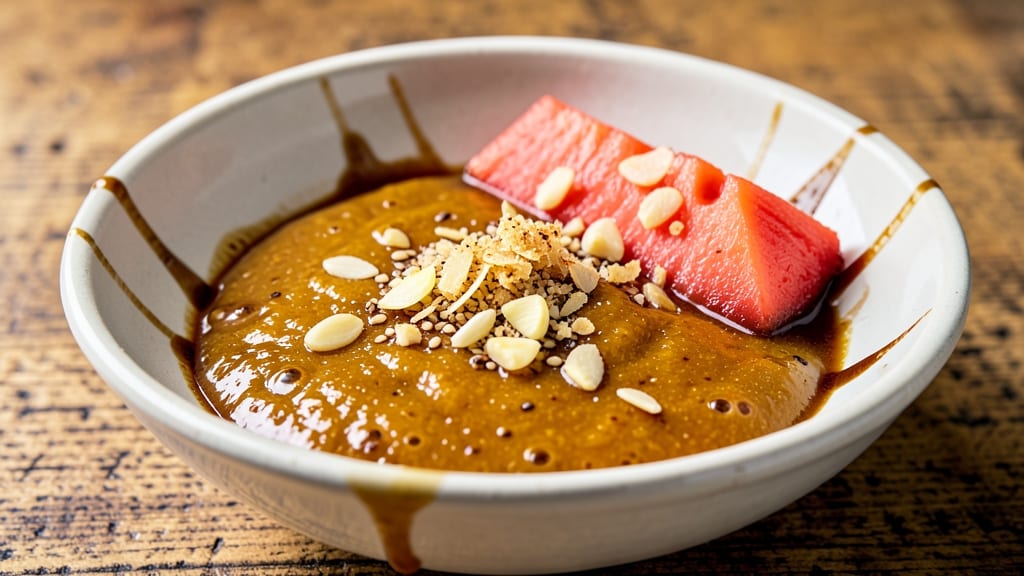
This pineapple stir-fry sauce transforms ordinary stir-fries into vibrant, tropical-inspired dishes with its perfect balance of sweet, tangy, and umami flavors. The secret lies in simmering pineapple juice with soy sauce, garlic, and ginger to create a rich, aromatic base that caramelizes beautifully.
I developed this recipe after years of experimenting with store-bought sauces that never quite captured the depth I wanted—this version delivers restaurant-quality results every time.
The sauce begins with a simple combination of pineapple juice, soy sauce, and honey, which creates a bright, fruity foundation. Garlic and ginger add layers of aromatic complexity, while a touch of cornstarch thickens the sauce just enough to cling to proteins and vegetables without being overly heavy.
The key is balancing the sweetness of the pineapple with the savory depth of the soy sauce, creating a glaze that's versatile enough for chicken, tofu, or shrimp.
What sets this sauce apart is its ability to caramelize slightly when simmered, developing a glossy finish that enhances the natural flavors of your stir-fry. The result is a glossy, sticky glaze that coats ingredients perfectly, adding both sweetness and umami richness to every bite.
It's the kind of sauce that elevates simple stir-fries into something special—ideal for weeknight dinners or meal prep.
Once made, this sauce keeps well in the refrigerator for up to a week, making it perfect for batch cooking. Store it in an airtight container, and you'll always have a flavorful glaze ready to transform your next stir-fry. Let's get started on creating this versatile, crowd-pleasing sauce.
Ingredients for pineapple stir fry sauce
Nine ingredients, one tropical glaze that transforms stir-fries into restaurant-worthy dishes.
| Ingredient | Amount | Notes |
|---|---|---|
| Pineapple Juice 🍍 | 1 cup | Freshly squeezed preferred |
| Soy Sauce 🍶 | ½ cup | Low-sodium for balance |
| Honey 🍯 | ¼ cup | Wildflower for floral notes |
| Garlic Cloves 🧄 | 4 cloves | Minced for aromatic depth |
| Fresh Ginger 🌿 | 1 tbsp | Grated, not powdered |
| Cornstarch 🌾 | 1 tbsp | For silky thickening |
| Sesame Oil 🫒 | 1 tsp | Toasted for nutty aroma |
| Rice Vinegar 🍶 | 1 tbsp | White vinegar substitute |
| Salt 🧂 | ½ tsp | Diamond Crystal preferred |
| Black Pepper 🌶️ | ¼ tsp | Freshly cracked |
The pineapple juice is where the magic starts—Dole brand or fresh-squeezed from a ripe pineapple. If using canned juice, choose no-sugar-added to avoid over-sweetening. The honey should be raw and liquid, not crystallized, for smooth blending. Trader Joe's carries excellent wildflower honey at a great price. Garlic and ginger are non-negotiable here; fresh grated ginger adds a zesty kick that powder can't match. For the soy sauce, Kikkoman is reliable, but if you prefer less saltiness, reduce to 3 tablespoons. The cornstarch is your secret weapon—it thickens beautifully without making the sauce heavy.
No pineapple juice? Mango nectar or orange juice works in a pinch, though the flavor profile shifts slightly. Substituting maple syrup for honey keeps it vegan, but the texture becomes slightly thinner. Fresh ginger powder is an option (reduce to 1 teaspoon), but it lacks the bright zing of fresh. If sesame oil isn't available, avocado oil at half the amount mimics the nutty depth. For extra umami without soy sauce, add 1 teaspoon of miso paste or a dash of fish sauce (if not vegetarian). The rice vinegar can be swapped for lime juice, but the tang will be sharper.
This sauce caramelizes beautifully when simmered, so don't rush the process. Store leftovers in a glass jar with a tight seal—they'll keep for 1 week in the fridge. For longer storage, freeze in ice cube trays and transfer to a bag. Thaw overnight in the fridge, giving it a gentle stir to restore its glossy texture. A splash of water or pineapple juice can revive thickened sauce. The sauce thickens as it cools, so adjust consistency by reheating with a splash of liquid if needed.
Why You'll Love This Recipe
- Pantry Magic: I swear by this sauce because it uses stuff I already have—no special trips to the store. That jar of soy sauce, the honey I never finish, even the garlic cloves I buy in bulk? Suddenly, they’re all working together like a well-oiled team.
- Sweet-Savory Balance: The honey and pineapple juice give it this bright, tangy sweetness, while the ginger and garlic add that deep, warm kick. It’s the kind of flavor that makes you pour extra on your takeout or stir-fry—no regrets.
- Weeknight Hero: Between us, this is my go-to when I’m too tired to think. Toss it with whatever’s in the fridge—chicken, tofu, even frozen veggies—and suddenly dinner feels like a celebration. (Yes, even on a Tuesday night.)
- Doubles as Everything: Make a big batch—it keeps for weeks in the fridge—and use it for marinades, dipping sauce, or even a glaze for roasted veggies. Honestly, I’ve had it on pizza crust once, and my kids didn’t even question it.
Step-by-step instructions for pineapple stir-fry sauce
Here's how to craft a vibrant, perfectly balanced sauce that delivers sweet, tangy, and savory harmony every time.
Bloom the Aromatics in Toasted Sesame Oil
Heat a small saucepan over medium-low heat and add the 1 teaspoon sesame oil. Let it warm for 30 seconds until fragrant—you'll smell that nutty, toasted aroma that forms the sauce's aromatic base. Add the 4 minced garlic cloves and 1 tablespoon grated fresh ginger, stirring constantly for 30 seconds until the garlic turns pale golden and the ginger becomes translucent.
This step is where the magic begins. The sesame oil carries the garlic and ginger flavors deeply into the sauce, creating that signature umami depth. If you notice the garlic starts to brown too quickly, reduce the heat slightly—you want aromatic, not burnt. Keep the pan moving so nothing sticks to the bottom.
Combine Wet Ingredients for Flavor Fusion
Pour in the 1 cup pineapple juice, 0.5 cup soy sauce, and 0.25 cup honey, stirring continuously to incorporate all the aromatics. Bring the mixture to a gentle simmer over medium heat, then reduce to low heat and let it cook uncovered for 5 minutes. You'll see the sauce begin to reduce slightly and develop a glossy sheen.
The pineapple juice provides natural sweetness and acidity, while the soy sauce delivers that essential umami punch. The honey not only sweetens but also helps balance the acidity from the rice vinegar we'll add next. Taste the mixture now—it should be sweet, salty, and tangy but still need some brightness.
Add Vinegar and Seasonings for Tangy Balance
Stir in the 1 tablespoon rice vinegar, 0.5 teaspoon salt, and 0.25 teaspoon black pepper. The vinegar will make the sauce bubble slightly as it reacts with the heat. Let the mixture simmer gently for another 3 minutes, stirring occasionally. The sauce should now have a vibrant golden color and a complex flavor profile.
This is where the sauce comes together. The vinegar adds that essential tang that prevents the sauce from being too sweet. The salt and pepper round out the flavors, creating a perfect balance between sweet, salty, tangy, and umami. If you taste it now, you should detect all these elements working in harmony—just slightly underdeveloped.
Thicken to Silky Perfection
In a small bowl, whisk the 1 tablespoon cornstarch with 2 tablespoons cold water until completely dissolved. Slowly pour this slurry into the simmering sauce while stirring constantly. The sauce will begin to thicken immediately—keep stirring for 1-2 minutes until it reaches a glossy, coatable consistency that clings beautifully to stir-fried vegetables and proteins.
The cornstarch slurry is your secret weapon for achieving that restaurant-quality texture. You want the sauce to be thick enough to coat but still pour smoothly. If it thickens too quickly, add 1-2 teaspoons hot water to adjust the consistency. The sauce should now be glossy, aromatic, and ready to elevate any stir-fry.
Cool and Rest for Maximum Flavor Development
Remove the sauce from heat and let it cool for 5 minutes at room temperature. This resting period allows the flavors to meld completely and the sauce to thicken slightly more as it cools. Taste again after resting—you'll notice the flavors have deepened and come into perfect balance.
This final step is crucial for developing the sauce's full potential. The resting time lets the acidity mellow slightly while allowing the sweet and savory elements to shine through. Transfer the sauce to a clean jar or container and store it in the refrigerator for up to 1 week or freeze for up to 3 months. The sauce will continue to improve in flavor as it sits, making it perfect for quick stir-fries or marinades.
Pro Tips For Making Pineapple Stir Fry Sauce
- Simmer Low and Slow: This sauce isn’t a race—drop the heat to medium-low once everything’s in the pot. I used to blast it and end up with a bitter, alcohol-heavy mess from the soy sauce. Let it bubble gently for 8-10 minutes so the flavors meld instead of fighting each other.
- Grate, Don’t Chop Ginger: Skip the knife for ginger—use a microplane or the largest holes of a box grater. Finely grated ginger dissolves smoothly into the sauce without leaving awkward chunks (yes, even if it looks like you’re making a snowstorm).
- Balance the Honey Early: Add half the honey first, taste, then adjust. Honey can turn this sauce cloyingly sweet fast—especially if your pineapple juice is extra tart. Better to fix it now than drown it later.
- Toast the Garlic First: Sauté the minced garlic in a dry pan for 30 seconds until it smells nutty before adding it to the sauce. This deepens the flavor without burning it (I learned this after one very pungent disaster).
Pro cooking tips for this dish
Simmer Control Mastery
Keep your heat at a gentle simmer throughout cooking—too high and the sauce burns, too low and it never develops that glossy finish. I use a medium-low flame after initial simmering to let flavors meld without rushing.
A small saucepan (2-quart capacity) gives enough surface area for even heat distribution. 🌡️
Flavor Balancing Tricks
Taste as you go! After adding vinegar, the sauce might taste too tart—balance with ½ teaspoon more honey. If it's too sweet, add 1 teaspoon soy sauce or a splash of pineapple juice.
I keep a small bowl of each ingredient nearby for quick adjustments. The goal is sweet-tangy-savory harmony—like a perfect tropical cocktail.
Cornstarch Slurry Secrets
Whisk your cornstarch slurry thoroughly to prevent clumping—this is where many home cooks fail. Use cold water to dissolve it completely before adding to the hot sauce.
For extra shine, stir in ½ teaspoon toasted sesame oil at the very end. The slurry should be smooth as silk, not grainy. 💫
Sauce Thickness Hacks
If your sauce thickens too much, revive it with 1 teaspoon hot water while stirring. For extra gloss, add ½ teaspoon rice vinegar—it cuts through thickness while enhancing brightness.
I've found that glass containers preserve the sauce's texture better than plastic when storing. Always leave ½ inch headspace to prevent spills during cooling.
Equipment Upgrades
Invest in a heat-diffusing pan (like All-Clad) to prevent hot spots that can burn your sauce. A fine-mesh strainer helps remove any ginger strings or garlic bits for a silky texture. For professional results, I use a digital thermometer to monitor sauce temperature—ideal simmer range is 180-190°F.
Flavor Layering Pro Tip
Infuse extra depth by adding 1 star anise pod or 1-inch cinnamon stick during the initial simmer. Remove before thickening. For smoky notes, finish with ¼ teaspoon smoked paprika. These additions elevate the sauce from good to restaurant-quality without overpowering the tropical flavors. 🔥
Nutrition facts
Frequently asked questions
Can I substitute pineapple juice with another fruit juice?
Yes! For a similar tropical flavor, try mango nectar or orange juice (use the same amount). However, pineapple's natural acidity and sweetness create the perfect balance with soy sauce. If using mango, you might need 1 teaspoon extra rice vinegar for tanginess, while orange juice may require ½ teaspoon less honey to avoid over-sweetness.
How do I make this sauce vegan?
Swap the honey for maple syrup or agave nectar (same amount) and use tamari or coconut aminos instead of soy sauce. For extra umami without animal products, add 1 teaspoon miso paste during the initial simmer. The sauce will still thicken beautifully with cornstarch, and the flavor profile remains rich and balanced.
Why did my sauce turn out too thin?
This usually happens when the cornstarch slurry wasn't properly dissolved or the sauce wasn't simmered long enough. For quick fixes, whisk ½ teaspoon cornstarch with 1 teaspoon cold water and stir it into the warm sauce. If the issue persists, try 1 teaspoon arrowroot powder next time—it thickens more effectively when cold.
Can I use this sauce for dishes other than stir-fry?
This versatile glaze works perfectly for grilled chicken or shrimp, as a dipping sauce for spring rolls, or even as a marinade for tofu. For marinades, reduce the cornstarch to ½ tablespoon and let it sit for 15-20 minutes before using. The sauce's balance of sweet and savory makes it ideal for glazing roasted vegetables too.
How can I make this sauce spicier?
Add ½ teaspoon chili flakes or 1 teaspoon sriracha during the final simmer for heat. For a smoky kick, stir in ¼ teaspoon smoked paprika at the end. If you prefer fresh heat, mince 1 small Thai chili and sauté it with the garlic and ginger. Always taste first—you can adjust spice levels more easily than reducing it later.