
Sauces & Condiments
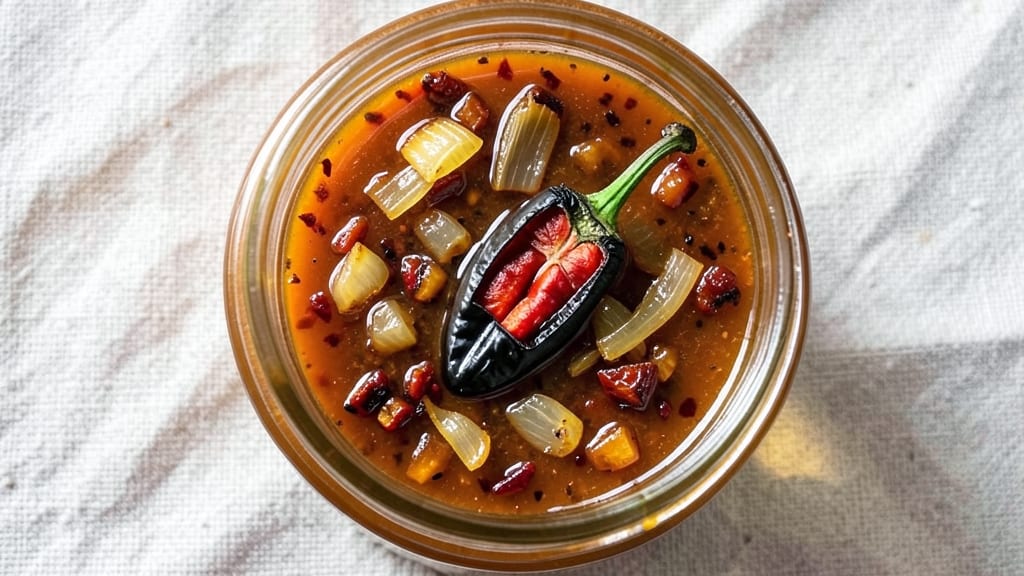
This hot sauce recipe with apple cider vinegar delivers a perfect balance of fiery heat and bright tang that elevates everything from tacos to grilled meats. The apple cider vinegar creates a smooth, fruity acidity that cuts through the spice, while carefully chosen peppers provide controlled heat without overpowering.
I developed this recipe after craving a hot sauce with depth—something that adds complexity rather than just burning your mouth.
The foundation starts with a simple blend of apple cider vinegar, garlic, and onion for a savory base, then layers in fresh habanero and cayenne for heat that builds gradually.
A touch of honey or maple syrup balances the sharpness, ensuring the sauce remains versatile for both spicy dishes and those who prefer a milder kick. The fermentation process (optional but recommended) deepens the flavor, creating a sauce that tastes even better after a few days.
What makes this sauce stand out is its adaptability—use it as a finishing drizzle, a marinade, or a dip for wings. The apple cider vinegar adds a subtle sweetness that rounds out the heat, making it ideal for those who love bold flavors without overwhelming spice.
Once you taste the difference between this homemade version and store-bought, you’ll never go back.
Ready in just 15 minutes with minimal effort, this hot sauce requires only a blender, a jar, and patience for the flavors to meld. Whether you're a seasoned cook or a beginner, this recipe delivers restaurant-quality heat with a tangy twist. Let’s get started!
Ingredients for hot sauce recipe apple cider vinegar
Nine simple ingredients transform into this bright, balanced hot sauce with tangy depth.
| Ingredient | Amount | Notes |
|---|---|---|
| Apple Cider Vinegar 🍏 | 1 cup | Raw, unfiltered preferred |
| Fresh Habanero Peppers 🌶️ | 2 whole | Seeds removed for milder heat |
| Cayenne Pepper 🌶️ | 1 tbsp | Adjust for desired heat level |
| Garlic Cloves 🧄 | 4 cloves | Freshly minced for best flavor |
| Yellow Onion 🧅 | ½ whole | Diced, medium size preferred |
| Pure Maple Syrup 🍯 | 2 tbsp | Or honey for slight variation |
| Salt 🧂 | 1 tsp | Kosher or sea salt preferred |
| Black Peppercorns 🌶️ | ½ tsp | Freshly cracked for depth |
| Water 💧 | ¼ cup | For thinning if needed |
The apple cider vinegar is the soul of this sauce—Bragg or Mott's are my go-tos, but any raw, unfiltered brand works. Habaneros are the star for heat, but farmers markets often have them fresher than grocery stores. If you can't find habaneros, jalapeños with seeds removed work in a pinch, though the flavor will be milder. The cayenne adds a smoky backbone—Penzeys or bulk bins at Whole Foods have the best quality. Garlic and onion are your savory anchors, so don't skimp on freshness here. I always grab extra garlic because half gets tossed in with the peppers while the other half goes into the sauce.
No habaneros? Serrano peppers or ghost peppers (seeds removed) bring similar heat. The maple syrup can be swapped for honey—just reduce the amount slightly since honey's sweeter. Short on time? Pre-minced garlic from a jar works, but fresh is always better. The black peppercorns should be cracked, not powdered—a mortar and pestle makes this easy. For a smoother sauce, blend everything first, then strain through a fine-mesh sieve. If it's too thick after blending, add water one tablespoon at a time until it reaches your desired consistency. The sauce ferments beautifully in a jar—just cover loosely and let it sit for 3-5 days in a cool, dark place for deeper flavor.
This sauce keeps up to 3 months in the fridge once opened, but it actually improves with age. I like to store it in a glass jar with an airtight lid—the vinegar preserves it naturally. For fermenting, use a clean mason jar and leave it uncovered with a loose lid or cloth. The longer it ferments, the tangier and more complex it becomes. Freeze in ice cube trays for single-use portions. Trust me, you'll want to make extra—this sauce disappears fast, especially when tacos or wings are on the menu.
Why You'll Love This Recipe
- Few Ingredients, Big Bang: Honestly, I keep it in my pantry because I only need five things—vinegar, habaneros, cayenne, onion, and garlic. No fancy jars, no confusing ratios. Just chop, simmer, and you’re done. (Yes, even on a Tuesday night.)
- Tangy Heat Balance: That apple cider vinegar cuts through the habanero’s fire like a cool breeze after a run, while the cayenne adds a slow-building warmth. The onion and garlic? They make it taste like you slaved over it for hours—when really, it’s just a 20-minute simmer.
- Dress Up Anything: Slather it on grilled chicken, stir it into marinades, or drizzle it over roasted veggies. I’ve even poured it into my coffee when I’m feeling wild. (Don’t judge.) It’s the one sauce that turns boring meals into something worth talking about.
- Makes a Batch, Keeps Forever: A big jar lasts me months—no wasted food, no last-minute grocery runs. Freeze extras in ice cube trays for single-use heat bursts. And because vinegar’s cheap, I’m not breaking the bank for flavor that actually sticks around.
Step-by-step instructions for homemade apple cider vinegar hot sauce
Here's how to blend vibrant heat with bright tang using just a few simple ingredients.
Prepare the Peppers and Aromatics
Start by removing the seeds and membranes from the 2 whole fresh habanero peppers—this reduces the heat while keeping the fruity depth. Finely chop the peppers and set aside. Next, dice the 0.5 whole yellow onion into small pieces, about ¼-inch cubes. In a separate bowl, mince the 4 cloves garlic cloves until you have a fine paste.
I like to use a sharp chef's knife for the peppers and a microplane for the garlic—this ensures even distribution of flavors. The habaneros should be finely chopped so they blend seamlessly into the sauce without any texture surprises. Keep these components separate until we combine them in the saucepan.
Build the Base in a Saucepan
In a medium saucepan, combine the 1 cup apple cider vinegar, 1 tablespoon cayenne pepper, 1 teaspoon salt, and 0.5 teaspoon freshly cracked black peppercorns. Bring this mixture to a gentle simmer over medium heat—you should see small bubbles forming at the edges but not a full rolling boil. Let it simmer for 5 minutes to allow the spices to bloom and release their flavors into the vinegar.
This step is where the foundation of your hot sauce comes together. The vinegar's acidity will mellow slightly as it cooks, creating a balanced tang that won't overwhelm the heat. Keep the heat at medium-low to prevent the vinegar from evaporating too quickly, which could make your sauce too concentrated.
Add Sweetness and Vegetables
After 5 minutes of simmering, add the chopped habaneros, diced onion, and minced garlic to the saucepan. Stir well to combine, then pour in the 2 tablespoons pure maple syrup. The syrup will help balance the heat with natural sweetness while adding depth to the sauce. Let the mixture simmer for another 10 minutes, stirring occasionally, until the onion becomes translucent and the garlic is fragrant.
You'll notice the colors start to meld beautifully—the deep red of the habaneros blending with the golden hue of the onion and garlic. The sauce should thicken slightly as it reduces, but it shouldn't become syrupy. If you find it's getting too thick too quickly, you can add 1-2 tablespoons of the 0.25 cup water to adjust the consistency.
Simmer and Strain for Smoothness
Continue simmering the mixture for an additional 10-15 minutes until the flavors have fully melded together. You'll know it's ready when the sauce has a glossy sheen and the raw taste of the vegetables has softened into a smooth, cohesive flavor. The total simmering time should be about 25-30 minutes from start to finish.
Once the sauce reaches this stage, remove it from the heat and let it cool for 5 minutes. Then, strain the mixture through a fine-mesh sieve or cheesecloth into a clean bowl or jar. This step removes any fibrous texture from the peppers and onion, leaving you with a silky-smooth hot sauce. Press gently on the solids to extract all the flavorful liquid.
Bottle and Let It Rest
Transfer the strained hot sauce to a clean glass bottle or jar with an airtight lid. Let it cool completely at room temperature, then refrigerate for at least 24 hours before using. This resting period allows the flavors to fully develop and meld together, resulting in a more complex and balanced sauce.
The sauce will keep in the refrigerator for up to 3 months, though I find it tastes best within the first 2 weeks. The apple cider vinegar's tang will shine through, perfectly complementing the habanero's heat and the maple syrup's subtle sweetness. Use it to spice up soups, drizzle over tacos, or mix into marinades for an extra zesty kick.
Pro Tips For Making Hot Sauce Recipe Apple Cider Vinegar
- REMOVE SEEDS FROM HABANEROS: Fresh habaneros pack serious heat, but the seeds and membranes are where most of the capsaicin lives—and that can turn your sauce into a mouth-on-fire regret. Scoop them out with a spoon before chopping, and save a few seeds if you want extra spice later (but trust me, you probably won’t).
- SWEAT ONIONS LOW AND SLOW: I used to rush this step, and the onions would either burn or taste raw. Instead, drop them in a cold pan with a splash of vinegar (yes, even before heating) and turn the heat to medium-low. Let them bubble gently for 8–10 minutes until they’re translucent but not browned—this builds flavor without bitterness.
- STRAIN OUT THE GARLIC: Garlic burns faster than you’d think, especially with vinegar’s acidity. After mincing, toss the cloves in a dry pan for 30 seconds just to soften them, then immediately plunge them into the vinegar mixture. Strain the sauce later if you want smooth heat—those crisped bits add bitterness no one needs.
- LET IT REST BEFORE BOTTLING: Pouring hot sauce into jars straight from the stove? Bad idea. Let the mixture sit at room temp for at least 2 hours (or overnight in the fridge) so flavors meld and the vinegar’s sharpness mellows. This also lets sediment settle—skim the top before bottling for a cleaner, pro-looking finish.
Wine and beer pairings for this dish
Crisp White Wine
A Sauvignon Blanc from New Zealand or Loire Valley is my go-to pairing for this apple cider vinegar hot sauce—its bright acidity and citrus notes mirror the tangy vinegar while cutting through the habanero's heat.
Look for a wine with 12-13% ABV and flavors of green apple or lime to enhance the sauce's fruity depth. Serve slightly chilled (45-50°F) to refresh your palate between spicy bites. 🍷
Light-Bodied Red
For those who prefer red, a Pinot Noir from Oregon or Burgundy offers an elegant contrast. Its delicate tannins and red fruit flavors (think cherry and raspberry) won’t overpower the sauce’s complexity.
Opt for a cool-climate Pinot with 12-13.5% ABV—these wines have enough body to stand up to the heat without clashing. Serve at 55-60°F to highlight its silky texture against the sauce’s sharpness.
Hoppy IPAs
Craft beer lovers should reach for a hazy IPA or West Coast-style IPA with 50-60 IBUs—the citrusy hops (like Cascade or Citra) complement the apple cider vinegar’s brightness, while the malt backbone balances the habanero’s heat.
Try a New England IPA for a cloudy, juicy mouthfeel that softens the sauce’s tang. Aim for 5.5-6.5% ABV to avoid overwhelming the dish. 🍺
Sour Ales
A Berliner Weisse or Gose with 3-4% ABV and a touch of wheat or coriander adds a refreshing, slightly tart contrast to the hot sauce. The effervescence cleanses your palate, while the mild acidity enhances the vinegar’s tang.
For a bolder option, try a sour red ale—its fruity notes (like cranberry or raspberry) pair beautifully with the maple syrup’s sweetness.
Non-Alcoholic Options
Skip the alcohol? A sparkling apple cider (like Martinelli’s or Woodchuck) mimics the sauce’s tangy profile without the burn. For a savory twist, try a ginger beer (like Feather’s)—the ginger’s warmth complements the habanero’s heat. Chill both to 40-45°F for the best experience.
Nutrition facts
Frequently asked questions
Can I adjust the heat level in this hot sauce?
For milder heat, reduce the habanero to 1 pepper and use ½ tablespoon cayenne. For extra spice, add ½ teaspoon red pepper flakes or swap in ghost peppers (seeds removed). Always taste as you go—vinegar helps balance heat naturally.
Why does my sauce taste too sharp after fermenting?
Fermentation increases acidity, so if it's too sharp, dilute with 1 tablespoon water per ¼ cup sauce or add ½ teaspoon honey to mellow the tang. Let it rest 24 hours before tasting again—the flavors will settle.
What’s the best way to store leftover hot sauce?
Transfer to a clean glass jar with an airtight lid and refrigerate for up to 3 months. For long-term storage, freeze in ice cube trays—thaw overnight in the fridge. The vinegar preserves it naturally, but fermentation speeds up in warm climates.
Can I make this sauce without fresh peppers?
Yes! Use 1 tablespoon dried habanero flakes (or 2 tablespoons cayenne) plus 1 teaspoon smoked paprika for depth. Simmer the spices in vinegar for 10 minutes before adding other ingredients. The flavor won’t be identical, but it’ll still pack a punch.
How can I use this sauce beyond drizzling?
Mix 1 tablespoon into marinades for grilled chicken or pork, stir into Bloody Marys for a spicy kick, or reduce with 1 cup broth to make a tangy glaze for roasted veggies. It’s also perfect for brining—add ¼ cup to 1 quart water for pickled onions or shrimp.