
Sauces & Condiments
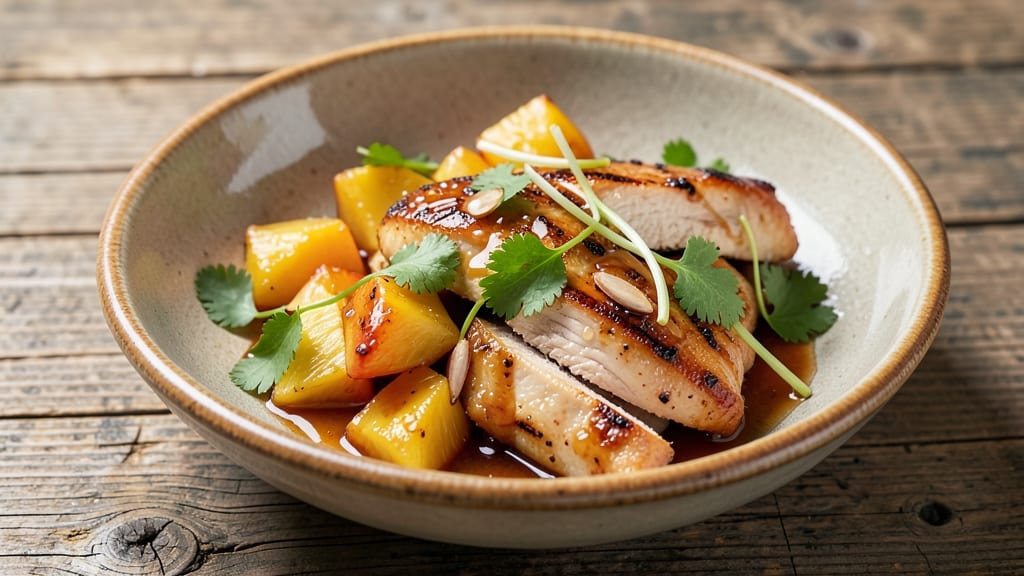
This gluten-free teriyaki sauce transforms ordinary dishes into restaurant-worthy meals with its fermented depth and tropical tang. 🌟 The secret lies in pineapple juice, which replaces traditional soy sauce while delivering a bright, slightly acidic sweetness that balances the umami-rich ingredients.
I developed this recipe after years of searching for a sauce that delivered authentic flavor without gluten, and it never fails to elevate grilled proteins or pineapple skewers.
The foundation is built on a simple yet powerful combination of pineapple juice, coconut aminos (for that signature teriyaki taste without gluten), and a touch of apple cider vinegar for brightness. A small amount of cornstarch thickens the sauce perfectly, while fresh ginger and garlic add aromatic warmth.
The sauce can be used immediately or stored in the refrigerator for up to two weeks, making it perfect for batch cooking.
What sets this sauce apart is its versatility—it works beautifully on grilled chicken, tofu, or even drizzled over pineapple slices for a sweet-savory glaze. The pineapple juice not only adds natural sweetness but also tenderizes proteins as they cook, ensuring every bite is juicy and flavorful.
The fermented depth comes from letting the sauce sit for at least 30 minutes before using, allowing the flavors to meld into a harmonious blend.
Whether you're cooking for a weeknight dinner or prepping for a meal prep session, this sauce is a game-changer. It’s gluten-free, naturally sweetened, and packed with umami—proving that you don’t need traditional ingredients to create a sauce that tastes like it came from a high-end restaurant. Let’s get started!
Ingredients for gluten free teriyaki sauce recipe with pineapple juice
Nine ingredients deliver restaurant-quality teriyaki flavor without gluten or soy.
| Ingredient | Amount | Notes |
|---|---|---|
| Pineapple Juice 🍍 | 1 cup | Freshly squeezed for brightness |
| Coconut Aminos 🥫 | ½ cup | Gluten-free soy sauce substitute |
| Apple Cider Vinegar 🍏 | 2 tbsp | For tangy depth |
| Cornstarch 🌾 | 1 tbsp | Dissolved in 2 tbsp water |
| Fresh Ginger 🌿 | 1 tbsp | Finely grated, aromatic |
| Garlic Cloves 🧄 | 3 cloves | Minced for aromatic base |
| Sesame Oil 🫒 | 1 tbsp | Toasted for nutty aroma |
| Honey 🍯 | 2 tbsp | Natural sweetener (optional) |
| Salt 🧂 | ½ tsp | Diamond Crystal preferred |
| Black Pepper 🌶️ | ¼ tsp | Freshly cracked |
The pineapple juice is non-negotiable—it’s what gives this sauce its signature tropical tang and tenderizing power. Freshly squeezed from a ripe pineapple at Whole Foods or your local Asian market delivers the best flavor, but canned pineapple juice works in a pinch. Coconut aminos, the gluten-free soy sauce substitute, should be lightly fermented for maximum umami—brands like Annie Chun’s or Coconut Secret are reliable. Fresh ginger and garlic are essential for that aromatic depth, so don’t skip the zest. If you’re using jarred ginger, make sure it’s labeled as fresh—ground ginger won’t cut it here.
No coconut aminos? Tamarind paste or gluten-free fish sauce can mimic the fermented depth, though the flavor will differ slightly. Short on honey? Maple syrup or agave nectar work in equal amounts, but honey’s floral notes are ideal. Sesame oil is optional but adds a nutty richness—if you skip it, a pinch of toasted sesame seeds at the end will still deliver that signature aroma. The cornstarch slurry is key for thickening; whisk it vigorously to avoid lumps. For a spicier kick, add a dash of sriracha or red pepper flakes at the end.
This sauce thickens as it sits, so let it rest for at least 30 minutes before using—patience is key for that fermented depth. Store leftovers in an airtight container in the fridge for up to 2 weeks, or freeze for 6 months in ice cube trays for single-use portions. The sauce reheats beautifully—simply warm it gently on the stove or microwave until just hot. It’s perfect for batch cooking; double the recipe and freeze half for future meals.
Why You'll Love This Recipe
- Pantry-to-Pan Fast: I swear by this sauce—just simmer pineapple juice, coconut aminos, and ginger until it thickens. No fancy techniques, no waiting for fancy ingredients to arrive.
- Tangy-Sweet Magic: That apple cider vinegar cuts through the sweetness like a dream, while the ginger adds this bright, almost tropical kick. It’s the kind of flavor that makes you pour it on everything—even plain rice.
- Meal Prep MVP: Doubles as marinade, stir-fry sauce, or even a glaze for roasted veggies. I make a big batch on Sundays and keep it in the fridge for lazy weeknights—no reheating needed, just drizzle.
- Budget Brightener: Coconut aminos are cheaper than soy sauce, and pineapple juice adds natural sweetness without syrup. Honestly, it’s the kind of recipe that makes grocery shopping feel like a win.
Step-by-step instructions for gluten-free teriyaki sauce
This method delivers a rich, fermented depth with tropical brightness—perfect for marinades or stir-fries.
🍳 Step 1: Bloom Aromatics in Toasted Sesame Oil
Heat a small saucepan over medium-low heat and add the 1 tablespoon sesame oil. Allow it to warm for 30 seconds until fragrant—you'll notice a nutty aroma develop. This step is crucial; it prevents the oil from burning while extracting maximum flavor from the aromatics.
Add the 3 minced garlic cloves and 1 tablespoon finely grated fresh ginger. Sauté for 1-2 minutes until the garlic turns golden and the ginger becomes translucent. Watch closely—ginger burns easily, so keep heat gentle. Remove from heat immediately after cooking to preserve their bright flavors.
🍳 Step 2: Combine Wet Ingredients and Simmer
Return the pan to medium heat and pour in the 1 cup pineapple juice, 0.5 cup coconut aminos, and 2 tablespoons apple cider vinegar. Stir to combine, then add the 2 tablespoons honey and 0.5 teaspoon salt. Bring to a gentle simmer, then reduce heat to low.
Let the mixture simmer uncovered for 5-7 minutes until slightly reduced by about 20%. You'll see the sauce thicken slightly and the aromas intensify. This reduction concentrates the flavors and prepares the base for thickening. Taste occasionally—adjust sweetness with more honey or tang with vinegar if needed.
🥘 Step 3: Thicken with Cornstarch Slurry
In a small bowl, whisk together the 1 tablespoon cornstarch with 2 tablespoons cold water until completely dissolved. This creates a smooth slurry that prevents clumping. Return the pan to medium heat and slowly pour the slurry into the simmering sauce while stirring constantly.
Cook for 1-2 minutes until the sauce reaches your desired consistency—it should coat the back of a spoon but remain pourable. If it thickens too quickly, add 1 tablespoon water to adjust. Once thickened, stir in the 0.25 teaspoon black pepper and give it one final taste adjustment. The sauce should balance sweet, tangy, umami, and spicy notes harmoniously.
⏰ Step 4: Cool and Store for Maximum Flavor
Remove the sauce from heat and let it cool to room temperature. This step allows the flavors to meld further—patience here makes a noticeable difference. Once cooled, transfer to an airtight container and refrigerate for at least 1 hour before using.
For best results, let the sauce sit in the fridge overnight. The flavors will develop deeper complexity through fermentation, especially with the coconut aminos and pineapple juice. The sauce will keep in the refrigerator for up to 2 weeks, with flavor actually improving over time. Use it to glaze proteins, drizzle over stir-fries, or reduce it further for a glossy finish on roasted vegetables.
Pro Tips For Making Gluten Free Teriyaki Sauce Recipe With Pineapple Juice
- STRAIN THE JUICE: Fresh pineapple juice is a game-changer, but if you’re using canned or bottled, strain it through a fine-mesh sieve first. I learned this the hard way—fibers and pulp clog the sauce and make it look unappealing. A clean, smooth base lets the ginger and coconut aminos shine without grittiness.
- SIMMER LOW AND SLOW: This isn’t a race. Bring the sauce to a gentle simmer—no boiling—and let it reduce over 15–20 minutes. I used to rush it, and the sauce turned thin and watery. Low heat preserves the pineapple’s natural sweetness and thickens the cornstarch properly without burning the ginger.
- GRATE THE GINGER FINE: Skip the pre-grated jar—it’s often weak and uneven. Use a microplane or the smallest holes on a box grater for fresh ginger. A tablespoon of finely grated ginger (packed) adds real depth, while pre-grated might as well be a pinch. Trust me, your sauce will taste brighter.
- TEST THE THICKNESS EARLY: Taste the sauce before it fully reduces. If it’s still too thin after 10 minutes, mix your cornstarch with a splash of cold pineapple juice first—this prevents clumping. I now add a little extra cornstarch (½ tsp more) upfront to avoid scrambling at the end. No one likes a lumpy teriyaki.
Perfect pairings for this gluten free teriyaki sauce recipe with pineapple juice
Protein Pairings
This sauce shines on grilled chicken thighs—brush them generously before cooking for a caramelized glaze. I love using bone-in, skin-on thighs from Whole Foods because they stay juicy while developing crispy skin.
For tofu lovers, marinate extra-firm tofu in the sauce for 30 minutes before pan-frying—it absorbs the flavors beautifully. 🍗
Vegetable Glazes
Drizzle this sauce over roasted Brussels sprouts or broccolini for a sweet-savory contrast. Toss them with 1 tablespoon olive oil and ½ teaspoon red pepper flakes, then roast at 425°F for 15 minutes before adding the sauce.
The pineapple juice tenderizes the vegetables while the coconut aminos add umami depth.
Pineapple Skewers
Combine the sauce with grilled pineapple chunks for a tropical twist. Thread 1 cup pineapple chunks with ½ cup red bell pepper strips and ½ cup cooked shrimp onto skewers, then brush with the teriyaki sauce.
Grill for 2-3 minutes per side—the sauce caramelizes into a sticky glaze that complements the pineapple perfectly. 🍍
Rice Bowl Topper
Use this sauce as a finishing drizzle for jasmine rice bowls. Cook 1 cup jasmine rice according to package instructions, then top with sliced grilled chicken, steamed bok choy, and a generous pour of the sauce.
Garnish with toasted sesame seeds and sliced green onions for freshness. The sauce’s tangy-sweet balance cuts through the richness of fried rice or noodles.
Breakfast Adaptations
Transform your morning with this sauce on scrambled eggs or tofu scramble. Stir 1-2 tablespoons into beaten eggs before cooking, or drizzle over crispy tempeh bacon for a savory-sweet breakfast.
The pineapple juice adds brightness that pairs surprisingly well with the richness of eggs. Serve with avocado slices for a balanced meal. 🍳
Dessert Twist
For a unique dessert, drizzle the sauce over vanilla ice cream or coconut yogurt. The tropical sweetness of the pineapple complements the creamy texture, while the umami from coconut aminos adds depth.
Sprinkle with crushed macadamia nuts for crunch. This works especially well with store-bought coconut milk ice cream for a vegan-friendly treat. 🍦
Nutrition facts
Frequently asked questions
Can I substitute coconut aminos with another gluten-free soy sauce alternative?
Yes! Tamarind paste (1 tbsp per ¼ cup) or gluten-free fish sauce (like Red Boat) work well, though the flavor will differ slightly. For a deeper umami, try miso paste (white or red) - use 1 tbsp and reduce other liquids by 2 tbsp to maintain balance. The pineapple juice will still provide that signature brightness.
How do I adjust the sweetness if I prefer less sugar?
Start by reducing the honey to 1 tbsp and taste after simmering. For extra sweetness control, add 1 tbsp maple syrup instead of honey - it has a milder flavor. If you want to eliminate sweetness entirely, omit the honey and add 1 extra tbsp apple cider vinegar to compensate for the lost tang-sweet balance.
Can I make this sauce without cornstarch for a grain-free version?
Replace the cornstarch with 1 tbsp arrowroot powder mixed with 2 tbsp water for a grain-free thickener. For a completely sugar-free option, use 1 tbsp psyllium husk powder (mixed with 2 tbsp water) - it creates a similar gel-like consistency. The sauce will be slightly thinner but still flavorful.
Why does my sauce taste too thin even after thickening?
This usually happens when the sauce isn't reduced enough before adding the thickener. For best results, simmer the wet ingredients for 10-12 minutes (not just 5-7) to reduce by 30-40% before thickening. If it's still too thin, make another slurry with ½ tbsp cornstarch + 1 tbsp water and whisk vigorously to avoid clumps.
How can I use this sauce in cold applications like salads?
For cold dishes, reduce the sauce by 50% first (simmer until syrupy) to create a glossy glaze. Let it cool completely, then drizzle over cucumber salads, mango salsa, or chilled soba noodles. The pineapple juice adds a refreshing contrast to cold dishes, while the coconut aminos provide umami depth that works surprisingly well in unexpected places!