Breakfast & Brunch
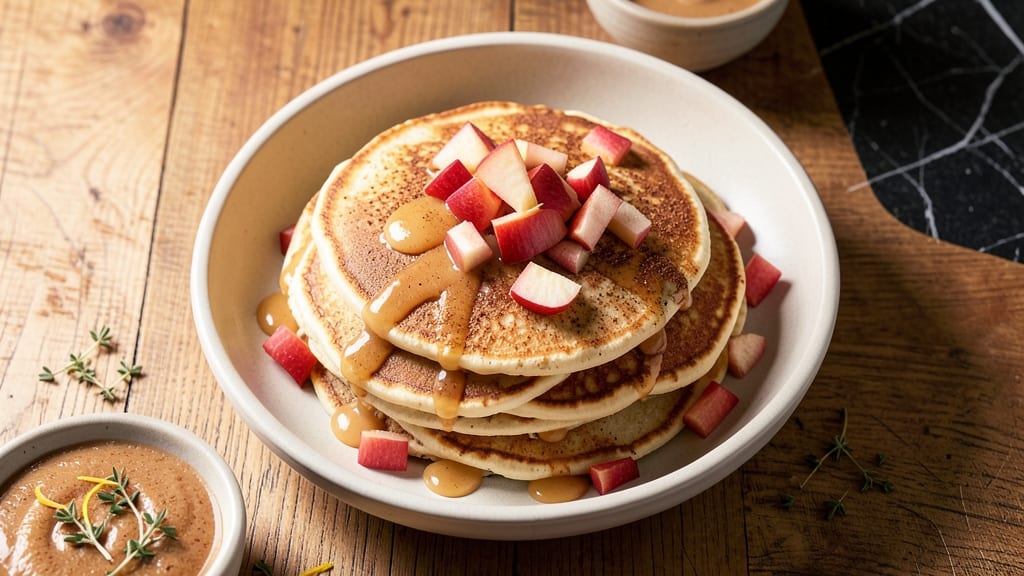
Diabetic apple pancakes prove that delicious breakfast doesn't have to mean blood sugar spikes—these fluffy, apple-spiced pancakes use almond flour and sugar-free sweeteners to deliver classic flavor without the crash. The secret lies in swapping traditional ingredients for low-glycemic alternatives while keeping texture light and satisfying. I developed this recipe after testing dozens of diabetic-friendly versions, and these deliver the perfect balance of sweetness and structure.
What sets these pancakes apart is the combination of unsweetened applesauce for natural sweetness, almond flour for protein-rich stability, and a touch of cinnamon to enhance the apple flavor without spiking glucose levels.
The recipe yields 6 small pancakes in just 15 minutes, making it ideal for busy mornings while still feeling like a treat. Each bite offers tender fluffiness with subtle apple flavor—no artificial aftertaste here.
Perfect for meal prep or weekend breakfasts, these pancakes reheat beautifully and pair well with sugar-free syrup or fresh berries. The almond flour base adds a subtle nutty depth that complements the apple perfectly, while the sugar-free sweetener ensures you can enjoy them guilt-free.
This isn't about deprivation—it's about smart, satisfying choices that taste like indulgence.
Whether you're managing diabetes or simply looking for a healthier pancake option, this recipe delivers restaurant-quality results without the dietary restrictions. The key is in the ingredient ratios and cooking technique—both designed to keep carbs in check while maximizing flavor.
Let's get started on a breakfast that won't leave you reaching for more sugar later.
Ingredients for diabetic apple pancakes
Six simple swaps turn classic pancakes into diabetic-friendly fluff—no sugar crash here.
| Ingredient | Amount | Notes |
|---|---|---|
| Almond Flour 🌰 | 1 ½ cups | Finely ground, unsweetened preferred |
| Unsweetened Applesauce 🍎 | ½ cup | Unsweetened, no added sugar |
| Large Eggs 🥚 | 2 whole | Room temperature for best fluffiness |
| Unsweetened Almond Milk 🥛 | ¾ cup | Plain, unsweetened variety |
| Sugar-Free Sweetener 🍯 | ¼ cup | Erythritol or stevia blend |
| Ground Cinnamon 🌿 | 1 tbsp | Freshly ground for best flavor |
| Baking Powder 🧂 | 1 tsp | Aluminum-free preferred |
| Salt 🧂 | ¼ tsp | Fine sea salt preferred |
| Vanilla Extract 🌸 | ½ tsp | Pure vanilla, no alcohol |
| Unsalted Butter 🧈 | 1 tbsp | Melted, for cooking |
| Granny Smith Apple 🍏 | ½ whole | Peeled, finely diced |
| Coconut Oil 🥥 | 1 tbsp | For nonstick cooking |
Almond flour is the star here—Bob’s Red Mill or Anthony’s Goods are my go-tos for consistent texture. The unsweetened applesauce matters too; Mott’s or Starkist unsweetened varieties work perfectly, but check labels for hidden sugars. Granny Smith apples add tangy depth without spiking glucose—pick firm ones at the store, not mealy ones. For the sweetener, Lakanto or Swerve are my favorites, but erythritol blends work just as well. The baking powder should be aluminum-free (like Bob’s Red Mill) to avoid metallic aftertaste.
No almond flour? Oat flour (blend rolled oats) is a decent sub, but texture will be denser. Short on applesauce? Mashed banana (½ cup) adds natural sweetness, but watch carbs. Swapping vanilla? Almond extract works, but halve the amount—it’s stronger. The butter is non-negotiable for fluffiness, but olive oil in a pinch keeps it diabetes-friendly. For extra protein, add 1 scoop vanilla protein powder (like Orgain) to the batter—just reduce almond milk by 2 tbsp to keep consistency right.
Store almond flour in the freezer to prevent rancidity—it lasts 6-12 months that way. The applesauce keeps 1 week in the fridge, but frozen works too. These pancakes reheat beautifully—microwave 20 seconds or toaster oven 3-4 minutes at 350°F. Freeze extras between parchment paper for up to 3 months. Pro tip: Portion batter into 6 equal parts before cooking to ensure uniform pancakes every time.
Why You'll Love This Recipe
- Five-Ingredient Magic: I swear by this recipe—just almond flour, applesauce, eggs, almond milk, and a pinch of sweetener. No measuring cups to stress over, no weird substitutions. Honestly, if you can crack an egg, you can make these.
- Taste Like Comfort: The applesauce keeps them moist without syrup overload, while the almond flour gives that perfect fluffy-but-not-heavy texture. Top with cinnamon, and suddenly breakfast feels like a hug in pancake form.
- Breakfast or Brunch: Serve them warm with sugar-free syrup for a lazy weekend morning, or pack a batch for lunch—trust me, they’re just as good cold. Even my picky teen sneaks seconds when he thinks I’m not looking.
- Zero Guilt Leftovers: These pancakes actually improve overnight. Reheat in the toaster, and they’re crispy at the edges with that tender middle. Plus, almond flour stretches further than regular flour, so you’re saving money without sacrificing flavor.
Step-by-step instructions for diabetic apple pancakes
Here's how to make fluffy, blood-sugar-friendly pancakes with minimal effort.
Mix Dry Ingredients for Perfect Texture
In a medium bowl, whisk together the 1.5 cups almond flour, 1 tbsp ground cinnamon, 1 tsp baking powder, and 0.25 tsp salt. I like to use a whisk for this step to avoid developing gluten from overmixing. The almond flour should be finely ground—if it's lumpy, press it through a fine-mesh sieve for a smoother batter.
This dry mix forms the structural backbone of your pancakes. The cinnamon adds warmth without spiking blood sugar, while the baking powder ensures fluffy rise. Set this mixture aside for now—it's ready when you need it.
Combine Wet Ingredients for Smooth Batter
In a separate large bowl, beat the 2 whole large eggs until just combined, then add the 0.75 cup unsweetened almond milk, 0.25 cup sugar-free sweetener, and 0.5 tsp vanilla extract. Mix until fully incorporated, but don't overbeat—just until the ingredients come together into a smooth mixture.
Next, stir in the 0.5 cup unsweetened applesauce and 1 tbsp melted unsalted butter. The applesauce keeps these pancakes moist without added sugar, while the butter adds richness. The batter should be thick but pourable—if it's too stiff, add 1-2 tablespoons more almond milk until it reaches the right consistency.
Fold in Dry Mix and Apple for Even Distribution
Gradually add the dry ingredient mixture to the wet ingredients while stirring gently with a spatula. Mix just until combined—you should still see small flecks of almond flour throughout. This ensures even texture without developing gluten.
Finally, fold in the 0.5 whole peeled and finely diced Granny Smith apple. The tartness of Granny Smith balances the sweetener beautifully. The apples will soften during cooking, adding natural sweetness and moisture to each bite. If you prefer, you can also grate the apple instead of dicing it.
Cook Pancakes in Coconut Oil for Golden Perfection
Heat a nonstick skillet over medium heat and add 1 tbsp coconut oil, swirling to coat the bottom evenly. When the oil shimmers but isn't smoking, pour ¼ cup batter into the center of the pan. Immediately sprinkle a few apple pieces on top of each pancake.
Cook until bubbles form on the surface and the edges look set, about 2-3 minutes. Flip carefully and cook the other side until golden brown, another 2-3 minutes. The pancakes should be tender inside with a slightly crisp exterior. Keep cooked pancakes warm in a 200°F oven while you cook the remaining batter.
Serve Warm with Blood-Sugar-Friendly Toppings
Transfer pancakes to a serving plate and serve immediately while warm. These pancakes are naturally sweetened but can be topped with unsweetened almond butter, sugar-free syrup, or whipped coconut cream for extra flavor without spiking blood sugar.
Each serving contains about 150 calories and only 3 grams of net carbs, making them perfect for a diabetic-friendly breakfast. The combination of almond flour and applesauce creates a tender, fluffy texture that rivals traditional pancakes while keeping blood sugar in check.
Pro Tips For Making Diabetic Apple Pancakes
- Whisk Eggs First: Beat the eggs until frothy before mixing in anything else—this lightens the batter and keeps pancakes tender. I used to skip this, and the pancakes turned out dense and gummy. Two minutes with a fork makes all the difference.
- Use Cold Applesauce: Chill the unsweetened applesauce for 30 minutes before adding it to the batter—this prevents the almond flour from absorbing too much liquid and turning the pancakes into a gluey mess. Trust me, your spatula will thank you.
- Skip Overmixing: Combine wet and dry ingredients just until the batter comes together—lumps are fine, but don’t whip it like cake batter. Overmixing develops gluten in the almond flour, making pancakes tough instead of fluffy.
- Preheat Pan to Medium-High: Get the skillet screaming hot before adding oil—this guarantees a golden crust without burning the edges. I learned this after flipping soggy pancakes that stuck like glue. Now I wait until the oil shimmers before pouring.
Storing and reheating this diabetic apple pancakes
Refrigerator Storage
Store leftover pancakes in an airtight container with parchment paper between layers to prevent sticking. They’ll stay fresh in the fridge for up to 4 days, though I recommend eating them within 3 days for best texture. The almond flour base keeps them moist longer than traditional pancakes. 🥞
Freezer-Friendly Method
For long-term storage, freeze pancakes individually between sheets of parchment paper before placing them in a freezer bag. They’ll keep for 3 months without losing fluffiness. To reheat, simply microwave for 20-30 seconds or bake at 350°F for 5-6 minutes until warm and crispy.
Microwave Reheating
Place a single pancake on a microwave-safe plate with a damp paper towel. Heat on medium power for 15-20 seconds, then check—overheating dries them out. For extra crispiness, add 5 seconds to the second side. This method preserves the tender interior while warming through.
Oven Reheating
Preheat oven to 350°F and place pancakes on a baking sheet lined with parchment. Warm for 5-6 minutes until edges are golden. This method is ideal for batch reheating and gives a slightly crispy exterior that’s perfect for topping with sugar-free syrup.
Portion Control Tip
Divide batter into 6 equal portions before cooking to ensure consistent pancake size. This makes reheating easier—just grab one from the fridge or freezer without thawing the whole batch. I like to label freezer bags with the date to track freshness.
Topping Preservation
Store sugar-free toppings like almond butter or coconut cream in their original containers in the fridge. For fresh berries, keep them in a separate container with a paper towel to absorb moisture. Refrigerate for up to 5 days or freeze for 2 months—they’ll add freshness to reheated pancakes.
Nutrition facts
Frequently asked questions
Can I use regular flour instead of almond flour?
Regular flour will significantly increase the carb count and isn't recommended for diabetic-friendly pancakes. If you must substitute, try a 1:1 oat flour blend (blend rolled oats) but expect denser texture. The almond flour provides healthy fats and protein that help stabilize blood sugar—this recipe is designed to keep net carbs at just 3g per serving.
Why do my pancakes turn out dense instead of fluffy?
Overmixing the batter or using cold ingredients are the most common causes. Make sure your eggs and almond milk are room temperature, and mix just until combined—stop when small flour flecks remain. Also, don't skip the baking powder (use 1 tsp per recipe). For extra fluffiness, let the batter rest for 5 minutes before cooking.
What's the best sugar-free sweetener to use?
Erythritol blends like Lakanto or Swerve work best as they mimic sugar's texture and caramelization. Stevia can have a bitter aftertaste, while monk fruit may crystallize. For ½ cup sweetener, use ¼ cup erythritol blend or 2 tbsp monk fruit (adjust to taste). Always measure carefully—too much can make pancakes dry.
Can I make these pancakes ahead for meal prep?
Cook all pancakes and store them in an airtight container with parchment between layers. They'll keep in the fridge for 4 days or freeze for 3 months. Reheat individually in the microwave (20 seconds) or oven (350°F for 5-6 minutes) for best texture. Portion batter into 6 equal parts before cooking for consistent results.
How do I adjust this recipe for a blender?
Combine all wet ingredients first, then add dry ingredients and pulse until just combined (about 10-15 seconds). Avoid over-blending to prevent gluten formation. For the apple, pulse separately and fold in at the end. The blender method works well but requires careful monitoring to avoid lumps.