
Main Courses
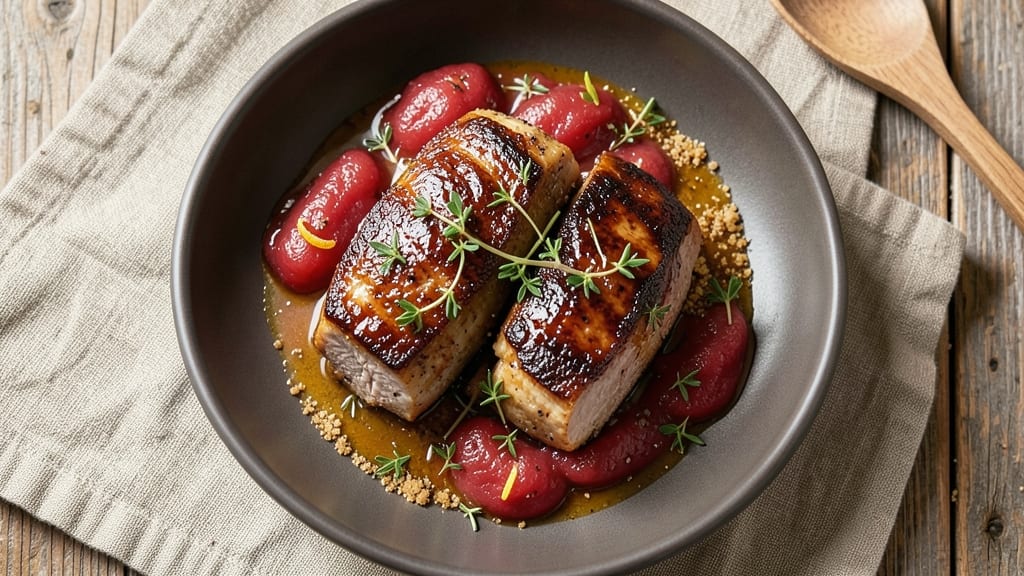
This cinnamon apple pork tenderloin recipe transforms simple ingredients into a showstopping centerpiece that balances sweet, spicy, and savory notes. Growing up in Georgia, I learned pork's magic lies in its versatility—this dish proves it with a glaze that caramelizes to golden perfection while keeping the meat impossibly tender.
The secret? A slow braise that melts the pork's collagen into velvety richness, then a final sear to lock in juices and create that coveted crust.
The recipe begins with a marinade of applesauce, brown sugar, and ground cinnamon—a trifecta that tenderizes the meat while infusing it with warm spice notes.
Unlike quick sears that risk drying out pork, this method relies on low-and-slow cooking (325°F for 45 minutes) followed by a high-heat finish to achieve that restaurant-quality caramelized edge. The result? A dish where each bite delivers juicy, fall-apart pork wrapped in a sticky-sweet glaze that clings like liquid gold.
Pair it with roasted sweet potatoes or crisp apple slices to complete the autumnal spread, and don't skip the garnish of fresh thyme—it adds an herbal brightness that cuts through the richness.
This isn't just pork; it's a foolproof technique that turns weeknight dinners into special occasions, proving that comfort food can be both impressive and effortless.
Perfect for holidays, family gatherings, or when you want to impress without stress. The recipe scales beautifully, and leftovers reheat wonderfully—though I can't promise they'll last that long. Let's get cooking.
Ingredients for cinnamon apple pork tenderloin
Simple ingredients transform into a restaurant-worthy centerpiece with tender pork and caramelized edges.
| Ingredient | Amount | Notes |
|---|---|---|
| Pork Tenderloins 🥩 | 2 whole | Center-cut, 1.5 lbs total |
| Unsalted Butter 🧈 | ½ cup | Cold, cut into 1-inch cubes |
| Unsweetened Applesauce 🍎 | ½ cup | Unseasoned, unsweetened |
| Light Brown Sugar 🍚 | ¼ cup | Packed, not packed |
| Ground Cinnamon 🌶️ | 1 tbsp | Freshly ground preferred |
| Fresh Thyme Leaves 🌿 | ¼ cup | Finely chopped, stems removed |
| Garlic Cloves 🧄 | 4 cloves | Minced, not pressed |
| Apple Cider Vinegar 🍶 | 1 tbsp | Bottled, not reduced |
| Diamond Crystal Kosher Salt 🧂 | 1 ½ tsp | Fine grain, not iodized |
| Freshly Ground Black Pepper 🌶️ | ½ tsp | Coarsely cracked |
| Granulated Honey 🍯 | 1 tbsp | Wildflower preferred |
| Extra-Virgin Olive Oil 🫒 | 1 tbsp | For searing |
The pork tenderloins are the star—center-cut for consistent cooking and maximum tenderness. Costco or Whole Foods carry the best quality, but any well-marbled cut works. Trim any visible silver skin before cooking for cleaner presentation. For the applesauce, unsweetened is critical—brands like Mott's or Starkist unsweetened work perfectly. The brown sugar should be light, not dark, to avoid overpowering the dish. Fresh thyme adds depth, so Trader Joe's or local farmers markets are ideal sources. If using dried thyme, reduce to one-third the amount.
No applesauce? Unsweetened applesauce pouches from Trader Joe's work in a pinch, or blend peeled, cored apples with a splash of water. Swap brown sugar for maple syrup at a 1:1 ratio if you prefer. The honey can be omitted if avoiding added sugars, though it enhances the glaze's caramelization. For extra richness, add 1 tbsp of Dijon mustard to the marinade. The olive oil matters—use a fruity, peppery variety like California Extra Virgin for searing. If you can't find fresh thyme, dried thyme at half the amount suffices, but fresh is ideal for that bright herbal note.
Marinate the pork for at least 2 hours (overnight for deeper flavor). Store leftovers in an airtight container for up to 4 days in the fridge or 3 months frozen. The glaze thickens as it cools, so reheat with a splash of water or apple cider. For a crowd, double the recipe—pork tenderloins scale perfectly. Garnish with extra thyme and a drizzle of honey before serving to elevate presentation.
Why You'll Love This Recipe
- One-Pan Magic: The applesauce glaze caramelizes right on the sheet pan—no extra bowls, no extra mess. Just butter, sugar, and cinnamon swirled into the pork while it roasts, and suddenly you’ve got a sticky, golden finish without lifting a finger.
- Sweet-Savory Balance: That first bite? Warm pork with a tender crunch, kissed by cinnamon and applesauce’s natural sweetness—like a cross between a holiday roast and a cozy dessert. The brown sugar deepens the flavor without tasting cloying, and the cinnamon lingers just enough to feel special.
- Weeknight Crowd-Pleaser: Between us, this is the dish I pull out when my in-laws visit or I’ve got a houseful of hungry teens. It’s fancy enough to impress but simple enough that even my picky-eating kid asks for seconds—no one suspects it’s just pork and pantry staples.
- Leftovers That Shine: The glaze thickens beautifully when reheated, turning reheated slices into a caramelized treat. I’ve sent this to work lunches, packed it for game days, and even turned extra portions into sliders—proof that good food gets better the second time around.
Step-by-step instructions for cinnamon apple pork tenderloin
This method delivers melt-in-your-mouth pork with a caramelized glaze that balances sweetness and spice perfectly.
Prepare the Pork and Glaze Base
Pat the 2 whole pork tenderloins completely dry with paper towels—this ensures maximum browning. In a small bowl, combine the 0.5 cup unsweetened applesauce, 0.25 cup light brown sugar, 1 tablespoon ground cinnamon, 1 tablespoon apple cider vinegar, 1 tablespoon granulated honey, and 0.25 cup finely chopped fresh thyme leaves. Mix thoroughly until the sugar dissolves completely and the mixture is smooth and aromatic.
This glaze is the heart of the dish, where the applesauce provides natural sweetness while the vinegar and honey create depth. The cinnamon and thyme will infuse the pork with warm, aromatic complexity. Let the glaze sit at room temperature while you prepare the pork—this allows the flavors to meld before application.
Sear the Pork for Maximum Flavor
Heat a large oven-safe skillet over medium-high heat until hot. Add the 1 tablespoon extra-virgin olive oil and swirl to coat. Place the pork tenderloins in the skillet and sear for 2-3 minutes per side until they develop a deep golden brown crust. This searing step is crucial—it locks in juices and creates the foundation for the caramelized glaze.
While the pork sears, sprinkle both sides generously with the 1.5 teaspoons diamond crystal kosher salt and 0.5 teaspoon freshly ground black pepper. The salt will penetrate the meat during the cooking process, while the pepper adds a subtle heat that balances the sweet glaze. Don't overcrowd the pan—searing requires space for proper browning.
Build the Glaze and Roast to Perfection
Remove the pork from the skillet and carefully pour off all but 1 tablespoon of the rendered fat. Return the skillet to medium heat and add the prepared glaze mixture. Stir constantly for 2-3 minutes until the glaze begins to bubble and thicken slightly. The mixture should reduce enough to coat the back of a spoon but remain pourable.
Place the seared pork tenderloins back into the skillet, spooning the glaze evenly over the top. Transfer the skillet to a preheated 400°F oven and roast for 15-18 minutes or until the internal temperature reaches 145°F when measured with a meat thermometer. The glaze should bubble vigorously and begin to caramelize, forming a glossy, sticky crust on the pork.
Rest and Caramelize the Glaze
Remove the pork from the oven and let it rest on a wire rack for 5-7 minutes. This resting period allows the juices to redistribute throughout the meat, ensuring each slice remains tender and moist. While the pork rests, return the skillet to medium-low heat and let the glaze reduce further for an additional 2-3 minutes until it reaches your desired consistency—it should coat the back of a spoon but remain spreadable.
Slice the pork tenderloins into ½-inch thick medallions and serve immediately, spooning the caramelized glaze over the top. The exterior should be beautifully caramelized with a glossy sheen, while the interior remains juicy and tender. This dish pairs exceptionally well with roasted root vegetables or a simple green salad to balance the richness.
Pro Tips For Making Cinnamon Apple Pork Tenderloin
- Use a Meat Thermometer: I learned this the hard way—pork tenderloin can go from perfect to dry in seconds. Pull it at 145°F (63°C) internal temp, then let it rest 5 minutes under foil. No guessing, no overcooking.
- Pat Dry Before Browning: This isn’t the prettiest method, but it’s the tastiest. Wet pork won’t brown worth a damn—dry it thoroughly with paper towels before searing. The crust locks in flavor, and you’ll notice the difference immediately.
- Deglaze with Apple Juice: Skip the water—it’s bland. After browning, splash in ¼ cup apple juice (or a splash of cider vinegar) instead. It cuts the richness and adds depth to the sauce that just applesauce alone can’t match.
- Mix the Glaze Early: This isn’t the prettiest step, but it saves cleanup and ensures even coating. In a small bowl, whisk together the applesauce, brown sugar, cinnamon, and melted butter before the pork hits the pan. No last-minute scrambling, no sticky messes.
Common mistakes when making your cinnamon apple pork tenderloin
Overcooking the Pork
Pork tenderloin cooks faster than you might think, and once it hits 145°F internal temperature, it continues cooking from residual heat. I’ve seen home cooks pull pork out at 160°F and end up with dry, chewy results.
Use a meat thermometer—I swear by the ThermoWorks Smoke—and remove it when it hits 145°F. Let it rest for 5-7 minutes before slicing, or you’ll lose all those juices. 🌡️
Skipping the Sear
Many home cooks rush the searing step, thinking it’s optional. But that golden crust isn’t just for looks—it locks in flavors and prevents the glaze from pooling on top without sticking.
Heat your skillet until it’s smoking hot, then sear the pork for 2-3 minutes per side until deeply browned. If your pan isn’t hot enough, the pork will steam instead of sear, and the glaze won’t caramelize properly.
Using Sweetened Applesauce
This is a rookie mistake that throws off the balance of flavors. Sweetened applesauce adds extra sugar, making the glaze cloyingly sweet and masking the cinnamon’s warmth. Always use unsweetened applesauce—brands like Mott’s or Starkist unsweetened work perfectly.
If you’re in a pinch, blend peeled apples with a splash of water and strain out the pulp to mimic the texture. The glaze’s harmony depends on this precise sweetness level.
Ignoring the Resting Time
Pork tenderloin is lean, and cutting into it too soon causes all the juices to spill out. I’ve seen cooks slice into it immediately after roasting, thinking it’ll be more tender—exactly the opposite happens. Let it rest for 5-7 minutes on a wire rack.
This also gives the glaze time to thicken slightly, making it easier to spoon over the slices. Trust me, those few minutes make all the difference in texture and presentation. ⏰
Overcrowding the Pan
If you’re cooking more than one tenderloin, don’t stack them in the pan. Overcrowding causes the pork to steam instead of sear, leading to pale, soggy results. Cook them in batches if needed, or use a larger skillet.
The goal is to get that deep, golden crust—crowding prevents proper browning. I’ve even used two skillets side by side when needed. A little extra effort here ensures a restaurant-quality finish. 🔥
Underestimating Glaze Reduction
The glaze needs time to reduce and caramelize, but many cooks rush this step. If you skip letting it thicken in the oven or on the stovetop, you’ll end up with a thin, runny sauce instead of a sticky, glossy coating.
After roasting, return the skillet to medium-low heat and let the glaze reduce for 2-3 minutes. It should coat the back of a spoon but still be pourable. This step transforms a good dish into an exceptional one. Patience is key here—don’t walk away while it’s reducing! 💫
Nutrition facts
Frequently asked questions
Can I substitute chicken or beef for the pork tenderloin?
The recipe is specifically designed for pork tenderloin because of its lean texture and quick cooking time. Chicken breasts would work in a pinch (reduce cooking time to 12-14 minutes), but beef would be too tough—it needs longer cooking to tenderize. The glaze's sweet-spice balance is tailored to pork's mild flavor, so stick with pork for best results.
How do I adjust the recipe for a crowd?
Double the marinade ingredients and use 4 pork tenderloins (about 3 lbs total). Cook in batches if needed—sear two at a time, then roast them together in the oven. The key is maintaining 400°F heat and checking internal temp at 145°F. For serving, arrange on a platter with extra glaze drizzled over the top.
What's the best way to reheat leftovers?
Slice the pork and reheat in a skillet with 1 tablespoon water or apple cider vinegar over medium heat for 2-3 minutes until warmed through. The glaze will re-liquefy slightly, making it perfect for sandwiches or tacos. Avoid microwaving—it turns the glaze rubbery. Store leftovers in an airtight container for up to 4 days.
Can I make this ahead of time?
Marinate the pork overnight for deeper flavor. For full prep: cook the pork, let it cool, then refrigerate in the glaze for up to 2 days. Reheat gently in the oven at 350°F for 10 minutes to restore texture. The glaze will thicken slightly—add a splash of water or vinegar to loosen it before serving.
What sides pair best with this dish?
Roasted sweet potatoes or mashed sweet potatoes add earthy contrast, while crisp apple slices echo the cinnamon flavor. For a complete meal, serve with a simple arugula salad (tossed with apple cider vinaigrette) or steamed green beans with toasted almonds. The glaze's sweetness balances savory sides beautifully.