
Sauces & Condiments
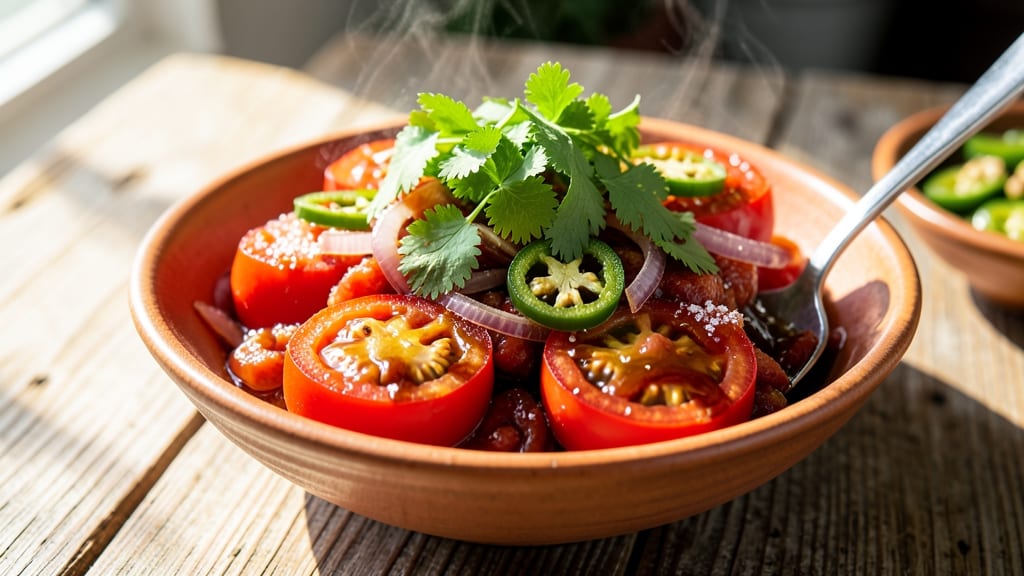
The Canning Diva’s salsa recipe with apple cider vinegar transforms ordinary salsa into something extraordinary—bright, tangy, and packed with preservation-friendly acidity. This Canning Diva-approved recipe balances sweetness, heat, and crunch while ensuring food safety for long-term storage.
The vinegar not only enhances flavor but also acts as a natural preservative, extending shelf life without sacrificing freshness. What sets this salsa apart is the textural contrast: crisp vegetables, juicy tomatoes, and a glossy, vinegar-infused finish that clings to every chip or taco.
The recipe simplifies canning with precise measurements and step-by-step guidance, so even beginners can safely preserve their harvest. No more watery salsa—just vibrant, zesty layers that taste like summer in a jar. The process is straightforward: chop, mix, and process in a boiling water bath.
The apple cider vinegar’s acidity ensures safety while adding depth, cutting through the richness of avocado or cheese. Whether you’re prepping for holidays or stocking your pantry, this salsa delivers restaurant-quality flavor with homemade pride. Perfect for gifting, meal prep, or serving alongside grilled meats.
Let’s make salsa that lasts—and tastes—better than store-bought.
Ingredients for canning diva salsa recipe apple cider vinegar
Preservation-friendly acidity meets vibrant freshness in this canning-approved salsa blend.
| Ingredient | Amount | Notes |
|---|---|---|
| Roma Tomatoes 🍅 | 4 cups | Chopped, seeds removed |
| Red Onion 🧅 | 1 whole | Diced, medium size preferred |
| Jalapeño Peppers 🌶️ | 2 whole | Seeded, finely chopped |
| Fresh Cilantro 🌿 | ½ cup | Chopped stems included |
| Apple Cider Vinegar 💧 | ⅓ cup | Raw, unfiltered preferred |
| Granulated Sugar 🍚 | ¼ cup | White or raw cane |
| Salt 🧂 | 1 tsp | Diamond Crystal preferred |
| Garlic Cloves 🧄 | 4 cloves | Minced, fresh preferred |
| Fresh Lime Juice 🍋 | ¼ cup | Freshly squeezed |
| Avocado Oil 🫒 | 2 tbsp | High smoke point preferred |
The apple cider vinegar is non-negotiable here—Bragg Organic or Texas Pete are my go-tos for that robust, tangy depth. Look for raw, unfiltered varieties at Whole Foods or specialty grocers; they preserve flavor and color better than pasteurized options. Roma tomatoes should be firm and vibrant red, not mealy or overripe. The jalapeños? Fresh, not jarred—they hold up better during processing and deliver superior heat. Cilantro stems add subtle bitterness that balances sweetness, so don't trim them all away. For garlic, elephant garlic if you're feeling fancy, but regular cloves work perfectly fine.
No fresh cilantro? Dried cilantro at one-quarter the amount gets you close, though it lacks the fresh brightness. Substituting vinegar? White wine vinegar or lemon juice works, but apple cider’s maltiness is unique. Running short on Roma tomatoes? Fire-roasted canned tomatoes (drained) add depth without watering down the texture. The avocado oil can be swapped for extra-virgin olive oil, though it has a lower smoke point. For heat control, remove jalapeño seeds and membranes entirely for mild salsa or leave them in for serrano-level kick. The sugar is purely for balancing acidity—agave nectar at half the amount works if you prefer natural sweeteners.
This salsa is designed for canning, so sterilize all jars and lids before filling. Once processed, it keeps for 12-18 months in a cool, dark pantry. For immediate use, store in the fridge for up to 2 weeks—the flavors actually deepen over time. I always make a double batch: one for canning, one for freezing in ice cube trays for convenient single-use portions. The vinegar’s acidity ensures safety, but always verify your processed jars seal properly. For gifting, use mason jars with wide mouths—they’re easier to open and look more appealing.
Why You'll Love This Recipe
- No Chopping Chaos: I swear by this recipe because it’s the only salsa where I actually want to use a knife—just a quick dice of Roma tomatoes and onion, then toss with vinegar. The jalapeños? I pulse them in the food processor for that perfect, even heat without the mess.
- Vinegar Magic: That apple cider vinegar isn’t just for tang—it’s the secret weapon. It brightens the tomatoes so they taste fresh for days, and the slight sweetness in the vinegar balances the jalapeño’s kick. (Yes, even on a Tuesday night.)
- Party in a Jar: This salsa is my go-to for game days, taco nights, or when I’m too lazy to cook. It’s bold enough to stand alone with chips but mellows into any dish—think grilled fish, scrambled eggs, or even a cold sandwich. Honestly, I’ve lost track of how many ways I’ve used it.
- Lasts Like a Champ: I make a big batch every summer and it stays crisp in the fridge for weeks. The vinegar acts like a natural preservative, so no sad, watery salsa here—just flavor that keeps giving. (Between us, I’ve even canned it for gifts.)
Step-by-step instructions for apple cider vinegar salsa
A perfect balance of bright acidity, sweetness, and heat—this salsa delivers restaurant-quality flavor with minimal effort.
Prepare and Sauté the Base Vegetables
Heat the 2 tablespoons avocado oil in a large skillet over medium heat. Add the diced red onion and cook for 5-6 minutes until softened and translucent, stirring occasionally. The onions should release their natural moisture but not brown.
Increase heat to medium-high and add the 4 cloves minced garlic and 2 whole seeded, finely chopped jalapeño peppers. Sauté for 1-2 minutes until the garlic becomes fragrant and the jalapeños begin to soften slightly. This step develops the aromatic foundation of your salsa—don't rush it. Remove the pan from heat immediately after the garlic cooks to prevent burning.
Combine Tomatoes, Vinegar, and Sweetener
Return the skillet to medium heat and add the 4 cups chopped Roma tomatoes (with seeds removed). Cook for 5 minutes, stirring occasionally, until the tomatoes begin to break down and release their juices. This process concentrates their natural sweetness and intensifies their flavor.
Stir in the 0.33 cup apple cider vinegar and 0.25 cup granulated sugar, then bring the mixture to a gentle simmer. Let it cook uncovered for 8-10 minutes, stirring occasionally, until the tomatoes have fully softened and the liquid has slightly reduced. You'll notice the mixture becomes thicker and the raw tomato flavor transforms into something richer and more complex.
Finish with Herbs and Acid
Remove the skillet from heat and stir in the 0.5 cup chopped fresh cilantro (including stems) and 0.25 cup fresh lime juice. The bright acidity of the lime juice will cut through the sweetness and vinegar, creating that signature tangy balance. Season with 1 teaspoon salt and taste—adjust the salt or lime juice as needed to achieve the perfect equilibrium between sweet, sour, and spicy.
Let the salsa sit at room temperature for 10-15 minutes to allow the flavors to meld completely. This resting period is crucial—it lets the vinegar's acidity mellow slightly while the sugar and lime juice integrate fully. The texture will also thicken slightly as the mixture cools, resulting in that ideal salsa consistency.
Serve or Process for Storage
For immediate serving, transfer the salsa to a serving bowl and garnish with an additional sprinkle of cilantro if desired. The salsa should have a vibrant red color with visible texture from the tomatoes and onions, and a balance of sweet, tangy, and slightly spicy flavors.
If storing, transfer the salsa to a clean, airtight container and refrigerate for up to 1 week. For canning, follow proper USDA guidelines for safe preservation—this salsa is particularly well-suited for water bath canning due to the acidity from the apple cider vinegar and lime juice. The high acid content inhibits bacterial growth, making it safe for long-term storage.
Pro Tips For Making Canning Diva Salsa Recipe Apple Cider Vinegar
- Char the Tomatoes First: I learned this the hard way—raw Roma tomatoes taste bland in salsa. Blister them directly over a gas flame (or under a broiler) for 3-4 minutes per side until skin blackens. The smoky depth cuts through the vinegar’s sharpness and makes the whole dish sing.
- Seed Jalapeños Wet: Skip the dry-slitting method—it’s messy and leaves behind bitter seeds. Hold each pepper under cold running water while slicing the tip off, then scrape out seeds with a spoon. The water rinses away capsaicin residue, so you won’t end up with a mouth on fire.
- Salt the Onions Early: Toss diced red onion with ½ teaspoon salt the second it hits the cutting board. Let it sit for 10 minutes before mixing into the salsa. This draws out moisture and mellows the bite, so the vinegar doesn’t overwhelm it later—trust me, your taste buds will notice.
- Strain or Don’t: The Canning Diva’s recipe calls for a smooth texture, but I often leave chunks in for texture. If you’re impatient (like me), pulse the salsa in a food processor for 10 seconds instead of straining—it’s faster and still delivers that rustic bite. Just don’t overdo it.
Make-ahead tips for leftovers
Prep Ahead Strategy
Chop all vegetables and measure ingredients the night before to save 15-20 minutes of active prep time. Store chopped tomatoes, onions, and jalapeños in separate airtight containers in the fridge—they’ll keep for 2 days without browning.
I like using glass mason jars because they’re stackable and easy to grab when ready to cook. 💡
Canning Timeline
For canning, prep your jars and lids first—sterilize them in boiling water for 10 minutes while you cook the salsa. Keep them warm in a 200°F oven until ready to fill.
This ensures a proper seal and prevents contamination. I always set a timer for 15 minutes before the water bath to avoid rushing the process.
Freezer-Friendly Portions
Divide salsa into 1-cup portions in freezer-safe containers or silicone ice cube trays for single-use servings. Once frozen solid, transfer cubes to a labeled freezer bag.
Thaw overnight in the fridge—no need to reheat, just stir gently to redistribute flavors. This method preserves texture perfectly for up to 3 months. ✨
Flavor Development Hack
Let the cooked salsa rest in the fridge overnight before canning or serving. The apple cider vinegar’s acidity and lime juice will mellow slightly, while the sugar and tomatoes deepen in flavor. I’ve found this 24-hour rest makes the difference between good salsa and exceptional salsa—trust the process!
Gifting Made Easy
Use pint-sized mason jars for gifting—fill them with salsa, tie a ribbon around the lid, and attach a handwritten label. The vinegar’s preservation properties keep it fresh for 6-8 weeks at room temperature if stored properly.
I always include a note about the apple cider vinegar’s role in keeping it safe to eat.
Safety First
Always verify jar seals by pressing the center of the lid—it should stay firm and not pop back. If any jars don’t seal, refrigerate and use within 1 week.
For water bath canning, process pint jars for 15 minutes and quarts for 20 minutes at 212°F—this ensures complete safety while preserving that vibrant texture. 🔥
Nutrition facts
Frequently asked questions
Why does this recipe use apple cider vinegar instead of regular white vinegar?
The apple cider vinegar adds a rich, slightly sweet maltiness that regular white vinegar can't match. It enhances the salsa's depth and pairs beautifully with the tomatoes and onions. Plus, its natural acidity is perfect for safe canning while keeping the flavor complex.
Can I adjust the heat level in this salsa?
For milder salsa, remove all seeds and membranes from the jalapeños before chopping. For extra heat, add 1-2 extra jalapeños or swap them for serrano peppers. Taste as you go—you can always add more lime juice to balance the heat.
How do I know if my canned salsa is safe to eat?
After processing, check the jar seals by pressing the center—they should stay firm and not pop back. If any jars don't seal properly, refrigerate and use within 1 week. Always follow USDA guidelines for water bath canning times (15 minutes for pints, 20 minutes for quarts at 212°F).
What's the best way to use up leftover salsa?
Spread it on toast with avocado, mix into scrambled eggs, or use as a marinade for grilled chicken. For quick meals, stir it into rice or beans. The apple cider vinegar's acidity makes it incredibly versatile—even as a salad dressing or sandwich spread!
Can I make this salsa without cooking the tomatoes first?
Technically yes, but cooking softens the tomatoes and intensifies the flavors. If skipping cooking, add 1 extra tablespoon of lime juice and let the salsa sit for 30 minutes before serving to develop the acidity. The texture will be slightly chunkier but still delicious.