
Sauces & Condiments
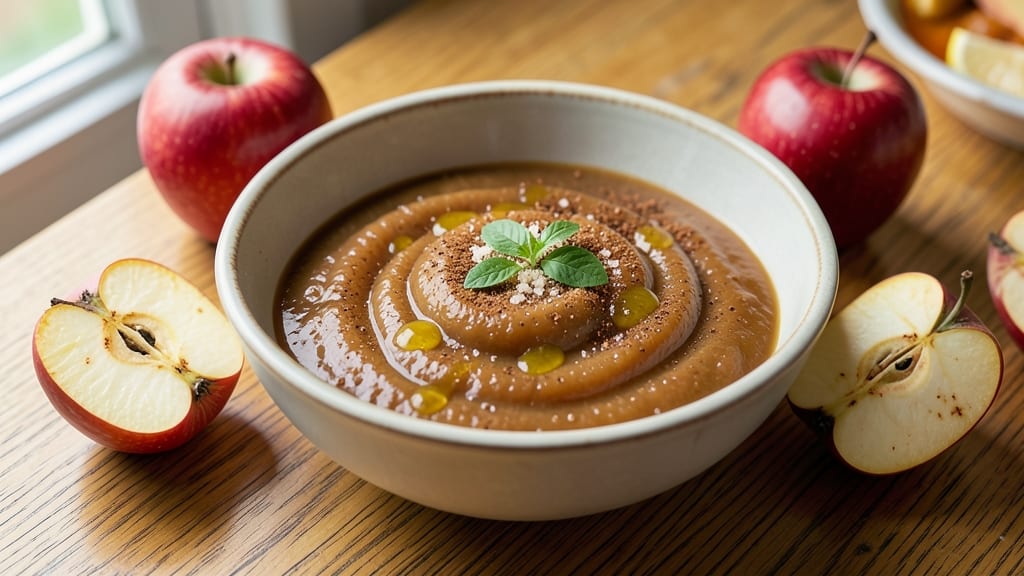
This Bramley apple sauce recipe delivers pantry-perfect versatility with a spiced simmer that transforms tart apples into silky, flavorful sauce. Perfect for pairing with meats, baking, or enjoying straight from the jar, this method preserves natural sweetness while balancing tartness with warm cinnamon and bright lemon.
The secret lies in controlling the simmer—too fast, and it turns to mush; too slow, and it loses depth.
What sets this recipe apart is its adjustable texture: leave it slightly chunky for rustic appeal or blend it smooth for elegant applications.
Bramley apples, known for their firm flesh and tangy flavor, cook down into a rich sauce with just the right amount of natural pectin to thicken without gums. A touch of sugar enhances caramelization, while spices like cinnamon and nutmeg add warmth that complements both sweet and savory dishes.
The result is a perfectly balanced sauce with vibrant color, aromatic spices, and a texture that clings beautifully to meats or spreads effortlessly on toast. Unlike store-bought versions, this sauce develops deeper flavor with time—ideal for gifting or meal prep.
The process is straightforward: peel, core, simmer, and blend, but the key is patience to achieve that restaurant-quality consistency.
Store it in the fridge for up to two weeks or freeze for months, making this the ultimate make-ahead pantry staple. Whether you're glazing roasted pork, sweetening oatmeal, or using it as a pie filling, this Bramley apple sauce will elevate every dish it touches.
Let's get started on creating your own batch today.
Ingredients for bramley apple sauce
Eight simple ingredients transform tart Bramleys into silky, spiced perfection—your pantry’s new secret weapon.
| Ingredient | Amount | Notes |
|---|---|---|
| Bramley Apples 🍎 | 4 lb | Peeled, cored, roughly chopped |
| Granulated Sugar 🍚 | ½ cup | Adjust to taste, enhances caramelization |
| Water 💧 | 1 cup | For simmering, can be reduced |
| Fresh Lemon Juice 🍋 | 2 tbsp | Brightens flavor, freshly squeezed |
| Ground Cinnamon 🍃 | 1 tsp | Warm spice, essential for depth |
| Ground Nutmeg 🌿 | ¼ tsp | Freshly grated adds complexity |
| Salt 🧂 | ½ tsp | Kosher or sea salt preferred |
| Extra-Virgin Olive Oil 🫒 | 1 tbsp | Optional, for glossy finish |
Bramleys are the star here. Local orchards or specialty grocery stores carry them—look for firm, unblemished apples. If you can’t find Bramleys, Granny Smiths or Honeycrisp work in a pinch, but they’ll be less tangy. Peeling is key: the skin can get tough when simmered. Costco or Trader Joe’s often stock them in fall, but check the produce section at Whole Foods for smaller batches. A good rule of thumb: the tartness should make your mouth pucker a little—this balances the sweetness later. I always buy a few extra pounds to freeze for future batches.
No Bramleys? Granny Smiths or Pink Lady apples are your next best bet—they hold up well to simmering. Skip the sugar if your apples are already sweet, but don’t cut back too much; it’s what caramelizes for that restaurant-quality depth. Fresh lemon juice is non-negotiable here—bottled won’t cut it. The spices? Penzeys or Spicewalla for the best quality, but the grocery store stuff works fine if it’s fresh. Want extra warmth? Add a pinch of cloves. For texture, leave some chunks—blend half for smoothness, leave the rest rustic. And if you’re short on time, apple cider or apple juice can replace the water, but it’ll be slightly sweeter.
This sauce keeps for 2 weeks in the fridge and freezes beautifully for up to 6 months. For gifting, portion into small jars—it’s the perfect hostess present. Reheat gently on the stove or microwave until warm. The flavor actually improves over time, so make a big batch. Store-bought jars? Ball or Mason jars work best—they seal tightly and look gorgeous on your shelf. And if it thickens too much after chilling, just stir in a splash of water or apple juice to loosen it up.
Why You'll Love This Recipe
- Five-Ingredient Magic: I swear by this recipe—just apples, sugar, water, lemon, and cinnamon. No fancy gadgets, no stress, and honestly? It’s the kind of thing you’ll make without even thinking about it.
- Tart-Sweet Balance: That first bite of Bramley’s sharp tang with the warm cinnamon and just enough sugar? It’s like autumn in a bowl. The lemon juice keeps it bright, so it never tastes cloying—just perfectly balanced.
- Pantry Staple Power: I keep this sauce in my fridge for everything—drizzled over yogurt, stirred into oatmeal, or even spooned onto pancakes. It’s my go-to when I need something quick but still feels special.
- Makes a Crowd Happy: A big batch costs next to nothing, and it keeps for weeks in the fridge. Between us, this is the sauce I bring to potlucks because it’s foolproof, filling, and people always ask for the recipe.
Step-by-step instructions for Bramley apple sauce
Here's the method that transforms tart Bramleys into velvety, spiced perfection every time.
Peel, Core, and Chop the Bramley Apples
Start by peeling the 4 lb of Bramley apples using a vegetable peeler or sharp knife. I like to work in batches—peeling while you core keeps things manageable. Cut each apple in half and remove the cores using a corer or small knife, being careful not to dig into the flesh.
Once cored, roughly chop the apple halves into ½-inch pieces. The size matters—too small and they'll turn to mush; too large and they won't soften evenly. I aim for consistency, but don't stress about perfect uniformity. A mix of chunky and smaller pieces actually adds texture to the finished sauce.
Simmer Apples Until Tender
In a large, heavy-bottomed pot, combine the chopped apples, 1 cup of water, and 0.5 cup of granulated sugar. Bring the mixture to a gentle boil over medium-high heat, then immediately reduce the heat to medium-low and let it simmer uncovered. Stir occasionally to prevent sticking—this is where most home cooks go wrong by letting it burn.
Simmer for 20-25 minutes until the apples are fork-tender but still hold some shape. You're aiming for a texture between smooth and slightly rustic. If the mixture looks too dry, add 1-2 tablespoons of water at a time. The apples should release their juices freely, creating a fragrant, aromatic broth that smells like autumn in a pot.
Add Spices and Acid for Depth
Once the apples are tender, stir in the 2 tablespoons of fresh lemon juice, 1 teaspoon of ground cinnamon, 0.25 teaspoon of ground nutmeg, and 0.5 teaspoon of salt. The lemon juice brightens the natural sweetness while cutting through any bitterness, and the spices work their magic by infusing warmth and complexity. Let the mixture simmer gently for another 5-7 minutes, stirring occasionally.
Here's where it gets good—taste and adjust the seasoning. If the sauce needs more sweetness, add a little more sugar; if it's too tart, add a pinch of sugar. The goal is balance: sweet, tangy, and spiced just right. The nutmeg should be noticeable but not overpowering—this is where freshly ground spice makes all the difference.
Blend or Mash to Desired Texture
For a smooth sauce, use an immersion blender to purée the mixture directly in the pot. Work in batches if needed, blending until completely smooth. If you prefer a rustic texture with some chunks, simply mash the apples with a potato masher or fork until you reach your desired consistency. I like a mix—some texture but mostly smooth.
If the sauce is too thick, thin it with a splash of hot water or apple juice. It should coat the back of a spoon but still be spreadable. The 1 tablespoon of extra-virgin olive oil is optional but adds a lovely gloss and richness. Stir it in now and let it sit for 2 minutes to fully incorporate. The oil not only enhances the texture but also carries the flavors beautifully.
Cool and Store for Maximum Versatility
Transfer the apple sauce to a clean jar or airtight container while it's still warm. Let it cool to room temperature, then refrigerate. Properly stored, this sauce keeps for up to 2 weeks in the fridge or 6 months in the freezer. The flavors actually deepen as it sits, making it even more delicious over time.
This isn't just apple sauce—it's a pantry workhorse. Use it to top yogurt, swirl into oatmeal, drizzle over pancakes, or pair with cheeses and charcuterie. The balance of spices and acid makes it versatile enough for both sweet and savory dishes. And trust me, once you make this, store-bought will never compare again.
Pro Tips For Making Bramley Apple Sauce
- PEEL AND CORE AGGRESSIVELY: Bramleys are tough—don’t half-ass the prep. Scrub them first, then slice them thick (about ½-inch) and core them all the way to the stem. I learned this the hard way when I left a tiny bit of core in a batch, and it turned to mush faster than the rest. Thick slices also cook more evenly and keep their shape.
- SIMMER LOW AND LONG: Start with a rolling boil to soften the apples fast, but once everything’s in the pot, drop the heat to a gentle simmer. After 20 minutes, taste-test—if the apples still have bite, cover and let them stew another 10-15 minutes. Rushing this step means gummy, overcooked applesauce. (Yes, even if you’re impatient like me.)
- SWEETEN SPARINGLY: Bramleys are tart, but they don’t need much sugar—start with just ¼ cup per 4-5 apples and adjust after cooking. Add the sugar last and let it dissolve completely before tasting. I used to dump it in early, and the sauce always ended up cloyingly sweet. A splash of lemon juice (1-2 tbsp) brightens the flavor better than extra sugar ever could.
- STRAIN FOR SILKINESS: Skip the food mill if you’re in a hurry, but don’t just mash with a fork—use a fine-mesh sieve or cheesecloth to strain the sauce. It’s extra work, but the result is smooth, velvety texture without gritty apple bits. (Your future self will thank you when you’re serving it to picky eaters.)
Flavor customization for these flavors
Sweet-Tart Balance
Adjust the sugar to taste—start with the 0.5 cup called for, but add up to 0.25 cup more if your Bramleys are extra tart. I like mine with a subtle sweetness that lets the apple's natural acidity shine.
For extra depth, replace 1 tablespoon of sugar with 1 tablespoon of honey—it adds floral notes that complement the cinnamon beautifully. 🍯
Spice Variations
Swap out the cinnamon and nutmeg for other warm spices. Try ½ tsp of cardamom and ¼ tsp of cloves for a Middle Eastern twist, or add ½ tsp of allspice for a Caribbean-inspired flavor.
For a modern take, stir in ¼ tsp of smoked paprika after simmering—it adds an unexpected depth that pairs well with pork or cheese boards.
Herbal Infusions
Brighten the sauce with fresh herbs like ½ cup of chopped fresh rosemary or ¼ cup of thyme leaves during the final 5 minutes of simmering. Remove the herbs before blending or mashing.
I love adding 1 tbsp of fresh ginger, grated, for a zesty kick that works surprisingly well with roasted chicken. The herbs infuse the sauce with aromatic complexity without overpowering the apple flavor.
Texture Adjustments
For a chunky rustic texture, leave the apples whole after coring and simmer until fork-tender. For a smooth velvety finish, blend after simmering. Want something in between? Use an immersion blender for 30 seconds to partially blend.
I often blend half the batch smooth and leave the other half chunky—this gives me versatility for different uses, from elegant desserts to hearty mains.
Savory Twists
Transform this sauce into a savory glaze by adding 1 tbsp of apple cider vinegar and ½ tsp of smoked sea salt during the final simmer. The acidity cuts through rich meats like pork or duck, while the salt enhances the umami.
For a smoky flavor, simmer the sauce with 1-2 slices of bacon until tender, then remove the bacon before blending. The rendered fat adds richness that elevates the sauce for roasted vegetables or grilled meats.
Seasonal Adaptations
In summer, swap the cinnamon for ½ tsp of orange zest and reduce the sugar to ¼ cup. The citrus brightens the sauce perfectly for summer desserts or as a topping for grilled peaches.
For winter, add ½ tsp of ground ginger and ¼ tsp of black pepper—the warmth and spice make it ideal for holiday dishes like stuffing or glazed ham. 🍂
Nutrition facts
Frequently asked questions
Why do Bramley apples work best for sauce?
Bramley apples are specifically bred for cooking—their firm flesh holds up during simmering while developing rich, tangy-sweet flavors. Unlike dessert apples, they contain natural pectin that thickens the sauce without needing extra gums. Their tartness also balances perfectly with spices, making them ideal for versatile sauces that work with both sweet and savory dishes.
Can I make this sauce without a blender?
Skip blending and use a potato masher or fork to achieve a rustic texture with small apple chunks. For extra smoothness, press the cooked apples through a fine-mesh sieve after mashing. The sauce will still be delicious—just with more texture. A food mill also works perfectly if you have one available.
How do I fix sauce that's too thick?
Simply stir in 1-2 tablespoons of hot water or apple juice at a time until you reach your desired consistency. For a smoother texture, blend again briefly with an immersion blender. The sauce should coat the back of a spoon but still be spreadable. If it's too thin, simmer uncovered for 5-10 minutes to reduce the liquid naturally.
What's the best way to use leftover sauce?
This versatile sauce works perfectly as a glaze for roasted pork or chicken, a topping for yogurt or oatmeal, or a filling for tarts and pies. For savory dishes, reduce it slightly with a splash of vinegar, and for desserts, add a pinch of cinnamon. The spiced version also pairs beautifully with sharp cheeses like blue cheese or goat cheese on charcuterie boards.
Can I substitute Bramleys with other apples?
Yes! Granny Smith or Pink Lady apples work well as substitutes, though they'll be slightly less tart. For best results, use a mix of tart and sweet apples. Avoid overly soft varieties like Gala or Fuji—they'll turn to mush during cooking. If using sweeter apples, reduce the sugar by 1-2 tablespoons to maintain the right balance.